Using calibrated torque tools guarantees you apply the correct force to electrical connectors, preventing loose or damaged connections. This consistent application reduces the risk of faults like overheating or electrical failure, boosting system reliability. Proper torque also protects sensitive components from over-tightening, which can cause damage. Regular calibration keeps your tools accurate, so your connections stay secure over time. Keep exploring how proper torque application can make a difference for your electrical systems and safety.

Get backup power and energy gear delivered free — and shop member deals
- Fast, free delivery on millions of items
- Access to Prime Big Deal Days deals on October 6–7
- Prime Video, Amazon Music and more included
Key Takeaways
- Ensure consistent and accurate torque application for secure electrical connections.
- Prevent damage to sensitive components through precise tightening.
- Reduce the risk of loose connections causing faults or overheating.
- Maintain long-term system reliability by standardizing installation procedures.
- Support safety compliance and prevent system failures with calibrated torque tools.
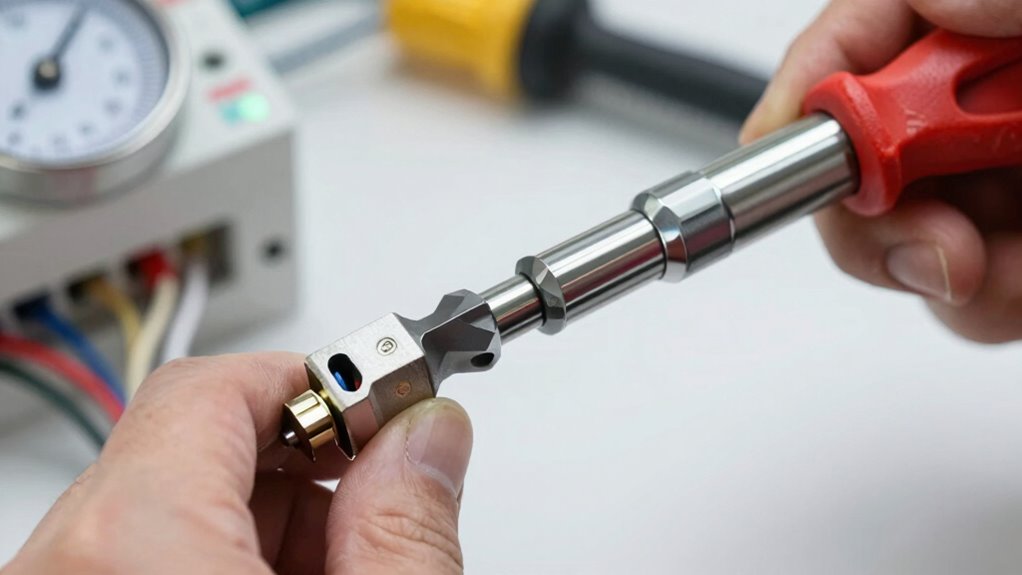
Ensuring electrical reliability often depends on precise torque application during installation and maintenance. When you use torque tools correctly, you’re helping to guarantee that electrical connectors are assembled with the right amount of force, which is crucial for maintaining consistent electrical performance. Proper torque calibration is essential because it ensures your torque tools deliver accurate and repeatable torque values, reducing the risk of under-tightening or over-tightening connections. Incorrect torque can lead to loose connections that cause intermittent faults or overheating, or to overtightened connections that damage delicate components. By regularly calibrating your torque tools, you can trust that every connection you make meets the specified torque requirements, ultimately boosting the reliability of the entire electrical system. Calibration frequency plays a key role in maintaining tool accuracy over time, ensuring ongoing performance and safety.
Accurate torque calibration ensures reliable electrical connections and system performance.
Using torque tools also helps to standardize installation procedures. When you apply the correct torque, you minimize variability between different technicians or work shifts, ensuring that every electrical connector is installed to the same standard. This consistency is vital in complex systems where multiple connections are involved, as it prevents weak spots or potential failure points that could compromise safety or system performance. Proper torque application during assembly can extend the lifespan of electrical connectors by reducing mechanical stress and preventing damage that might occur from improper tightening. As a result, your work not only improves immediate electrical reliability but also contributes to long-term system stability. Additionally, quality control measures should include regular inspections and checks to verify proper torque application, further enhancing system dependability. Incorporating calibrated tools ensures that torque values remain accurate over time, reducing errors and increasing confidence in your work.
Furthermore, torque tools help you avoid damage to sensitive components. Many electrical connectors are made from materials that can be compromised if excessive force is applied. Over-tightening can deform or crack connectors, leading to costly repairs or replacements down the line. By using calibrated torque tools, you can apply just the right amount of force, protecting these delicate parts while ensuring a secure, reliable connection. This precision reduces the likelihood of electrical faults caused by damaged connectors or compromised contact surfaces, enhancing the overall dependability of your electrical infrastructure. Incorporating proper maintenance of your torque tools can further ensure consistent performance and accuracy.
In the end, the integration of torque calibration and the correct use of torque tools directly influences the quality and durability of electrical connections. They enable you to work efficiently and confidently, knowing that each connection adheres to industry standards. This meticulous approach not only prevents potential failures but also demonstrates a commitment to safety and excellence in electrical work. When you prioritize proper torque application, you’re making a significant investment in the long-term reliability and safety of electrical systems, ensuring they operate smoothly and efficiently over time.
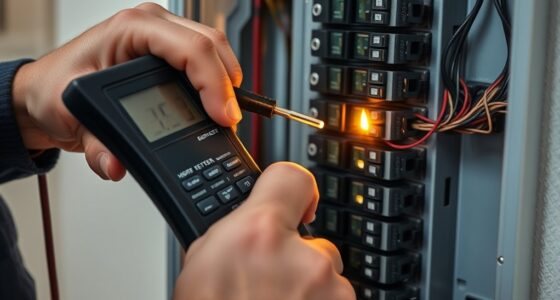
calibrated torque screwdriver for electrical connectors
As an affiliate, we earn on qualifying purchases.
As an affiliate, we earn on qualifying purchases.
Frequently Asked Questions
How Do Torque Tools Prevent Electrical Connection Failures?
Torque tools prevent electrical connection failures by ensuring proper connector security and consistent tension during assembly. When you use them, you avoid over-tightening or under-tightening, which can lead to loose connections. This improves vibration resistance, reducing the risk of disconnections caused by vibrations or movement. As a result, your electrical systems become more reliable, safer, and maintain best performance over time, minimizing downtime and costly repairs.
Are Torque Tools Suitable for All Types of Electrical Components?
Torque tools aren’t suitable for all electrical components, especially those with delicate electrical insulation or sensitive connectors. They excel when precise torque accuracy is needed to guarantee reliable connections without damaging insulation. For fragile or specialized parts, you should select tools designed for low torque settings and gentle handling. Always verify the tool’s specifications match the component’s requirements to prevent electrical failures caused by over-tightening or insufficient torque.
What Maintenance Is Required for Torque Tools Used in Electrical Work?
You need to regularly perform calibration procedures on your torque tools to guarantee accuracy and consistency in electrical work. Store them in a clean, dry environment following storage best practices, like keeping them in protective cases and avoiding extreme temperatures. Additionally, inspect tools for wear, lubricate moving parts if necessary, and replace damaged components promptly. Proper maintenance guarantees reliable performance and prolongs your torque tools’ lifespan.
How Do Torque Tools Impact Safety During Electrical Installations?
Using torque tools enhances safety during electrical installations by ensuring proper connections, which maintain insulation integrity and prevent loose fittings. When connections are secure, the risk of electrical arcing and potential fire hazards drops considerably. You can trust torque tools to deliver consistent tightness, reducing fire risk and safeguarding both equipment and personnel. Properly torqued connections also minimize the chance of insulation damage, making your electrical work safer and more reliable.
Can Improper Torque Calibration Affect Electrical System Performance?
Improper torque calibration can considerably impact electrical system performance because it compromises torque precision. When torque tools aren’t calibrated to standard calibration standards, connections might be too loose or overly tight. This can lead to poor conductivity, increased resistance, or even component damage. Ensuring your torque tools are calibrated correctly helps maintain ideal electrical performance, prevents faults, and prolongs system life. Always follow calibration standards for reliable, consistent results.
digital torque wrench for electronics
As an affiliate, we earn on qualifying purchases.
As an affiliate, we earn on qualifying purchases.
Conclusion
So, next time you’re tightening those electrical connections, remember—using the right torque tools isn’t just about proper fit; it’s about boosting reliability. Some say that precise torque prevents future failures and costly downtime. While no tool can guarantee perfection, evidence shows that accurate torque application considerably reduces connection issues. Don’t leave electrical reliability to chance—trust in torque tools to keep your systems safe, efficient, and resilient over time.
electrical torque calibration tool
As an affiliate, we earn on qualifying purchases.
As an affiliate, we earn on qualifying purchases.
precision torque screwdriver for sensitive components
As an affiliate, we earn on qualifying purchases.
As an affiliate, we earn on qualifying purchases.
Halloween Picks
halloween
As an affiliate, we earn on qualifying purchases.