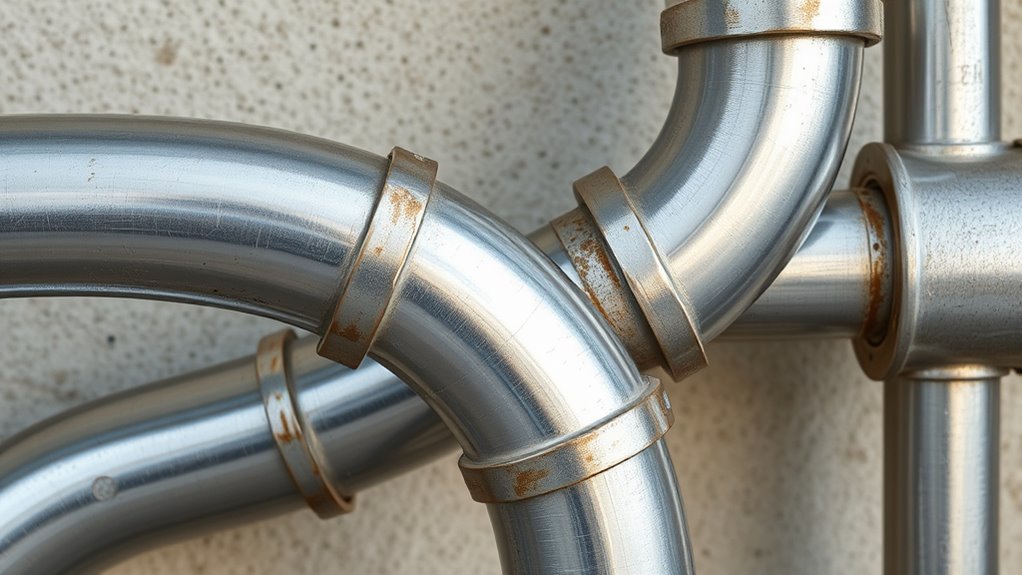

To bond metal water pipes, you should connect all metal piping to your home’s grounding system using approved bonding clamps or connectors. Attach bonding wires, typically of at least 6 AWG, from the pipes to the grounding system, guaranteeing all connections are tight, corrosion-resistant, and compliant with local electrical codes. Proper bonding helps prevent electrical shocks and corrosion issues, ensuring safety and system longevity. Continue to explore the details to guarantee your setup is safe and effective.

Get backup power and energy gear delivered free — and shop member deals
- Fast, free delivery on millions of items
- Access to Prime Big Deal Days deals on October 6–7
- Prime Video, Amazon Music and more included
Key Takeaways
- Bond metal water pipes at the main water meter, service entrance, or where they connect to grounding systems.
- Use approved bonding clamps or connectors to attach bonding wire to the pipe securely.
- Connect the bonding wire to the building’s grounding system, such as grounding rods or panels.
- Ensure the bonding wire is continuous, corrosion-resistant, and at least 6 AWG gauge.
- Inspect and tighten connections regularly to maintain effective bonding and safety compliance.
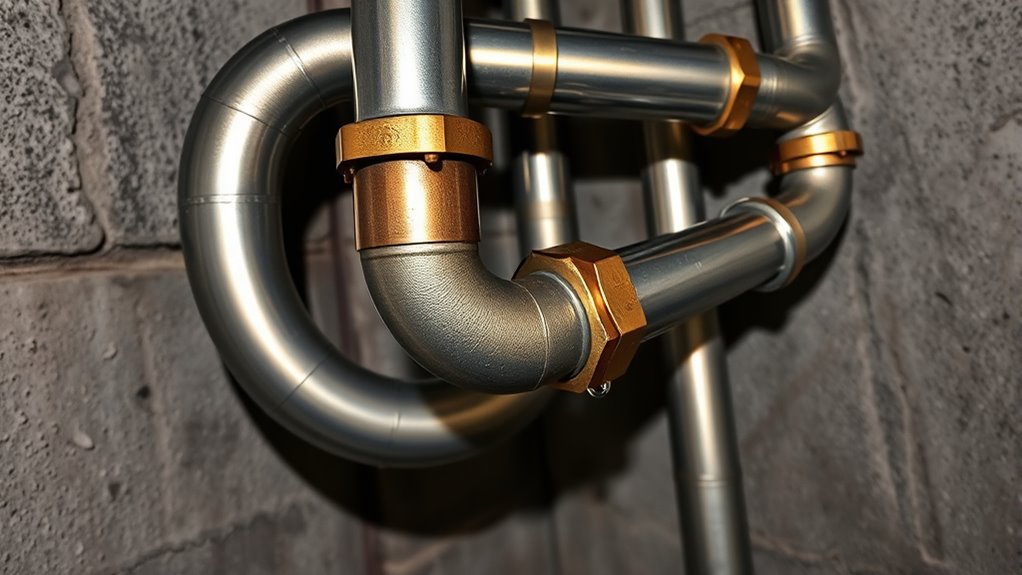
Bonding metal water pipes is a essential safety step that helps prevent electrical shock and guarantees proper system operation. When you properly bond your water pipes, you ensure that any stray electrical currents are safely directed to the ground, reducing the risk of shock hazards. This is especially important in areas where the potential for electrical faults exists, such as near appliances, fixtures, or underground piping. To achieve this, you need to pay close attention to grounding requirements, making sure that your metal pipes are correctly connected to the grounding system of your home or building. Grounding requirements typically specify the type of conductive materials and the connection points you should use, guaranteeing that your bonding system remains reliable and effective over time.
In addition to safety, bonding your metal water pipes plays a critical role in corrosion prevention. When pipes are properly bonded, electrical currents that could accelerate corrosion are minimized. Without a proper connection, stray currents can flow through the metal pipes, causing electrolysis that deteriorates the pipe material. This deterioration can lead to leaks, pipe failure, and costly repairs. By bonding the pipes, you create a continuous electrical path that helps prevent these unwanted currents from causing damage. You should guarantee that all metallic parts of your water system are bonded at regular intervals and that connections are corrosion-resistant, such as with clamp connectors made of copper or stainless steel. This not only enhances safety but also extends the life of your plumbing system.
Additionally, understanding the importance of proper grounding methods ensures that your bonding process is both safe and compliant with electrical standards. To bond your pipes correctly, start by identifying all metallic components that need grounding, including water lines, fittings, and any connected appliances. Use approved bonding clamps or connectors to attach a bonding wire from the pipe to your grounding system, ensuring a secure and corrosion-resistant connection. The bonding wire should be of appropriate gauge, typically at least 6 AWG for residential systems, and should be continuous without breaks. Make sure to follow local electrical codes and standards, as these will specify the exact requirements for grounding and bonding. Regular inspections are also recommended to confirm that connections remain tight and corrosion-free, especially in areas exposed to moisture or soil.
As an affiliate, we earn on qualifying purchases.
Frequently Asked Questions
What Are the Penalties for Improper Bonding of Water Pipes?
If you improperly bond water pipes, you risk code violations that could lead to costly fines and delays. Insurance penalties might also occur, making your coverage invalid in case of damage or electrical issues. These penalties not only jeopardize your safety but can also increase your expenses if issues arise later. Always guarantee proper bonding to stay compliant, avoid penalties, and protect yourself and your property effectively.
How Often Should Water Pipe Bonding Be Inspected or Updated?
Think of your bonding system as a safety net that needs regular checking. You should follow a maintenance schedule of at least once a year, inspecting and updating your water pipe bonding. This inspection frequency guarantees that connections stay secure and effective, preventing electrical hazards. Regular maintenance is like tending to a garden—consistent care keeps everything safe, functional, and up-to-date, reducing the risk of problems down the line.
Can Plastic Piping Be Bonded Using the Same Methods?
Plastic pipe bonding isn’t done the same way as metal pipes. You can’t use traditional bonding methods because plastic isn’t conductive. Instead, you should use specialized connectors or clamps designed for plastic piping, guaranteeing UV resistance if exposed to sunlight. These methods help prevent electrical hazards and corrosion. Always follow manufacturer instructions and local codes to ensure safe, effective bonding, especially in outdoor or UV-prone environments.
What Tools Are Essential for Bonding Metal Water Pipes?
Think of bonding metal water pipes like tuning a musical instrument—you need the right tools to guarantee everything stays in harmony. You’ll need wire strippers to prepare the bonding wire, making clean, secure connections. Clamp installation tools are essential to firmly attach the bonding wire to the pipe, ensuring a solid electrical connection. These tools help you create a reliable bond, protecting your plumbing system and maintaining safety.
Are There Specific Bonding Requirements for Outdoor Water Systems?
Yes, outdoor water systems have specific bonding requirements. You need to follow outdoor conduit requirements and guarantee all metallic parts are properly bonded to prevent electrical hazards. Use weatherproof bonding techniques, like corrosion-resistant connectors and grounding conductors, to withstand environmental conditions. Make sure your bonding conductors are continuous and securely attached to all metallic parts, providing a reliable ground path and maintaining safety in outdoor installations.
As an affiliate, we earn on qualifying purchases.
Conclusion
Remember, properly bonding your metal water pipes is vital for safety and electrical continuity. Did you know that a properly bonded system can reduce the risk of electric shock by up to 80%? By following the right procedures and using the correct connectors, you guarantee your home’s safety and compliance. Don’t overlook this essential step—taking the time now can prevent costly repairs and hazards later. Stay safe and keep your plumbing properly bonded!
copper bonding clamps for water pipes
As an affiliate, we earn on qualifying purchases.
As an affiliate, we earn on qualifying purchases.
As an affiliate, we earn on qualifying purchases.
Evergreen bestsellers Picks
bestsellers
As an affiliate, we earn on qualifying purchases.