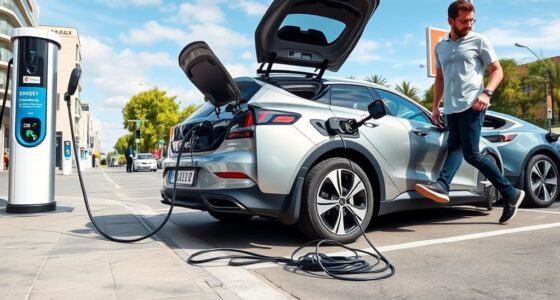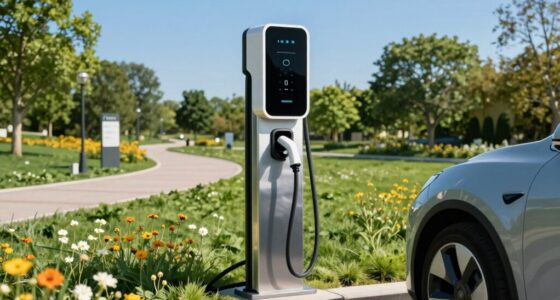

Charging your energy storage during off-peak hours helps you save money by taking advantage of lower utility rates when demand is low. It also reduces your household’s carbon footprint and increases energy independence by using cleaner, cheaper energy sources. Smart chargers and energy management systems make it easy to schedule charging during these times automatically. Keep exploring how optimizing your charging habits can boost savings and sustainability for your home.
Key Takeaways
- Charging during off-peak hours leverages lower electricity rates, reducing overall energy costs.
- Using smart tools ensures appliances are powered during low-demand periods for maximum savings.
- Larger battery capacity stores more off-peak energy, increasing flexibility and cost-effectiveness.
- Off-peak charging minimizes reliance on expensive peak-time electricity, lowering utility bills.
- Proper timing of energy storage supports energy independence and enhances household efficiency.

Charging off-peak electricity allows you to save money by taking advantage of lower rates during less busy hours. This strategy is especially effective if you have an energy storage system or battery capacity in your home. By timing your energy consumption to coincide with these off-peak periods, you can reduce your overall electricity costs and make your household more energy-efficient. When you charge your batteries during off-peak hours, you’re fundamentally storing cheap, clean energy for later use, which minimizes reliance on higher-cost peak rates. Having a good battery capacity is essential for maximizing the benefits of off-peak charging. A larger energy storage system allows you to store more electricity when rates are low, giving you greater flexibility to power your home during peak hours without extra costs. With increased battery capacity, you can run appliances, charge electronic devices, and even heat water using stored energy, all while avoiding higher rates during busy hours. This not only saves you money but also reduces your carbon footprint by making better use of cleaner, off-peak energy sources. Timing your charging sessions to align with off-peak hours is straightforward with an energy management system or smart charger. These tools automatically detect the best times to charge your batteries, ensuring you’re always taking advantage of the lowest rates. By setting your system to charge during nights or weekends—when electricity demand drops—you optimize your energy storage and save more money. Over time, this consistent practice adds up, lowering your utility bills and improving your household’s energy independence. Additionally, understanding the benefits of energy storage can help you make smarter decisions about your home’s energy use and savings. It’s also worth considering how your battery capacity impacts your ability to shift energy use. Smaller systems might only store enough energy to cover a few hours of household needs, while larger systems can provide power for days, especially during extended peak periods or outages. The more energy your storage system can hold, the more you can rely on off-peak electricity, reducing your dependence on the grid and providing peace of mind. You’ll find that with a properly sized energy storage system, even unpredictable energy demands become manageable, and your savings increase.
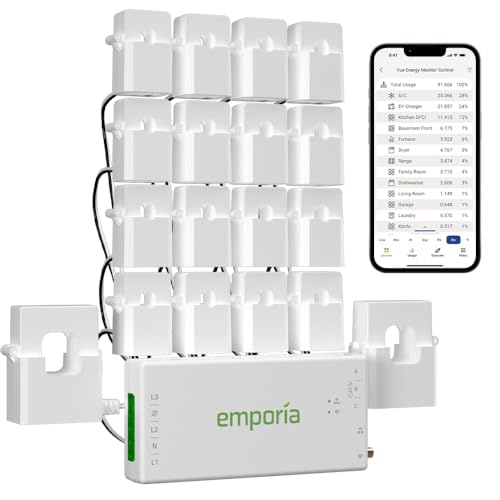
Emporia Vue 3 Home Energy Monitor – Smart Home Automation Module and Real Time Electricity Usage Monitor, Power Consumption Meter, Solar and Net Metering for UL Certified Safe Energy Monitoring
SAFETY YOU CAN TRUST WITH UL CERTIFICATION: With Emporia Energy, your home energy monitoring is safe, reliable, and…
As an affiliate, we earn on qualifying purchases.
As an affiliate, we earn on qualifying purchases.
Frequently Asked Questions
How Do I Identify Off-Peak Hours for My Utility Provider?
To identify off-peak hours, check your utility provider’s rate structures and peak periods. You can usually find this information on your bill, the provider’s website, or by contacting customer service. Off-peak hours are when electricity costs less, often during nights and weekends. Understanding these times helps you schedule energy-intensive tasks to save money, making the most of your utility’s off-peak rates and reducing overall costs.
Are There Specific Appliances That Save More During Off-Peak Times?
Ever wondered which appliances save you the most during off-peak hours? Your dishwasher, electric water heater, and laundry machines benefit greatly because they typically have higher energy consumption patterns. These appliances are more efficient when run during off-peak times, reducing your overall energy costs. By scheduling high-energy tasks during these hours, you maximize savings and contribute to a more balanced grid. Isn’t it smart to optimize appliance efficiency this way?
Can Off-Peak Rates Vary by Season or Weather Conditions?
Yes, off-peak rates can vary by season and weather impact. During seasonal fluctuations, utilities might adjust rates to manage increased demand in colder or hotter months. Weather conditions like storms or extreme temperatures can also influence rates temporarily. You should check with your utility provider regularly, as these variations help balance supply and demand, ensuring fair pricing and reliable energy. Staying informed helps you maximize your savings during off-peak times.
Is There an Extra Cost to Shift Energy Use to Off-Peak Hours?
You typically won’t face an extra cost when shifting energy use to off-peak hours, but peak pricing and billing policies can vary. Some utility companies offer lower rates during off-peak times, helping you save money, while others may have fixed rates regardless of your energy use timing. Always check your billing policies to understand if there’s any additional fee or if your savings depend on your ability to shift consumption.
How Do Smart Meters Help Optimize Off-Peak Energy Savings?
Smart meter benefits help you optimize off-peak energy savings by providing real-time energy consumption data. You can easily monitor your usage patterns and identify times when energy costs are lower. This allows you to shift high-energy activities to off-peak hours, reducing your bills. With instant feedback, you become more aware of your energy habits, making it easier to save money and support a more efficient energy system.

Portable Power Station 28,000mAh LiFePO4 Battery 100W(200W Peak) Solar Power Bank, Portable Charger Small Generator with AC Outlets & PD Fast Charging for Home/Laptop/Camping(Solar Panel Optional)
【SLIM & POCKETABLE】This portable power bank is about the size of a smartphone (6.5×3.3×4 inches) and weighs only…
As an affiliate, we earn on qualifying purchases.
As an affiliate, we earn on qualifying purchases.
Conclusion
Charging off-peak is like catching the wave at just the right moment—you save energy and money by riding the best tides. When you shift your usage to those cheaper hours, you’re not just saving dollars, but also helping the grid stay balanced. Think of it as giving your wallet a break while keeping the power flowing smoothly. So, embrace off-peak hours—it’s a smart move that pays off in more ways than one.
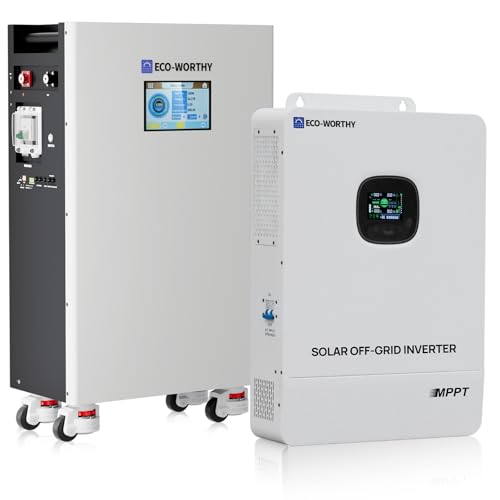
ECO-WORTHY Powermega 48V 314Ah LiFePO4 Energy Storage System with 10kW Hybrid Inverter, Active Balancing BMS, Built-in Bluetooth&WiFi, Communication Support for Home Backup, Emergency Power, Off-Grid
High-Capacity Home Energy Storage: This system pairs a 10kW hybrid inverter with a 48V 314Ah LiFePO4 battery, delivering…
As an affiliate, we earn on qualifying purchases.
As an affiliate, we earn on qualifying purchases.

Jackery Solar Generator 1000 v2 with 200W Solar Panel,1070Wh Portable Power Station LiFePO4 Battery,1500W AC/100W USB-C Output, 1Hr Fast Charge for Outdoor,Off-Grid Living,RV,Emergency
Powerful yet Compact: Boasting a 1,500W AC output and a 3,000W surge peak, the Solar Generator 1000 V2…
As an affiliate, we earn on qualifying purchases.
As an affiliate, we earn on qualifying purchases.