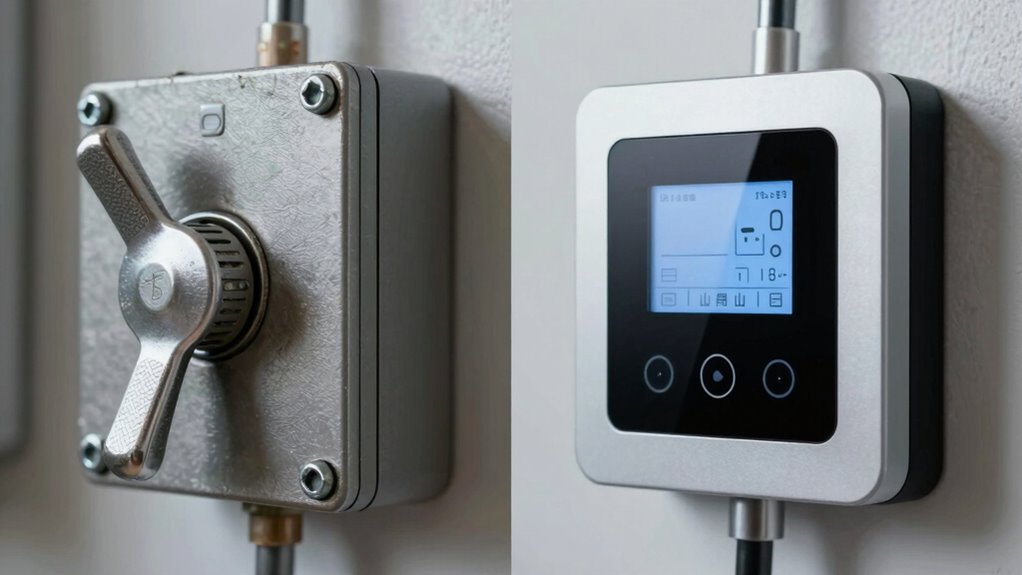

The main difference between manual and automatic transfer systems is how they respond to power outages. Manual systems require you or someone else to physically switch the power source during an outage, which can cause delays. Automatic systems detect power failures instantly and switch sources without human intervention, ensuring continuous supply with minimal downtime. If you want to understand how each system operates and when to use them, keep exploring these options further.
Open a free Amazon Business account
Business pricing, bulk buying and tax-exempt orders.
As an affiliate, we earn on qualifying purchases.
Key Takeaways
- Manual transfer systems require human intervention to switch power sources, while automatic systems detect failures and switch automatically.
- Automatic systems execute seamless transfers within seconds, whereas manual systems depend on operator action.
- Manual systems have simpler components, making them easier to troubleshoot and maintain.
- Automatic systems rely on control modules and sensors, needing regular firmware updates and fault monitoring.
- Manual systems are suitable for less critical environments, while automatic systems are ideal for immediate power restoration needs.

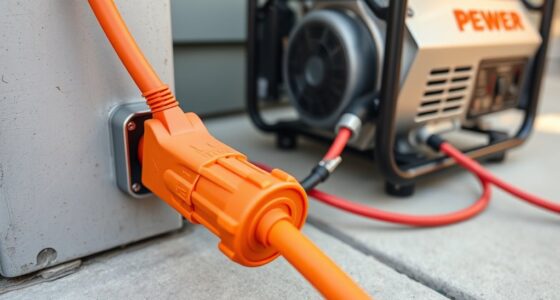
Are you wondering what sets manual and automatic transfer systems apart? The main difference lies in how they respond during a power outage or system failure, which directly influences emergency protocols and system maintenance. Manual transfer systems require an operator to physically switch the power source, giving you direct control over when and how the transfer occurs. This means that during an outage, you or your maintenance team must be present to intervene, follow specific emergency protocols, and manually activate the transfer switch. While this may seem less convenient, it offers a straightforward approach that’s easier to troubleshoot and maintain, especially since there are fewer complex components involved. Regular system maintenance becomes simpler with manual systems because you can easily inspect, test, and service the switch without worrying about automatic mechanisms malfunctioning unexpectedly. Additionally, understanding the role of calibration in these systems can help improve their performance and longevity. Proper calibration ensures the transfer system operates within specified parameters, reducing the risk of failure over time. Moreover, routine testing is vital to ensure the system performs reliably when needed. From a safety perspective, manual systems also allow for direct operator oversight, which can be crucial in certain environments.
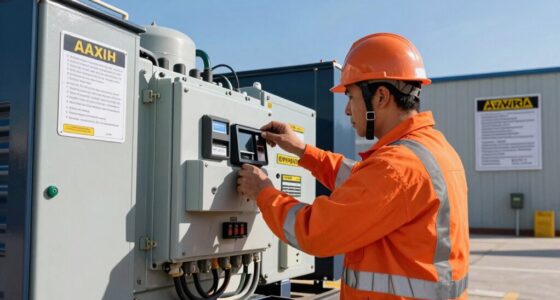
On the other hand, automatic transfer systems are designed to detect power failures instantly and switch sources without human intervention. This quick response is vital during emergencies, as it minimizes downtime and maintains continuous power supply, especially for critical operations. Automatic systems operate based on sophisticated control modules that monitor incoming power and execute transfers seamlessly, often within seconds. While this automation reduces reliance on staff during an outage, it also means that system maintenance involves checking electronic components, sensors, and control logic regularly to ensure reliable operation. You need to stay vigilant with maintenance routines, update firmware when necessary, and monitor for potential faults that could disrupt automatic switching. Emergency protocols differ markedly between the two types; automatic systems typically require less immediate action from personnel during an outage but demand thorough maintenance to prevent failures, whereas manual systems rely heavily on human response and intervention. Being aware of the electronic component upkeep can help prevent unexpected failures in automatic systems.
Choosing between manual and automatic transfer systems depends on your operational needs, budget, and the level of control you prefer during emergencies. Manual systems might be suitable for less critical environments or where regular maintenance and inspections are manageable, while automatic systems excel in settings that demand instant power restoration without delay. Understanding these differences helps you prepare better for emergencies and ensures your system maintenance routines are aligned with your choice. Ultimately, both systems serve the same core purpose—keeping your power reliable—but they do so through different mechanisms that impact how you handle emergency protocols, routine checks, and long-term upkeep. Knowing what to expect from each helps you make an informed decision that best fits your safety standards and operational demands. Proper system calibration and routine checks are essential regardless of your choice, ensuring optimal performance and safety.
automatic transfer switch for home
As an affiliate, we earn on qualifying purchases.
As an affiliate, we earn on qualifying purchases.
Frequently Asked Questions
What Are the Initial Setup Costs for Manual vs. Automatic Transfer Systems?
Manual transfer systems usually have lower initial setup costs because they involve simpler components and less complex installation. In contrast, automatic transfer systems tend to be more expensive upfront due to advanced technology and more intricate installation processes. When considering a cost comparison, you’ll find manual options more budget-friendly initially, but automatic systems may save you money long-term through greater reliability and reduced manual effort, despite higher installation complexity.
How Do Maintenance Requirements Differ Between Manual and Automatic Systems?
Did you know manual transfer systems often require more frequent safety checks? You’ll need to regularly inspect manual safety components for wear and tear, ensuring everything functions properly. Automatic systems, on the other hand, boast higher efficiency but demand ongoing software updates and sensor calibrations. While manual systems need hands-on maintenance, automatic ones rely on technical upkeep, making maintenance requirements differ considerably based on safety needs and operational automation.
Which System Offers Better Reliability in Emergency Power Outages?
Automatic transfer systems generally offer better reliability during emergency power outages because they respond instantly, ensuring continuous power and enhancing your emergency preparedness. Their quick system response minimizes downtime, reducing risks associated with power loss. Manual systems rely on human intervention, which can introduce delays. For critical operations, automatic systems are more dependable, providing seamless power transfer and maintaining safety and operational stability during emergencies.
Can Manual Transfer Systems Be Automated Later?
Yes, manual transfer systems can be automated later through manual conversion, but it requires installing additional automation components. You’ll need to add control panels, sensors, and actuators to enable remote or automatic operation. While automation potential exists, it’s often more straightforward to choose an automatic transfer system initially. Retrofitting a manual system can be complex and costly, so consider your long-term needs before deciding whether to automate later.
Are Automatic Transfer Systems Compatible With Renewable Energy Sources?
Yes, automatic transfer systems are compatible with renewable energy sources. They enable seamless renewable integration by automatically switching power sources during fluctuations or outages, ensuring continuous supply. Their system compatibility with solar, wind, or other renewables makes them ideal for modern setups. You benefit from efficient, reliable power management, reducing downtime and supporting sustainable energy goals. This automation simplifies integrating renewables into your existing power infrastructure effortlessly.
manual transfer switch for generator
As an affiliate, we earn on qualifying purchases.
As an affiliate, we earn on qualifying purchases.
Conclusion
So, whether you prefer manual or automatic transfer systems, understanding their key difference helps you choose what’s best for your needs. Manual systems give you control, but require effort, while automatic ones offer convenience and quick response. Don’t worry about complexity—modern automatic systems are designed to be user-friendly. Ultimately, it’s about finding the right balance between control and convenience to keep your operations running smoothly and efficiently.
As an affiliate, we earn on qualifying purchases.
As an affiliate, we earn on qualifying purchases.
Fall Picks
fall essentials
As an affiliate, we earn on qualifying purchases.