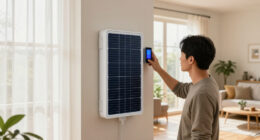
Solar panel power banks cover a huge spectrum in 2026, from a $40 pocket charger to a $3,000+ whole-home backup system, and picking the wrong end of that range wastes real money. My best overall pick is the Jackery Solar Generator 1000 V2, because its 1070Wh capacity, 1500W inverter, and genuine 200W panel input hit the sweet spot between capability and portability for most buyers. If budget rules, the DaranEner 600W bundle delivers surprising capacity per dollar, while the Blavor 10,000mAh remains the sensible choice for hikers who just want phone insurance. The main tradeoff you’ll face throughout this category is solar charging speed versus weight: small units sip sun slowly, and powerful ones demand a trunk to carry them. Keep reading for the full breakdown of all 14.
Complete the kit


Key Takeaways
- The Jackery Solar Generator 1000 V2 earned best overall because it’s the only mid-size unit pairing a 1500W inverter with a real 200W panel — most competitors at this price force you to choose between the two.
- Capacity claims on budget solar power banks are the least trustworthy spec in this roundup: the two 48000mAh SOARAISE units deliver far less usable phone charging than their numbers suggest, which is why neither cracked the top tier.
- Small fold-out panels (under 15W) are emergency trickle chargers, not primary solar — the 40W to 60W foldable panels included with the 300W-class generators charge 5-10x faster.
- Jackery dominates the high end with five entries, but its cheaper Explorer 300 bundles are beaten on value by DaranEner and the generic 300W kits that include 60W rather than 40W panels.
- The Anker SOLIX C200 is the odd one out: it skips an AC inverter for a 200W DC output, making it the lightest serious option for CPAP users and drone pilots who don’t need wall outlets.
| Portable Solar Generator with Panel, 300W Power Station and 40W Foldable Solar Panel |  | Best Budget Solar Generator Kit | Capacity: 280Wh | Rated Output: 300W (550W starting) | Solar Panel: 40W foldable | VIEW LATEST PRICE | See Our Full Breakdown |
| SOARAISE Solar Power Bank 48000mAh Wireless Battery Pack with 4 Cables |  | Best Rugged Power Bank for Extended Trips | Battery Capacity: 48000mAh lithium polymer | Solar Panels: 4 fold-out panels | Ports: 2 (USB-A, USB-C) | VIEW LATEST PRICE | See Our Full Breakdown |
| Jackery Explorer 300 Portable Power Station, 292Wh |  | Best Brand-Name Reliability | Capacity: 292Wh LiFePO4 | Rated Output: 300W (600W surge) | Weight: 7.5 lbs | VIEW LATEST PRICE | See Our Full Breakdown |
| SOARAISE Solar Power Bank 48000mAh Wireless Portable Charger with 4 Cables |  | Best for Multi-Device Charging | Capacity: 48000mAh | Solar Panels: 4 high-efficiency panels | Ports: 2 USB-A, 1 USB-C (input/output) | VIEW LATEST PRICE | See Our Full Breakdown |
| DaranEner 600W Portable Power Station with 100W Foldable Solar Panel |  | Best Overall Solar Generator Kit | Capacity: 576Wh LiFePO4 | Continuous Power: 600W (1200W surge) | Solar Panel: 100W foldable | VIEW LATEST PRICE | See Our Full Breakdown |
| Jackery HomePower 3600 Plus Portable Power Station with 2 Solar Panels |  | Best Premium Powerhouse | Output Wattage: 3600W | Capacity: 3584Wh (expandable to 21kWh) | Voltage: 120V & 240V in parallel | VIEW LATEST PRICE | See Our Full Breakdown |
| Portable Solar Generator 300W Power Station with 60W Foldable Solar Panel |  | Best Value Solar Generator Kit | Battery Capacity: 296Wh (80,000mAh) | Output Wattage: 300W | AC Outlets: 2 (110V pure sine wave) | VIEW LATEST PRICE | See Our Full Breakdown |
| Jackery Explorer 2000 v2 with 2x200W Solar Panels, 2042Wh Portable Power Station |  | Best for Home and Business Backup | Output Wattage: 2200W | Capacity: 2042Wh | Battery Type: LiFePO4, up to 10-year lifespan | VIEW LATEST PRICE | See Our Full Breakdown |
| Solar Power Bank 20000mAh with 4 Solar Panels |  | Best for Emergencies and Outdoor Survival | Battery Capacity: 20000mAh | Solar Panels: 4 integrated high-efficiency panels | Weatherproof Rating: IP67 | VIEW LATEST PRICE | See Our Full Breakdown |
| Blavor Solar Power Bank 10,000mAh Portable Wireless Charger |  | Best Compact Pocket Pick | Battery Capacity: 10,000mAh | Charging Outputs: Wireless pad, USB-A, USB-C | Output: 5V, 3A max | VIEW LATEST PRICE | See Our Full Breakdown |
| Portable Solar Generator 300W with 60W Solar Panel |  | Best Budget Starter Kit | Output Wattage: 300W | Included Solar Panel: 60W foldable | Power Source: Battery, Solar, AC/DC | VIEW LATEST PRICE | See Our Full Breakdown |
| Jackery Solar Generator 1000 V2 with 200W Solar Panel, 1070Wh, 1500W AC |  | Best for Whole-Trip Power | Battery Capacity: 1070Wh | AC Output: 1500W continuous, 3000W surge | Included Solar Panel: 200W | VIEW LATEST PRICE | See Our Full Breakdown |
| Jackery Solar Generator 300 with 40W Solar Panel, 292Wh, 300W AC |  | Best for Camping Reliability | Battery Capacity: 292Wh | Battery Chemistry: LiFePO4, 4,000+ cycles | AC Output: 300W continuous, 600W surge | VIEW LATEST PRICE | See Our Full Breakdown |
| Anker SOLIX C200 DC Portable Power Station and 60W Solar Panel, 192Wh, 200W |  | Best Compact Travel Pick | Battery Capacity: 192Wh | Battery Chemistry: LiFePO4 | Power Output: 200W DC | VIEW LATEST PRICE | See Our Full Breakdown |
| solar panel power bank | Battery Capacity | Weight |
|---|---|---|
| Portable Solar Generator with | — | — |
| SOARAISE Solar Power Bank 4800 | 48000mAh lithium polymer | — |
| Jackery Explorer 300 Portable | — | 7.5 lbs |
| SOARAISE Solar Power Bank 4800 | — | — |
| DaranEner 600W Portable Power | — | — |
| Jackery HomePower 3600 Plus Po | — | 77.2 lbs |
| Portable Solar Generator 300W | 296Wh (80,000mAh) | 6.5 lbs (station), 4 lbs (panel) |
| Jackery Explorer 2000 v2 with | — | 66.8 lbs |
| Solar Power Bank 20000mAh with | 20000mAh | — |
| Blavor Solar Power Bank 10,000 | 10,000mAh | 9.3 oz |
| Portable Solar Generator 300W | — | — |
| Jackery Solar Generator 1000 V | 1070Wh | 23.8 lbs |
| Jackery Solar Generator 300 wi | 292Wh | 12.9 lbs |
| Anker SOLIX C200 DC Portable P | 192Wh | — |
More Details on Our Top Picks
Portable Solar Generator with Panel, 300W Power Station and 40W Foldable Solar Panel
This kit stands out because it bundles a 300W power station and a 40W solar panel at a price where most rivals sell the battery alone — the Jackery Explorer 300, for example, costs more before you add any panel. That everything-in-one-box approach makes the most sense for buyers who want a working solar setup on day one without researching compatible panels. The 280Wh capacity covers phones, lights, laptops, and a small fan across a weekend, and the built-in SOS flashlight adds genuine emergency value. The tradeoff is capacity discipline: it runs for about 7 hours at full draw, and pushing devices past 300W risks damage. Compared with the DaranEner 600W, this is roughly half the power at a much lower price, which is a fair deal for light-duty users.
Pros:- Complete kit with both power station and foldable solar panel included
- Four outlets plus USB ports handle several devices at once
- SOS flashlight adds real emergency utility
- Much cheaper than buying station and panel separately
Cons:- Only 280Wh — about 7 hours of runtime at full load
- 300W ceiling rules out most kitchen appliances and power tools
- 40W panel recharges the station slowly without wall power
Best for: First-time campers and emergency-prep buyers who want a complete station-plus-panel kit without a big spend
Not ideal for: Anyone running power-hungry gear like air compressors, mini-fridges, or tools over 300W
- Capacity:280Wh
- Rated Output:300W (550W starting)
- Solar Panel:40W foldable
- Total Outlets:4
- Runtime:Up to 7 hours
- Extras:SOS flashlight
Our verdict“A sensible entry-level solar kit for campers and preparedness-minded buyers who need modest, affordable off-grid power.”
SOARAISE Solar Power Bank 48000mAh Wireless Battery Pack with 4 Cables
Where most solar banks in this roundup top out around 20,000mAh (like the 20000mAh four-panel model also featured here), this 48000mAh monster can recharge a phone eight or more times, which changes what a multi-day trip looks like — no rationing battery, no hunting for outlets. The four solar panels fold out to gather meaningfully more sun than single-panel banks, and the waterproof, shockproof, dustproof build means it survives the conditions that actually break gear in the field. Wireless charging and four built-in cables eliminate the dongle pouch entirely. The honest tradeoff is bulk: this is a brick, closer to a small power station in feel than a pocket charger. Compared with the Blavor 10,000mAh, it sacrifices pocketability for capacity that lasts a full week off-grid.
Pros:- Massive 48000mAh capacity supports a full week of device charging
- Four fold-out solar panels gather far more sun than single-panel rivals
- Waterproof, shockproof, and dustproof construction for harsh conditions
- Built-in cables and wireless charging remove the need to pack accessories
Cons:- Heavy and bulky — closer to a small station than a pocket power bank
- Solar charging speed still depends heavily on direct, consistent sunlight
- Recharging the full 48000mAh from a wall takes a long time
Best for: Backpackers, hunters, and festival-goers on multi-day trips who prioritize capacity and durability over weight
Not ideal for: Everyday commuters or EDC users — the size and weight make it impractical to carry daily
- Battery Capacity:48000mAh lithium polymer
- Solar Panels:4 fold-out panels
- Ports:2 (USB-A, USB-C)
- Fast Charging:PD QC 3.0
- Wireless Charging:Yes
- Durability:Waterproof, shockproof, dustproof
Our verdict“The pick for long off-grid stretches where device-charging capacity and toughness matter more than carry weight.”
Jackery Explorer 300 Portable Power Station, 292Wh
This model earns its slot on brand track record and battery chemistry. The LiFePO4 cells rated for over 4,000 cycles mean this unit will still hold strong capacity years after cheaper lithium-ion options have faded — that’s the difference between a one-season purchase and a decade of camping trips. At 7.5 lbs, it’s genuinely carryable, and hitting 80% charge in under 3 hours with a 100W panel is faster than most kits at this size. The catch: no solar panel is included, so unlike the 300W generator kit with the 40W panel, your real cost is higher once you add one. Compared with the SOARAISE banks, you give up pocket portability but gain AC outlets and surge headroom up to 600W. Buy this if you trust Jackery’s ecosystem and plan to expand later.
Pros:- LiFePO4 chemistry rated for 4,000+ charge cycles for years of service
- Light 7.5 lb frame with a full spread of AC, USB-C, USB-A, and car ports
- Fast solar charging to 80% in under 3 hours with a 100W panel
- Established brand with a broad accessory ecosystem
Cons:- Solar panel sold separately, raising the true cost of a solar setup
- 300W rated output limits larger appliances
- 292Wh capacity is modest for the price per watt-hour
Best for: Buyers who value long-term battery lifespan and want a trusted platform they can add panels and accessories to over time
Not ideal for: Anyone wanting an all-in-one solar solution out of the box — the panel costs extra
- Capacity:292Wh LiFePO4
- Rated Output:300W (600W surge)
- Weight:7.5 lbs
- Outlets:2 AC, 1 USB-C PD, 2 USB-A, 1 car port
- Charge Cycles:4,000+
- Charge Time:~4 hours (80% in under 3 hours with 100W panel)
Our verdict“The reliability pick for buyers who’d rather pay more upfront for a battery that outlasts the competition by years.”
SOARAISE Solar Power Bank 48000mAh Wireless Portable Charger with 4 Cables
This sibling of the rugged SOARAISE 48000mAh bank shares the same huge capacity and four solar panels, but its focus shifts from durability to sheer connectivity. With built-in USB-C, phone, USB-A, and micro cables plus a wireless pad, it can charge five devices simultaneously with zero extra accessories — the strongest multi-device story in this roundup. Compared with the 20000mAh four-panel bank, that’s roughly double the capacity for group trips where several people need power at once. The 3A USB-C fast charging keeps phones topped off quickly when you do find wall power. The tradeoffs mirror its rugged twin: it’s heavy, solar input fluctuates with clouds and panel angle, and it lacks the waterproofing of the blue model. This pick makes the most sense for group campers over solo minimalists.
Pros:- Four built-in cables plus wireless pad charge multiple devices with no accessories
- 48000mAh capacity handles a full group for days
- Four solar panels provide decent top-up charging in direct sun
- 3A USB-C fast charging speeds up wall recharges
Cons:- Heavy and bulky for pocket or everyday carry
- Lacks the waterproof, shockproof build of the rugged SOARAISE variant
- Solar output varies widely with sunlight conditions
Best for: Group campers and families who need to charge several phones, tablets, and accessories from one shared battery
Not ideal for: Solo ultralight hikers — the size and weight aren’t justified when one phone is all you carry
- Capacity:48000mAh
- Solar Panels:4 high-efficiency panels
- Ports:2 USB-A, 1 USB-C (input/output)
- Built-in Cables:USB-C, Phone, USB-A, Micro
- Wireless Charging:Yes
- Fast Charging:3A via USB-C
Our verdict“The best choice when one battery needs to serve a whole group of devices at the campsite rather than one person on the trail.”
DaranEner 600W Portable Power Station with 100W Foldable Solar Panel
Among the kits in this roundup, this is the one that actually covers real off-grid needs. With 576Wh of capacity, 600W continuous output, and a 1200W surge rating, it runs things the 300W options simply can’t — a portable fridge, a CPAP overnight, a blender at camp. The included 100W foldable panel is the most generous in this batch, doubling the harvest of the 40W and 60W kits, and the 1.1-hour AC recharge is remarkably quick for this class. LiFePO4 cells rated for 3,500+ cycles put it in the same longevity league as the Jackery Explorer 300 while offering double the capacity. The tradeoffs are real: it’s heavier and pricier than every pick above it, and it still falls short of the Jackery 2000-class units for whole-home backup. For serious campers and RV owners, though, this hits the sweet spot.
Pros:- 576Wh capacity with 1200W surge runs fridges, CPAPs, and most camp appliances
- Included 100W panel doubles the solar harvest of smaller kits
- 1.1-hour AC recharge is exceptionally fast for this capacity
- LiFePO4 battery rated for 3,500+ cycles
Cons:- Heavier and bulkier than every other pick in this batch
- 600W continuous limit still excludes high-draw tools and kettles
- Higher price than entry-level 300W kits
Best for: RV owners, serious overlanders, and home-emergency planners who need refrigerator-class power with solar included
Not ideal for: Day-trippers and ultralight campers — the weight and price are overkill for phone charging
- Capacity:576Wh LiFePO4
- Continuous Power:600W (1200W surge)
- Solar Panel:100W foldable
- AC Recharge Time:1.1 hours
- Charge Cycles:3,500+
- Outputs:AC, USB-C PD 100W, USB-A 18W, DC5521, car socket
Our verdict“The best balance of capacity, solar input, and battery lifespan for buyers who need genuine off-grid power rather than just phone charges.”
Jackery HomePower 3600 Plus Portable Power Station with 2 Solar Panels
If the goal is whole-home backup rather than device charging, this option stands apart from everything else in this lineup. With 3600W of output and 3584Wh of capacity, expandable to 21kWh, it can run refrigerators, space heaters, and power tools — things the 300W generators in this roundup cannot touch. Compared with the Jackery Explorer 2000 v2, it nearly doubles the output and offers 240V support in parallel, which matters for well pumps and larger appliances. The luggage-style wheels and telescopic handle help, but at 77 pounds this is a basement-or-truck unit, not a backpack companion. Buyers should also know the solar panels ship separately, so arrival timing can be staggered.
Pros:- 3600W output runs household appliances including refrigerators
- Expandable up to 21kWh for multi-day outages
- Charges via AC, solar, DC, or gas generator
- Wheels and telescopic handle ease transport despite the weight
Cons:- At 77.2 pounds, moving it between floors is a two-person job
- Solar panels ship separately from the main unit
- Capacity expansion requires buying additional battery units
Best for: Homeowners preparing for multi-day outages who need to run major appliances, not just phones
Not ideal for: Campers and hikers — at 77 pounds this is a home backup system, not portable gear
- Output Wattage:3600W
- Capacity:3584Wh (expandable to 21kWh)
- Voltage:120V & 240V in parallel
- Charging Options:AC+DC, AC, Solar, Gas generator
- Weight:77.2 lbs
- Dimensions:15.2 x 12.2 x 19.3 inches
- Number of Outlets:4
Our verdict“This is for buyers who want true home backup power and are willing to pay and lift for it.”
Portable Solar Generator 300W Power Station with 60W Foldable Solar Panel
This bundle hits a sweet spot the big Jackery units skip: real AC power at a small-generator price. The 296Wh battery and 300W inverter handle laptops, drones, camera gear, and a CPAP for a night, while the included 60W foldable panel gives it true off-grid capability. Compared with the Jackery Explorer 300, it offers similar capacity plus two pure sine wave AC outlets and eight total ports, at a friendlier price. Unlike pocket power banks like the Blavor 10,000mAh, it can run small appliances — but at 6.5 pounds it belongs in a car trunk, not a pocket. Note that the 1000-cycle battery lifespan is shorter than the LiFePO4 chemistry in pricier rivals, and panel output varies with cloud cover.
Pros:- 300W pure sine wave output runs laptops and small appliances
- 60W foldable solar panel included in the kit
- Eight output ports covering AC, DC, and USB needs
- Compact 6.5-pound body fits in a car camping setup
Cons:- Battery chemistry rated for only 1000 charge cycles
- Solar charging speed drops sharply in weak sunlight
- Panel may not ship in the main package
Best for: Budget-minded campers and van lifers who want AC outlets and solar recharging without the Jackery price tag
Not ideal for: Buyers needing long-term reliability — the 1000-cycle battery won’t last as many years as LiFePO4 alternatives
- Battery Capacity:296Wh (80,000mAh)
- Output Wattage:300W
- AC Outlets:2 (110V pure sine wave)
- Output Ports:8 total
- Solar Panel Power:60W foldable
- Weight:6.5 lbs (station), 4 lbs (panel)
- Dimensions:9 x 5.5 x 7.5 inches
Our verdict“A sensible entry point for casual off-grid power where capacity matters more than decade-long battery life.”
Jackery Explorer 2000 v2 with 2x200W Solar Panels, 2042Wh Portable Power Station
This model bridges the gap between the modest 300W generator kits and the massive HomePower 3600 Plus. Its 2042Wh capacity and 2200W output cover essentials during an outage — fridge, router, lights, a microwave — while the LiFePO4 battery rated for 10 years outlasts the standard lithium chemistry in cheaper units. The built-in UPS function switches over automatically during an outage, a feature the smaller generators here lack entirely. Two bundled 200W panels mean 400W of solar input, roughly seven times what the 60W foldable kits offer. The tradeoffs are real: 66.8 pounds demands a two-hand carry, and the price sits well above mid-range options. For small business owners or serious home-prep buyers, that premium buys longevity and confidence.
Pros:- LiFePO4 battery rated for up to 10 years of use
- UPS function switches to battery automatically during outages
- Two 200W panels deliver 400W of solar input
- 2200W output handles kitchen appliances and power tools
Cons:- 66.8 pounds makes it hard to move solo
- Premium price compared with mid-capacity competitors
- Fast charging still requires wall access for best results
Best for: Small business owners and homeowners who want silent, long-lasting backup with meaningful solar recharge capability
Not ideal for: Casual campers or budget buyers — the price and 66.8-pound weight exceed what light outdoor use justifies
- Output Wattage:2200W
- Capacity:2042Wh
- Battery Type:LiFePO4, up to 10-year lifespan
- Solar Input:2x 200W panels included
- Voltage:120V, 60Hz
- Total Outlets:3
- Weight:66.8 lbs
- Dimensions:13.2 x 10.4 x 11.5 inches
Our verdict“The strongest choice for buyers prioritizing battery lifespan and home-office or business continuity over portability.”
Solar Power Bank 20000mAh with 4 Solar Panels
Where every other product here is either a briefcase-sized generator or a single-panel charger, this one is built around a different question: what keeps working when everything else fails? The four integrated solar panels fold out to capture far more sun than the single small panel on the Blavor 10,000mAh, meaning noticeably faster solar recovery. The IP67 rating is a standout at this price — it survives rain and dust that would kill most power banks — and the dual flashlights with SOS and strobe modes plus a three-brightness camping light make it a genuine emergency tool. The catch is honest physics: solar charging any 20000mAh bank takes hours of direct sun, and the flashlight and camping light cannot run at the same time. Wall charging remains the primary method; the panels are the backup, not the engine.
Pros:- Four fold-out solar panels charge faster than single-panel rivals
- IP67 weatherproof rating handles rain and dust
- Dual flashlights with SOS/strobe plus a 3-level camping light
- 20000mAh capacity recharges a phone several times over
Cons:- Solar charging is slow even with four panels
- Flashlight and camping light cannot be used simultaneously
- 5V output limits it to phones and small devices only
Best for: Hikers, emergency-kit builders, and outdoor adventurers who need a rugged, weatherproof backup charger with built-in lighting
Not ideal for: Anyone expecting solar to be the main charging method — four small panels still charge slowly compared with wall power
- Battery Capacity:20000mAh
- Solar Panels:4 integrated high-efficiency panels
- Weatherproof Rating:IP67
- Output:5V, 3A max
- Ports:3, including USB-C
- Battery Type:Lithium Polymer
- Lighting:Dual flashlight (SOS/strobe) and 3-brightness camping light
Our verdict“A survival-ready pick for people who value ruggedness and emergency lighting alongside backup phone power.”
Blavor Solar Power Bank 10,000mAh Portable Wireless Charger
For buyers who read about the 20000mAh four-panel bank and thought “that’s too much,” this is the scaled-down answer. The Blavor trades raw capacity for everyday pocketability — at 9.3 ounces it slides into a daypack, and the wireless charging pad means no cable needed for compatible phones. Its waterproof, dustproof, shockproof build makes it more durable than typical office power banks, and the built-in compass and flashlight round out an outdoor-friendly kit. Compared with the larger four-panel bank, solar charging here is a trickle best treated as an emergency top-up rather than a real charging strategy. The 10,000mAh capacity covers roughly two phone recharges, and the 5V/2A ceiling means modern flagship phones won’t hit their fastest charging speeds. Four hours to refill via USB is acceptable, not impressive.
Pros:- Genuinely pocketable at 9.3 ounces with a slim profile
- Wireless charging plus USB-C and USB-A outputs for flexibility
- Waterproof, dustproof, and shockproof housing for outdoor abuse
- Built-in flashlight and compass add emergency utility
Cons:- 5V/2A charging ceiling misses modern fast-charging standards
- Solar panel is a trickle charger only, not a primary power source
- Roughly 4 hours to fully recharge the bank itself
Best for: Day hikers and commuters who want a rugged, wireless-capable pocket charger for one or two phone recharges
Not ideal for: Extended off-grid trips — 10,000mAh and slow solar trickle charging can’t sustain multi-day device use
- Battery Capacity:10,000mAh
- Charging Outputs:Wireless pad, USB-A, USB-C
- Output:5V, 3A max
- Waterproof Rating:IPX5
- Weight:9.3 oz
- Dimensions:5.91 x 3.07 x 0.87 inches
- Extras:Flashlight and compass
Our verdict“The right pick when portability and durability matter more than capacity or charging speed.”
Portable Solar Generator 300W with 60W Solar Panel
This option stands out as the most affordable entry point in the roundup for buyers who want a complete solar generator kit — station plus panel — without paying brand-name prices. Compared with the Jackery Solar Generator 300, it wins on bundled value: you get a 60W foldable panel included rather than sold separately, which closes the price gap considerably. The tradeoff is long-term durability and refinement; the safety protections are solid, but the junction box isn’t waterproof, so the panel needs dry storage between sessions. It also shares the same 300W output ceiling as pricier rivals, meaning nothing beyond laptops, phones, lights, and small appliances. This pick makes the most sense for weekend campers testing whether solar generators fit their lifestyle before committing to bigger investments.
Pros:- Complete kit with 60W foldable solar panel included
- Multiple outlets covering AC, USB, and DC devices
- Overload and short circuit protection built in
- High conversion efficiency for its price class
Cons:- Junction box is not waterproof and needs dry storage
- Performance degrades if the battery sits unused for long stretches
- 300W ceiling rules out most kitchen appliances and power tools
Best for: First-time solar generator buyers who want a complete station-plus-panel kit for under the price of premium brands
Not ideal for: Anyone running appliances above 300W or needing weatherproof gear for extended off-grid exposure
- Output Wattage:300W
- Included Solar Panel:60W foldable
- Power Source:Battery, Solar, AC/DC
- Voltage:110 volts
- Recommended Uses:Phones, MacBook, mini projector, home backup, RV, camping
- Safety Features:Overload and short circuit protection
Our verdict“A sensible low-risk starter kit for casual campers who want to try solar power without brand-premium pricing.”
Jackery Solar Generator 1000 V2 with 200W Solar Panel, 1070Wh, 1500W AC
This is the heavyweight of this batch, and it plays a different sport than the 300W units around it. With 1070Wh of capacity and a 1500W AC output, it runs appliances the Portable Solar Generator 300W and Jackery 300 simply can’t touch — think kettles, portable fridges, and laptops simultaneously. The 1-hour emergency charge is a genuine differentiator for outage prep, though you have to enable a special mode to hit it, which isn’t obvious out of the box. Compared with the Jackery Explorer 2000 v2 elsewhere in this roundup, it gives up half the capacity but saves meaningful weight and cost. The real drawbacks: at 23.8 pounds it’s car-camping gear rather than backpacking gear, and two hours of runtime at full load means heavy drawers drain it fast.
Pros:- 1500W AC output handles large appliances with 3000W surge capacity
- 1-hour emergency fast charging for outage preparedness
- Portable at 23.8 lbs with a foldable handle despite the capacity
- 200W solar panel included for genuinely useful off-grid recharge rates
Cons:- 1-hour fast charge requires manually enabling emergency mode
- Station and panel ship separately, complicating setup
- Only about 2 hours of runtime at maximum load
Best for: Road trippers, car campers, and homeowners wanting backup power for fridges and small appliances during outages
Not ideal for: Backpackers or anyone transporting gear on foot — at nearly 24 pounds it’s too heavy to carry far
- Battery Capacity:1070Wh
- AC Output:1500W continuous, 3000W surge
- Included Solar Panel:200W
- Weight:23.8 lbs
- Dimensions:12.83 x 8.82 x 9.72 inches
- Fast Charging:1-hour emergency charge mode
- Total Power Outlets:3
Our verdict“The pick for buyers who need real appliance power and fast recharging and can accept station-class weight.”
Jackery Solar Generator 300 with 40W Solar Panel, 292Wh, 300W AC
This model earns its place on battery longevity: the LiFePO4 chemistry rated for over 4,000 charge cycles means it should outlast the standard lithium units in this roundup by years of regular use, including the Anker SOLIX C200’s comparable chemistry at a smaller scale. At 12.9 pounds with a car port, AC, USB-C, and USB-A, it’s a well-rounded base camp unit — light enough to move around a campsite, though not truly ultralight. The awkward part is the 40W panel: compared with the 60W panels bundled with the Anker C200 and the Portable Solar Generator 300W, it recharges noticeably slower, so full solar top-ups take patience. And like many Jackery bundles, panel and station pairing can be confusing to shop for. Still, for campers who prioritize a battery that won’t degrade after two seasons, this is the stronger bet.
Pros:- LiFePO4 battery rated for 4,000+ charge cycles
- Light 12.9 lb weight with carry-friendly footprint
- Full port selection: AC, USB-C, USB-A, and car port
- 600W surge capacity covers startup spikes from small devices
Cons:- 40W panel is the weakest in this batch for recharge speed
- 300W continuous output limits appliance choices
- Heavier than dedicated ultralight power banks in the roundup
Best for: Repeat campers and outdoor enthusiasts who want a durable battery that survives years of charge cycles
Not ideal for: Buyers expecting fast solar recharge times — the 40W panel is slow compared with 60W competitors
- Battery Capacity:292Wh
- Battery Chemistry:LiFePO4, 4,000+ cycles
- AC Output:300W continuous, 600W surge
- Included Solar Panel:40W
- Weight:12.9 lbs
- Ports:AC, USB-C, USB-A, car port
Our verdict“Choose this if long-term battery lifespan matters more to you than recharge speed or raw wattage.”
Anker SOLIX C200 DC Portable Power Station and 60W Solar Panel, 192Wh, 200W
This option stands out as the most travel-friendly station-panel combo here — Anker claims it’s 39% smaller than comparable models, and its USB-centric port layout (three USB-C, two USB-A) makes it feel more like an oversized power bank than a generator. Compared with the Jackery Solar Generator 300, it trades capacity and AC wattage for portability and a stronger 60W solar panel, which actually recharges its smaller 192Wh battery faster in practice. The 80% wall recharge in 50 minutes is the fastest in this batch. The tradeoffs are real, though: 200W of DC-focused output means no meaningful AC appliance support, the shoulder strap costs extra, and it isn’t compatible with certain third-party USB-C panels. This pick makes the most sense for travelers charging cameras, drones, and laptops rather than running camp appliances.
Pros:- Compact design, 39% smaller than similar-capacity models
- Five USB ports including 100W and 140W USB-C outputs
- Fast recharging: 80% in 50 minutes via wall, ~4 hours solar
- LiFePO4 battery backed by a 3-year warranty
Cons:- No meaningful AC output for appliances at 200W DC
- Shoulder strap sold separately
- Incompatible with certain USB-C solar panels
Best for: Travelers and remote workers who mainly charge laptops, cameras, and phones and value fast top-ups
Not ideal for: Campers who need AC outlets for appliances — this is a DC-focused charging hub, not a generator substitute
- Battery Capacity:192Wh
- Battery Chemistry:LiFePO4
- Power Output:200W DC
- Included Solar Panel:60W
- USB-C Ports:3 (100W, 140W, 15W)
- USB-A Ports:2 (12W each)
- Recharge Time:80% in 50 min (wall); ~4 hrs (solar)
- Warranty:3 years
Our verdict“The right choice if your priority is a lightweight charging hub for electronics rather than a true power station.”
How We Picked
I sorted these 14 products into three weight classes before ranking anything: pocket power banks (under 50Wh), portable generators (200-600Wh), and home backup systems (1000Wh and up). Comparing a Blavor pocket charger against the Jackery HomePower 3600 head-to-head would be meaningless, so each product was judged against its own class first, then ranked within it. The criteria that separated winners from losers were verified solar input wattage (claimed versus realistic), watt-hours per dollar, inverter quality for units with AC outlets, and true panel wattage included in the bundle.
I penalized products for marketing inflation — inflated mAh ratings, panels advertised at peak output you’ll only see at high noon in the desert, and bundles that pair big batteries with undersized panels. I also rewarded practical details that matter in the field: included cables, wireless charging that actually works through a phone case, and panels that fold flat enough to strap to a backpack. Ranking order reflects a simple question at each slot: given a typical buyer at this budget, which product would disappoint them least?
Factors to Consider When Choosing Solar Panel Power Banks
Before you spend anything on a solar panel power bank, you need to answer one honest question: are you charging a phone on a trail, or keeping a refrigerator running during an outage? Everything else — capacity, panel wattage, weight, price — flows from that answer.mAh vs. Watt-Hours: The Number That’s Lying to You
Budget solar power banks are advertised in milliamp-hours, which hides a physical truth: a 48000mAh claim at 3.7V is roughly 177Wh, and after voltage conversion losses of 20-30%, you’ll get maybe four full phone charges, not twelve. Power stations use watt-hours, which is honest but still optimistic in cold weather. A good rule: whatever the stated capacity, plan on 70% of it being usable. The two 48000mAh SOARAISE units in this roundup illustrate the problem — their marketing numbers look bigger than a Jackery Explorer 300, yet the Jackery delivers far more real-world energy. When comparing across brands, convert everything to watt-hours yourself and discount it. And be skeptical of any bank under $30 claiming more than 30000mAh; genuine cells at that capacity cost more than the retail price.
Panel Wattage Determines Your Patience
The solar panel is where cheap bundles cut corners, and it’s the spec most buyers overlook. A 5W fold-out panel on a pocket bank needs 40+ hours of direct sun for a full charge — fine as an emergency trickle source, useless as a plan. The 40W-60W foldable panels bundled with 300W-class generators recharge a depleted battery in 6-10 hours of good sun, which actually works for an off-grid weekend. Anything above 200W of panel input means you can run devices during the day while still topping up the battery. Note that manufacturers quote panel output under ideal lab conditions; real-world yield runs 50-75% of the sticker number depending on season, angle, and clouds. If a bundle pairs a large battery with a small panel — a common trick at the low end — you’re buying a power station with a decorative solar panel attached.
Inverter Power and What You Can Actually Run
For any unit with AC outlets, the inverter’s continuous wattage rating decides what you can plug in, and it’s a hard ceiling. A 300W inverter runs lights, laptops, and a CPAP but dies instantly against a blender or a space heater. The jump from 300W to 1500W (as in the Jackery 1000 V2) is the difference between camping gear and real appliances like a microwave or a home fridge. Also check the surge rating: anything with a motor or compressor draws 2-3x its running wattage at startup, so a fridge that runs at 200W may need 600W of surge headroom. One oddball in this category, the Anker SOLIX C200, skips AC entirely in favor of DC output — lighter and more efficient, but only if every device you carry can accept DC. Match the inverter to your single most power-hungry device, then add margin.
Weight Class: How Far Will You Carry It?
Solar power banks range from under a pound to over 60 pounds, and weight is the spec people regret ignoring most. A pocket bank like the Blavor belongs in a backpack; the DaranEner 600W and the 300W-class generators belong in a car trunk; the Jackery 2000 v2 and HomePower 3600 belong in a garage on wheels. Be honest about your arms and your use case — a 2042Wh unit you never move because it’s too heavy is worse than a smaller one you take everywhere. Car campers and RV owners can ignore this section almost entirely. Hikers should flip it: the panel wattage you sacrifice by going small matters far less than the pounds you save. The middle class of 10-25 pound generators is genuinely awkward — portable on paper, but rarely carried twice.
Battery Chemistry and Lifespan
Nearly every serious unit in this roundup uses LiFePO4 (LFP) cells, rated for 3000+ charge cycles — roughly 8-10 years of regular use — while cheaper banks and older units use lithium-ion or lithium-polymer rated for 500 cycles. That chemistry difference alone can double or triple the product’s lifespan, which changes the value math even when the upfront price is higher. LFP is also more stable in heat, which matters for anything left in a hot car or tent. Check the cycle rating in the fine print before buying; if it’s not listed, assume it’s low. The budget power banks in this lineup almost never disclose chemistry, and that silence is information. For a device you’ll own for years rather than a single trip, chemistry is worth paying extra for.
Common Mistakes That Waste Money
The most expensive mistake in this category is buying capacity you have no way to recharge: a big battery paired with a small panel becomes a brick after one cloudy day off-grid. The second is buying an off-grid trail charger when what you actually need is home outage backup — those are different products wearing the same keyword. Third, don’t pay a premium for wireless charging on a power bank unless your phone actually supports it and you’ll use it; it adds weight and cost for a slower charge. Fourth, beware of duplicate listings — this roundup itself contains two identical SOARAISE products under slightly different titles, a common pattern with rebadged budget gear. Finally, always check whether the solar panel is included in the box or sold separately; product photos that show panels without listing them in contents have caught out thousands of buyers.
Frequently Asked Questions
Can a solar power bank realistically charge itself from its built-in panels?
Only as an emergency backup, and this is the single biggest misunderstanding in the category. The small panels embedded in pocket banks generate 2-5W under ideal sun, which means 40-80 hours of direct sunlight for a full recharge — and the panel is often facing up in your bag rather than at the sun. The units with four fold-out panels, like the 20000mAh four-panel bank in this roundup, do better at maybe 10W peak, but you need to reposition them hourly. Real solar charging happens with the separate 40W-200W foldable panels bundled with generators, which can add meaningful power in a single afternoon. Treat built-in panels as a way to extend your charge slowly, never as your primary charging method.
Is it better to buy a solar generator bundle or the power station and panel separately?
Bundles usually win on price, but they can lose on fit. Manufacturers pair panels with stations to move inventory, and you’ll sometimes find a bundle like the generic 300W kits pairing a perfectly decent battery with a mediocre 60W panel. Buying separately lets you size the panel to your actual needs — for example, adding a second 200W panel to the Jackery 1000 V2 instead of accepting a smaller bundled unit. Check standalone pricing for both components before assuming the bundle is a deal; during sales events, separate pieces are sometimes cheaper combined. The one clear bundle advantage is guaranteed connector compatibility, since proprietary solar inputs (Jackery and Anker both use them) can make third-party panels annoying or impossible to adapt.
How much solar capacity do I need for a weekend of camping?
For a phone-and-lights weekend, a 300Wh class unit like the Jackery Explorer 300 or the Anker SOLIX C200 is plenty, and you may not even need the panel. If you’re adding a drone, camera batteries, a 12V fridge, or a CPAP machine, move up to the 600-1070Wh range — the DaranEner 600W or Jackery 1000 V2 — so you’re not rationing by Sunday morning. As a rough planning number, assume your panel will deliver about 60% of its rated wattage across a good solar day: a 40W panel gives you roughly 190Wh daily, a 100W panel about 480Wh. Match daily panel output to your daily consumption, not to your battery size. Most weekend campers find that 400-600Wh of battery plus 60-100W of panel covers everything without excess weight.
Are the cheap 48000mAh solar power banks on Amazon worth buying?
With managed expectations, yes — but they’re not what the listing implies. The 48000mAh figure (about 177Wh in honest units) translates to 4-6 phone charges after conversion losses, not the 12+ many buyers assume from the marketing. Both SOARAISE units in this roundup do deliver solid connectivity — four built-in cables and wireless charging are genuinely convenient — but their solar input is a trickle and build quality is lottery-dependent, with a higher rate of units dying within a year compared to name brands. At $40-60, the risk is tolerable for a secondary charger you keep in the car. If this bank is your only power source on a remote trip, spend the extra money on a Blavor or a small generator instead, because brand-name cells and support matter when failure isn’t an option.
Do I need a 2000Wh system like the Jackery Explorer 2000 v2, or is that overkill?
It depends entirely on whether outages at home are part of your plan. If you only want trail and camping power, 2000Wh is genuine overkill — you’ll carry 45 pounds for capacity you never touch, and the Explorer 1000 V2 does the same job at half the weight and cost. The 2000 v2 earns its place when it needs to run a refrigerator (roughly 1500Wh per day), power tools, or multiple rooms of essentials during a grid failure. The HomePower 3600 sits above it for whole-home circuits and well pumps, so there’s a clear ladder: 300Wh for outdoors, 1000Wh for mixed use, 2000Wh+ for home resilience. A useful exercise is to list your essential devices, total their daily watt-hours, and buy the smallest tier that covers 48 hours of that total. Most people discover they need less than they feared.
Conclusion
After ranking all 14, the right choice maps cleanly to who you are. Best overall goes to the Jackery Solar Generator 1000 V2: the 1070Wh/1500W combination with a real 200W panel handles camping trips, van life, and home outage duty without forcing compromises at either end. Best value is the DaranEner 600W bundle with its 100W panel, which undercuts the name brands on capacity per dollar while including a panel that actually recharges the battery in a day. Best premium belongs to the Jackery Explorer 2000 v2 for buyers whose priority is home backup, with the HomePower 3600 Plus as the step up for whole-circuit coverage.
Best for beginners and day hikers is the Blavor 10,000mAh — cheap, light, and honest about what it is. For specific needs: the Anker SOLIX C200 suits CPAP and drone users who want DC without an inverter’s weight penalty, the Jackery Explorer 300 with 40W panel is the safest first generator for nervous first-timers, and the four-panel 20000mAh bank fills the niche of a self-trickle-charging emergency kit for a glovebox. Whatever you pick, size the panel to the battery and the battery to your real usage — that single habit separates a purchase you’ll use for years from one that gathers dust in a closet.