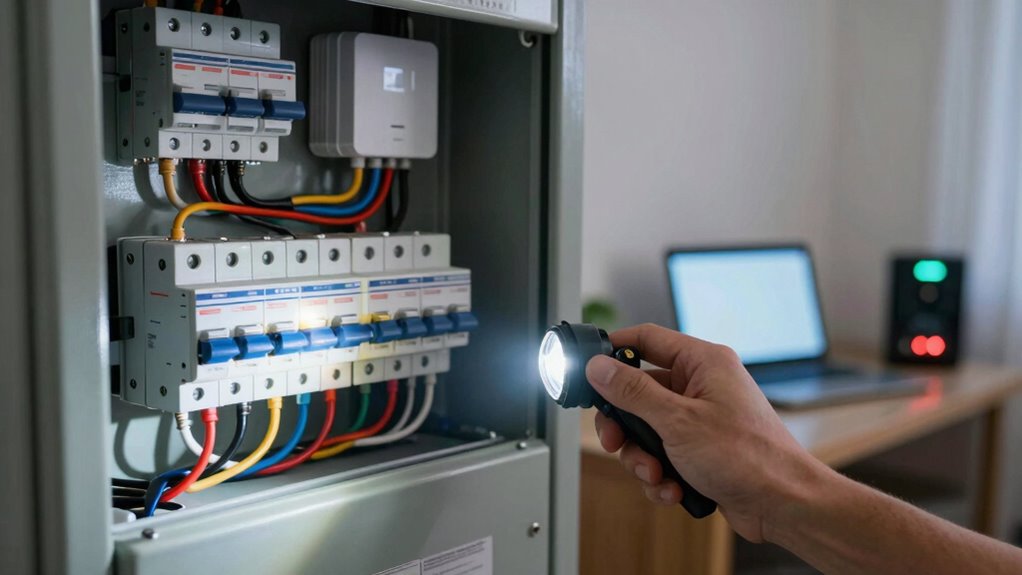
To decide what needs backup power first, prioritize essential medical devices like oxygen concentrators and dialysis equipment, as failure can be life-threatening. Next, focus on communication tools such as cell phones and radios to stay informed and call for help. Then, consider crucial home systems like water pumps and heating or cooling to protect health and property. By following these steps, you’ll be prepared for emergencies and can learn more about effective planning along the way.
Listen free for 30 days with Audible
Thousands of audiobooks and originals — cancel anytime.
As an affiliate, we earn on qualifying purchases.
Key Takeaways
- Prioritize life-saving medical devices and essential health equipment to ensure safety during outages.
- Assess the criticality of communication devices to maintain contact with emergency services and loved ones.
- Focus on powering refrigeration and water systems to prevent health risks and property damage.
- Calculate the power needs of devices and choose backup solutions accordingly for reliable support.
- Address secondary needs like lighting and entertainment only after securing critical safety and health priorities.
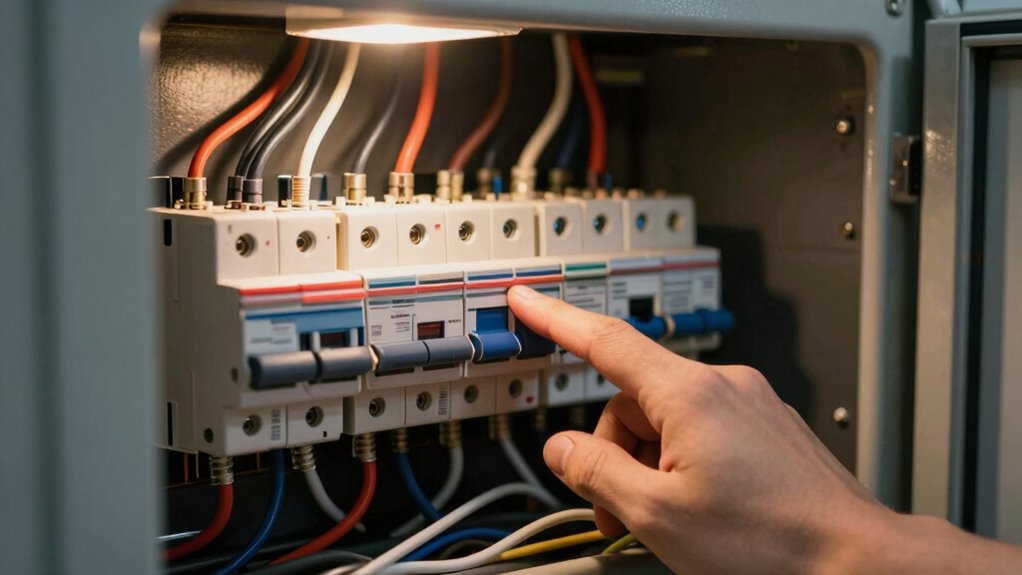
When a power outage hits, knowing what to prioritize for backup power can make all the difference. In times like these, your emergency preparedness and power outage planning skills are essential. Deciding what needs backup power first isn’t just about convenience; it’s about safety, health, and maintaining necessary functions. You need a clear strategy to determine which appliances and systems are non-negotiable, especially if outages last for hours or days.
Start by evaluating your home’s critical needs. The first items to consider are those that keep you safe and healthy. Medical devices like oxygen concentrators, CPAP machines, or dialysis equipment should always have backup power, as their failure could be life-threatening. Next, focus on your heating or cooling systems. If you live in an area with extreme temperatures, preserving your indoor climate becomes a priority to prevent health issues like heatstroke or hypothermia. If you have a sump pump or water well, these are essential too, especially in flood-prone areas, because they protect your property from water damage and ensure access to clean water.
Prioritize medical devices, heating or cooling, and water systems to ensure safety and health during power outages.
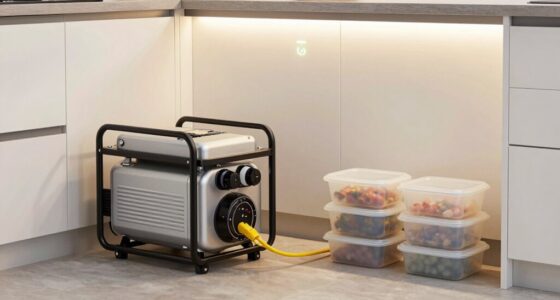
Your power outage planning should also factor in communication devices. Keep your cell phones, tablets, or radios charged so you can stay informed, call for help, or coordinate with others. After securing safety and communication, turn your attention to your home’s lighting and refrigeration. Battery-powered lights and portable generators can help you maintain a semblance of normalcy and keep food from spoiling, but they shouldn’t take priority over safety-critical devices.
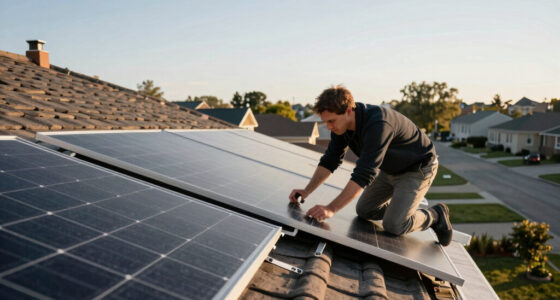
Additionally, understanding the importance of projector technology in home entertainment systems can enhance your overall emergency preparedness by allowing you to create a comfortable environment during extended outages. As you map out your emergency preparedness plan, consider the capacity of your backup power sources. For smaller outages, a portable generator might suffice, but for longer or more severe ones, a whole-house generator could be necessary. Think about the power requirements of each device—using a power audit can help you determine which appliances need priority. It’s important to plan for the worst-case scenario, so your backup system covers the most essential needs first. Recognizing the role of emerging trends in digital publishing can also help you access up-to-date information and resources to improve your preparedness.
In essence, your goal during power outage planning is to protect life, health, and property. Prioritize equipment that ensures safety, health, and communication. Keep your emergency preparedness strategies adaptable enough to evolve as the situation changes. Having a well-thought-out plan means you’re not caught off guard when the lights go out; instead, you’re ready to respond efficiently and effectively.
portable medical device backup power generator
As an affiliate, we earn on qualifying purchases.
As an affiliate, we earn on qualifying purchases.
Frequently Asked Questions
What Are the Most Common Devices That Require Backup Power?
During emergency preparedness, you prioritize devices essential for safety and communication. Most common devices needing backup power include your refrigerator, medical equipment, cell phones, and communication devices. Power outage protocols emphasize keeping these devices operational to guarantee safety and connectivity. You should also consider backup power for security systems and essential lighting. By focusing on these, you stay prepared and minimize disruptions during power outages, ensuring safety and continuity.
How Do I Calculate My Total Backup Power Needs?
Irony aside, calculating your backup power needs isn’t rocket science. You simply list your essential devices, note their power consumption, and add up their wattage. Consider battery capacity to determine how long your backup can run and include a safety margin for power surges. This way, you guarantee your critical devices stay powered during outages, avoiding surprises when you realize your backup falls short at the worst moment.
Are There Specific Safety Considerations for Backup Power Systems?
Yes, there are specific safety considerations for backup power systems. You should follow safety protocols to prevent electrical hazards, such as proper grounding and regular inspection. Maintenance procedures are essential to keep the system functioning safely, including testing backup batteries and inspecting connections. Always guarantee that trained professionals handle installations and repairs to avoid accidents, and keep emergency shut-off switches accessible in case of emergencies.
How Often Should I Test My Backup Power System?
You should test your backup power system at least once every three to six months to guarantee it’s reliable when needed. Regular testing helps you monitor battery lifespan and catch issues early. Follow a maintenance schedule that includes inspecting connections, testing the battery, and verifying system operation. Consistent testing and maintenance keep your backup power ready, so it will perform properly during an outage, providing peace of mind.
Can I Prioritize Backup Power for Outdoor Equipment?
Ever wonder if outdoor power tools deserve backup priority? Yes, you can prioritize outdoor equipment in your backup power plan. Incorporate outdoor power into your priority planning, especially if it’s essential for safety or work. Consider factors like seasonal needs or critical tasks. By doing so, you guarantee outdoor power gets backed up first, keeping your outdoor activities or essential outdoor functions running smoothly during outages.
home backup generator for power outages
As an affiliate, we earn on qualifying purchases.
As an affiliate, we earn on qualifying purchases.
Conclusion
Prioritizing backup power is like tending a garden—you focus on the most crucial plants first, ensuring their survival before moving to the less critical ones. By evaluating your essential needs and considering the impact of outages, you can create a clear plan that keeps your important systems running smoothly. Remember, a well-thought-out backup strategy protects your home or business from unexpected disruptions, just as a sturdy fence guards a precious garden.
solar-powered water pump backup system
As an affiliate, we earn on qualifying purchases.
As an affiliate, we earn on qualifying purchases.
As an affiliate, we earn on qualifying purchases.
NFL season / tailgating Picks
team gear
As an affiliate, we earn on qualifying purchases.