
TL;DR

Get backup power and energy gear delivered free — and shop member deals
- Fast, free delivery on millions of items
- Access to Prime Big Deal Days deals on October 6–7
- Prime Video, Amazon Music and more included
A Hunker report describes fiber cement siding as an alternative to wood that can resist moisture, rot and pests while reducing recurring maintenance. It may cost more initially—reported at $7 to $18 per square foot in some areas—and installation is best handled by a professional because the boards are heavy and brittle. Actual long-term savings depend on local prices, product choice and maintenance needs.
A Hunker report presents fiber cement siding as an alternative to wood that can reduce recurring maintenance by resisting moisture, rot and pests. The material may cost more to install at the outset, however, and the report advises hiring a professional because fiber cement is heavy and brittle.
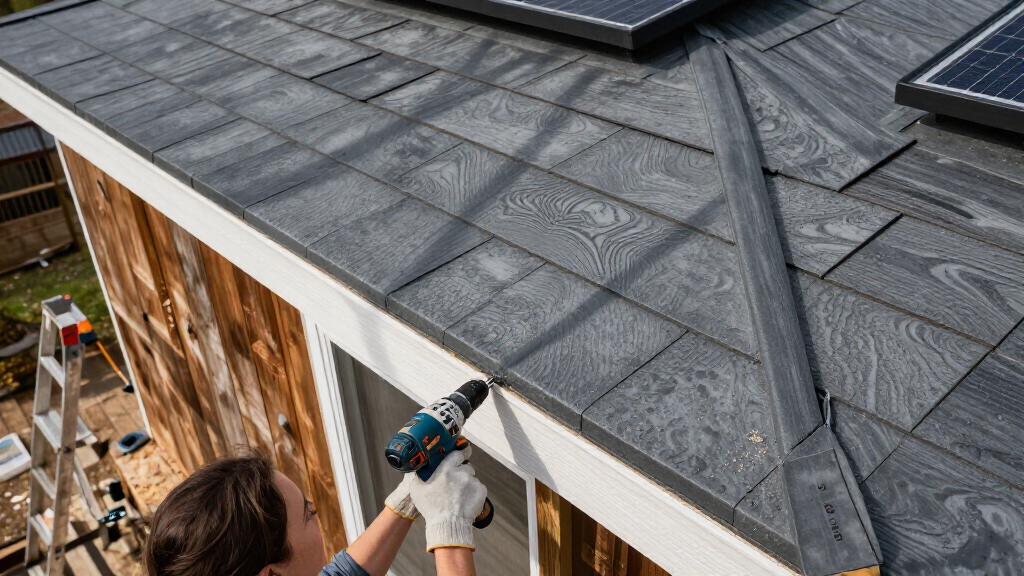
Fiber cement siding is made from Portland cement, sand and cellulose fibers. The report says it is designed to resemble wood while avoiding some of wood’s vulnerabilities, including warping and rot from moisture, fading after prolonged sun exposure, and damage from pests such as termites and woodpeckers. These are general material characteristics, not a guarantee that every product or installation will perform identically.
Many products have a factory-applied, baked-on finish, which the report describes as more durable than standard paint. It says some manufacturers offer warranties against fading for 15 or 25 years; warranty terms depend on the manufacturer and product. Factory-finished boards come in set color ranges, while pre-primed boards can be painted by the homeowner. The report also identifies lap, vertical and shingle-style designs.
The report gives a possible fiber cement price range of $7 to $18 per square foot in some areas, while emphasizing that cost varies by region and product line. It does not provide a direct, matched price comparison with wood, installation costs, or a calculation of lifetime savings. Its case for lower long-term expense rests on less frequent upkeep, such as occasional washing and spot cleaning, rather than a quantified cost study.
Upfront Price Versus Ongoing Upkeep
For homeowners planning a siding replacement, the choice affects both the initial project budget and the work required after installation. Wood can require repeated repainting or restaining, while the report says fiber cement’s finished surfaces can reduce that cycle. The value of the trade-off depends on local installation quotes, how often wood would otherwise need treatment, and the selected fiber cement finish.
Claims about durability should not be read as a promise that fiber cement needs no care or will always cost less over a home’s lifetime. The supplied report offers no independently verified lifetime-cost comparison. Homeowners should compare product warranties, preparation and installation costs, and expected maintenance for the specific materials available to them.
As an affiliate, we earn on qualifying purchases.
How Fiber Cement Differs From Wood
Wood remains a popular siding choice for its natural appearance, including on coastal cottages and rural homes, but its exposure to moisture and sunlight can create maintenance needs. Fiber cement aims to preserve some of that look through lap boards and shingle-style panels, while also offering vertical designs. Its ingredients and finish differ from solid wood, so installation and care requirements are not interchangeable.
The report’s recommendation is a consumer home-improvement assessment, not an announcement of a new product, regulation or independent testing result. Its claims about resistance and maintenance should be weighed alongside manufacturer specifications and local contractor advice. A warranty against fading, for example, does not by itself establish coverage for every type of damage or maintenance expense.
““Fiber cement siding is generally made with a factory-applied, baked-on finish.””
— Hunker report
As an affiliate, we earn on qualifying purchases.
What Lifetime Savings Depend On
The supplied material does not identify the date of the report or provide a location-specific estimate, a direct comparison of wood and fiber cement installation prices, or a modeled lifetime cost. It is therefore not possible to establish from this report alone that fiber cement will be cheaper for every homeowner. Actual expenses can vary with product, labor rates, home design and the condition of existing siding.
The source also does not name particular manufacturers or list the exclusions and conditions attached to the cited fade warranties. Its statements about reduced maintenance and resistance describe the material generally; performance depends on the product and installation. Homeowners should confirm warranty coverage and maintenance instructions directly with manufacturers and contractors.
As an affiliate, we earn on qualifying purchases.
Compare Quotes Before Choosing
Homeowners considering a replacement can request written estimates for both wood and fiber cement, including materials, removal, installation, finishing and expected maintenance. They should compare warranties and verify that quotes cover the details of their specific home rather than relying on a broad per-square-foot range.
Because the report says fiber cement is heavy and brittle, it recommends professional installation rather than a do-it-yourself approach. The next practical step is to consult qualified siding contractors about handling, installation methods and product suitability, then compare the full costs before choosing a material.
As an affiliate, we earn on qualifying purchases.
Key Questions
Is fiber cement siding always cheaper than wood?
No. The report says it may have a higher upfront cost and gives a range of $7 to $18 per square foot in some areas. It does not provide a universal wood comparison or prove that fiber cement costs less over every home’s lifetime.
What is fiber cement siding made of?
The report describes it as a composite of Portland cement, sand and cellulose fibers, made in styles intended to resemble wood siding.
Does fiber cement need no maintenance?
No. The report says upkeep may be limited to occasional washing or spot cleaning, but homeowners should follow the care instructions for their specific product and check its warranty terms.
Why does the report recommend professional installation?
Fiber cement is described as heavier and more brittle than wood, making it harder to handle. The report advises hiring a professional rather than attempting installation without appropriate experience.
Source: rss
Fall Picks
fall essentials
As an affiliate, we earn on qualifying purchases.