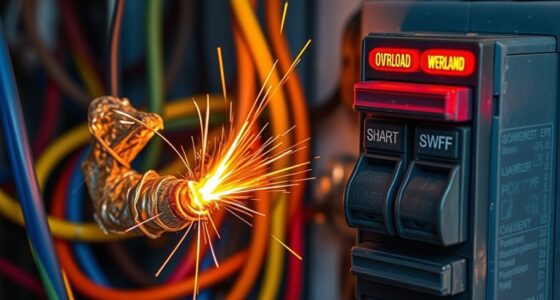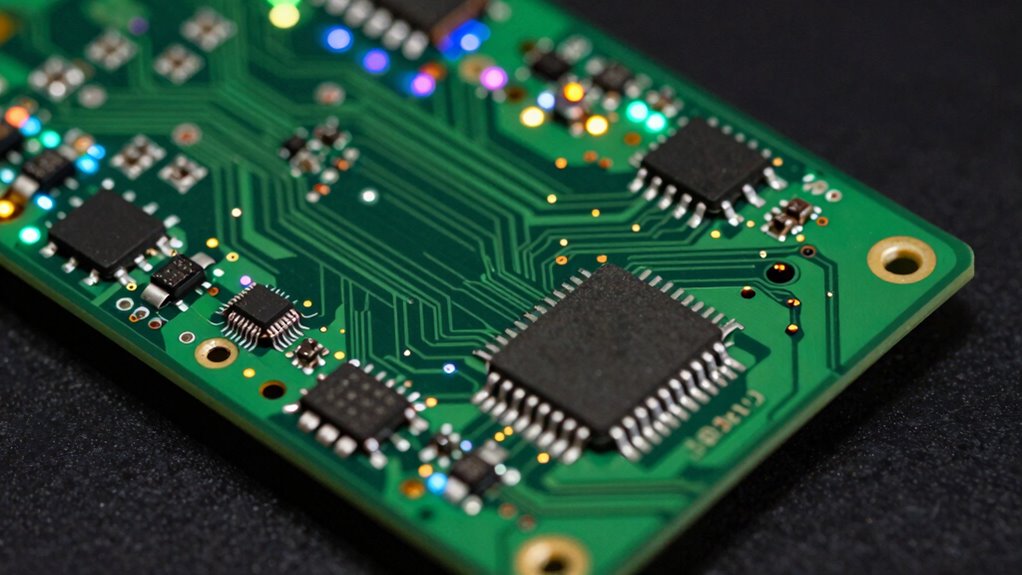

A circuit is a network of interconnected components that directs electrical energy to perform specific functions. It enables devices from smartphones to industrial machinery to operate reliably by regulating voltage and ensuring signal integrity. Proper circuit design and quality materials help prevent malfunctions and improve durability. Understanding how circuits work is key to grasping modern technology’s core. If you keep exploring, you’ll discover even more about how these essential systems keep everything running smoothly.

Get backup power and energy gear delivered free — and shop member deals
- Fast, free delivery on millions of items
- Access to Prime Big Deal Days deals on October 6–7
- Prime Video, Amazon Music and more included
Key Takeaways
- A circuit is a pathway that directs electrical energy to perform specific functions in devices.
- Circuits enable controlled, reliable electricity flow essential for device performance.
- They incorporate components like resistors, capacitors, and transistors to maintain stability.
- Proper circuit design ensures voltage regulation and signal integrity, preventing malfunctions.
- Circuits are fundamental to modern electronics, powering communication, entertainment, and industrial systems.
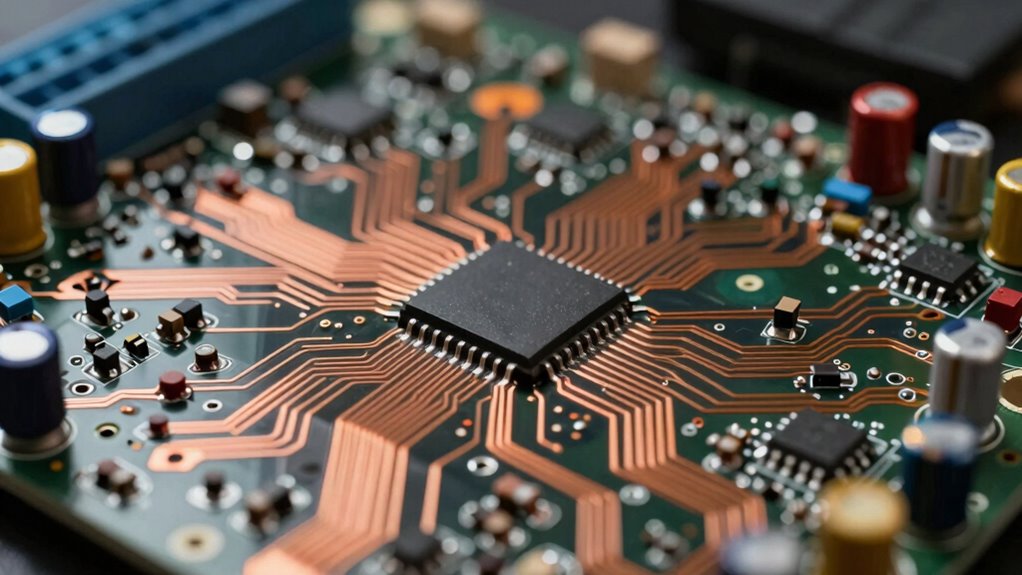
Ever wondered how electronic devices work at their core? At the heart of every gadget, from your smartphone to complex industrial machinery, lies a circuit. Think of a circuit as a carefully designed pathway that directs electrical energy to perform specific functions. It’s not just about connecting wires; it’s about creating a controlled environment where electricity flows efficiently and reliably. This control hinges on two essential concepts: voltage regulation and signal integrity. Voltage regulation ensures that your device receives a steady, consistent voltage, preventing fluctuations that could cause malfunction or damage. Without proper regulation, your device might turn off unexpectedly, or its performance could become erratic. Signal integrity, on the other hand, guarantees that the data signals traveling through the circuit remain clear, accurate, and free from interference. This is critical because corrupted signals can lead to errors, crashes, or misinterpretations within your device’s processes.
When you look inside a circuit, you’re fundamentally seeing a complex network of components working together to maintain these core principles. Voltage regulation is achieved through devices like voltage regulators and transformers, which smooth out power supply inconsistencies and deliver a stable voltage. This stability is foundational because electronic components are sensitive; even slight voltage variations can impact their operation. Proper routing of wires, the use of filtering components, and grounding strategies all contribute to preserving the purity of signals. Think of it like a well-orchestrated dance—each part has a role in ensuring the flow remains smooth and reliable. Additionally, understanding circuit design helps in creating systems that are both efficient and resilient against disturbances. Recognizing the importance of component selection is also vital in optimizing circuit performance. Employing proper grounding techniques plays a crucial role in maintaining signal integrity and reducing noise within the circuit. A thorough understanding of electrical principles can also aid in troubleshooting and improving circuit reliability. Furthermore, using high-quality materials and components can significantly enhance the overall circuit durability.
Understanding what a circuit is and why it matters helps you appreciate the behind-the-scenes work that keeps your devices functioning seamlessly. Without well-designed circuits, voltage regulation wouldn’t be possible, and signals would quickly become compromised. This would lead to unreliable devices that fail to perform their intended tasks accurately. Whether you’re designing a new product or troubleshooting an existing one, grasping these core concepts makes a difference. It’s about creating systems where electricity flows just right—neither too weak nor too strong—and signals reach their destination intact. Ultimately, a good circuit is the backbone of all modern electronics, shaping the way we communicate, work, and entertain ourselves every day.
voltage regulator for electronics
As an affiliate, we earn on qualifying purchases.
As an affiliate, we earn on qualifying purchases.
Frequently Asked Questions
How Do Circuits Differ From Simple Electrical Connections?
Circuits differ from simple electrical connections because they involve a complete pathway for energy flow, allowing electricity to circulate continuously. Simple connections might just link components briefly, but circuits are designed with complexity, including multiple components and pathways that control how energy moves. This complexity guarantees devices work efficiently and safely, making circuits essential for managing energy flow in everything from household electronics to advanced technology systems.
What Are the Common Types of Electrical Circuits?
Think of electrical circuits as roads connecting various destinations. Common types include series circuits, where components line up like cars on a single lane, and parallel circuits, like multiple lanes allowing free flow. You’ll recognize them by circuit components and electrical symbols, guiding your understanding of how current moves. These types help you design and troubleshoot systems, ensuring everything runs smoothly, much like well-planned traffic keeps a city moving.
How Is a Circuit Designed for Safety?
You design a circuit for safety by incorporating fault tolerance features, guaranteeing it can handle potential faults without failure. You follow strict safety standards, such as proper grounding and insulation, to prevent accidents. Using circuit breakers and fuses helps protect against overloads and short circuits. Regular testing and maintenance also guarantee your circuit remains safe over time, reducing risks and guaranteeing reliable operation for users.
Can Circuits Be Repaired or Modified Easily?
Yes, circuits can often be repaired or modified easily, especially if you have some knowledge of faulty wiring and circuit troubleshooting. You’ll need to identify the problem area, which might involve inspecting connections or testing components. With the right tools and skills, you can replace damaged parts, rewire connections, or upgrade sections of the circuit. Always prioritize safety and consider consulting a professional if you’re unsure about the process.
What Role Do Resistors and Capacitors Play in Circuits?
Ever wondered how circuits control electricity? Resistors limit current, performing resistor functions that prevent damage and control voltage. Capacitors store and release energy, influencing capacitor behavior in timing and filtering tasks. These components work together to guarantee circuits operate smoothly and efficiently. Without resistors and capacitors, electronic devices wouldn’t function as reliably or precisely, highlighting their essential role in shaping circuit behavior and performance.
As an affiliate, we earn on qualifying purchases.
Conclusion
Think of a circuit like a busy city’s transportation system. Every wire, switch, and component is a road or a traffic signal guiding energy smoothly from one place to another. When everything works together, it’s like a well-orchestrated commute, powering your devices effortlessly. But if one part fails, traffic jams happen. Understanding circuits helps you keep this city running, ensuring your world stays connected and energized—making you the master of your own energy highway.
As an affiliate, we earn on qualifying purchases.
As an affiliate, we earn on qualifying purchases.
Halloween Picks
halloween
As an affiliate, we earn on qualifying purchases.