
TL;DR

Get backup power and energy gear delivered free with Prime
- Fast, free delivery on millions of items
- Prime Video, Amazon Music and more included
- Member-only deals all year
Earthcore’s VMASS is a variable makeup-air system described in a GreenBuildingAdvisor report published October 7, 2026. The system measures indoor and outdoor pressure and varies the supply of outdoor air as exhaust equipment operates; performance, availability and installation details were not provided in the report.
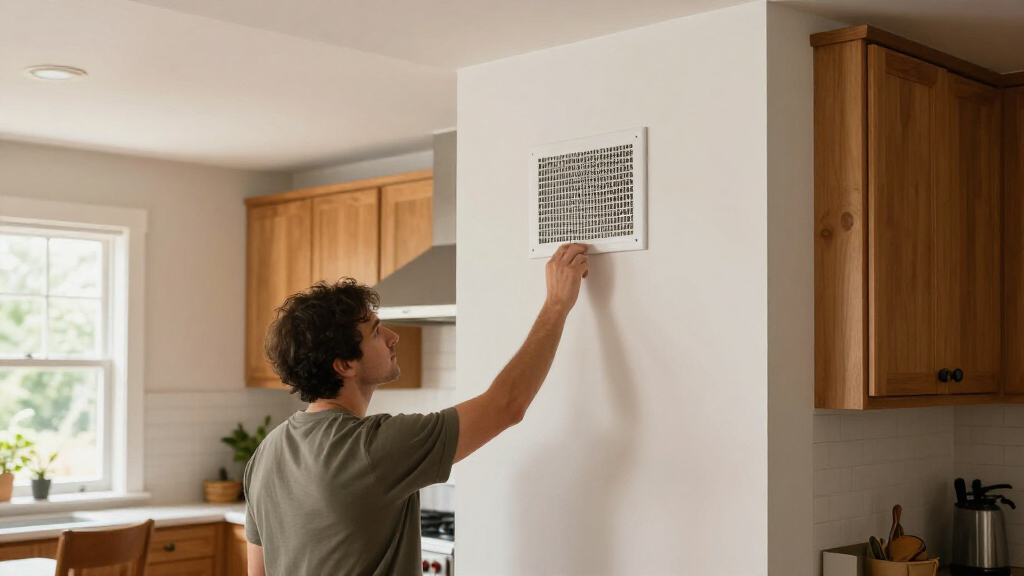
Earthcore has introduced VMASS, a variable makeup-air system intended to address pressure changes in tighter homes by measuring indoor and outdoor pressure and varying incoming outdoor air as exhaust loads change. The system matters because powerful kitchen or bathroom exhaust can depressurize a home, with potential consequences for fireplaces and other atmospherically vented appliances.
GreenBuildingAdvisor reported the product announcement on October 7, 2026, in a report by Randy Williams. VMASS stands for Variable Makeup Air Supply System and is part of Earthcore’s X-Ventiso mechanical venting line. The report describes its operating approach: it measures pressure indoors and outdoors, then varies the amount of makeup air supplied as exhaust equipment changes the home’s air balance.
The report does not provide technical specifications, pricing, installation requirements or independent performance results. It also does not say how quickly the system responds, what pressure range it targets or which exhaust devices it can coordinate with. The available information establishes the system’s stated design, not its measured effectiveness in particular homes.
Earthcore is also associated with Isokern wood- and gas-burning fireplaces and makes mechanical draft equipment and automatic and manual sealed dampers for round flues under its X-Ventiso line. Those dampers are described as limiting uncontrolled airflow through a chimney when a fireplace is not in use. VMASS addresses a related pressure concern by controlling outdoor air entering the building.
Pressure Control Around Exhaust Fans
In a tight home, replacement air may not enter easily through gaps in the building enclosure. When exhaust equipment removes indoor air faster than outdoor air can enter, the home can become depressurized. The practical concern is not limited to comfort: the report says negative pressure can contribute to smoke spilling into a room when a woodstove door is opened, and it identifies atmospherically vented water heaters, boilers, furnaces, fireplaces and woodstoves as relevant appliances.
A pressure-responsive makeup-air approach could reduce reliance on occupants remembering to open a window or turn off an exhaust fan. That is particularly relevant when a different household member, guest or future owner operates the equipment. However, the report does not establish that VMASS prevents backdrafting or is suitable for every home; those questions depend on product details and installation conditions that were not included.
As an affiliate, we earn on qualifying purchases.
Why Tight Homes Need Replacement Air
Exhaust fans and range hoods move indoor air outside, and replacement air must enter from somewhere. In a leaky home, it may pass through cracks and other gaps in the building enclosure. As homes become tighter, those incidental pathways are more restricted, so operating a powerful exhaust fan—or several smaller fans together—can create a pressure imbalance.
Williams describes cases in which a bath fan or range hood was running when someone opened a woodstove door and smoke entered the home. The report says occupants may learn to switch off the fan or open a window, but points out that this depends on people remembering to take those steps. It presents VMASS as a mechanical approach to supplying outdoor air rather than relying on that behavior.
Earthcore’s other venting products address chimney airflow, including sealed dampers that limit air movement through an unused flue. The report places VMASS alongside those products but does not describe it as a replacement for appliance-specific venting or safety measures.
“VMASS measures indoor and outdoor pressure and varies makeup airflow as exhaust loads change.”
— GreenBuildingAdvisor, reporting on Earthcore’s product
makeup air supply system for tight homes
As an affiliate, we earn on qualifying purchases.
As an affiliate, we earn on qualifying purchases.
Product Performance Details Not Reported
The report does not state when VMASS will be available, what it costs, how it is installed or whether it requires particular controls or sensors beyond pressure measurement. It provides no test data, performance ratings or independent assessment of how effectively the system maintains pressure under different exhaust loads.
It is also unclear which home sizes, layouts or appliances the system is intended to serve, and whether it works with existing ventilation equipment. The report does not establish that the product can prevent smoke spillage or backdrafting in every installation. Those outcomes can depend on the home, the vented appliance, the exhaust setup and how the system is designed and installed.
As an affiliate, we earn on qualifying purchases.
Awaiting Specifications and Testing
The next useful information for homeowners and building professionals will be product specifications, installation guidance and availability from Earthcore. Details on compatible exhaust equipment, control settings, commissioning and testing would help clarify how the system is meant to be applied.
Until those details and performance evidence are available, the announcement supports a limited conclusion: VMASS is designed to vary makeup airflow in response to pressure and exhaust loads. Readers should not treat the report as proof that the system resolves pressure-related safety risks in every home.
As an affiliate, we earn on qualifying purchases.
Key Questions
What is Earthcore’s VMASS?
VMASS means Variable Makeup Air Supply System. GreenBuildingAdvisor reports that it measures indoor and outdoor pressure and varies the outdoor air supplied as exhaust loads change.
Why can exhaust fans affect pressure in a tight home?
Exhaust fans remove indoor air. If replacement air cannot enter readily through the building enclosure, the home may become depressurized. The report identifies this as a concern around fireplaces and other atmospherically vented appliances.
Does the report show that VMASS prevents smoke or backdrafting?
No. It describes the system’s intended approach but provides no performance testing or guarantee that it prevents smoke spillage or backdrafting in particular homes.
Are price and installation details available?
The GreenBuildingAdvisor report does not give pricing, availability or installation requirements. Those details remain unclear from the source material.
Source: rss
Halloween Picks
halloween
As an affiliate, we earn on qualifying purchases.