
TL;DR

Get backup power and energy gear delivered free with Prime
- Fast, free delivery on millions of items
- Prime Video, Amazon Music and more included
- Member-only deals all year
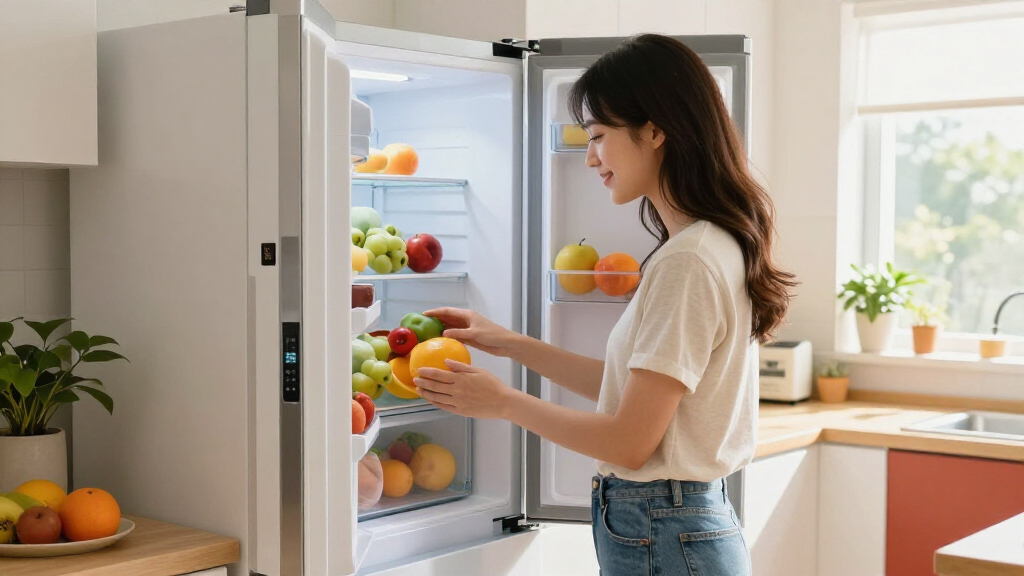
Fridge rentals are rising sharply across Delhi, Chennai, Bangalore, and Hyderabad in 2026. Rentomojo reports increased demand for affordable, short-term appliance leasing, reflecting changing consumer preferences.
Fridge rental services are experiencing a significant rise across Delhi, Chennai, Bangalore, and Hyderabad in 2026, driven by consumers seeking affordable and flexible household appliance options. Rentomojo, a leading rental platform, reports a surge in demand for their refrigerator plans, which now average around ₹524 per month, with a minimum three-month commitment and included free repairs. This trend marks a shift in household appliance consumption patterns in these urban centers, reflecting broader changes in consumer behavior and economic considerations.
According to Rentomojo, the demand for refrigerator rentals has increased by approximately 30% across the four cities since the start of 2026. The company attributes this rise to several factors, including the affordability of rental plans, the convenience of maintenance, and the flexibility they offer compared to outright purchases. The plans typically involve a minimum three-month tenure, with customers benefiting from free repairs and maintenance, making them attractive to young professionals and transient populations.
Local reports from Bangalore indicate that rental refrigerators are particularly popular among students, young couples, and small families who prefer not to invest heavily in appliances or face the hassle of ownership. The rental model also appeals to those uncertain about long-term commitments or planning to move within a few years. Rentomojo’s spokesperson stated, “Our rental plans are designed to provide affordable, hassle-free solutions for urban households, and we’re seeing strong growth in demand across these cities.”
Implications of the Growing Refrigerator Rental Market
The rise in fridge rentals signifies a broader shift toward flexible consumption models in India’s urban households. It reflects changing attitudes towards ownership, especially among younger consumers who prioritize convenience and cost savings. This trend could influence the traditional appliance retail sector, encouraging more companies to adopt rental or leasing options. Additionally, it indicates economic considerations, such as inflation and disposable income levels, are prompting consumers to seek more affordable household solutions.
Furthermore, the growth of rental services like Rentomojo may impact the second-hand appliance market and influence future product offerings from manufacturers, emphasizing durability and serviceability to support rental models. Policymakers and industry stakeholders may need to consider the implications for consumer rights, warranty services, and environmental sustainability as rental consumption expands.
As an affiliate, we earn on qualifying purchases.
Rental Appliance Market Trends in Indian Cities
The concept of renting household appliances has gained traction in India over recent years, driven by rising urbanization and changing consumer preferences. Rentomojo and similar platforms have introduced flexible, subscription-based models, initially focused on furniture and electronics, now expanding into appliances like refrigerators. Past data shows steady growth in rental appliance demand, but the current surge in 2026 marks a notable acceleration, especially in major metropolitan areas.
This shift is also linked to economic factors such as inflation, fluctuating disposable incomes, and the increasing cost of ownership. Additionally, the COVID-19 pandemic accelerated the adoption of rental and sharing economy models, which continue to influence consumer behavior. Prior to 2026, rental appliance services were more niche, but recent developments indicate mainstream acceptance in urban India.
“Our rental plans are designed to provide affordable, hassle-free solutions for urban households, and we’re seeing strong growth in demand across Delhi, Chennai, Bangalore, and Hyderabad.”
— Rentomojo spokesperson
As an affiliate, we earn on qualifying purchases.
Unconfirmed Aspects of the Rental Market Expansion
It is not yet clear whether the growth in refrigerator rentals will sustain beyond 2026 or if other cities will follow suit. The long-term impact on traditional appliance sales and the environmental implications of increased rental turnover remain under study. Additionally, the extent to which this trend is driven by economic factors versus cultural shifts is still being analyzed.
As an affiliate, we earn on qualifying purchases.
Upcoming Developments in Appliance Rental Services
Industry analysts expect rental platforms like Rentomojo to expand their offerings and geographic reach in the coming months. Regulatory considerations around consumer rights and warranty services may also influence the market. Stakeholders will likely monitor whether the trend continues to grow, stabilizes, or faces challenges from traditional retail or new competitors.
rent-to-own refrigerator Hyderabad
As an affiliate, we earn on qualifying purchases.
As an affiliate, we earn on qualifying purchases.
Key Questions
Why are more consumers choosing refrigerator rentals in 2026?
Consumers are opting for rentals due to affordability, convenience, free maintenance, and flexibility compared to outright purchases, especially in urban centers with transient populations.
Are rental refrigerators reliable and covered for repairs?
Yes, most rental plans include free repairs and maintenance, ensuring reliability without additional costs during the minimum three-month tenure.
Will this rental trend affect traditional appliance sales?
Potentially, as increased rental adoption could reduce outright purchases, prompting retailers and manufacturers to adapt their business models.
Is this trend limited to large cities or spreading to smaller towns?
Currently, the trend is concentrated in major metropolitan areas like Delhi, Chennai, Bangalore, and Hyderabad, with potential for expansion as demand grows.
What environmental impacts could result from increased appliance rentals?
This remains uncertain; while rentals could promote longer product use and recycling, increased turnover might also lead to more waste if not managed sustainably.
Source: local
Halloween Picks
halloween
As an affiliate, we earn on qualifying purchases.