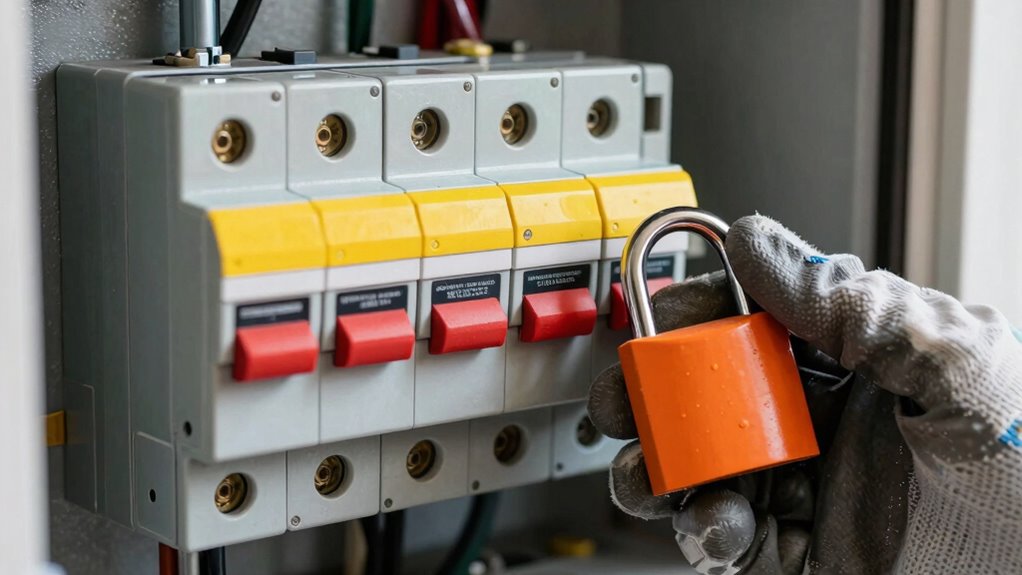

Lockout tagout means shutting off and securing electrical sources before you start home repairs, preventing accidental energization that could cause shocks, burns, or fires. It involves attaching tags or locks to warn others that work is in progress and guarantees power remains off during maintenance. This practice helps you control risks and protect loved ones while working safely. If you want to learn more about how to implement lockout tagout effectively, keep exploring these safety tips.

Get backup power and energy gear delivered free — and shop member deals
- Fast, free delivery on millions of items
- Access to Prime Big Deal Days deals on October 6–7
- Prime Video, Amazon Music and more included
Key Takeaways
- Lockout tagout prevents accidental energization of appliances during home repairs, reducing injury risks.
- It involves disconnecting and securing power sources with locks and tags to communicate ongoing maintenance.
- Implementing lockout tagout ensures consistent safety practices and enhances household emergency preparedness.
- It helps protect family members by clearly indicating when electrical work is in progress.
- Using lockout tagout transforms potentially hazardous tasks into safer, manageable procedures.
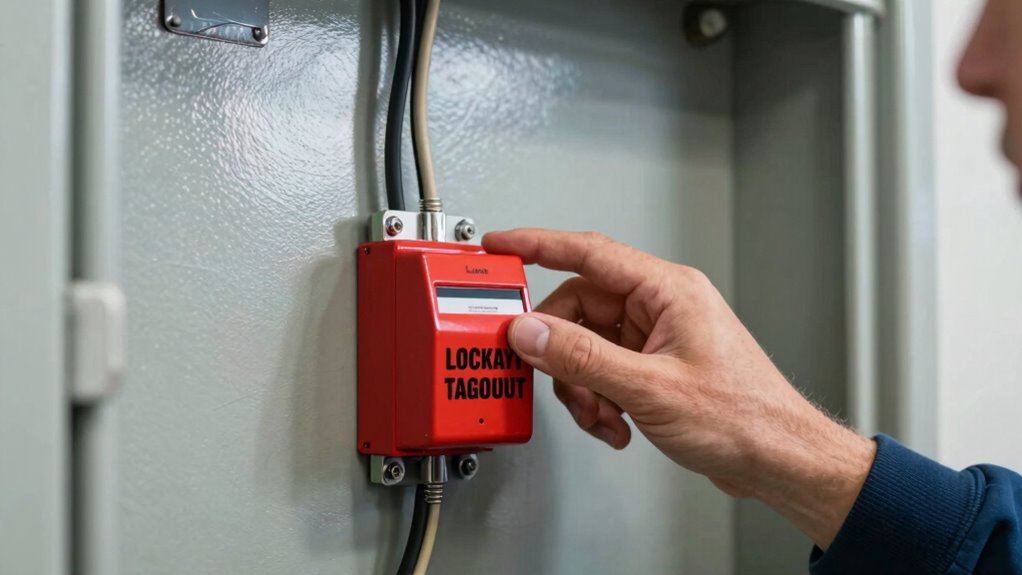
When you’re working on home repairs or maintenance, safety should always come first—especially when dealing with electrical appliances or machinery. One essential safety practice to consider is lockout tagout, which helps prevent electrical hazards. This method involves isolating power sources and attaching tags or locks to warn others that the equipment is being serviced. By doing so, you reduce the risk of accidental energization, which can cause severe injuries or even death. Implementing lockout tagout procedures at home may seem straightforward, but it’s a powerful step toward emergency preparedness. Knowing how to safely shut off and secure electrical devices means you’re better prepared to handle unexpected issues and avoid dangerous situations.
Electrical hazards are a significant concern when working with home appliances, wiring, or electrical panels. Without proper precautions, you could encounter shocks, burns, or fires. Lockout tagout ensures that power remains off during repairs, so you don’t have to worry about accidental activation. It also communicates clearly to anyone else in your household that work is in progress, preventing them from turning equipment back on unexpectedly. This simple step adds a layer of protection that’s often overlooked but essential for preventing electrical accidents. When you use lockout tags, you’re actively controlling the environment, making it safer for everyone involved. Incorporating proper safety procedures into your routine helps reinforce the importance of vigilance during maintenance tasks. Additionally, understanding the importance of safety protocols can help you stay consistent and thorough in your safety measures. Recognizing hazardous electrical conditions can further improve your ability to identify when safety measures are necessary. Familiarity with electrical basics also enhances your confidence and ability to recognize potential risks before they escalate.
Emergency preparedness ties directly into this safety practice. Having a plan for dealing with electrical emergencies means knowing how to quickly disconnect power and alert others if something goes wrong. Lockout tagout supports this by establishing a clear process for shutting down equipment safely. You should always keep your tools, tags, and locks organized and accessible, so you can act swiftly if an emergency arises. Additionally, understanding the importance of modern safety standards helps ensure your procedures are up to date. By integrating lockout procedures into your home maintenance routine, you’re not only reducing risks but also building confidence in your ability to handle unexpected situations. This proactive approach minimizes the chances of electrical fires or injuries, giving you peace of mind.
Ultimately, understanding what lockout tagout means for safer home work empowers you to take control of electrical safety. It transforms a potentially hazardous task into a manageable process, emphasizing the importance of safety protocols. Whether you’re replacing a switch, repairing wiring, or servicing an appliance, locking out power sources and tagging them is a simple yet effective safety measure. It guarantees that electrical hazards are minimized and that emergency preparedness is part of your routine. With these practices in place, you protect yourself and your loved ones from preventable accidents, making your home a safer place to work.
As an affiliate, we earn on qualifying purchases.
Frequently Asked Questions
Can Lockout Tagout Be Used on Household Appliances?
Yes, lockout tagout can be used on household appliances to improve appliance safety and prevent home hazards. When you perform maintenance or repairs, locking out appliances guarantees they can’t accidentally turn on, protecting you from injury. It’s especially useful for power tools, refrigerators, or washing machines. By using lockout tagout procedures, you create a safer environment at home, reducing the risk of electrical shocks or other accidents during appliance servicing.
What Tools Are Necessary for Lockout Tagout at Home?
To perform lockout tagout at home, you’ll need basic tools like padlocks and lockout tags to secure appliances. Wear personal protective equipment, such as gloves and safety glasses, to stay safe. Always prepare for emergencies by ensuring easy access to emergency shut-offs and having a plan in place. These tools and precautions help prevent accidents, making home work safer and more controlled.
How Often Should Lockout Procedures Be Reviewed?
Oh, surely you’re just breezing through lockout procedures every decade, right? In reality, you should review safety protocols and lockout procedures at least annually or whenever equipment changes occur. This keeps your safety measures sharp and effective. Neglecting this can turn routine maintenance into a hazardous gamble. Regular reviews guarantee your safety protocols stay relevant, preventing accidents, and keeping your home workspace as safe as a fortress.
Is Lockout Tagout Legally Required for Home Repair Projects?
Lockout tagout isn’t legally required for most home repair projects, but it’s essential for home safety and legal compliance when working with electrical, plumbing, or machinery. Using lockout tagout procedures helps prevent accidents and guarantees you follow safety standards. Even if not mandated by law, applying these safety measures reduces risks, demonstrates responsible home maintenance, and keeps you compliant with safety guidelines, especially when others may be affected by your work.
Can Children Understand Lockout Tagout Safety Measures?
Did you know that children are four times more likely to get injured at home during DIY projects? Yes, children can understand basic lockout tagout safety measures with proper guidance. As a parent, your supervision is essential; teaching them about child safety and the importance of avoiding tools or equipment that are locked out helps prevent accidents. Engage them in simple safety lessons to foster awareness and protect your little ones.
As an affiliate, we earn on qualifying purchases.
Conclusion
By understanding lockout tagout, you take control of your home safety. You prevent accidents and protect loved ones from harm by properly securing or disconnecting dangerous equipment. Isn’t your family worth the extra step to guarantee everyone’s safety? Taking these simple precautions can make a big difference. So, why wait until an accident happens? Stay proactive, stay safe, and keep your home a secure space for all.
As an affiliate, we earn on qualifying purchases.
As an affiliate, we earn on qualifying purchases.
Fall Picks
fall essentials
As an affiliate, we earn on qualifying purchases.