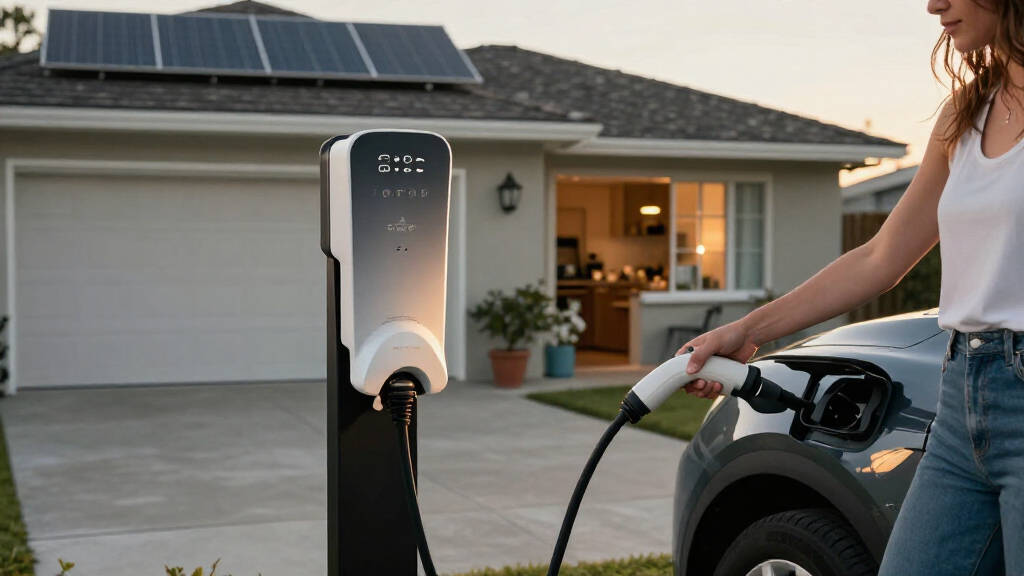
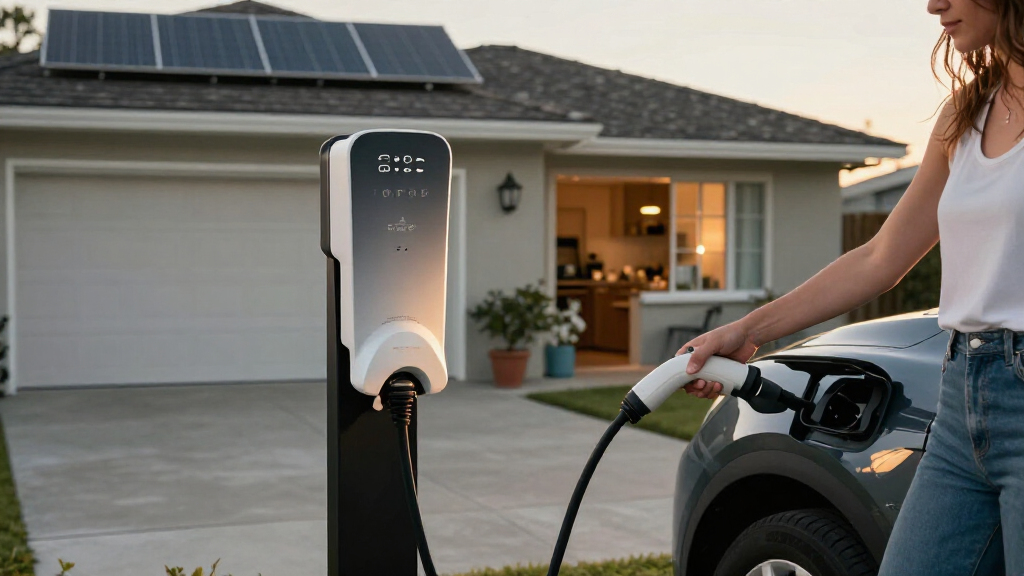
Choosing the best bidirectional EV chargers requires balancing power output, smart grid compatibility, and installation complexity. My top pick is the Enphase IQ EV Charger 2 for its seamless integration with home energy systems and robust bidirectional capabilities. For those needing higher amperage, the Autel MaxiCharger offers exceptional flexibility with its 50A hardwired design and extensive Wi-Fi features. The main tradeoff in this category lies between easy plug-and-play setups and more complex hardwired units that unlock full vehicle-to-grid (V2G) potential. This guide breaks down the specific strengths of each model to help you decide which charger fits your electrical panel and lifestyle.

Get backup power and energy gear delivered free with Prime
- Fast, free delivery on millions of items
- Prime Video, Amazon Music and more included
- Member-only deals all year
Key Takeaways
- Hardwired units generally offer more stable bidirectional communication than plug-in models.
- NACS (J3400) connectors are becoming the future standard but limit current vehicle compatibility.
- Wi-Fi connectivity is mandatory for most bidirectional features to manage load balancing.
- Commercial-grade chargers provide higher amperage but require specialized installation.
- Brand ecosystem integration (like Enphase with solar) often dictates the best choice for V2G.


| bidirectional EV charger | Cable length | Warranty | Connector |
|---|---|---|---|
| Enphase IQ EV Charger 2 | 25 ft | 5 years | J1772 |
| Grasside Level 2 EV Charger | 25 ft | 3 years | J1772 |
| Enphase IQ EV Charger 2 | 25 ft | 5 years | — |
| IYILO Level 2 EV Charger | 25 ft | 3 years | NACS (J3400) |
| Autel MaxiCharger Level 2 50A | 25 ft | 3 years | J1772 |
| ChargePoint HomeFlex Level 2 E | 23 ft | 3-year parts warranty | J1772 |
| TopAutoGear 50A Level 2 EV Cha | 25 ft | 3 years | J1772 |
| REV+ Dual-Port Level 2 EV Char | 18 ft | 5 years | J1772 |
| EVIQO Level 2 EV Charger | 25 ft | 3 years | J1772 |
| Seguma Level 2 EV Charger | 25 ft | — | NACS |
| Hicrab Level 2 J1772 EV Charge | 25 ft | — | J1772 |
| ELEGRP Level 2 Portable EV Cha | 25 ft | 2 Years | — |
| Emporia Level 2 WiFi EV Charge | 25 ft | 3 Years | — |
| Leviton EV40P Smart Level 2 EV | 25 ft | — | — |
| Disaenco Portable Level 2 EV C | — | 2 Years | — |
More Details on Our Top Picks
Enphase IQ EV Charger 2, 40A Level 2 EV Charger with J1772 Connector
The Enphase IQ EV Charger 2 is the clearest fit here for homeowners who want their charging routine tied to solar power. Its solar charging support, app controls, and adjustable output can help coordinate charging with home energy use and avoid overloading a circuit. At 40A and 9.6 kW, it offers the same stated maximum output as the plug-in Grasside, but Enphase adds a five-year warranty and built-in electrical protections. The tradeoff is that its J1772 connector may call for an adapter with vehicles using another inlet, and it has only one port. Most important for this roundup, the listed capabilities describe one-way Level 2 charging—not vehicle-to-home or vehicle-to-grid power export—so buyers seeking true bidirectional charging should not treat it as a bidirectional unit.
Pros:- Solar charging support can help align EV charging with home solar production.
- Adjustable power can help reduce the risk of overloading a circuit.
- App or RFID access offers a choice of ways to restrict use.
- Five-year warranty and built-in electrical protections.
Cons:- The listed features do not provide bidirectional power export.
- J1772 may require an adapter for vehicles with a different charging inlet.
- One charging port serves only one vehicle at a time.
Best for: Solar-equipped homeowners who want a connected J1772 charger with adjustable charging and access controls.
Not ideal for: Drivers specifically seeking vehicle-to-home or vehicle-to-grid power, or households needing two charging ports.
- Maximum power:9.6 kW
- Current:40 A
- Output voltage:240 V
- Connector:J1772
- Plug:NEMA 14-50
- Cable length:25 ft
- Connectivity:Wi-Fi and Bluetooth
- Warranty:5 years
Our verdict“Choose it for solar-aware, single-vehicle charging, but skip it if bidirectional power flow is a firm requirement.”
Grasside Level 2 EV Charger, 40A, 9.6 kW, J1772, NEMA 14-50 Plug, 25 ft Cable
For a driver who already has a suitable outlet, the Grasside 40A offers a practical plug-in setup with several ways to manage charging: app, RFID, screen controls, or plug-and-charge. Its adjustable current and scheduling give it more day-to-day control options than the hardwired IYILO, while the 25-foot cable helps when the parking spot is not close to the outlet. The metal enclosure and IP65 rating are useful for a range of garage and outdoor settings, though the unit still depends on a compatible NEMA 14-50 outlet on a 50A circuit. Its three-year warranty is shorter than the Enphase IQ EV Charger 2’s five years. The product data describes standard Level 2 charging, not bidirectional power export, so it is not a match for buyers who need an EV to supply a home or grid.
Pros:- Plug-in installation avoids a hardwired charger setup when a compatible outlet is already available.
- App current adjustment, schedules, and charging status monitoring offer useful control.
- App, RFID, screen button, and plug-and-charge modes suit different household routines.
- IP65-rated enclosure and metal case support indoor or outdoor placement.
Cons:- Requires a compatible NEMA 14-50 outlet on a 50A circuit.
- Tesla adapter is not included, and app control requires 2.4 GHz Wi-Fi.
- Three-year warranty is shorter than the Enphase IQ EV Charger 2 warranty, and bidirectional operation is not listed.
Best for: EV owners with a compatible 50A NEMA 14-50 circuit who want scheduling and multiple access methods without hardwiring.
Not ideal for: Buyers without the required outlet, Tesla drivers without a separate adapter, or anyone seeking vehicle-to-home power.
- Maximum current:40 A
- Maximum power:9.6 kW
- Connector:J1772
- Plug type:NEMA 14-50P
- Cable length:25 ft
- Current settings:10–40 A by app; 16/24/32/40 A by screen button
- Connectivity:2.4 GHz Wi-Fi
- Warranty:3 years
Our verdict“Pick Grasside if you want a feature-rich plug-in charger and already have the specified circuit, not if you need bidirectional charging.”
Enphase IQ EV Charger 2, 80A Commercial Level 2 EV Charger
The commercial Enphase IQ EV Charger 2 is built for sites where fast vehicle turnaround and charger-system integration matter more than a simple home plug-in setup. Its 22.1 kW maximum output is well above the 9.6 kW Grasside and residential Enphase models, while built-in 4G LTE avoids dependence on site Wi-Fi. OCPP support, API integration, and local energy management give fleet operators and building managers more options for coordinating charging and managing loads. That capability comes with a firm installation tradeoff: this is a hardwired, 240 V unit, not a portable or outlet-based charger. The listed data also describes Level 2 charging, not bidirectional export, despite the roundup topic; buyers seeking vehicle-to-grid or backup power should look for explicit support for those functions rather than assume it here.
Pros:- Up to 22.1 kW output supports faster charging than the 9.6 kW residential options in this batch.
- Built-in 4G LTE keeps the charger connected without site Wi-Fi.
- OCPP and API support can fit fleet and building charging systems.
- Local energy management can support load control during cloud interruptions.
Cons:- Hardwired installation makes it less suitable for simple residential setup or relocation.
- Requires 240 V electrical input and infrastructure suited to its high output.
- Bidirectional power export is not listed, so it does not establish vehicle-to-grid capability.
Best for: Fleet operators and commercial property managers who need high-output charging with cellular connectivity and system integration.
Not ideal for: Homeowners wanting a plug-in installation, drivers with lower-capacity electrical service, or buyers requiring confirmed vehicle-to-home or grid export.
- Maximum power:22.1 kW
- Maximum current:Up to 80 A
- Input voltage:240 V
- Installation:Hardwired
- Connectivity:4G LTE cellular and Wi-Fi
- Protocols:OCPP 1.6J and OCPP 2.0.1
- Cable length:25 ft
- Warranty:5 years
Our verdict“Choose this Enphase model for integrated commercial charging at high power, but not as a confirmed bidirectional charger.”
IYILO Level 2 EV Charger, 48A, 11.5 kW, NACS (J3400)
The IYILO stands out for drivers who want a native NACS (J3400) connector and a hardwired charger with more output than the 40A models. At up to 11.5 kW, it sits between the residential Enphase and Grasside chargers at 9.6 kW and the commercial Enphase unit at 22.1 kW. Its power sharing for two chargers can also help households plan a second charging point without treating each unit as an independent full-load circuit. The 25-foot cable and connector temperature monitoring add useful everyday flexibility and protection. Buyers give up the Grasside’s plug-in convenience: IYILO requires a licensed electrician and a 60A breaker. Its listed features cover scheduled, one-way charging; they do not show vehicle-to-home or grid power export.
Pros:- Native NACS connector avoids a separate connector adapter for compatible vehicles.
- Up to 11.5 kW output exceeds the 9.6 kW Enphase and Grasside options in this batch.
- Power sharing can coordinate two chargers on one circuit.
- Connector temperature monitoring can reduce output or stop charging if it overheats.
Cons:- Hardwired installation requires a 60A breaker and licensed electrician.
- J1772 vehicles need a separate adapter, which is not included.
- The listed functions do not include bidirectional power export.
Best for: NACS-equipped EV owners planning a hardwired home installation, especially households that may add a second charger.
Not ideal for: Drivers who need a plug-in charger, use J1772 vehicles without an adapter, or require confirmed bidirectional power.
- Maximum current:48 A, adjustable from 6–48 A in 1 A increments
- Maximum power:11.5 kW
- Connector:NACS (J3400)
- Cable length:25 ft
- Installation:Hardwired; requires a 60A breaker
- Wi-Fi:2.4 GHz
- Certifications:ETL, Energy Star, CSA; UL 2594 test report
- Warranty:3 years
Our verdict“Choose IYILO for a hardwired NACS setup with power sharing, but not for plug-in convenience or bidirectional backup.”
Autel MaxiCharger Level 2 50A Hardwired EV Charger with Wi-Fi and 25-Foot Cable
Autel’s MaxiCharger is a strong fit for drivers who need a hardwired unit with weather-oriented construction and a cable described as flexible down to -40°C. Its NEMA Type 4 enclosure and 25-foot reach suit exposed or cold-weather parking better than a plug-in option such as Grasside, which instead offers outlet-based installation. At up to 12 kW and 50 A, Autel also edges past the 11.5 kW IYILO on stated maximum output, while offering Wi-Fi, Bluetooth, and Ethernet for several connection choices. The J1772 connector may require an adapter for vehicles with another inlet, and an electrician is needed for hardwiring. As with the other products here, the supplied data lists Level 2 charging but does not claim bidirectional energy transfer, so this is not a confirmed vehicle-to-home charger.
Pros:- NEMA Type 4 construction is suited to indoor or outdoor installation.
- Cable is described as flexible down to -40°C, useful in cold-weather parking areas.
- Up to 12 kW and adjustable 16–50 A output provide more headroom than the 9.6 kW options.
- Wi-Fi, Bluetooth, and Ethernet provide multiple connectivity choices.
Cons:- Hardwired installation requires an electrician and a suitable 240 V supply.
- J1772 connector may require an adapter for vehicles with a different inlet.
- Bidirectional power export is not listed, so it should not be selected for EV backup power.
Best for: Drivers planning a permanent indoor or outdoor installation who need a long cable and charging equipment suited to cold conditions.
Not ideal for: Renters or drivers who need a portable, outlet-plug charger, as well as buyers seeking documented vehicle-to-home or vehicle-to-grid operation.
- Maximum output power:12 kW
- Current:Up to 50 A; adjustable 16–50 A
- Voltage:240 V
- Connector:J1772
- Installation:Hardwired
- Cable length:25 ft
- Connectivity:Wi-Fi, Bluetooth, and Ethernet
- Warranty:3 years
Our verdict“Choose Autel for a permanent, weather-ready J1772 installation with a cold-flexible cable, not for confirmed bidirectional charging.”
ChargePoint HomeFlex Level 2 EV Charger with J1772 Connector and NEMA 14-50 Plug
The ChargePoint HomeFlex is a sensible fit for drivers who want a familiar app-centered home charger, not bidirectional power flow. Its app supports controls, reminders, charging information, and smart home connections, while the 23-foot cable gives useful reach from a garage or outdoor outlet. It can supply up to 45 miles of range per hour, depending on the vehicle, and its UL listing and indoor/outdoor installation options add flexibility.
Compared with the TopAutoGear 50A, HomeFlex has a shorter cable and does not list RFID access or multiple current settings. Its strength is a straightforward ChargePoint app experience, but it still requires a suitable 240V circuit and electrician installation. Like the other chargers here, it is not bidirectional, so it cannot send stored vehicle energy back to a home or grid.
Pros:- ChargePoint app includes charger controls, reminders, charging information, and smart home connections.
- Up to 45 miles of range per hour, depending on the vehicle.
- 23-foot cable and indoor/outdoor installation support flexible placement.
- UL listed and backed by a three-year parts warranty.
Cons:- Requires a 240V NEMA 14-50 outlet and a 40A or 50A circuit.
- Electrician installation is required.
- Tesla vehicles need a separate adapter, and the unit does not provide bidirectional charging.
Best for: Drivers with a J1772 EV who want app controls and smart home connections from a recognized home-charging platform.
Not ideal for: Buyers seeking vehicle-to-home backup, RFID access, or a charger that avoids electrician-led installation.
- Connector:J1772
- Plug:NEMA 14-50
- Voltage:240 V
- Current:Up to 50 A
- Circuit requirement:40 A or 50 A
- Cable length:23 ft
- Charging speed:Up to 45 miles of range per hour, vehicle dependent
- Warranty:3-year parts warranty
Our verdict“Choose HomeFlex for app-connected J1772 home charging, but skip it if bidirectional power or adjustable current settings are priorities.”
TopAutoGear 50A Level 2 EV Charger with J1772 Connector, 25 ft Cable and NEMA 14-50 Plug
The TopAutoGear 50A offers more control over who can charge and how much current the unit draws than the ChargePoint HomeFlex. Its eight current settings let owners match output to their electrical setup, while three included RFID cards can limit access when the charger is shared. The 25-foot cable, wall dock, and IP65 housing also suit driveways or garages where placement and weather exposure matter.
Those features come with a circuit caveat: reaching the full 50A output requires a dedicated 60A circuit, so the plug-in format should not be mistaken for a low-effort installation. Compared with REV+ Dual-Port, TopAutoGear serves one vehicle at a time, but offers a longer cable and RFID access. Its app and display add useful controls, yet this remains conventional one-way charging, not bidirectional EV charging.
Pros:- Eight current settings accommodate a range of circuit capacities.
- Three RFID cards provide access control, with plug-and-play mode also available.
- 25-foot cable, wall dock, and IP65 housing support flexible indoor or outdoor placement.
- App supports scheduling, delayed charging, remote monitoring, and charge history.
Cons:- Full 50A output requires a dedicated 60A circuit.
- Tesla vehicles need a separately sold J1772-to-NACS adapter.
- Single-port, one-way charging does not provide bidirectional power.
Best for: Households with a J1772 vehicle that want adjustable output, app scheduling, and RFID access for a shared charging location.
Not ideal for: Drivers who need to charge two vehicles at once or expect vehicle-to-home energy backup.
- Output voltage:240 V AC
- Maximum current:50 A
- Current settings:8 A, 10 A, 13 A, 16 A, 24 A, 32 A, 40 A, 50 A
- Connector:J1772
- Plug:NEMA 14-50
- Cable length:25 ft
- Wi-Fi:2.4 GHz and 5 GHz
- Certifications:ETL, UL 2594, CSA C22.2 #280, FCC
- Warranty:3 years
Our verdict“Pick TopAutoGear for adjustable output and RFID access, provided your electrical setup supports the current you want.”
REV+ Dual-Port Level 2 EV Charger, 50 Amp, 18-Foot Cable
The REV+ Dual-Port solves a different problem from single-port picks such as the EVIQO 40A: it has two J1772 ports for charging two compatible vehicles at once. That makes it the lineup’s clearest choice for a household that wants one shared charging station instead of taking turns between separate units. Wi-Fi and Bluetooth app controls provide scheduling, remote start and stop, and energy monitoring, while the stated 12 kW output supports substantial Level 2 charging capacity.
The tradeoff is its 18-foot cables, which offer less reach than the 25-foot cables on EVIQO and TopAutoGear. Installation also needs a NEMA 14-50 outlet or hardwiring, and Tesla drivers need a compatible adapter. Despite the dual ports, this is still a Level 2 charger—not a bidirectional system that can return vehicle energy to a building.
Pros:- Two ports let it charge two J1772-compatible vehicles at once.
- Up to 12 kW output at 240 V.
- Wi-Fi and Bluetooth app controls support scheduling, remote start and stop, and energy monitoring.
- UL safety certification, indoor/outdoor installation, and a five-year warranty.
Cons:- 18-foot cables are shorter than the 25-foot leads on EVIQO and TopAutoGear.
- Requires a NEMA 14-50 outlet or hardwired installation.
- Tesla vehicles need an adapter, and the charger does not support bidirectional power.
Best for: Households with two J1772-compatible EVs or plug-in hybrids that want a shared charging station with app scheduling.
Not ideal for: Drivers with a distant parking spot needing extra cable reach, or buyers specifically seeking bidirectional home backup.
- Ports:2
- Current:50 A
- Power:12 kW
- Voltage:240 V
- Connector:J1772
- Cable length:18 ft
- Installation:NEMA 14-50 plug-in or hardwired
- Connectivity:Wi-Fi and Bluetooth
- Warranty:5 years
Our verdict“Choose REV+ when two J1772 vehicles need one shared charging station, not when you need vehicle-to-home power.”
EVIQO Level 2 EV Charger, J1772, 40A, NEMA 14-50
The EVIQO 40A distinguishes itself through a plug-temperature sensor, a useful safeguard for drivers who want charging to reduce or stop if the plug reaches a configured limit. That protection works alongside app controls for current adjustment, schedules, session monitoring, and energy tracking. Its 25-foot cable is longer than the REV+ Dual-Port’s 18-foot leads, giving more placement flexibility for a single vehicle.
Compared with the ChargePoint HomeFlex, EVIQO has a lower maximum current but adds app-set temperature limits and a longer cable. The 40A ceiling may be enough for many home setups, yet the supplied information calls for a dedicated 50A circuit and a NEMA 14-50 outlet. It is weather-resistant and certified to UL, ETL, FCC, and Energy Star standards, but it is still one-way Level 2 charging, not a bidirectional charger.
Pros:- NTC sensor can reduce current or stop charging at app-set plug-temperature limits.
- 25-foot cable is designed to remain flexible in freezing temperatures.
- Weather-resistant housing supports indoor or outdoor use.
- App offers schedules, session monitoring, energy tracking, and current adjustment.
Cons:- Requires a 240V NEMA 14-50 outlet on a dedicated 50A circuit.
- Tesla owners need a J1772 adapter that is not included.
- 40A maximum and one port offer less capacity than the REV+ Dual-Port.
Best for: J1772 EV owners who want a long cable, app-based scheduling, and plug-temperature monitoring on a dedicated home circuit.
Not ideal for: Buyers who need two charging ports, a higher-current unit, or vehicle-to-home energy transfer.
- Connector:J1772
- Maximum current:40 A
- Plug:NEMA 14-50
- Cable length:25 ft
- Input voltage:240 V
- Wi-Fi:2.4 GHz
- Temperature protection:NTC sensor; app-set limits from 140°F to 176°F
- Certifications:UL, ETL, FCC, Energy Star
- Warranty:3 years
Our verdict“Choose EVIQO for temperature-aware, app-controlled charging with a long cable, but not for dual-vehicle or bidirectional use.”
Seguma Level 2 EV Charger, 32A Wi-Fi/App Controlled, NACS
The Seguma 32A is the most portable-minded option in this group, pairing a carry bag and holders with a 25-foot cable and a NACS connector. For drivers whose vehicle already uses NACS, that connector avoids the adapter requirement faced by J1772 models such as the ChargePoint HomeFlex. Its IP66 housing, stated operating range from -22°F to 122°F, adjustable current, and app scheduling make it suited to varied locations and charging routines.
Its 32A, 7.68 kW ceiling is lower than the 40A EVIQO and 50A TopAutoGear, so it favors portability and fit over maximum charging output. The display offers at-a-glance status, while the app supports remote monitoring and delayed charging. Buyers should check their 240V supply and vehicle connector before choosing it; other vehicles may need an adapter. It is conventional Level 2 charging, not bidirectional power transfer.
Pros:- NACS connector directly fits NACS-compatible vehicles.
- Portable package includes a carry bag, cable holder, and control box holder.
- IP66 water protection and a stated operating range of -22°F to 122°F.
- App supports remote monitoring, current adjustment, and scheduled or delayed charging.
Cons:- 32A and 7.68 kW maximum output are lower than the 40A EVIQO and 50A TopAutoGear.
- Vehicles without NACS require an adapter.
- Requires a compatible 240V supply and does not provide bidirectional charging.
Best for: NACS-vehicle owners who want a portable 240V charger with app scheduling, adjustable current, and a carry bag.
Not ideal for: Drivers who need more than 32A, want a J1772 connector without an adapter, or need bidirectional vehicle-to-home capability.
- Connector:NACS
- Maximum current:32 A
- Maximum charging power:7.68 kW
- Voltage:240 V
- Adjustable current:10 A, 16 A, 20 A, 24 A, 32 A
- Cable length:25 ft
- Display:1.77-inch TFT
- Water resistance:IP66
- Operating temperature:-22°F to 122°F
Our verdict“Pick Seguma for portable NACS charging and app controls, provided its 32A limit suits your vehicle and electrical supply.”
Hicrab Level 2 J1772 EV Charger with NEMA 14-50 Plug and Wi-Fi
This charger stands out for its IP55 weather resistance, making it a solid choice for homeowners who plan to mount the unit outside. While it shares the 40A max output with the Leviton EV40P, the Hicrab offers more flexible control options, including RFID cards and plug-and-play modes alongside its app. This is particularly useful if your Wi-Fi signal is weak in the garage. However, unlike the Emporia model, it requires a dedicated NEMA 14-50 outlet, so installation depends heavily on your existing home wiring. It lacks the hardwired efficiency of higher-end models but compensates with robust safety certifications and a long 25-foot cable.
Pros:- IP55 rating supports reliable outdoor installation
- RFID and plug-and-play options reduce reliance on Wi-Fi
- 25-foot cold-resistant cable offers significant reach
Cons:- Requires a pre-installed NEMA 14-50 outlet
- Tesla vehicles need a separate adapter not included
Best for: Homeowners with existing NEMA 14-50 outlets who need a durable, outdoor-rated charger with multiple control methods.
Not ideal for: Tesla owners without a NACS adapter, or those without a dedicated 50A circuit for the outlet.
- Max Power:9.6 kW
- Connector:J1772
- Plug Type:NEMA 14-50
- Connectivity:Wi-Fi, RFID, Plug-and-Play
- Cable Length:25 ft
Our verdict“Choose this if you need a tough, outdoor-ready charger that doesn’t rely solely on a stable internet connection.”
ELEGRP Level 2 Portable EV Charger, 40A, J1772, 240V NEMA 14-50 Plug, 25 ft Cable
The ELEGRP charger is a strong contender for buyers who want adjustable power without breaking the bank. Its five current settings (16A to 40A) allow you to tailor the draw to your home’s capacity, a feature that offers more granular control than the fixed 40A max of the Leviton or the 32A cap of the Disaenco. The IP67 rating exceeds the IP55 of the Hicrab, providing better protection against dust and water, which is ideal for harsh climates. The tradeoff is a shorter two-year warranty compared to the three-year coverage on the Emporia and Hicrab models, and it lacks the advanced smart-home integration seen in more premium units.
Pros:- Adjustable current settings accommodate various electrical capacities
- IP67 rating offers superior weather and dust protection
- Delay timer helps optimize charging during off-peak hours
Cons:- Shorter two-year warranty compared to competitors
- Requires a NACS adapter for Tesla vehicles
Best for: Budget-conscious drivers who need adjustable amperage to manage household electrical load.
Not ideal for: Users seeking extensive smart-home integration or those who need a longer warranty.
- Max Power:9.6 kW
- Current Settings:16A, 20A, 24A, 32A, 40A
- Plug Type:NEMA 14-50
- Cable Length:25 ft
- Warranty:2 Years
Our verdict“This is the pragmatic pick for those who prioritize weatherproofing and adjustable power over smart features.”
Emporia Level 2 WiFi EV Charger, 48 A, 240 V, J1772, 25 ft Cable
For drivers who want the fastest possible charging, the Emporia model leads this group with a 48A maximum output. This exceeds the 40A limit of the Hicrab and Leviton chargers, potentially shaving time off long charging sessions if your vehicle supports it. Because it is designed for hardwired installation, it eliminates the potential failure point of a plug-in outlet, offering a cleaner and more permanent solution. However, this also means you cannot use it as a portable charger, unlike the ELEGRP or Disaenco. The requirement for professional installation adds to the upfront cost, making it less appealing for renters or those with limited electrical budgets.
Pros:- 48A output supports faster charging for compatible vehicles
- Hardwired design offers a permanent and secure installation
- ENERGY STAR certification indicates high efficiency
Cons:- Requires professional hardwired installation
- Not portable once installed
Best for: Homeowners who want the highest amperage and a permanent, hardwired installation.
Not ideal for: Renters or anyone who needs a portable charger that can be unplugged and moved.
- Max Current:48 A
- Installation:Hardwired
- Certifications:UL, ENERGY STAR
- Cable Length:25 ft
- Connectivity:2.4 GHz Wi-Fi
- Warranty:3 Years
Our verdict“Select this if you are ready to commit to a professional installation for maximum charging speed.”
Leviton EV40P Smart Level 2 EV Charger, 40A, Wi-Fi, White
The Leviton EV40P shines in the software department, offering a mature app ecosystem for scheduling and remote management. While the Hicrab also offers an app, Leviton’s interface is often more polished for fault notifications and session tracking. It balances a plug-in convenience with a sturdy NEMA 3R enclosure, making it suitable for outdoor use, though it lacks the higher IP ratings of the ELEGRP. Compared to the Emporia, it caps out at 40A, which is sufficient for most EVs but slower for high-capacity trucks. Its main drawback is the dependency on a NEMA 14-50 outlet, which limits placement options compared to hardwired alternatives.
Pros:- Robust app features for scheduling and remote control
- NEMA 3R enclosure is suitable for indoor and outdoor use
- Includes mounting hardware for easy setup
Cons:- Requires a compatible NEMA 14-50 receptacle
- Tesla compatibility requires a separate adapter
Best for: Tech-savvy users who want reliable app control and a reputable brand name.
Not ideal for: Those without a NEMA 14-50 outlet or Tesla owners who don’t want to buy an extra adapter.
- Max Power:9.6 kW
- Max Current:40 A
- Enclosure:NEMA 3R
- Plug Type:NEMA 14-50P
- Cable Length:25 ft
- Certifications:UL, ENERGY STAR
Our verdict“This is the go-to choice for users who prioritize a smooth app experience and brand reliability.”
Disaenco Portable Level 2 EV Charger, 32 A, J1772, NEMA 14-50, 25 ft
The Disaenco charger is designed for users who prefer simplicity over smart features. It lacks the mandatory Wi-Fi setup of the Leviton or Emporia, relying instead on on-device controls and an LCD screen. This makes it less prone to connectivity issues but also less convenient for remote monitoring. Its 32A maximum output is lower than the 40A-48A range of the other chargers, resulting in slower charging times for large-battery vehicles. However, it includes a carrying case, making it the most travel-friendly option in this lineup. It is a solid choice for those who want a straightforward, no-fuss experience without the need for an app.
Pros:- LCD screen provides clear charging status without an app
- Includes a carrying case for easy transport
- Adjustable 6–32 A output manages household load
Cons:- Lower 32A max output compared to other models
- No native Wi-Fi connectivity for remote control
Best for: Travelers or renters who need a portable charger that doesn’t require Wi-Fi configuration.
Not ideal for: Drivers who need the fastest possible charging speeds or remote app control.
- Max Power:7.7 kW
- Max Current:32 A
- Display:LCD
- Plug Type:NEMA 14-50
- Included Accessory:Carrying Case
- Warranty:2 Years
Our verdict“Pick this if you value portability and simple, on-device operation over smart home features.”
How We Picked
I evaluated these chargers based on their ability to support bidirectional power flow, which is the defining feature of this category. I prioritized models that explicitly support Vehicle-to-Grid (V2G) or Vehicle-to-Load (V2L) protocols, as many standard Level 2 chargers cannot communicate bi-directionally with the vehicle’s battery. Build quality and connector durability were also critical, given the high currents involved in bidirectional charging. I compared the software ecosystems of each brand to see which offered the most intuitive app controls for scheduling and energy monitoring.
Ranking was determined by a combination of power efficiency, installation flexibility, and compatibility with modern EVs. I gave higher weight to chargers that support both NACS and J1772 standards or offer easy adapter paths. Units with integrated smart load management scored higher because they prevent breaker trips during peak usage, a common pain point for owners. I also considered the warranty and support reputation, as bidirectional systems are more complex and prone to firmware issues than simple AC chargers.
Factors to Consider When Choosing Best Bidirectional EV Chargers
Selecting a bidirectional charger involves more than just picking the highest amp rating. You need to match the hardware to your vehicle’s capabilities and your home’s electrical infrastructure.Understanding Bidirectional Protocols
Not all bidirectional chargers support the same protocols. ISO 15118 is the key standard for plug-and-charge and smart charging, while SAE J3400 (NACS) is emerging as the dominant connector for Tesla and other manufacturers. If your EV supports V2G, you need a charger that speaks the same language as your car’s onboard charger. Many older J1772 chargers require a separate adapter or specific firmware updates to enable bidirectional flow, which can be a hassle. Always verify with your vehicle manufacturer which chargers are certified for their V2G features.
Hardwired vs. Plug-in Installation
Hardwired chargers typically offer more reliable connections for bidirectional use because they eliminate the risk of a loose plug causing communication errors. Plug-in models with NEMA 14-50 plugs are easier to install and remove, making them great for renters or those who move frequently. However, the physical connection in a plug-in unit can degrade over time, potentially interrupting the delicate handshake between the car and the charger. For a permanent home setup where you plan to use V2G regularly, I strongly recommend hardwiring. It reduces maintenance and ensures a stable ground, which is critical for safety during reverse power flow.
Amperage and Circuit Capacity
Bidirectional charging generates heat in both directions, so the amperage rating must match your circuit capacity precisely. A 40A charger requires a dedicated 50A circuit, while an 80A commercial unit needs substantial wiring upgrades. Running a charger at its maximum rated amperage continuously can stress older home wiring. It is often wise to choose a charger with adjustable amperage settings, allowing you to throttle the power if your panel is nearing its limit. This flexibility extends the life of both your charger and your home’s electrical system.
Smart Home and Grid Integration
The true value of a bidirectional charger lies in its software. Look for chargers that integrate with home energy management systems like Enphase, Tesla Powerwall, or SolarEdge. These integrations allow the charger to automatically decide when to pull power from the grid versus the vehicle based on electricity rates. Without this integration, you are manually managing the flow, which defeats the purpose of smart bidirectional tech. Check if the charger supports OpenADR or other utility programs that pay you for reducing grid load.
Connector Type Future-Proofing
The industry is shifting toward NACS (J3400) connectors, but J1772 remains the standard for many existing EVs. Buying a charger with a native NACS port might seem future-proof, but it limits your current options to Tesla vehicles or those with adapters. A J1772 charger with a high-quality NACS adapter offers more flexibility today. Consider how long you plan to keep your current vehicle. If you are keeping a J1772 car for five more years, a native NACS charger might be premature unless you plan to use it for a second, Tesla-based vehicle.
Frequently Asked Questions
Do I need a special permit to install a bidirectional EV charger?
Yes, most jurisdictions require an electrical permit for installing a Level 2 charger, especially if it is hardwired. Bidirectional units often fall under stricter scrutiny because they interact with the utility grid. Your installer must typically provide an interconnection agreement to your utility company before the charger can send power back to the grid. This process can take several weeks, so factor that into your timeline. Skipping the permit can void your insurance and result in fines.
Can any Level 2 charger do vehicle-to-grid (V2G) charging?
No, only chargers specifically designed and certified for bidirectional communication can perform V2G. Standard Level 2 chargers are unidirectional and will simply ignore the vehicle’s request to send power out. You need a charger that supports protocols like ISO 15118-20 or specific utility integrations. Additionally, your vehicle must have a bidirectional onboard charger; many older EVs do not have this hardware regardless of the external charger used. Check your vehicle’s specifications carefully before purchasing.
Is hardwiring better than a NEMA 14-50 plug for bidirectional charging?
Hardwiring is generally superior for bidirectional charging because it provides a more stable and permanent connection. Loose plugs can cause intermittent communication failures, which are frustrating when trying to sync with the grid. Hardwired units also typically have higher IP ratings and better weather resistance. However, plug-in units are easier to install and can be unplugged if you move or need to use the outlet for other purposes. For permanent residences, hardwiring is the more reliable choice.
How does bidirectional charging affect my EV battery warranty?
Most manufacturers now cover V2G usage under their battery warranties, but you must use certified equipment. Using an uncertified or non-compliant bidirectional charger could potentially void your warranty if it causes damage to the onboard charger. Always use a charger that is listed as compatible with your specific vehicle model by the manufacturer. Some brands, like Ford and Hyundai, have specific lists of approved chargers for their V2G programs. Check with your dealer before installing third-party hardware.
Can I use a bidirectional charger with a solar panel system?
Yes, bidirectional chargers work exceptionally well with solar systems, allowing you to charge your EV with excess solar power or return solar energy to the grid via the car. This setup maximizes self-consumption and reduces grid dependence. However, the integration requires a compatible inverter and energy management system. Not all chargers communicate directly with solar inverters; some rely on the utility meter or a central hub. Ensure your charger brand has a partnership or API integration with your solar provider for the best experience.
Conclusion
Selecting the right bidirectional EV charger depends on your specific infrastructure and goals. For most homeowners seeking a reliable, ecosystem-integrated solution, the Enphase IQ EV Charger 2 is the best overall choice due to its strong software and hardware synergy. If you need maximum power and don’t mind a complex installation, the Autel MaxiCharger stands out as the best premium option with its 50A capacity and robust connectivity. For those renting or needing flexibility, the ChargePoint HomeFlex offers the best plug-in convenience without sacrificing smart features. Beginners should look toward the Grasside Level 2 for a straightforward, cost-effective entry into bidirectional tech, while those with existing Tesla infrastructure might find the Seguma NACS-compatible model most practical. Evaluate your panel capacity and utility incentives before making your final decision.