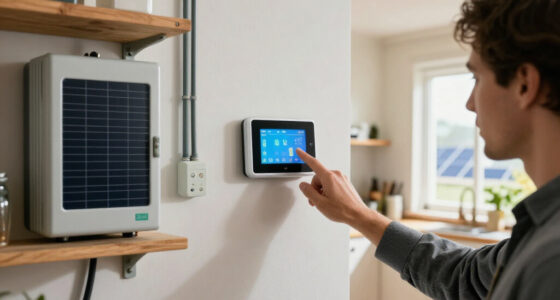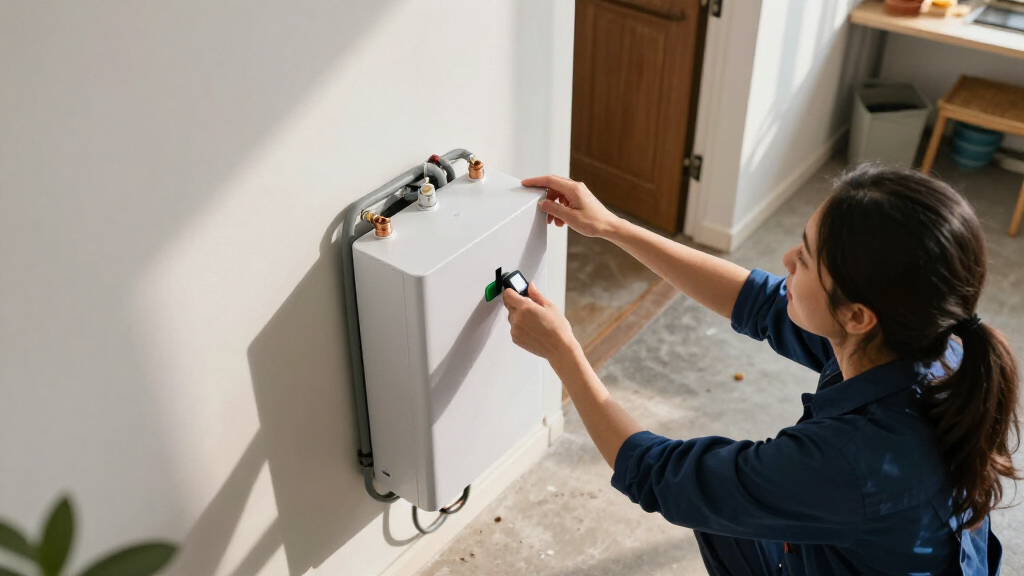

I compared 15 home solar battery systems, and the Anker SOLIX E10 is my best overall pick for buyers seeking a purpose-built whole-home backup system. For a more modular route, the ECO-WORTHY 48V 100Ah Server Rack Battery 6-Pack offers a sizable storage bank, while the Jackery HomePower 3600 Plus pairs portable power with solar panels in a simpler package. The lineup spans portable stations, standalone batteries, and full off-grid kits, so the right choice depends on whether you need outage backup, daily solar storage, or independent power. Larger capacity alone does not guarantee a good fit: inverter output, system compatibility, installation needs, and included panels all affect what a system can run. Read on for my rankings, tradeoffs, and buyer guide.

Get backup power and energy gear delivered free with Prime
- Fast, free delivery on millions of items
- Prime Video, Amazon Music and more included
- Member-only deals all year
Complete the kit


Key Takeaways
- The Anker SOLIX E10 stands apart as the whole-home-focused pick: most other entries are portable stations, battery packs, or off-grid kits that require more system planning.
- Several ECO-WORTHY listings use the same 48V 314Ah, roughly 16kWh battery format: compare the included inverter, panels, and system configuration instead of treating similar battery capacity as a complete comparison.
- The 30.72kWh server rack six-pack and 30kWh+ kit target larger storage needs: their scale suits buyers who can plan around installation, compatibility, and the supporting inverter.
- Portable stations trade expandable home integration for a more contained setup: the Jackery HomePower 3600 Plus and HomePower 3000 suit buyers prioritizing portability and included solar panels.
- Smaller kits can make sense for focused backup or learning an off-grid setup: the 48V 50Ah kit and 5kW system have a different job from the high-capacity whole-home and multi-battery options.
| Jackery HomePower 3600 Plus Portable Power Station with 500X Solar Panels |  | Best Portable Home Backup | Capacity: 3,584Wh; expandable to 21kWh per unit and 43kWh across multiple units | AC output: 3,600W; 7,200W in parallel | Voltage: 120V; 240V in parallel | VIEW LATEST PRICE | See Our Full Breakdown |
| ABOK Ark3600 Portable Power Station with 3 × 200W Solar Panels |  | Best Solar-Ready Portable Pick | Capacity: 3,840Wh; expandable to 11,520Wh | Included solar panels: 3 × 200W | PV input: Up to 2,000W | VIEW LATEST PRICE | See Our Full Breakdown |
| 48V 314Ah LiFePO4 Lithium Battery (16.07kWh) |  | Best for Large Custom Systems | Voltage and capacity: 48V, 314Ah | Energy: 16.07kWh | Chemistry: LiFePO4, Grade A cells | VIEW LATEST PRICE | See Our Full Breakdown |
| ECO-WORTHY 48V Home Backup Power Kit with 10,240Wh LiFePO4 Batteries and 5000W Inverter |  | Best Complete Off-Grid Kit | Battery configuration: Two 51.2V 100Ah LiFePO4 batteries | Total capacity: 10,240Wh | Inverter output: 5,000W, 120V | VIEW LATEST PRICE | See Our Full Breakdown |
| Dawnice 10kWh LiFePO4 Solar Battery 51.2V 206Ah Energy Storage Pack |  | Best for Flexible Battery Placement | Capacity: 10kWh, 51.2V 206Ah | Cell type: Grade A LiFePO4, 16S1P | Maximum power: 10,547W | VIEW LATEST PRICE | See Our Full Breakdown |
| AUECOOR 12 kW Off-Grid Solar System with 2,400 W Panels and 51.2 V 200 Ah LiFePO4 Battery |  | Best for High Inverter Output | System type: Off-grid solar system | Inverter output: 12,000 W, 120 V/240 V split phase | Inverter type: Pure sine wave with MPPT solar charge controller | VIEW LATEST PRICE | See Our Full Breakdown |
| ECO-WORTHY 10000W Complete Off-Grid Solar Panel Kit for Home with 10kW Split-Phase Inverter, 48V 314Ah LiFePO4 Battery, and 2950W Solar Panels |  | Best for Monitored Off-Grid Setup | Inverter continuous output: 10,000 W | Inverter peak output: 20,000 W | Output voltage: 120 V/240 V split phase | VIEW LATEST PRICE | See Our Full Breakdown |
| ECO-WORTHY 30kWh+ Solar Panel Kit with 48V 314Ah LiFePO4 Batteries and 10kW Hybrid Inverter for Home Backup |  | Best for Extended Whole-Home Backup | Usable energy: 30 kWh+ | Batteries: 2 × 48 V, 314 Ah LiFePO4 | Inverter: 10 kW hybrid; 99.9% MPPT efficiency | VIEW LATEST PRICE | See Our Full Breakdown |
| ECO-WORTHY Powermega 48V 314Ah LiFePO4 Battery, UL1973 Certified, 16.1kWh |  | Best Standalone Battery for Expansion | Nominal voltage: 48 V nominal; 51.2 V | Capacity: 314 Ah | Energy: 16.07 kWh | VIEW LATEST PRICE | See Our Full Breakdown |
| Anker SOLIX E10 Whole-Home Battery Backup System |  | Best Modular Outdoor Backup | Battery capacity: 6 kWh, expandable to 90 kWh | Battery type: LFP | Continuous output: 7.6 kW | VIEW LATEST PRICE | See Our Full Breakdown |
| ECO-WORTHY 48V 100Ah Server Rack Battery 6-Pack LiFePO4 Solar Battery Kit (30.72kWh) |  | Best for Expandable Whole-Home Storage | Total capacity: 30.72kWh (six-pack) | Capacity per unit: 100Ah | Nominal voltage: 51.2V (48V system) | VIEW LATEST PRICE | See Our Full Breakdown |
| ECO-WORTHY 1200W 48V Solar Power Kit with 48V 50Ah LiFePO4 Battery and 3500W Inverter |  | Best Starter Kit for Small Off-Grid Loads | Solar panels: 6 × 195W N-type bifacial | Panel efficiency: 25% | Claimed daily production: About 4.68kWh under 4 hours of full sunlight | VIEW LATEST PRICE | See Our Full Breakdown |
| ECO-WORTHY 5 kW Off-Grid Solar System Kit with 2,340 W Panels |  | Best for DIY Cabin Systems | Solar panels: 12 × 195W; 2,340W total | Panel type: Monocrystalline N-type | Panel efficiency: 25% | VIEW LATEST PRICE | See Our Full Breakdown |
| Jackery HomePower 3000 Portable Power Station with Two 200W Solar Panels |  | Best Portable Backup for Essentials | Capacity: 3,072Wh | AC output: 3,600W | Surge output: 7,200W | VIEW LATEST PRICE | See Our Full Breakdown |
| ECO-WORTHY 10KW Off-Grid Solar System Complete Kit with 9.36KWH Output |  | Best for High-Power Off-Grid Loads | Maximum continuous output: 10,000W | Daily energy production: 9.36kWh under 4 hours of full sunshine | Solar panels: 12 × 195W N-type bifacial; 2,340W total | VIEW LATEST PRICE | See Our Full Breakdown |
More Details on Our Top Picks
Jackery HomePower 3600 Plus Portable Power Station with 500X Solar Panels
The Jackery HomePower 3600 Plus pairs a substantial 3,584Wh battery with a wheeled, luggage-style design, making it a more movable backup option than the fixed-install batteries in this group. Its 3600W output can run a range of household essentials, and the system can grow to 43kWh across multiple units for longer outages. Compared with the ABOK Ark3600, Jackery offers a stated 6,000-cycle life and 120V/240V support when units are paired, while ABOK includes three solar panels and Bluetooth app control. Jackery’s hybrid AC-plus-DC recharge can reach full capacity in a stated two hours, but that relies on the combined charging setup. A single unit does not provide 240V, and its expansion path means adding units for larger loads or longer backup.
Pros:- Expandable storage reaches up to 43kWh across multiple units
- 3600W AC output supports a broad range of backup loads
- LFP cells are rated for 6,000 cycles and a 10-year lifespan
- Wheels and telescopic handle make the unit easier to move
Cons:- 240V output requires connecting a second unit
- The two-hour full recharge time depends on hybrid AC-plus-DC charging
- Expanding capacity requires additional units
Best for: Households that want wheeled, portable backup with room to expand for extended outages
Not ideal for: Buyers who need 240V from one unit or a permanently installed whole-home battery system
- Capacity:3,584Wh; expandable to 21kWh per unit and 43kWh across multiple units
- AC output:3,600W; 7,200W in parallel
- Voltage:120V; 240V in parallel
- Battery:LFP with ceramic membrane cells
- Cycle life:6,000 cycles
- Charging:Hybrid AC+DC: 2 hours; AC: 2.5 hours; solar: 4 hours; gas generator: 2.5 hours
- Design:Wheels and telescopic handle
Our verdict“Choose the Jackery if you want high-capacity backup that can be moved and expanded, and can work around its single-unit 120V limit.”
ABOK Ark3600 Portable Power Station with 3 × 200W Solar Panels
The ABOK Ark3600 is a portable backup package for buyers who want panels included from the start: its three 200W panels accompany a 3,840Wh station with 3,600W rated output. That makes it a more ready-to-charge bundle than the Jackery HomePower 3600 Plus, whose supplied title also lists solar panels but whose provided specifications do not state their wattage. ABOK supports AC, solar, and car charging, and its 15 output ports give households flexibility when powering several devices. Storage expands to 11,520Wh, less than the multi-unit Jackery’s stated 43kWh ceiling. Its 4,000-plus-cycle LiFePO4 rating is solid, though below Jackery’s stated 6,000 cycles. The fastest stated recharge takes combined AC and solar input under suitable conditions, and the product data gives no weight or dimensions to help plan placement.
Pros:- Includes three 200W solar panels
- 3,600W rated output and storage expandable to 11,520Wh
- Supports AC, solar, and car charging
- 15 output ports and Bluetooth app control
Cons:- The 1.29-hour recharge claim requires combined AC and solar input under suitable conditions
- Its stated 4,000-plus-cycle life is lower than the Jackery HomePower 3600 Plus rating
- Weight and dimensions are not specified in the supplied product data
Best for: Portable-backup buyers who want a power station bundled with three solar panels and several device ports
Not ideal for: Households seeking a long-duration expandable system or needing to confirm fit and portability before purchase
- Capacity:3,840Wh; expandable to 11,520Wh
- Included solar panels:3 × 200W
- PV input:Up to 2,000W
- AC input:1,500W
- Recharge time:As little as 1.29 hours with combined AC and solar; about 3 hours via AC
- Battery:LiFePO4; 4,000+ charge cycles
- Ports and control:15 output ports; Bluetooth app
Our verdict“Pick the ABOK Ark3600 if an included solar bundle and flexible portable outputs matter more than maximum expansion or a higher stated cycle life.”
48V 314Ah LiFePO4 Lithium Battery (16.07kWh)
With 16.07kWh in one 48V battery, this is the capacity-focused choice for buyers assembling a solar system around a compatible inverter. It can scale to 15 units, or a stated 241kWh, giving it a much higher ceiling than the ECO-WORTHY 48V Home Backup Power Kit, which includes 10.24kWh of storage and an inverter. The tradeoff is that this battery is not a complete backup system: the buyer must match and configure the inverter and other equipment. Its 200A BMS, dual breakers, and monitoring through a screen, apps, or PC connection provide useful safeguards and visibility. Compatibility includes Victron, Schneider, and Growatt, but the large, heavy unit needs dedicated space and careful installation planning despite its built-in wheels.
Pros:- Provides 16.07kWh of storage in one battery
- Can expand to 15 units and a stated 241kWh total
- 200A BMS, six-layer protection, and dual breakers
- Multiple monitoring connections and compatibility with named inverter brands
Cons:- An inverter and other system components must be sourced separately
- Its size and weight require installation space and handling planning
- Parallel expansion requires compatible equipment and system configuration
Best for: Solar-system builders who need substantial 48V storage and already plan to select a compatible inverter
Not ideal for: Buyers who want a ready-to-connect kit with an included inverter or a compact battery for a small installation
- Voltage and capacity:48V, 314Ah
- Energy:16.07kWh
- Chemistry:LiFePO4, Grade A cells
- BMS:200A with six-layer protection
- Cycle life:Up to 6,000 cycles at 80% state of health
- Parallel expansion:Up to 15 units; stated maximum 241kWh
- Communication:RS485, CAN, RS232, Bluetooth, and Wi-Fi
- Compatible inverters:Victron, Schneider, Growatt, and others
Our verdict“Choose this battery for a custom, expandable 48V system when you are prepared to source and configure the inverter separately.”
ECO-WORTHY 48V Home Backup Power Kit with 10,240Wh LiFePO4 Batteries and 5000W Inverter
This ECO-WORTHY kit includes both storage and an inverter, which makes it a more direct starting point for an off-grid backup setup than the standalone 48V 314Ah LiFePO4 battery. Two 51.2V 100Ah batteries provide 10.24kWh, while the 5,000W pure sine wave inverter includes a 100A MPPT controller for solar input. Bluetooth and Wi-Fi monitoring give owners a way to check battery status through the app, and the system can grow with parallel batteries and inverters. The key limitation is output voltage: one inverter supplies 120V, so 208V or 240V requires parallel inverters. That adds system complexity for buyers with higher-voltage loads. The components also ship separately, so the kit may not arrive as one install-ready package.
Pros:- Includes two batteries, a 5,000W inverter, and a 100A MPPT controller
- 10.24kWh of LiFePO4 storage with parallel expansion support
- Bluetooth and Wi-Fi battery monitoring
- Battery and inverter have undergone UL1973 and UL1741 testing
Cons:- A single inverter provides 120V output
- 208V or 240V operation requires parallel inverters
- Kit components ship separately
Best for: Off-grid homeowners who want batteries, an inverter, and an MPPT controller together as a system base
Not ideal for: Buyers needing 208V or 240V from a single inverter or a packaged system that arrives as one shipment
- Battery configuration:Two 51.2V 100Ah LiFePO4 batteries
- Total capacity:10,240Wh
- Inverter output:5,000W, 120V
- Peak inverter power:10,000W
- MPPT controller:100A
- PV input range:120–500V DC
- Expansion:Up to 30kW with six inverters and up to 163.84kWh with 32 batteries
- Monitoring and communication:Bluetooth and Wi-Fi app; CAN/RS485
Our verdict“Choose this kit if you want an off-grid system foundation with storage and solar control included, and 120V output meets your needs.”
Dawnice 10kWh LiFePO4 Solar Battery 51.2V 206Ah Energy Storage Pack
The Dawnice 10kWh battery suits buyers who need a single storage pack that can be wall-mounted or ground-mounted, including installations where its stated IP54 rating makes outdoor placement useful. A color touch screen and mobile app offer more direct monitoring than the ECO-WORTHY backup kit’s app-based battery monitoring alone, but Dawnice is a battery pack rather than a complete inverter-and-storage package. Buyers will need compatible charging and inverter equipment, and the recommended 50A charging current should be checked against that equipment. Its 100A discharge rating also means system designers should verify that expected loads fit the battery’s limits. Grade A LiFePO4 cells and a stated 6,000-plus-cycle life support long-term use, though this unit offers less storage than the 16.07kWh 48V battery in this lineup.
Pros:- Wall or ground mounting gives placement flexibility
- IP54 rating supports outdoor installation
- Grade A LiFePO4 cells are rated for 6,000-plus cycles
- Remote app monitoring and color touch screen
Cons:- An inverter and compatible charging equipment are not included in the supplied description
- Recommended charging current is 50A, which limits compatibility with some charging setups
- Provides less storage than the 16.07kWh 48V battery in this roundup
Best for: Homeowners adding a 51.2V battery to a compatible system who want wall or ground mounting and local screen monitoring
Not ideal for: Buyers seeking a complete solar backup kit or needing more than 10kWh from a single battery
- Capacity:10kWh, 51.2V 206Ah
- Cell type:Grade A LiFePO4, 16S1P
- Maximum power:10,547W
- Maximum discharge current:100A
- Recommended charging current:50A
- BMS:Built-in 100A
- Cycle life and lifetime:6,000+ cycles; expected lifetime 10 years
- Mounting and monitoring:Wall or ground mount with four pulleys; mobile app and color touch screen
Our verdict“Pick Dawnice if flexible mounting and app-plus-screen monitoring fit your installation, and you already have compatible system equipment.”
AUECOOR 12 kW Off-Grid Solar System with 2,400 W Panels and 51.2 V 200 Ah LiFePO4 Battery
The AUECOOR pairs a 12 kW split-phase inverter with a 51.2 V, 200 Ah LiFePO4 battery, making it a fit for off-grid buyers who need substantial inverter output and want the core components in one kit. Compared with the ECO-WORTHY 10,000W Complete Off-Grid Kit, it offers higher stated inverter output, but its 2,400 W of included panels is lower than that kit’s 2,950 W array. That mismatch means the inverter’s capacity does not tell you how quickly the included panels can replenish the battery. The battery has a built-in BMS, LCD, and RS485/CAN communication, with support for up to 15 batteries. The listed battery specs do not state its energy capacity in kWh, so I would verify storage needs and system compatibility before choosing it.
Pros:- 12,000 W split-phase inverter output
- Complete kit includes inverter, battery, panels, cables, and mounting brackets
- LiFePO4 battery includes a built-in BMS and LCD display
- RS485/CAN communication and parallel support for up to 15 batteries
Cons:- Included panels total 2,400 W, below the ECO-WORTHY 10,000W kit’s 2,950 W
- Battery energy capacity in kWh is not specified in the supplied product data
- The large inverter output may require a larger solar array to match the buyer’s energy goals
Best for: Off-grid homeowners prioritizing high split-phase inverter output who can verify battery capacity and plan any needed panel expansion.
Not ideal for: Buyers who need a clearly stated storage capacity or want the strongest included solar array relative to inverter output.
- System type:Off-grid solar system
- Inverter output:12,000 W, 120 V/240 V split phase
- Inverter type:Pure sine wave with MPPT solar charge controller
- Solar panels:20 × 120 W monocrystalline; 2,400 W total
- Battery:51.2 V, 200 Ah LiFePO4
- Battery management and communication:Built-in BMS and LCD; RS485 and CAN
- Parallel battery support:Up to 15 batteries
- Warranty:10-year limited warranty
Our verdict“Choose the AUECOOR if high inverter output and a bundled off-grid setup matter most, provided you confirm the battery’s kWh capacity and panel needs.”
ECO-WORTHY 10000W Complete Off-Grid Solar Panel Kit for Home with 10kW Split-Phase Inverter, 48V 314Ah LiFePO4 Battery, and 2950W Solar Panels
This kit stands out for pairing a 10 kW split-phase inverter with a clearly specified 16.1 kWh LiFePO4 battery and a 2,950 W panel array. Its 7-inch display plus Bluetooth, Wi-Fi, and PC connectivity give buyers several ways to check system status, while dual MPPT controllers support solar charging from the included array. Compared with the AUECOOR 12 kW kit, it has less inverter output but provides a stated battery energy capacity, which makes backup planning easier. Its panels can generate up to 11.8 kWh per day under optimal conditions, so actual production will depend on site conditions. This is a substantial system, and the supplied details call for professional installation; it is a more involved choice than the Anker SOLIX E10.
Pros:- 10 kW continuous split-phase output with 20 kW peak output
- 16.1 kWh LiFePO4 battery capacity is specified
- Monitoring through a display, Bluetooth, Wi-Fi, and PC connectivity
- Supports expansion to 15 batteries and up to six parallel inverters
Cons:- Professional installation is recommended, adding complexity for novice buyers
- Large components require truck or pallet delivery
- The 2,950 W panel array may limit daily generation compared with the system’s inverter capacity
Best for: Homeowners planning a professionally installed off-grid system who want stated storage capacity and multiple monitoring options.
Not ideal for: First-time solar buyers seeking a compact, simple setup or people unable to accommodate pallet delivery and installation.
- Inverter continuous output:10,000 W
- Inverter peak output:20,000 W
- Output voltage:120 V/240 V split phase
- Battery capacity:48 V, 314 Ah LiFePO4; 16.1 kWh
- Solar panels:5 × 590 W monocrystalline; 2,950 W total
- Daily generation:Up to 11.8 kWh under optimal conditions
- Charge controllers:Dual MPPT; up to 200 A battery charging
- Connectivity:Bluetooth, Wi-Fi, PC, RS485, and CAN
Our verdict“Pick this ECO-WORTHY kit if you want a scalable, monitored off-grid system and are prepared for professional installation.”
ECO-WORTHY 30kWh+ Solar Panel Kit with 48V 314Ah LiFePO4 Batteries and 10kW Hybrid Inverter for Home Backup
Two 48 V, 314 Ah batteries provide this kit with 30 kWh+ of usable energy, giving it a storage advantage over the single-battery ECO-WORTHY 10,000W Complete Off-Grid Kit. Its 10 kW hybrid inverter supports 120 V single-phase and 240 V split-phase output, while the included six-panel array adds solar charging. The product data also lists a smart BMS with active balancing, fire suppression, and Bluetooth/Wi-Fi monitoring, features that give buyers more visibility into the battery system. The listed 9,000+ cycle life is stated at 80% depth of discharge. This is a large, pallet-delivered system, so delivery logistics and installation planning matter. Compared with the Anker SOLIX E10, it bundles more stated storage and panels but is a much larger system to accommodate.
Pros:- 30 kWh+ usable energy from two LiFePO4 batteries
- 10 kW hybrid inverter supports 120 V and 240 V output
- Active balancing BMS, aerosol fire suppression, and buzzer alarm
- Bluetooth and Wi-Fi monitoring with battery status information
Cons:- Large, heavy shipment requires palletized truck delivery
- Inverter cosmetic version is selected based on inventory
- The six-panel array may not fully match the needs of buyers expecting rapid solar replenishment
Best for: Households seeking extended backup storage in a bundled solar system and able to handle pallet delivery and installation planning.
Not ideal for: Buyers with limited installation space, difficult truck access, or a need for a lightweight and compact backup unit.
- Usable energy:30 kWh+
- Batteries:2 × 48 V, 314 Ah LiFePO4
- Inverter:10 kW hybrid; 99.9% MPPT efficiency
- Solar panels:6 × 590 W N-type monocrystalline
- Output voltage:120 V single phase and 240 V split phase
- Battery cycle life:9,000+ cycles at 80% depth of discharge
- Battery communication:RS485, CAN, RS232, Bluetooth, and Wi-Fi
- Safety features:Active balancing BMS, circuit breaker, aerosol fire suppression, and buzzer alarm
Our verdict“Choose this ECO-WORTHY system for substantial bundled backup storage if your site can accommodate its delivery and installation requirements.”
ECO-WORTHY Powermega 48V 314Ah LiFePO4 Battery, UL1973 Certified, 16.1kWh
The Powermega is a 16.07 kWh LiFePO4 battery for buyers who already have, or are separately selecting, an inverter and solar array. Its UL 1973 certification, 200 A BMS with active cell balancing, aerosol fire suppression, and external circuit breaker make safety and integration central to its appeal. Compared with the ECO-WORTHY 10,000W Complete Off-Grid Kit, this is a battery component rather than a ready-to-run system, so it offers more freedom to build around compatible equipment but leaves the buyer responsible for system matching. The 7-inch touchscreen and wireless monitoring provide useful status visibility, while RS485 and CAN ports broaden inverter compatibility. At its rated capacity and scale, it is a substantial unit; confirm handling, installation, and inverter compatibility before planning an expansion.
Pros:- 16.07 kWh LiFePO4 storage capacity
- UL 1973 certification and 10-year warranty
- Active cell balancing, aerosol fire suppression, and external circuit breaker
- Supports up to 15 units in parallel, with touchscreen, Wi-Fi, and Bluetooth monitoring
Cons:- Battery-only product; inverter, panels, and system integration are separate
- Large, heavy unit requires pallet or truck delivery
- High-current M8 terminals call for careful installation and compatible equipment
Best for: Solar owners adding substantial storage to a compatible 48 V system who want certification, monitoring, and parallel expansion.
Not ideal for: Buyers who need a complete solar kit with inverter and panels included or a lightweight battery for easy handling.
- Nominal voltage:48 V nominal; 51.2 V
- Capacity:314 Ah
- Energy:16.07 kWh
- Chemistry:LiFePO4
- Certification:UL 1973
- BMS:200 A with active cell balancing
- Parallel expansion:Up to 15 units; 241 kWh stated maximum
- Monitoring and ports:7-inch HD touchscreen, Wi-Fi, Bluetooth, RS485, and CAN
Our verdict“Choose the Powermega to add certified, expandable storage to a compatible system, not when you need a complete solar setup in one purchase.”
Anker SOLIX E10 Whole-Home Battery Backup System
The Anker SOLIX E10 offers a modular path to home backup, starting at 6 kWh of LFP storage and expanding to 90 kWh. Each unit provides 7.6 kW continuous output and accepts up to 9 kW of solar input, while support for an existing transfer switch or inlet box may help buyers connect it to an established backup setup. Its outdoor rating and stated operating range from -4°F to 131°F suit a wider range of placement conditions than an indoor-only battery. Compared with the ECO-WORTHY 30kWh+ kit, the E10 starts with less storage and does not bundle panels in the listed components, but its 60.6-pound module is more manageable than a pallet-scale system. The five-year warranty is shorter than the ten-year terms listed for the ECO-WORTHY battery options.
Pros:- Expandable battery capacity from 6 kWh to 90 kWh
- 7.6 kW continuous output and 9 kW solar input per unit
- Outdoor rated with an operating range of -4°F to 131°F
- Supports generator backup and connection to an existing transfer switch or inlet box
Cons:- Listed warranty is five years, shorter than the ten-year ECO-WORTHY battery warranties
- Included components do not list solar panels
- Professional installation may be needed, and the module weighs 60.6 pounds
Best for: Homeowners who want a modular outdoor battery that can connect to an existing transfer switch or inlet box and grow over time.
Not ideal for: Buyers who want a complete panels-and-battery kit, a longer listed warranty, or a high storage capacity in the initial package.
- Battery capacity:6 kWh, expandable to 90 kWh
- Battery type:LFP
- Continuous output:7.6 kW
- Solar input:9 kW per unit
- Scalable output:Up to 22.8 kW with three units
- Operating temperature:-4°F to 131°F
- Warranty:5 years
Our verdict“Pick the E10 if you want expandable outdoor backup that can work with existing transfer equipment and can add storage as needed.”
ECO-WORTHY 48V 100Ah Server Rack Battery 6-Pack LiFePO4 Solar Battery Kit (30.72kWh)
I rank this six-battery kit highly for buyers who need substantial storage and want room to grow. Its 30.72kWh total capacity is far beyond the single-battery ECO-WORTHY 5 kW Off-Grid Solar System Kit, making it a better fit for longer backup windows or larger off-grid loads. Closed-loop CAN/RS485 communication can coordinate the batteries with compatible inverters, while app monitoring gives owners a way to track system status. The certifications and included connection accessories also make the package more installation-ready than buying batteries separately. The tradeoff is that this is a battery bank, not a complete solar system: buyers still need a compatible inverter, rack space, and electrical setup. Its scale brings more installation complexity than the Jackery HomePower 3000.
Pros:- Six batteries provide 30.72kWh of stated total capacity
- Supports expansion up to 32 parallel units
- CAN/RS485 communication plus Bluetooth and WiFi monitoring
- UL9540, UL1973, and CEC listings are specified
Cons:- Requires a separately selected compatible inverter and system configuration
- Six rack batteries need substantial space and electrical installation work
- The provided product data notes an RSD button may ship separately
Best for: Off-grid homeowners who already have or are selecting a compatible 48V inverter and need a large, expandable battery bank.
Not ideal for: Apartment dwellers and buyers seeking a ready-to-use backup station; this kit requires rack installation and inverter integration.
- Total capacity:30.72kWh (six-pack)
- Capacity per unit:100Ah
- Nominal voltage:51.2V (48V system)
- Chemistry:Grade A LiFePO4
- Certifications:UL9540, UL1973, CEC listed
- Communication:CAN/RS485, Bluetooth, WiFi
- Maximum parallel units:32 (up to 163.8kWh)
- Mounting:Server rack; vertical mounting support
- Warranty:10-year limited
Our verdict“Choose this battery bank for high-capacity, expandable storage if you can handle rack installation and inverter matching.”
ECO-WORTHY 1200W 48V Solar Power Kit with 48V 50Ah LiFePO4 Battery and 3500W Inverter
This kit is the more approachable ECO-WORTHY entry for buyers who want panels, storage, and an inverter in one package. Its six bifacial panels and 48V battery suit a modest cabin or essential-load setup better than the much larger ECO-WORTHY 10KW Off-Grid Solar System Complete Kit. The included inverter has an 80A MPPT controller and WiFi monitoring, so fewer major components need to be sourced separately. The battery’s stated 2,560Wh usable energy and 3,500W inverter make it a compact starting point, though they do not provide the extended reserve of a large home battery bank. The claimed daily generation assumes four hours of full sunlight, so actual output depends on conditions and installation. Buyers should also expect the panels and other components may arrive in multiple packages.
Pros:- Combines six panels, battery, inverter, and accessories
- LiFePO4 battery is rated for more than 4,000 cycles
- Inverter includes an 80A MPPT controller and WiFi monitoring
- Supports parallel connection of up to six inverters
Cons:- 2,560Wh usable battery energy limits backup duration for larger loads
- Stated daily generation depends on four hours of full sunlight
- Components may arrive in separate packages
Best for: Cabin owners or homeowners assembling a starter off-grid system for lighting, electronics, and other moderate loads.
Not ideal for: Households seeking multi-day whole-home backup or substantial appliance coverage; its 2,560Wh usable battery capacity is limited for that role.
- Solar panels:6 × 195W N-type bifacial
- Panel efficiency:25%
- Claimed daily production:About 4.68kWh under 4 hours of full sunlight
- Battery:48V 50Ah LiFePO4
- Usable battery energy:2,560Wh
- Inverter:3,500W; 7,000W surge
- Charge controller:Built-in 80A MPPT
- AC output:110/120V
- UPS switching time:20ms
Our verdict“Pick this kit for a bundled, modest off-grid setup when a smaller battery reserve is enough.”
ECO-WORTHY 5 kW Off-Grid Solar System Kit with 2,340 W Panels
For a buyer building an off-grid setup around a cabin, workshop, or RV, this kit offers a straightforward component bundle: 2,340W of panels, a 5,000W inverter, and a 51.2V 100Ah battery. That gives it more stated battery capacity than the ECO-WORTHY 1200W kit, while keeping the system smaller than the ECO-WORTHY 10KW complete kit. The 5kW inverter can handle a wider range of simultaneous loads than a compact power station, but the panel array and single 100Ah battery still shape how long those loads can run without sun or another charging source. Its MC4 connections and roof, ground, or shed mounting options give DIY planners flexibility. The main cost in effort is installation: mounting, wiring, and inverter setup demand practical electrical skills.
Pros:- Includes panels, inverter, and LiFePO4 battery in one kit
- 5,000W inverter supports a broader load range than the smaller ECO-WORTHY 1200W kit
- Panels can be mounted on a roof, ground structure, or shed
- 100Ah battery offers more stated capacity than the ECO-WORTHY 1200W kit
Cons:- DIY installation involves panel mounting and electrical work
- The 2,340W array and single 100Ah battery constrain sustained high-load use
- The provided data does not specify a daily production estimate
Best for: DIY-minded cabin or workshop owners who want a bundled 48V system and can plan panel mounting and electrical installation.
Not ideal for: Buyers who need portable backup or a turnkey installation; this fixed system involves mounting and wiring work.
- Solar panels:12 × 195W; 2,340W total
- Panel type:Monocrystalline N-type
- Panel efficiency:25%
- Inverter capacity:5,000W
- Inverter voltage:48V
- Battery:51.2V 100Ah LiFePO4
- Output voltage:120V
- Panel dimensions:58.86 × 26.18 × 1.18 in
- Connector type:MC4
Our verdict“Choose this kit for a fixed DIY cabin or workshop system if you can manage installation and match loads to its array and battery.”
Jackery HomePower 3000 Portable Power Station with Two 200W Solar Panels
The Jackery HomePower 3000 takes a different approach from the fixed ECO-WORTHY systems: it packages storage, inverter output, and multiple device ports in a portable power station. With 3,072Wh capacity, 3,600W AC output, and a stated 20ms UPS transfer, it can keep selected essentials running during an outage without building a rack-and-inverter system. Its USB, DC, and RV connections also make it more flexible for travel than the ECO-WORTHY 5 kW Off-Grid Solar System Kit. That convenience comes with less storage than the 30.72kWh ECO-WORTHY battery pack, so it is aimed at targeted backup rather than extended whole-home coverage. Solar charging with the included two 200W panels is slower than AC charging, and the panels ship separately.
Pros:- Portable unit combines a 3,072Wh battery and 3,600W AC output
- UPS transfer time is stated at 20ms or less
- AC, USB-C, USB-A, DC, and TT-30 RV ports support varied devices
- LiFePO4 battery is rated for 4,000 cycles to 70% capacity
Cons:- Capacity is far below the 30.72kWh ECO-WORTHY six-battery bank
- Two included 200W panels may take up to 9 hours to recharge to 80% under stated conditions
- Power station and solar panels ship separately
Best for: Homeowners who want portable outage backup for selected appliances and devices, with the option to use the unit for RV power.
Not ideal for: Buyers who need long-duration whole-home backup or a permanently installed large-capacity battery bank.
- Capacity:3,072Wh
- AC output:3,600W
- Surge output:7,200W
- UPS transfer time:≤20ms
- Battery type:LiFePO4
- Battery cycle life:4,000 cycles to 70% capacity
- Included solar panels:2 × 200W
- AC recharge time:2.2 hours
- Solar recharge:Up to 80% in 9 hours with two 200W panels
Our verdict“Choose the Jackery for portable, quick-switching backup of essentials when mobility matters more than whole-home capacity.”
ECO-WORTHY 10KW Off-Grid Solar System Complete Kit with 9.36KWH Output
This complete kit is the strongest fit here for buyers planning around high-power appliances and split-phase household circuits. Its 10kW 120V/240V inverter and two 51.2V 100Ah batteries offer a more substantial starting system than the ECO-WORTHY 5 kW kit, while the included 2,340W panel array keeps the package from requiring separate panel shopping. The split-phase output is useful for compatible 240V equipment, and the stated certifications cover the inverter and batteries. Still, the panel array is modest relative to the inverter’s maximum output, so the 9.36kWh daily production claim depends on the stated four hours of full sun and does not describe output in all conditions. Professional installation is recommended in the provided data; this is a poor match for novices seeking a simple plug-in backup unit.
Pros:- 10kW continuous output with 120V/240V split-phase capability
- Includes two 48V 100Ah server rack batteries and 12 panels
- UL 1741, UL 1973, UL 9540A, and CEC certifications are specified
- Bluetooth, WiFi, and CAN/RS485 support monitoring and system communication
Cons:- Professional installation is recommended, making it a poor novice project
- The 2,340W panel array limits energy replenishment relative to the inverter’s maximum output
- Claimed daily production assumes four hours of full sunlight
Best for: Rural homeowners or farm operators planning an installed off-grid system for high-demand appliances and compatible 240V loads.
Not ideal for: First-time DIY buyers or people seeking portable backup; this kit calls for professional installation and fixed panel space.
- Maximum continuous output:10,000W
- Daily energy production:9.36kWh under 4 hours of full sunshine
- Solar panels:12 × 195W N-type bifacial; 2,340W total
- Panel efficiency:25%
- Batteries:2 × 48V (51.2V) 100Ah lithium server rack batteries
- Inverter output:120V/240V AC split-phase
- Parallel support:Up to 6 units; 60kW total
- Certifications:UL 1741, UL 1973, UL 9540A, CEC
- Connectivity:WiFi, Bluetooth, CAN/RS485
Our verdict“Pick this kit for a professionally installed off-grid system with split-phase output and demanding loads, provided its solar production suits your site.”

How We Picked
I ranked these systems by how well their stated configuration serves a clear home solar use case. I weighed usable storage capacity, inverter output, included solar generation, expandability, and whether the listing describes a complete system or only a battery. I also considered setup complexity and how clearly a buyer can tell what else may be needed, since a large battery without a compatible inverter or suitable installation plan may not deliver practical home backup.
The order favors systems with a coherent fit for their claimed role, then distinguishes them by flexibility and buyer effort. The Anker SOLIX E10 leads for its whole-home backup focus; modular batteries and larger kits follow for buyers prepared to match components and plan installation. Portable stations rank as convenient, contained choices, while smaller or less fully specified configurations suit narrower loads. Product names and listed specifications do not establish local code approval, compatibility with existing solar, or actual runtime, so I treat those as questions buyers should verify before choosing.
Factors to Consider When Choosing Best Home Solar Battery Systems
Before choosing a battery, I would define the job it must do and the equipment it must connect to. The headline capacity is only one part of that decision; power output, solar input, installation, and expansion can matter just as much.
Decide Which Loads Need Backup
Start with a list of the circuits or appliances you want to keep running during an outage. A refrigerator, router, and lights make a different demand from a well pump, electric range, or central air conditioner. Add up both continuous draw and the brief surge some motors need when starting. This helps separate a portable station for selected devices from a whole-home system connected to household circuits. A common mistake is buying by battery capacity alone and overlooking inverter output or transfer equipment. Ask an electrician to confirm which loads can share a backed-up circuit and whether the system can support them together.
Match Storage to Your Outage Plan
Battery capacity describes stored energy, while the loads you run determine how quickly that energy is used. Estimate how many hours you need backup and whether solar panels will recharge the battery during the outage. Cloudy weather, panel placement, and seasonal sunlight can make actual recharging slower than a product headline suggests. If outages are brief and occasional, a smaller battery may cover essential devices without the complexity of a large bank. For multi-day backup, think through how you would conserve power and which loads you would switch off. Avoid assuming that a listed kilowatt-hour figure translates directly into the same amount of usable energy at your outlets.
Check the Whole Electrical System
A battery is one part of a system that can include an inverter, charge controller, solar panels, transfer switch, wiring, and monitoring. Confirm that the battery voltage and communication protocol work with the inverter you plan to use, and check which components are actually included. A kit title may describe a large system while its panel wattage or inverter configuration calls for a particular use pattern. Existing rooftop solar may need compatible equipment to charge during a grid outage; many grid-connected arrays shut down unless paired with approved backup hardware. Ask the installer or manufacturer to confirm compatibility in writing before combining products. This step can prevent a capable battery from becoming an expensive component that cannot connect to the rest of your setup.
Choose Portability or a Fixed Installation
Portable power stations can be moved and offer a contained way to power selected devices, but they usually do not replace a permanently integrated home backup system. Fixed battery banks and off-grid kits can serve larger loads, though they bring more wiring, siting, and installation decisions. Consider where the equipment will live, how much space and ventilation it needs, and whether it can be protected from moisture and extreme temperatures. Portable models may be easier to reposition for sunlight, while fixed panels and batteries need a durable mounting and cable plan. Buyers sometimes focus on easy setup and miss the limits of powering household circuits through extension cords. Match the form factor to how you expect to use backup power day to day.
Plan for Expansion, Warranty, and Service
If your energy needs may grow, check the manufacturer’s stated limits for adding batteries, inverters, or solar panels. Similar-looking batteries are not automatically safe to mix, especially across brands, models, ages, or firmware versions. Review the warranty terms, cycle or throughput limits, support process, and availability of replacement parts before settling on a system. Certifications listed for a product can inform a safety review, but they do not by themselves prove that a complete installation meets local rules. Ask who handles commissioning and service if the system faults after installation. Paying for a modular design can make sense when expansion is likely, while a fixed configuration may be simpler if your backup needs are stable.
Frequently Asked Questions
Can a portable power station run my home’s essential circuits?
It can power selected devices, but connecting it to household circuits depends on its output, approved transfer equipment, and the manufacturer’s instructions. A station’s outlet capacity may not handle the starting surge of a pump or refrigerator even when its battery has enough stored energy. Never feed power into household wiring through a standard wall outlet, which can create a dangerous backfeed. Ask an electrician whether a listed transfer solution can connect the specific model to the circuits you want backed up. If you need several circuits or automatic outage response, compare purpose-built home backup systems with portable stations.
Will my existing rooftop solar panels charge a battery during a grid outage?
Not necessarily. Many grid-tied inverters shut down during an outage to protect utility workers, so panels that normally produce power may stop until paired with compatible backup equipment. The battery, inverter, and solar system must be designed to operate together in island mode and manage changing solar output. Check the exact inverter model and backup configuration, rather than relying on panel brand or battery voltage alone. Have the installer confirm the design against local electrical requirements before purchase.
How much battery capacity do I need for overnight or multi-day backup?
Base the estimate on the energy your chosen loads use over the hours you want to cover, then account for conversion losses and reserve capacity. Overnight backup for a few essential devices can require far less storage than keeping heating, cooling, or cooking equipment online. Multi-day coverage also depends on whether solar can recharge the battery each day and how much sunlight your location receives. Make a load list and use appliance labels or measured consumption where possible. Ask the installer to model both a typical day and a low-sun outage scenario.
Should I buy a battery-only system or a complete solar kit?
A battery-only product can suit a buyer who already has a compatible inverter and panels or plans to source those components separately. A kit reduces some matching work by bundling equipment, but its included panels, inverter output, and battery capacity may not match every household’s loads. Compare the full bill of materials and installation plan, including transfer equipment and wiring. With off-grid kits, confirm how the system handles charging, peak loads, and periods of poor sunlight. Choose the bundled route when the configuration fits your needs; choose components separately when you can verify compatibility and want a specific system design.
What should I verify before connecting batteries from different listings?
Confirm that the manufacturer permits the exact batteries to operate together and that their voltage, chemistry, capacity, communication method, and firmware are compatible. Do not infer compatibility from shared voltage or a similar case design. Mixing units with different ages or charge states can affect performance and may trigger protection faults. Check the inverter’s approved battery list and the battery maker’s limits for parallel connections. If either manufacturer cannot confirm the combination, have a qualified installer design a supported alternative.
Conclusion
For a best overall whole-home backup choice, I would start with the Anker SOLIX E10. Buyers seeking a modular high-capacity bank should compare the ECO-WORTHY 48V 100Ah Server Rack Battery 6-Pack with the larger ECO-WORTHY kits, checking inverter and installation requirements closely. For a best value in a compact, contained setup, the Jackery HomePower 3000 with two solar panels is worth a look when portability matters more than whole-home integration; my best premium direction is a properly sized large-capacity system such as the ECO-WORTHY 30kWh+ kit for buyers ready to plan a substantial installation. Beginners who want a portable starting point may prefer the Jackery HomePower 3600 Plus, while off-grid buyers should compare the complete kits by panel output and inverter capability. Choose based on the loads you need to run, the equipment you already own, and the installation support available to you.