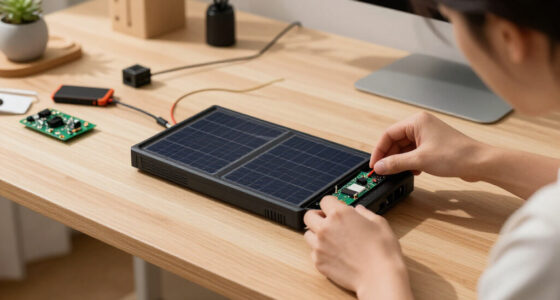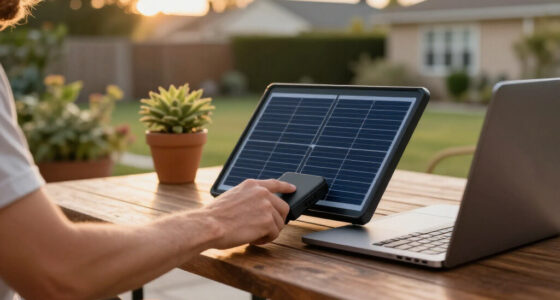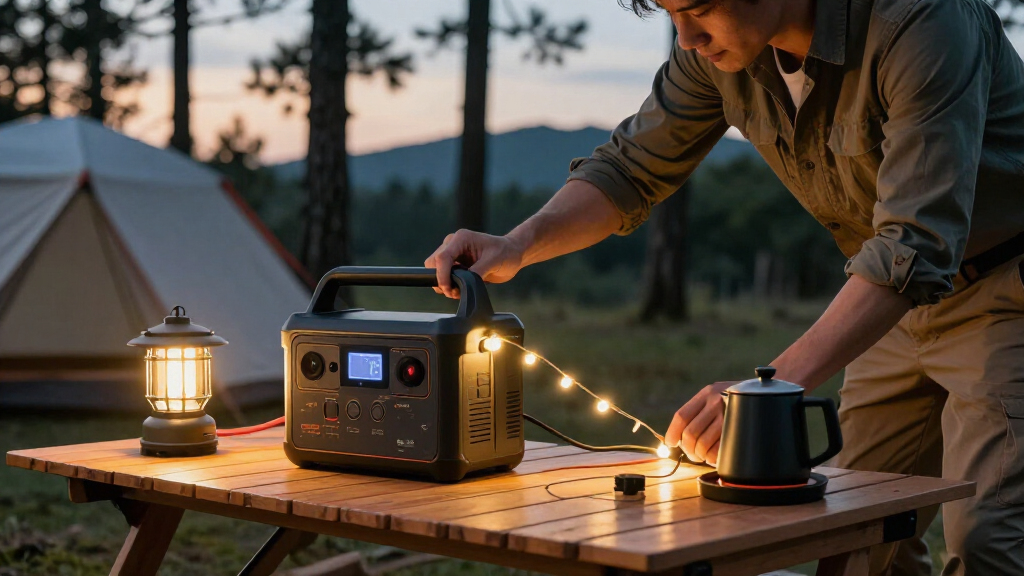

Portable power stations have become the backbone of camping trips, RV life, and home emergency prep — but the gap between a $100 unit and a $2,000 one is enormous, and the right choice depends entirely on what you plan to run. After comparing 15 of the most popular models, the Anker SOLIX C1000 (1056Wh) stands out as the best overall pick for its balance of capacity, fast recharging, and trusted build quality. If you need serious whole-home backup potential, the Anker SOLIX S2000 (2010Wh) doubles down on capacity, while the BLUETTI AC180 makes the most sense for buyers who prioritize high inverter output at a mid-range size. The main tradeoff in this category is portability versus power: sub-300Wh units fit in a backpack but can’t run a fridge, while 1000Wh+ units cover real appliances but weigh as much as a checked bag. Battery chemistry is the other dividing line — LiFePO4 models last years longer than older lithium-ion designs. Keep reading for the full breakdown, including who each model is for and who should skip it.

Get backup power and energy gear delivered free — and shop member deals
- Fast, free delivery on millions of items
- Access to Prime Big Deal Days deals on October 6–7
- Prime Video, Amazon Music and more included
Complete the kit


Key Takeaways
- The 1000Wh tier is the most competitive: the Anker SOLIX C1000, Jackery Explorer 1000 v2, BLUETTI AC180, and the 1000W/1024Wh LiFePO4 unit all landed within a narrow capacity band, so inverter output, charging speed, and brand support became the deciding factors rather than raw watt-hours.
- LiFePO4 chemistry separated the long-term winners from the short-term bargains — the Daran, ALLWEI, BLUETTI AC180, BLUETTI Elite 30 V2, Anker SOLIX S2000, and the 1024Wh generic model offer thousands of charge cycles, while smaller lithium-ion units like the MARBERO and GRECELL trade lifespan for lighter weight.
- The sub-100Wh units (Daran 89.6Wh, MARBERO 88Wh) play a completely different game than everything else: they’re carry-on-friendly power banks with AC outlets, not true backup stations, and should only be bought for CPAP-free overnight trips and device charging.
- The 250–300Wh class is the best value zone for casual campers — the Anker SOLIX C300, Jackery Explorer 300, BLUETTI Elite 30 V2, and ALLWEI 256Wh cover weekend needs at a fraction of the cost of the big units, with the Elite 30 V2’s LiFePO4 battery giving it the edge in longevity.
- The UDPOWER S1200 is the only model in this lineup with built-in UPS functionality, making it the pick for buyers who specifically need seamless switchover for computers or medical devices during outages — a feature none of the bigger-name alternatives here offer.


| portable power station | Capacity | Battery Type | Weight |
|---|---|---|---|
| Anker SOLIX C1000 Portable Pow | 1056Wh | LiFePO4 | — |
| LIBRIDS Portable Power Station | 640Wh | LiFePO4 | 16.3 lbs |
| Daran Portable Power Station 8 | 89.6Wh | LiFePO4 | 2.54 lbs |
| Anker SOLIX C300 Portable Powe | 288Wh | LiFePO4 | — |
| Jackery Explorer 1000 v2 Porta | 1070Wh | LFP (Lithium Iron Phosphate) | 23.8 lbs |
| MARBERO Portable Power Station | 88Wh (24,000mAh) | — | 2.3 lbs (1.04 kg) |
| BLUETTI Portable Power Station | 1152Wh | LiFePO4 | — |
| Jackery Explorer 1000 v2 Porta | 1070Wh | — | 23.8 lbs |
| BLUETTI Elite 30 V2 Portable P | 288Wh | — | 9.4 lbs |
| Jackery Explorer 300 Portable | 292Wh | LiFePO4 (4,000+ cycles) | 7.5 lbs |
| ALLWEI Portable Power Station | 256Wh | LiFePO4 | 6.4 lbs |
| GRECELL Portable Power Station | 519Wh | Lithium | — |
| 1000W Portable Power Station 1 | 1024Wh | LiFePO4 | 27.73 lbs |
| Anker SOLIX S2000 Portable Pow | 2010Wh | LFP (Lithium Iron Phosphate) | 35.7 lbs |
| UDPOWER S1200 Portable Power S | — | LiFePO4 | — |
More Details on Our Top Picks
Anker SOLIX C1000 Portable Power Station, 1056Wh
This option stands out as the most balanced machine in the lineup. With 1056Wh of capacity and an 1800W running output, it handles everything from camping fridges to home backup during an outage, and its UltraFast recharging hits 80% in under 45 minutes — faster than the Jackery Explorer 1000 v2, which takes roughly an hour for a similar charge level. Compared with the LIBRIDS C600, the extra capacity roughly doubles runtime, though the tradeoff is a noticeably heavier, bulkier unit. The 11 ports and 2400W surge capacity mean it can run power-hungry tools the smaller units simply refuse to start. App-dependent charging setup is an annoyance, and like most stations this size, it still struggles with truly high-draw appliances for long stretches.
Pros:- 80% recharge in 43 minutes is among the fastest in this capacity class
- 1056Wh LiFePO4 battery balances runtime and lifespan
- 11 ports with 2400W surge handles demanding appliances
- Solar recharging support adds off-grid flexibility
Cons:- Heavy and bulky relative to smaller capacity units
- UltraFast charging setup requires the smartphone app
- Runtime drops quickly with high-wattage appliances
Best for: Campers and homeowners who want serious backup capacity without stepping up to a heavy 2000Wh unit like the Anker SOLIX S2000
Not ideal for: Hikers or anyone carrying power on foot — it’s built for car camping and home standby, not backpacking
- Capacity:1056Wh
- Output:1800W (2400W surge)
- Battery Type:LiFePO4
- Total Ports:11
- Recharge Speed:80% in 43 minutes
- Solar Input:Compatible
- Color:Dark Gray
Our verdict“If you want one power station that covers camping trips and home emergencies equally well, this is the pick.”
LIBRIDS Portable Power Station C600, 640Wh
This model makes the most sense for buyers who want mid-size capacity without paying for the premium features of the Anker SOLIX C1000. At 640Wh, it splits the difference between the tiny Daran 89.6Wh power bank and full-size 1000Wh stations — enough for a weekend of phone, laptop, and light camping loads. The 1.5-hour recharge is genuinely quick for this class, and the 4000+ cycle LiFePO4 battery should outlast the unit’s usefulness. Four AC outlets is generous, though the 600W ceiling means no electric kettles, hair dryers, or power tools — the C1000 exists precisely for those loads. The metal housing and clear LCD feel more durable than typical plastic-shelled rivals at this size.
Pros:- 640Wh capacity covers a weekend of moderate loads
- Full recharge in 1.5 hours
- 4000+ cycle LiFePO4 battery with pure sine wave output
- Four AC outlets plus durable metal housing
Cons:- 600W continuous output limits appliance compatibility
- 16.3 lbs is heavy for its capacity class
- Connected loads need manual power management to avoid overload trips
Best for: Budget-conscious campers and van-lifers who need multi-day device charging, not appliance power
Not ideal for: Anyone running high-wattage gear — the 600W limit shuts down kettles, microwaves, and most power tools
- Capacity:640Wh
- AC Output:600W (1200W surge)
- Battery Type:LiFePO4
- Charge Cycles:4000+
- Ports:8 total, including 4 AC outlets
- Recharge Time:1.5 hours
- Weight:16.3 lbs
Our verdict“A smart middle-ground buy for device-level power needs where the 1000Wh stations are overkill.”
Daran Portable Power Station 89.6Wh with AC Outlets
This pick makes the most sense for buyers whose priority is carrying power rather than storing it. At 2.54 lbs and roughly the size of a large water bottle, it goes where nothing else in this roundup can — day packs, kayak hatches, glove boxes. The LiFePO4 chemistry at 3500+ cycles is remarkable at this price and size, where cheaper rivals often use shorter-lived cells. Compared with the Jackery Explorer 300 or Anker SOLIX C300, it offers less than a third of the capacity, but it also weighs a fraction as much and still includes two AC outlets plus fast USB-C charging. The 100W ceiling is the real constraint: laptops, cameras, and lights are fine; anything with a heating element is not. Remember the solar panel is sold separately.
Pros:- 2.54 lbs and compact enough for a backpack
- LiFePO4 chemistry rated for 3500+ cycles
- Two AC outlets plus USB-C, USB-A, and DC outputs
- Four charging methods including solar and car
Cons:- 100W output limit excludes most appliances
- 89.6Wh capacity suits short trips only
- Solar panel not included
Best for: Day hikers, photographers, and emergency-kit builders who need pocketable AC power for small devices
Not ideal for: Overnight campers or anyone needing to run a CPAP, mini-fridge, or multiple devices — 89.6Wh runs dry fast
- Capacity:89.6Wh
- Output:100W (200W peak)
- Battery Type:LiFePO4
- Ports:2 AC, 2 USB-C, 2 USB-A, DC5521
- Cycle Life:3500+ cycles
- Weight:2.54 lbs
- Charging Methods:AC wall, USB-C PD, car, solar
Anker SOLIX C300 Portable Power Station, 288Wh
This model is better suited to the overnight-camp sweet spot than either the undersized Daran or the overbuilt C1000. Its 288Wh capacity covers a night or two of phone charges, camera batteries, and a lantern, and the two 140W USB-C ports are the standout feature — they charge modern laptops at full speed, something the LIBRIDS C600 and most rivals at this size can’t match. Running at a near-silent 25dB, it won’t disturb a tent the way larger stations with active cooling can. The tradeoffs are real, though: the shoulder strap costs extra, solar panel compatibility is limited (the SOLIX PS30 doesn’t work with it), and the modest AC output means it’s a device charger, not an appliance runner.
Pros:- Two 140W USB-C ports for full-speed laptop charging
- Whisper-quiet 25dB operation
- LiFePO4 battery rated for 3,000 cycles
- Lightweight design suited to travel
Cons:- Shoulder strap sold separately
- Incompatible with some Anker solar panels including the PS30
- Modest AC capacity for the price of larger rivals
Best for: Weekend car campers and remote workers who need fast laptop charging plus basic AC power
Not ideal for: Buyers planning off-grid solar setups — the limited panel compatibility pushes you toward the Jackery or C1000 ecosystems instead
- Capacity:288Wh
- Output:300W (600W surge)
- Battery Type:LiFePO4
- USB-C:2x 140W, 1x 15W
- AC Outlets:3
- Car Socket:1x 120W
- Cycle Life:3,000 cycles
- Noise Level:25dB
Our verdict“A refined weekend-camping companion for device-first power users, provided you don’t need solar expansion.”
Jackery Explorer 1000 v2 Portable Power Station, 1070Wh
Compared with the Anker SOLIX C1000, this model trades a bit of raw inverter output (1500W versus 1800W) for a lighter 23.8-lb build and a polished app experience geared toward life on the road. The 1070Wh LFP battery rated for 4000+ cycles and a claimed 10-year lifespan makes it a long-haul investment, and the one-hour fast charge means you can top up during a lunch stop rather than planning your day around recharging. The catch is ecosystem lock-in: solar recharging only works with Jackery panels, so buyers who already own third-party panels — or who compared the C1000’s flexibility — may feel boxed in. App dependence for optimal charging is another friction point, though less of one for smartphone-native users.
Pros:- 1070Wh capacity with 4000+ cycle LFP battery built to last a decade
- Fast charging reaches full in about an hour
- Lighter than comparable 1000Wh stations at 23.8 lbs
- USB-C PD 100W plus 3 AC ports cover mixed device loads
Cons:- Solar charging limited to Jackery’s own panels
- Full functionality and optimal charging require the app
- 1500W output trails rivals like the Anker SOLIX C1000
Best for: Road-trippers and RV owners who want a lightweight 1000Wh station with fast top-ups between stops
Not ideal for: Off-grid solar users with existing third-party panels — the Jackery-only solar requirement forces repurchasing hardware
- Capacity:1070Wh
- AC Output:1500W (3000W surge peak)
- Battery Type:LFP (Lithium Iron Phosphate)
- Charge Cycles:4000+
- Ports:2 USB-C, 1 USB-A, 1 DC car port, 3 AC
- Charging Time:1 hour fast / 1.7 hours full
- Weight:23.8 lbs
- App Control:Yes
Our verdict“The travel-ready 1000Wh choice if you’re happy to live inside Jackery’s solar ecosystem.”
MARBERO Portable Power Station 88Wh, 120W Surge, Solar Generator 24,000mAh
At roughly 2.3 pounds, the MARBERO 88Wh is less a power station and more a large power bank with AC outlets — and that is exactly its appeal. Where the Jackery Explorer 300 already feels like gear you plan around, this slips into a backpack pocket and disappears until you need it. Eight output ports and a built-in LED flashlight make it a sensible bedside companion during outages, keeping a phone, a headlamp, and a small fan alive overnight. Compared with the similarly sized Daran 89.6Wh, MARBERO’s advantage is the flashlight and slightly broader port spread.
The tradeoff is severe: 80W continuous output means no kettles, no hair dryers, and honestly no laptops with beefy chargers. This is a communications and lighting device, not an appliance backup.
Pros:- Featherlight at about 2.3 lbs with a genuinely pocketable footprint
- Eight output ports for simultaneously charging small devices
- Built-in LED flashlight with multiple brightness levels
- Solar compatible, so it can trickle-charge off a small panel
Cons:- 88Wh capacity is exhausted quickly by anything beyond phones and lights
- 80W continuous output blocks most appliances and even some laptop chargers
Best for: Hikers, solo campers, and apartment dwellers who want a grab-and-go outage kit for phones, lights, and small devices
Not ideal for: Anyone hoping to run a mini fridge, CPAP all night, or power tools — 88Wh drains fast and 80W caps what will even turn on
- Capacity:88Wh (24,000mAh)
- Continuous Output:80W
- Surge Power:120W
- Total Outlets:8
- Weight:2.3 lbs (1.04 kg)
- Dimensions:6.5 x 4.6 x 3.1 inches
- Power Sources:AC, solar, battery
Our verdict“Buy this as a blackout-and-backpack lifeline for small electronics, not as a real power station.”
BLUETTI Portable Power Station AC180, 1152Wh LiFePO4 Battery with 1800W Output
The BLUETTI AC180 is the entry point into whole-room backup territory. With 1800W continuous output (2700W peak), it runs the things smaller units flatly refuse: a microwave, a space heater on low, a full-size coffee maker. Its killer feature is speed — a full charge in about one hour from a wall outlet, so it recovers between outage windows rather than sitting dead on the shelf. The LiFePO4 chemistry also means thousands of cycles of usable life. The UPS pass-through function makes it a set-and-forget home backup rather than a camping toy.
Compared with the Jackery Explorer 1000 v2, the AC180 trades brand polish and a lighter frame for more raw wattage. It is heavy, though, and 1152Wh still won’t carry a fridge through a multi-day outage — the Anker SOLIX S2000 doubles capacity for that job.
Pros:- 1800W continuous with 2700W peak handles most kitchen appliances
- Full AC recharge in roughly one hour
- LiFePO4 battery rated for years of daily use
- UPS function passes wall power through to connected devices automatically
Cons:- Heavy and bulky compared with mid-size options like the Explorer 1000 v2
- 1152Wh is still short for multi-day outages without solar or grid recharge
- Costs considerably more than compact units
Best for: Homeowners who want fridge-and-microwave-level emergency backup with fast recharging and UPS functionality
Not ideal for: Backpackers or car campers prioritizing portability — the size and weight make it a two-hand, trunk-only device
- Capacity:1152Wh
- Battery Type:LiFePO4
- AC Output:1800W continuous, 2700W peak
- Recharge Time:~1 hour (AC), 2.8–3.3 hours (solar)
- Solar Input:500W
- Outlets:8
Our verdict“The strongest pick here for realistic home emergency backup, as long as you accept its weight and price.”
Jackery Explorer 1000 v2 Portable Power Station, 1070Wh, 1500W (Dune White)
The Jackery Explorer 1000 v2 hits the balance point most buyers actually need: enough capacity (1070Wh) for a weekend of campsite power, enough output (1500W) for a portable induction burner or blender, and a one-hour full recharge that removes the usual portable-power pain point. Jackery’s 4,000-cycle battery rating translates to a unit that should still be useful a decade from now, which reframes the cost. Against the BLUETTI AC180, it gives up 300W of continuous output but wins on the campsite: more compact, more polished, with a port layout (USB-C, USB-A, DC, AC) that suits mixed device charging.
The catch is ecosystem lock-in — solar charging is built around Jackery’s own panels, so bargain third-party panels may not play nicely. And at 23.8 pounds, it is a vehicle-based camper, not a hiker.
Pros:- 1070Wh with 1500W output runs mixed camping loads without anxiety
- 0–100% recharge in about one hour
- 4,000 charge cycles for an estimated 10+ year battery lifespan
- Versatile port selection covering USB-C, USB-A, DC, and AC
Cons:- Solar charging effectively requires compatible Jackery panels
- At 23.8 lbs it is awkward for anything beyond car-to-campsite carries
Best for: Car campers and road-trippers who want weekend-capable power with fast recharging and long battery life
Not ideal for: Anyone planning to build a solar setup with third-party panels, or who needs to carry power on foot
- Capacity:1070Wh
- Output:1500W
- Recharge Time:~1 hour (0–100%)
- Battery Lifespan:4,000+ cycles (10+ years)
- Weight:23.8 lbs
- Dimensions:12.9 x 8.8 x 9.7 inches
- Ports:USB-C, USB-A, DC, AC outlets
Our verdict“The most well-rounded camping power station in this lineup, provided you accept Jackery’s solar ecosystem.”
BLUETTI Elite 30 V2 Portable Power Station 288Wh 600W LFP Solar Generator
The BLUETTI Elite 30 V2 occupies the sweet spot between pocket units and kilowatt-class stations — and its differentiator is charge speed. A 380W wall input takes it from empty to 80% in about 45 minutes, which changes behavior: you top it up before a trip instead of charging overnight. The 600W continuous output comfortably runs a drone battery charger, a projector, or a small cooler, and Power Lifting Mode stretches surge to 1500W for stubborn motor-start loads. Against the Jackery Explorer 300, the Elite 30 V2 offers double the inverter output and much faster charging for similar capacity — a real edge for anyone who runs tools or AV gear.
The flip side: at 288Wh, you pay near-premium money for limited runtime, and heavy 600W loads drain it in under half an hour. Think of it as a fast, capable day-tripper, not a weekend basecamp unit.
Pros:- 0–80% recharge in roughly 45 minutes via 380W wall input
- 600W continuous with 1500W Power Lifting surge handles resistive and motor loads
- Light 9.4 lb build with AC, solar, and car charging options
- Low 4.5W standby draw preserves charge during storage
Cons:- 288Wh capacity limits runtime under heavier loads
- Price per watt-hour is high compared with larger stations
Best for: Day-trippers and content creators who need fast top-ups and moderate wattage for cameras, drones, and laptops
Not ideal for: Budget-focused buyers or anyone needing multi-day capacity — the price-per-watt-hour trails larger units like the Explorer 1000 v2
- Capacity:288Wh
- Continuous Power:600W
- Surge Power:1500W (Power Lifting Mode)
- Fast Wall Charge:380W (0–80% in ~45 min)
- Charging Modes:AC wall, solar, car
- Weight:9.4 lbs
- Standby Draw:4.5W
Our verdict“The pick for people who value rapid recharge and mid-tier output over raw capacity.”
Jackery Explorer 300 Portable Power Station, 292Wh
The Jackery Explorer 300 remains the default answer for occasional campers who just want it to work. At 7.5 pounds with an integrated handle, it moves from car to tent without thought, and its port spread — two AC, USB-C, USB-A, and a car port — covers the typical camp kit of phones, a lantern, and maybe a laptop topping off. The LiFePO4 chemistry rated at 4,000+ cycles means the battery will outlast several seasons of casual use, a durability claim many budget rivals can’t make. Compared with the BLUETTI Elite 30 V2, it gives up half the inverter output and the ultra-fast charging, but it costs noticeably less for nearly identical capacity — that is the value case.
Realistically, 300W means no electric kettles, no heaters, no induction cooking. Recharging also takes about four hours over AC, so plan ahead. No solar panel is included, either.
Pros:- Featherweight 7.5 lb design with a built-in carry handle
- LiFePO4 battery rated for 4,000+ charge cycles
- Well-rounded ports: 2 AC, USB-C, USB-A, and car socket
- Fast solar charging when paired with a compatible panel
Cons:- 300W output rules out most kitchen appliances and power tools
- No solar panel included, adding cost if you want off-grid recharging
Best for: First-time and casual campers who want simple, dependable power for phones, lights, and small electronics at a lower price
Not ideal for: Anyone running appliances beyond 300W, or users who need fast turnaround between outings given the four-hour recharge
- Capacity:292Wh
- Output:300W
- Battery Type:LiFePO4 (4,000+ cycles)
- Recharge Time:~4 hours (AC)
- Outlets:2 AC, USB-C, USB-A, car port
- Weight:7.5 lbs
- Dimensions:9.1 x 5.2 x 7.8 inches
Our verdict“The most sensible low-cost entry point for light-duty camping power in this lineup.”
ALLWEI Portable Power Station 300W, 256Wh Solar Generator LiFePO4 Battery
What makes this option stand out at the entry level is the LiFePO4 battery chemistry — most sub-$150 power stations in this size class, like the MARBERO 88Wh, still use standard lithium cells rated for far fewer cycles. The ALLWEI is rated for 3000 cycles, which means it should keep holding a real charge years after cheaper units have degraded into paperweights. At 6.4 lbs, it’s heavier than pocket-sized alternatives such as the Daran 89.6Wh, but the extra 256Wh capacity buys you phone charges for a whole weekend plus laptop top-ups. The catch is the 300W ceiling: a mini fridge or electric kettle is off the table, and solar charging requires a panel you buy separately. For someone testing the waters before committing to a bigger unit, that tradeoff is reasonable.
Pros:- LiFePO4 battery rated for 3000 cycles, unusual at this price point
- Four recharging methods including dual-source charging
- Multiple output ports for charging several small devices at once
- Compact footprint fits easily in a car trunk or camp bin
Cons:- 6.4 lbs is heavy for its modest capacity compared to smaller power banks
- 300W continuous output can’t handle most kitchen or heating appliances
- Solar panel sold separately, adding to the true off-grid cost
Best for: First-time buyers and weekend campers who want durable battery chemistry without a big upfront investment
Not ideal for: Anyone planning to run appliances — the 300W limit rules out fridges, blenders, and most heated gear
- Capacity:256Wh
- Continuous Power:300W (600W surge)
- Battery Type:LiFePO4
- Charge Cycles:3000
- Weight:6.4 lbs
- AC Charging Time:3.5-4 hours
- Solar Charging Time:4-5 hours with 100W panel
- Recharging Methods:AC, car, solar, dual
Our verdict“A smart first purchase for campers who prioritize battery longevity over raw power.”
GRECELL Portable Power Station 500W, 519Wh Solar Generator Backup Lithium Battery Pack
This model makes the most sense for campers whose real problem is too many devices, not too much wattage. With dual pure sine wave AC outlets, a 60W USB-C PD port, QC 3.0 USB-A, DC ports, a car socket, and even a 10W wireless charging pad on top, the GRECELL covers input types that the similarly sized ALLWEI 256Wh simply doesn’t offer — you can charge a laptop, a camera, and a phone wirelessly at the same time. The 519Wh capacity doubles the runtime of entry-level units like the MARBERO 88Wh many times over. The tradeoffs are real: recharge times run 6-9 hours regardless of method, which is slow next to faster-charging rivals, and the standard lithium chemistry won’t match the cycle life of LiFePO4 models like the Anker SOLIX C2000 line. It’s a connectivity play, not a longevity play.
Pros:- Exceptional port variety including wireless charging and 60W USB-C PD
- 519Wh capacity handles multi-device charging for a full weekend
- Pure sine wave AC output is safe for sensitive electronics
- Three recharge methods (solar, wall, car) add off-grid flexibility
Cons:- 6-9 hour recharge times are slow for the capacity class
- Standard lithium cells offer shorter lifespan than LiFePO4 competitors
- 500W ceiling excludes power tools and most kitchen appliances
Best for: Photographers, drone pilots, and families who need to charge five or six devices simultaneously at camp
Not ideal for: Buyers prioritizing battery lifespan or fast recharging — the cells and charge times lag behind LiFePO4 rivals
- Capacity:519Wh
- Power Output:500W
- Battery Type:Lithium
- AC Outlets:2 pure sine wave
- USB-C PD:60W
- Wireless Charger:10W
- Recharge Time (wall):6-7 hours
- Recharge Time (solar):6-9 hours
Our verdict“The pick for campers who value port variety and simultaneous charging over cycle life and speed.”
1000W Portable Power Station 1024Wh LiFePO4 for Outdoor & Home
In the crowded 1kWh class — where the Jackery Explorer 1000 v2 and Anker SOLIX C1000 also compete — this unit’s pitch is straightforward: LiFePO4 chemistry at 1024Wh for less money than the big-brand equivalents. The 1000W continuous output is enough to run a router, lights, and a mini fridge through a medium outage, and the 3000+ cycle rating means it will still be useful a decade from now. Compared with the smaller GRECELL 519Wh, you’re effectively doubling capacity and gaining battery longevity in one step. The compromises: at 27.73 lbs it’s a two-handed carry despite the non-slip handle, the 300W solar input cap makes a full solar recharge slow, and the 1000W ceiling rules out microwaves and hair dryers. As a value-focused bridge between compact units and premium 2kWh stations, though, it hits a sweet spot.
Pros:- 1024Wh LiFePO4 battery rated for 3000+ cycles
- 1000W output runs fridges, routers, and lights simultaneously
- Multiple fast-charging ports plus solar compatibility up to 300W
- Non-slip handle and rugged design suited to outdoor use
Cons:- 27.73 lbs is heavy for genuine portability
- 300W solar input cap slows full off-grid recharges
- 1000W ceiling won’t run high-wattage kitchen appliances
Best for: Households wanting meaningful outage backup for essentials without paying premium-brand prices
Not ideal for: Campers who hike to their site — nearly 28 lbs is a burden on any real carry
- Capacity:1024Wh
- Power Output:1000W
- Battery Type:LiFePO4
- Charge Cycles:3000+
- Weight:27.73 lbs
- Solar Input:Up to 300W
- Colors:Gray, Blue, Yellow
Our verdict“The most sensible capacity-per-dollar choice for home backup buyers who accept a heavier carry.”
Anker SOLIX S2000 Portable Power Station, 2010Wh, 1500W
This is the pick for buyers who want to buy once and forget about it for a decade. The headline spec isn’t the 2010Wh capacity — it’s the 10,000-cycle LFP battery rated for a 15-year lifespan, which is roughly triple the cycle life of the very good UDPOWER S1200 and more than triple the 1024Wh value pick in this lineup. That longevity is why the premium price makes sense: spread over 15 years, the cost per use undercuts cheaper stations you’d replace twice. Anker’s compact 8.2 x 11.1-inch footprint is also notably tighter than most 2kWh rivals, and at 35.7 lbs it’s manageable for its class. The drawbacks are specific: there’s no 12V DC port, which will annoy RV owners and anyone running car-style accessories, and 1500W continuous output means no electric kettles or power-hungry tools. For whole-fridge outage backup — up to 35 hours — nothing else here matches it.
Pros:- 10,000-cycle LFP battery with a 15-year rated lifespan
- 2010Wh capacity delivers up to 35 hours of fridge runtime
- Compact dimensions for the 2kWh class with a manageable 35.7 lbs
- 400W solar input supports meaningful off-grid recharging
Cons:- No 12V DC port limits compatibility with car-style and RV accessories
- 1500W ceiling excludes high-wattage appliances like kettles and some tools
- Premium price is a real barrier for occasional-use buyers
Best for: Homeowners in outage-prone areas making a one-time, decade-plus backup investment
Not ideal for: RV users and buyers who need 12V DC outputs or 2000W+ appliance support
- Capacity:2010Wh
- Continuous Power:1500W (3000W peak)
- Battery Type:LFP (Lithium Iron Phosphate)
- Battery Lifespan:10,000 cycles / 15 years
- Weight:35.7 lbs
- Dimensions:8.2 x 11.1 x 12.7 inches
- Solar Input:Up to 400W
Our verdict“The buy-it-for-15-years choice for serious home backup, provided you don’t need 12V outputs.”
UDPOWER S1200 Portable Power Station 1200W (Surge 1800W), 400W Solar Input, UPS, UL2743, for Home RV Emergency, Pure Sine Wave
Where this model separates itself from the Anker SOLIX S2000 and the 1024Wh value pick is recharge speed and outlet count: a full AC recharge in about 1.5 hours means you can top it off between outages or overnight at an RV hook-up, while rivals in this roundup take six or more hours from the wall. Five AC outlets plus dual USB-C PD ports let you plug in an entire desk setup or RV entertainment center without a splitter, and the built-in UPS pass-through automatically switches over when the grid drops — the 1024Wh unit can’t do that. The UL2743 certification and sub-25dB operation make it genuinely livable indoors. Tradeoffs: it’s heavy and bulky despite the ‘portable’ label, the 400W solar ceiling is modest for its capacity, and the price sits near premium territory without the Anker’s 10,000-cycle longevity. For uptime-focused buyers, the fast charging justifies it.
Pros:- 1.5-hour full AC recharge is among the fastest in this class
- UPS function switches to battery automatically during outages
- Five AC outlets and two USB-C PD ports handle full workstations
- UL2743 certified and under 25dB for safe, quiet indoor use
Cons:- Heavy and bulky despite portable branding
- 400W solar input cap slows full off-grid recharges
- Price approaches premium territory without 10,000-cycle longevity
Best for: RV owners and home-office users who need UPS-style automatic switchover and rapid recharges
Not ideal for: Budget buyers or anyone who frequently moves their station by hand — it’s heavy and priced accordingly
- Power Output:1200W (1800W surge)
- Battery Type:LiFePO4
- Battery Cycles:4000+
- AC Outlets:5
- USB-C PD Ports:2
- Solar Input:Max 400W
- AC Charging Time:1.5 hours
- Noise Level:<25dB
- Temperature Range:-4°F to 140°F
Our verdict“The choice for buyers who prize fast recharging and UPS redundancy over ultralight portability.”
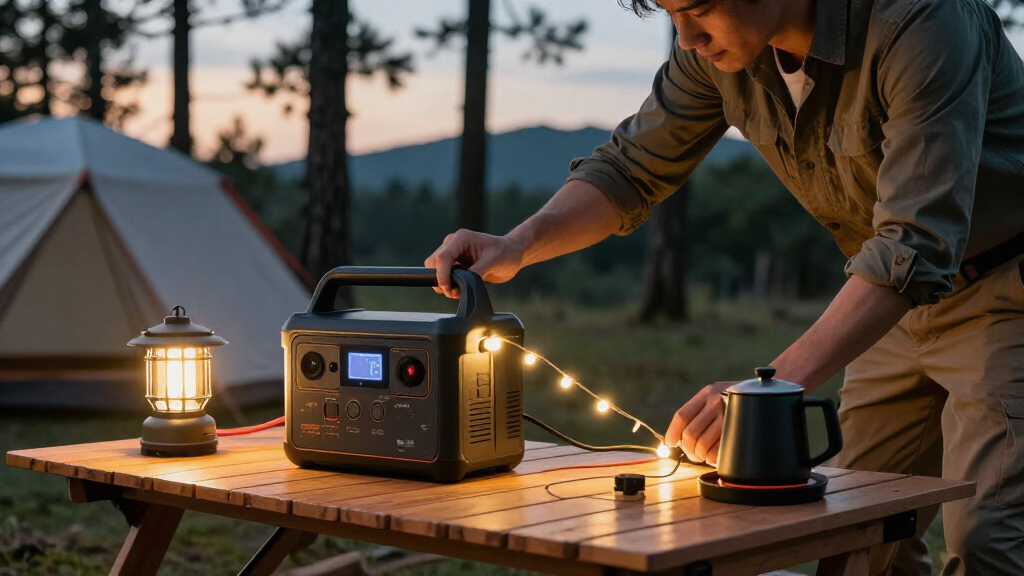
How We Picked
I evaluated each unit against five buyer-relevant criteria: usable capacity (watt-hours and how long that translates into real runtime for common devices), inverter output (whether it can actually run a fridge, microwave, or power tools, not just phones), battery chemistry and lifespan (LiFePO4 units rated for thousands of cycles scored higher than standard lithium-ion), recharge speed and solar input (how quickly you can refill it from a wall or panels), and portability (weight and size relative to capacity). I also weighed warranty strength and brand track record, because a power station is a multi-year purchase and support matters when a battery management system fails.
The ranking logic follows capacity tiers rather than a single winner-takes-all list. A 288Wh unit can’t compete head-to-head with a 2000Wh model, so I ordered the lineup to reflect how most buyers actually shop: the best all-around 1000Wh-class units first, then whole-home-capable options, then the value-tier midrange, then the ultralight sub-100Wh units for people whose real requirement is portability. Within each tier, chemistry, charging speed, and output headroom broke the ties.
| portable power station | Battery Type |
|---|---|
| Anker SOLIX C1000 Portable Pow | LiFePO4 |
| LIBRIDS Portable Power Station | LiFePO4 |
| Daran Portable Power Station 8 | LiFePO4 |
| Anker SOLIX C300 Portable Powe | LiFePO4 |
| Jackery Explorer 1000 v2 Porta | LFP (Lithium Iron Phosphate) |
| MARBERO Portable Power Station | — |
| BLUETTI Portable Power Station | LiFePO4 |
| Jackery Explorer 1000 v2 Porta | — |
| BLUETTI Elite 30 V2 Portable P | — |
| Jackery Explorer 300 Portable | LiFePO4 (4,000+ cycles) |
| ALLWEI Portable Power Station | LiFePO4 |
| GRECELL Portable Power Station | Lithium |
| 1000W Portable Power Station 1 | LiFePO4 |
| Anker SOLIX S2000 Portable Pow | LFP (Lithium Iron Phosphate) |
| UDPOWER S1200 Portable Power S | LiFePO4 |
Factors to Consider When Choosing Portable Power Stations
Before clicking buy on any portable power station, it helps to understand what the numbers on the box actually mean for your use case — and where manufacturers quietly cut corners. These are the factors that mattered most across this comparison.Capacity: Buy for Your Real Runtime, Not the Marketing Number
Watt-hours tell you how much energy is in the tank, but most buyers misjudge what that means in practice. A 1000Wh station runs a typical mini-fridge for roughly 12–15 hours, a CPAP for two to three nights, or a laptop a dozen times over — but inverter inefficiency and battery management overhead shave 10–15% off the rated figure. A common mistake is buying a 300Wh unit expecting weekend fridge coverage; it will disappoint. My rule of thumb: list every device you realistically need during an outage or trip, multiply watts by hours, add 20% headroom, and buy the tier above what you calculated, because batteries degrade and needs grow. Also note that some brands advertise charge cycles generously while others specify capacity at 80% depth of discharge — read the fine print before comparing sticker numbers.
Battery Chemistry: LiFePO4 Is Worth Paying More For
The single biggest hidden differentiator in this category is chemistry. LiFePO4 (iron phosphate) batteries typically last 2,500–4,000 charge cycles before dropping to 80% capacity, while standard NMC lithium-ion manages 500–800. If you recharge weekly, that’s the difference between a unit that lasts a decade and one that fades in two or three years. LiFePO4 is also more thermally stable, which matters for a device that lives in a hot car or RV compartment. The tradeoff is weight and cost: iron phosphate cells are heavier per watt-hour, which is why the ultralight sub-100Wh models still use older chemistries. For anything 250Wh and above that you expect to own long-term, chemistry should influence your decision more than an extra 50 watt-hours of capacity would.
Inverter Output and Surge Ratings
Capacity is how long it runs; inverter wattage is what it can run at all. A 600W station cannot start a microwave, and compressor-driven appliances like refrigerators draw two to three times their running wattage at startup — that surge is where underpowered units trip offline. In this lineup, the 1500W–1800W models (Jackery Explorer 1000 v2, BLUETTI AC180, UDPOWER S1200, Anker SOLIX S2000) cover essentially all kitchen and tool loads, while 300W-class units are strictly for lights, laptops, fans, and small drones. Pure sine wave output is non-negotiable if you’re powering sensitive electronics or medical devices — modified sine wave can cause buzzing, overheating, and long-term damage. Check the surge rating too, since that’s what handles motor startup, and confirm the total output is shared sensibly across ports rather than capped per outlet.
Recharge Speed and Solar Input
How fast a station refills determines whether it’s a one-shot backup or a sustainable off-grid power source. Modern units in this lineup recharge from empty in one to two hours via AC thanks to built-in high-wattage chargers, while older or budget designs can take six or more — a real problem when outage windows between grid failures are short. Solar input matters just as much for camping and emergencies: the UDPOWER S1200’s 400W solar input can meaningfully recharge it in a single sunny day, whereas small units with 60–100W input caps barely offset consumption. Check whether the unit supports pass-through charging (running devices while it recharges), and remember that solar panels are almost always sold separately, so budget for them if off-grid use is the plan. MPPT charge controllers, now common in mid-tier and above, extract noticeably more from panels than older PWM designs.
Weight, Portability, and Certifications
Weight scales brutally with capacity: the 2000Wh-class units here weigh 40+ pounds and need a wagon or two-person carry, while sub-100Wh models slide into a backpack and even meet airline carry-on limits. Be honest about whether you’ll actually haul a heavy station to a campsite — an unused powerhouse is worth less than a carried-out lightweight. For home emergency use, look for safety certifications like UL2743 (which the UDPOWER carries), since uncertified lithium packs are a genuine fire risk when left plugged in for months. Also consider outlet variety and placement: USB-C Power Delivery at 60W or 100W has largely replaced bulky AC bricks for modern gadgets, so a well-equipped station cuts down on adapters. Finally, warranty length signals how confident the manufacturer is in the battery management system — treat anything under two years with caution for a purchase you’ll own this long.
Frequently Asked Questions
Can a portable power station run a refrigerator during an outage?
It depends on both capacity and inverter output, and most people overestimate what a small unit can do. A standard full-size fridge needs 150–200 running watts but draws 600–1,200 watts briefly at compressor startup, so you need at least a 1000W-class inverter — the Jackery Explorer 1000 v2, BLUETTI AC180, and Anker SOLIX S2000 all handle this comfortably. Runtime-wise, expect roughly 8–12 hours per 1000Wh with a modern efficient fridge, and less with older models. For multi-day outages, pair the station with solar panels of at least 200W input or plan to rotate charging. Energy Star mini-fridges stretch runtime dramatically and can even run on some 500–600W units like the GRECELL or LIBRIDS C600.
Is LiFePO4 really better than regular lithium-ion for a power station?
For almost every buyer, yes — the chemistry difference shows up in lifespan, not day-one performance. LiFePO4 cells are typically rated for 2,500–4,000 full cycles versus 500–800 for NMC lithium-ion, which translates to many additional years of use if you recharge regularly. They’re also more thermally stable, meaning less risk from being stored in a hot vehicle or running continuously as home backup. The downsides are weight (roughly 20–30% heavier per watt-hour) and a slightly higher price for the same capacity. In this lineup, the Daran, ALLWEI, both BLUETTI models, the Anker SOLIX S2000, and the 1024Wh unit use LiFePO4, while the smallest models favor lighter NMC packs. If portability at any cost is your priority, NMC still has a place; otherwise pay the premium for the chemistry.
What size power station do I actually need for camping?
For typical car camping — charging phones, running lights, a portable fan, and maybe a drone or camera batteries — a 250–300Wh unit like the Anker SOLIX C300, Jackery Explorer 300, or BLUETTI Elite 30 V2 covers a weekend with room to spare. If you add a 12V cooler, electric blanket, or want to run a small coffee maker, step up to the 500–650Wh tier (GRECELL 519Wh or LIBRIDS C600). Only backpackers and ultralight travelers should consider sub-100Wh units like the MARBERO or Daran, which handle device charging but not appliances. A useful exercise: multiply each device’s wattage by the hours you’ll use it per day, sum the results, then multiply by your trip length. Buy the tier above your answer — batteries degrade, and it’s cheaper than replacing an undersized unit next season.
Can I leave a portable power station plugged in at home for emergencies?
Yes, and it’s actually the recommended storage method for most modern units, since they maintain charge and stay ready — but check two things first. Look for a safety certification like UL2743 (the UDPOWER S1200 carries it), which validates the battery management system against fire and overcharge scenarios for always-plugged-in use. Some stations also offer a UPS or pass-through mode that automatically switches your devices to battery power when the grid drops, giving you seamless backup for a computer or router — the UDPOWER is the standout here for that specific use. Keep the unit in a cool, dry spot away from direct sunlight, and top it up every few months if it doesn’t self-maintain. Quality LiFePO4 units tolerate this routine far better than older chemistries.
Are cheap generic power stations worth it, or should I stick to name brands?
The honest answer splits on use case. Generic units like the 1000W/1024Wh LiFePO4 model in this comparison offer remarkable capacity per dollar, and if the cell chemistry and features match the big brands, the core hardware is often similar. Where name brands like Anker, Jackery, and BLUETTI pull ahead is warranty support, app ecosystems, firmware updates, and easier access to replacement parts and compatible solar panels — things you’ll only appreciate when something goes wrong three years in. For a unit you rely on during medical needs or long off-grid stretches, I’d lean branded. For occasional camping or experimentation, a well-reviewed generic with LiFePO4 cells and real safety certifications is a defensible way to save. Whatever you choose, verify the listed certifications independently, since counterfeit UL marks are common on low-cost listings.
Conclusion
Choosing among these 15 portable power stations comes down to matching capacity and chemistry to how you’ll actually use it. For the best overall pick, the Anker SOLIX C1000 hits the sweet spot of capacity, fast recharging, and brand reliability for campers and emergency preppers alike. The best premium option is the Anker SOLIX S2000, whose 2010Wh capacity and LiFePO4 chemistry make it the one to buy for whole-home-circuit backup and long-term ownership. Best value goes to the BLUETTI AC180 if you want big inverter output without premium pricing, and the GRECELL 519Wh for budget-minded weekend campers. Beginners should start with the Anker SOLIX C300 or Jackery Explorer 300 — enough capacity to learn your real needs without a big commitment. For specific needs: the UDPOWER S1200 for UPS-style home backup, the MARBERO or Daran for backpack-weight portability, and the LIBRIDS C600 for a middle-path camping unit. Buy for the devices you’ll actually run, favor LiFePO4 for anything you plan to keep for years, and you’ll end up with the right station on the first try.
Fall Picks
fall essentials
As an affiliate, we earn on qualifying purchases.