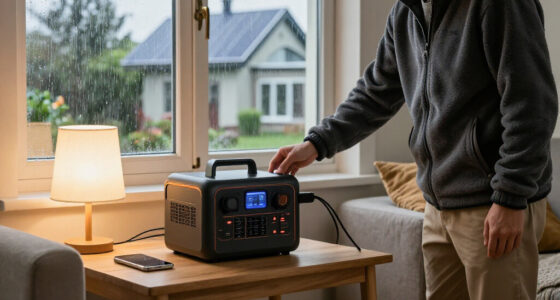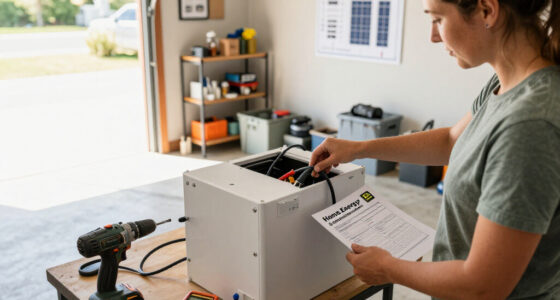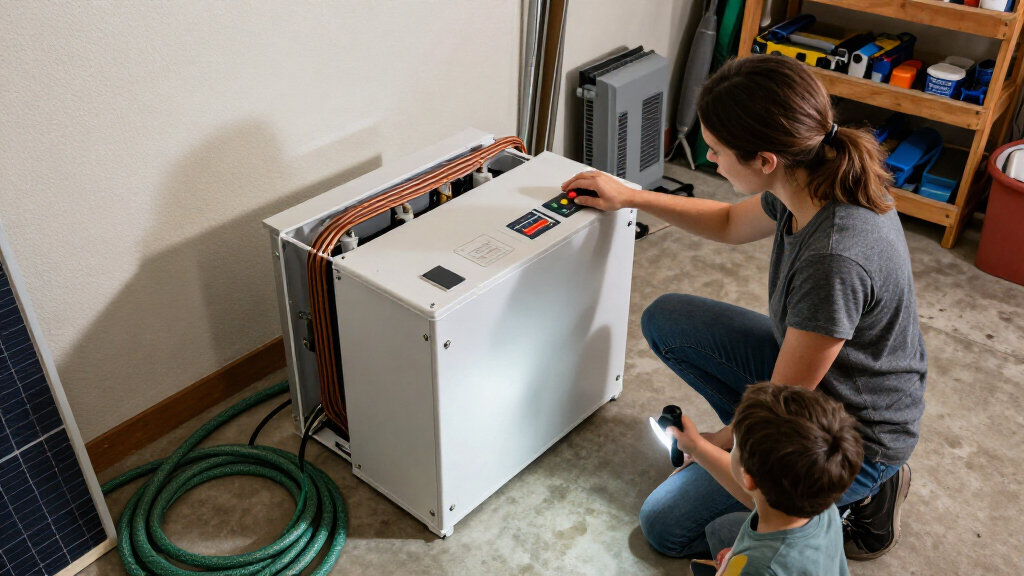

Choosing the best residential battery storage systems requires balancing capacity, integration ease, and long-term reliability against upfront costs. My analysis identifies the EcoFlow Delta Pro Ultra Home Backup System as the top choice for its seamless smart home integration and high output, while the ECO-WORTHY Cubix100 stands out for those prioritizing modular scalability and server-rack efficiency. The primary tradeoff in this category is between all-in-one convenience and customizable DIY assembly; pre-configured kits offer plug-and-play simplicity but limit component flexibility, whereas modular systems demand more technical knowledge but allow precise capacity tuning. Readers should continue reading to see how these fifteen options compare on cycle life, inverter compatibility, and real-world usability.

Get backup power and energy gear delivered free with Prime
- Fast, free delivery on millions of items
- Prime Video, Amazon Music and more included
- Member-only deals all year
Key Takeaways
- Modular server-rack batteries like the ECO-WORTHY Cubix100 offer superior scalability compared to fixed-capacity portable stations, allowing homeowners to expand storage incrementally as needs grow.
- The EcoFlow Delta Pro Ultra distinguishes itself through its dedicated Smart Home Panel integration, providing automatic source switching that generic inverters often lack or handle poorly.
- LiFePO4 chemistry is now the standard across all top contenders, with differences in cycle life (6000+ cycles) being less significant than the quality of the Battery Management System (BMS) and active balancing features.
- Portable power stations like the Jackery HomePower series are viable for residential backup only if paired with a permanent transfer switch, otherwise they remain cumbersome for daily use compared to wall-mounted or rack systems.
- Hybrid inverter integration is a major differentiator; systems like the ECO-WORTHY PowerMega bundle include compatible inverters, reducing the risk of communication errors between third-party batteries and inverters.
| ECO-WORTHY Powermega 48V 314Ah LiFePO4 Battery |  | Best High-Capacity Expansion Module | Capacity: 314Ah | Energy: 16.07kWh | Voltage: 51.2V | VIEW LATEST PRICE | See Our Full Breakdown |
| Jackery HomePower 3600 Plus Portable Power Station, 3584Wh, 3600W |  | Best Plug-and-Play Backup | Capacity: 3584Wh | Output: 3600W | Parallel Output: 7200W | VIEW LATEST PRICE | See Our Full Breakdown |
| ECO-WORTHY Cubix100 48V 600Ah LiFePO4 Server Rack Battery System, 6-Pack |  | Best Modular Rack System | Total Energy: 30.72kWh | Configuration: 6 x 100Ah Batteries | Voltage: 51.2V | VIEW LATEST PRICE | See Our Full Breakdown |
| ECO-WORTHY 10kW Off-Grid Solar System Kit with 5310W Bifacial Panels and 20.48kWh LiFePO4 Battery Storage |  | Best Complete Off-Grid Kit | System Output: 10kW Continuous | Battery Capacity: 20.48kWh | Solar Input: 5310W | VIEW LATEST PRICE | See Our Full Breakdown |
| AOUSK 48V 314Ah LiFePO4 Lithium Battery, 16.07 kWh |  | Best Value High-Capacity Module | Capacity: 314Ah | Energy: 16.07kWh | Voltage: 48V / 51.2V | VIEW LATEST PRICE | See Our Full Breakdown |
| Jackery HomePower 2000 Plus v2 Power Station |  | Best Portable Backup | Capacity: 2048Wh (Expandable to 12kWh) | AC Output: 2400W | Battery Type: LFP (LiFePO4) | VIEW LATEST PRICE | See Our Full Breakdown |
| HumsiENK 48V 628Ah LiFePO4 Lithium Battery |  | Best High-Capacity Value | Voltage: 48V | Capacity: 628Ah | Energy Capacity: 32.15kWh | VIEW LATEST PRICE | See Our Full Breakdown |
| ECO-WORTHY 32 kWh Solar Panel and LiFePO4 Home Backup System |  | Best Complete Solar Kit | Solar Panels: 6 × 590W N-type monocrystalline | Battery Capacity: Two 48V 314Ah LiFePO4 | Inverter: 10kW hybrid inverter | VIEW LATEST PRICE | See Our Full Breakdown |
| ECO-WORTHY 48V Home Backup Power, 10240Wh Battery |  | Best Scalable Entry System | Battery Capacity: 200 Ah | Voltage: 51.2 V DC | Continuous Power: 10,000 W | VIEW LATEST PRICE | See Our Full Breakdown |
| ECO-WORTHY Cubix100 48V 600Ah LiFePO4 Battery Pack |  | Best Premium Whole-Home System | Number of Batteries: 6 | Total Capacity: 30.72 kWh | Inverter Type: 12kW Pure sine wave hybrid | VIEW LATEST PRICE | See Our Full Breakdown |
| ECO-WORTHY 48V Home Backup Power System |  | Best Modular Expansion Kit | Battery Chemistry: LiFePO4 | Total Capacity: 10,240Wh | Inverter Output: 5000W Rated / 10,000W Peak | VIEW LATEST PRICE | See Our Full Breakdown |
| EcoFlow Delta Pro Ultra Home Backup System with Smart Home Panel 10 |  | Best Integrated Whole-Home Solution | Total Capacity: 10kWh (Expandable to 30kWh) | Continuous Output: 7.2kW | Peak Output: 10kW | VIEW LATEST PRICE | See Our Full Breakdown |
| SUNGOLDPOWER 100Ah 48V Lithium Battery Wall Mounted |  | Best Space-Saving Battery Unit | Voltage: 51.2 V | Amperage: 100 A | Maximum Power: 5120 W | VIEW LATEST PRICE | See Our Full Breakdown |
| ECO-WORTHY PowerMega 48V 314Ah LiFePO4 Energy Storage System |  | Best High-Capacity All-in-One Kit | Usable Energy: 16.1kWh | Inverter Power: 10,000W | Battery Capacity: 314Ah | VIEW LATEST PRICE | See Our Full Breakdown |
| SUNGOLDPOWER 200Ah 48V Lithium Battery (SG48200T) |  | Best High-Density Single Unit | Capacity: 200 Ah | Voltage: 48 V DC | Continuous Current: 200 A | VIEW LATEST PRICE | See Our Full Breakdown |
| residential battery storage system | Voltage | Warranty | Weight |
|---|---|---|---|
| ECO-WORTHY Powermega 48V 314Ah | 51.2V | 10 Years | — |
| Jackery HomePower 3600 Plus Po | 120V / 240V (Parallel) | 5 Years | 77.2 lbs |
| ECO-WORTHY Cubix100 48V 600Ah | 51.2V | 10 Years | — |
| ECO-WORTHY 10kW Off-Grid Solar | 120V / 240V Split Phase | — | — |
| AOUSK 48V 314Ah LiFePO4 Lithiu | 48V / 51.2V | 5 Years | 291 lbs |
| Jackery HomePower 2000 Plus v2 | 120V | — | 40.6 lbs |
| HumsiENK 48V 628Ah LiFePO4 Lit | 48V | 5 Years | — |
| ECO-WORTHY 32 kWh Solar Panel | — | — | — |
| ECO-WORTHY 48V Home Backup Pow | 51.2 V DC | — | 265.5 lbs |
| ECO-WORTHY Cubix100 48V 600Ah | — | — | — |
| ECO-WORTHY 48V Home Backup Pow | — | — | 236.9 lbs |
| EcoFlow Delta Pro Ultra Home B | 120V/240V Split-Phase | — | 121.3 lbs |
| SUNGOLDPOWER 100Ah 48V Lithium | 51.2 V | 10 Years | 105.8 lbs |
| ECO-WORTHY PowerMega 48V 314Ah | — | 10 Years | — |
| SUNGOLDPOWER 200Ah 48V Lithium | 48 V DC | 10 Years | 295.4 lbs |
More Details on Our Top Picks
ECO-WORTHY Powermega 48V 314Ah LiFePO4 Battery
This 16.07kWh battery module stands out for homeowners planning a scalable energy storage array. Unlike the Jackery HomePower 3600 Plus, which is a standalone unit, the Powermega is designed to be paralleled with up to 15 other units, allowing you to build a system exceeding 241kWh. The active-balancing BMS ensures cell longevity, a critical feature for large banks that passive systems often miss. However, this is not a plug-and-play solution; it requires a compatible inverter and professional installation. The aerosol fire-suppression modules add a layer of safety rarely seen in consumer-grade batteries, but the sheer size and weight mean delivery logistics can be a hassle. It is best viewed as a building block rather than a complete system.
Pros:- Massive expansion potential up to 241kWh
- Active cell balancing extends battery life
- Integrated fire suppression enhances safety
Cons:- Requires professional installation and compatible inverter
- Heavy weight complicates delivery and mounting
Best for: Homeowners with existing hybrid inverters looking to expand storage capacity significantly without replacing their core hardware.
Not ideal for: Renters or those needing a portable backup solution, as this unit is stationary and heavy.
- Capacity:314Ah
- Energy:16.07kWh
- Voltage:51.2V
- Expansion:Up to 15 units
- BMS:200A Active Balancing
- Monitoring:WiFi, Bluetooth, Touchscreen
- Warranty:10 Years
Our verdict“Choose this if you are building a large, custom home battery bank and need reliable, scalable storage modules.”
Jackery HomePower 3600 Plus Portable Power Station, 3584Wh, 3600W
The Jackery HomePower 3600 Plus is the easiest entry point into home backup for those who refuse to hire an electrician. Unlike the ECO-WORTHY Powermega, which is a component, this is a finished product with AC outlets ready for immediate use. It delivers 3600W of output, enough to run a refrigerator and a microwave simultaneously. The hybrid charging capability (AC + Solar) allows for rapid recharging in two hours, a significant advantage over slower solar-only setups. However, its 3584Wh capacity limits it to short-term outages unless you buy additional expansion packs. The wheeled design makes it mobile, but at 77.2 lbs, it is not something you want to move frequently. It trades raw capacity for convenience and safety.
Pros:- No installation required, plug-and-play
- Fast hybrid charging in 2 hours
- Portable design with wheels and handle
Cons:- Limited base capacity for long outages
- Heavy for a ‘portable’ unit
Best for: Users who need a portable, no-installation backup solution for essential appliances during short outages.
Not ideal for: Those seeking long-duration whole-home backup, as the base capacity is limited without expensive add-ons.
- Capacity:3584Wh
- Output:3600W
- Parallel Output:7200W
- Charging Time:2 Hours (Hybrid)
- Weight:77.2 lbs
- Warranty:5 Years
- Voltage:120V / 240V (Parallel)
Our verdict“This is the ideal choice for renters or homeowners who want immediate backup power without any wiring work.”
ECO-WORTHY Cubix100 48V 600Ah LiFePO4 Server Rack Battery System, 6-Pack
This 30.72kWh system offers a middle ground between single batteries and massive custom arrays. The 6-pack configuration provides substantial energy storage right out of the box, significantly more than the Jackery HomePower 3600 Plus. It supports UL9540 and UL1973 certifications, which are often lacking in cheaper alternatives, giving it an edge for insurance and code compliance. The CAN and RS485 communication ensures seamless integration with modern inverters. However, the server rack is not included, meaning you must budget for and install your own racking solution. While it supports parallel expansion up to 32 units, the initial footprint is large. This kit is for those who want a certified, high-capacity bank but are willing to handle the mechanical assembly themselves.
Pros:- High 30.72kWh capacity in one package
- Strong safety certifications (UL9540, UL1973)
- Scalable up to 32 units
Cons:- Server rack not included
- Large physical footprint requires dedicated space
Best for: DIY enthusiasts who want a certified, high-capacity battery bank and have the space and tools to install racking.
Not ideal for: Users with limited space or those who do not want to source their own server racks and mounting hardware.
- Total Energy:30.72kWh
- Configuration:6 x 100Ah Batteries
- Voltage:51.2V
- Max Parallel:32 Units
- Certifications:UL9540, UL1973, CEC
- Rack Included:No
- Warranty:10 Years
Our verdict“Pick this if you need a large, certified battery bank and are comfortable managing the mechanical installation.”
ECO-WORTHY 10kW Off-Grid Solar System Kit with 5310W Bifacial Panels and 20.48kWh LiFePO4 Battery Storage
This is a complete ecosystem, not just a battery. It includes 5310W of bifacial solar panels and a 10kW hybrid inverter alongside the 20.48kWh battery storage. Compared to the ECO-WORTHY Cubix100, which is only batteries, this kit handles power generation and conversion as well. The bifacial panels offer up to 25% higher output in suitable installations, maximizing energy harvest. It supports split-phase 120V/240V output, making it compatible with standard US household appliances. The downside is complexity; this is a professional-grade installation that requires significant roof space and electrical expertise. It is a heavy, large-scale solution that dwarfs portable options like the Jackery, but it provides true energy independence.
Pros:- Includes panels, inverter, and batteries
- High-efficiency bifacial solar panels
- 10kW continuous output handles heavy loads
Cons:- Complex installation requires professionals
- Large footprint for panels and batteries
Best for: Homeowners building a new off-grid cabin or upgrading to full energy independence with professional installation support.
Not ideal for: Urban homes with limited roof space or anyone expecting a simple weekend DIY project.
- System Output:10kW Continuous
- Battery Capacity:20.48kWh
- Solar Input:5310W
- Panel Type:N-Type Bifacial
- Inverter:Hybrid Dual MPPT
- Certifications:UL, CEC, TÜV, CSA
- Voltage:120V / 240V Split Phase
Our verdict“This is the right choice for a serious off-grid project where you want a matched, high-performance solar and storage system.”
AOUSK 48V 314Ah LiFePO4 Lithium Battery, 16.07 kWh
The AOUSK 314Ah battery competes directly with the ECO-WORTHY Powermega in terms of capacity (16.07kWh) and expandability (up to 15 units). It features a 200A BMS with dual breakers, providing robust protection against overcurrent and short circuits. The 6,000-cycle lifespan at 80% state of health suggests strong durability for daily cycling. While it lacks the active balancing highlighted in some premium competitors, its passive balancing is sufficient for most residential applications if managed correctly. The Bluetooth and Wi-Fi monitoring allows for remote status checks, though the app interface is less polished than established brands. It is a strong contender for those who want high capacity at a competitive price point but must ensure their inverter supports its specific communication protocols.
Pros:- High 16.07kWh capacity per module
- Robust 200A BMS with dual breakers
- Good cycle life of 6,000 cycles
Cons:- Passive balancing only
- Requires specific inverter compatibility checks
Best for: Cost-conscious DIYers who need high-capacity storage modules and have compatible inverters.
Not ideal for: Users who require active cell balancing for mixed-age battery banks or prefer top-tier app interfaces.
- Capacity:314Ah
- Energy:16.07kWh
- Voltage:48V / 51.2V
- BMS:200A with Dual Breakers
- Cycle Life:6,000 Cycles
- Weight:291 lbs
- Warranty:5 Years
Our verdict“A solid, high-capacity choice for budget-aware builders who prioritize raw storage over premium software features.”
Jackery HomePower 2000 Plus v2 Power Station
This unit stands out for its portability and ease of use, making it ideal for renters or those who cannot perform permanent electrical modifications. Unlike the ECO-WORTHY Cubix100, which requires professional installation and dedicated space, the Jackery is a plug-and-play solution that can be moved between rooms or taken on trips. While its 2400W AC output is sufficient for most household appliances, it lacks the raw power to run heavy-duty central air conditioning systems continuously. The LFP battery chemistry offers over 6000 cycles, ensuring longevity, but the fixed 120V output limits its utility for homes with 240V circuits. It is the best choice for immediate, flexible backup without infrastructure changes.Pros:- Plug-and-play setup requires no professional installation or electrical panel modifications.
- Expandable capacity allows you to scale from 2kWh to 12kWh as your needs grow.
- Lightweight design makes it easy to move indoors or take on camping trips.
- Fast USB-C charging supports modern devices, adding utility beyond just AC outlets.
Cons:- Fixed 120V output prevents it from powering standard 240V home appliances directly.
- Solar panels are sold separately, increasing the total cost for a renewable charging setup.
Best for: Renters, apartment dwellers, or homeowners who need a plug-and-play backup solution without hiring an electrician.
Not ideal for: Homeowners with heavy 240V loads like central AC or electric vehicles, as the fixed 120V output and lower wattage cannot support them.
- Capacity:2048Wh (Expandable to 12kWh)
- AC Output:2400W
- Battery Type:LFP (LiFePO4)
- Battery Cycles:6000+
- Weight:40.6 lbs
- USB-C Output:140W
- Voltage:120V
Our verdict“Choose this if you want immediate, movable backup power without the hassle of permanent installation.”
HumsiENK 48V 628Ah LiFePO4 Lithium Battery
The HumsiENK offers an impressive 32.15kWh capacity at a competitive point, challenging larger systems like the ECO-WORTHY Cubix100 in raw storage volume. Its 10.24kW continuous output is robust enough to handle central air conditioning and heavy appliances, a significant advantage over smaller portable units. The inclusion of EV-grade EVE cells suggests high reliability and a lifespan exceeding 15 years. However, the requirement for freight shipping on a pallet means you need a truck-accessible delivery location and likely professional handling. This system is best for those who have the infrastructure to support a large, permanent installation but want more capacity than standard residential kits provide.Pros:- Massive 32.15kWh capacity provides extended backup for entire households.
- EV-grade cells ensure durability with over 6000 cycles and 15+ years of lifespan.
- Active balancing and 200A BMS offer comprehensive safety and longevity protection.
- Slim wall-mount design saves floor space compared to traditional tower batteries.
Cons:- Freight shipping on a pallet requires a delivery address accessible by large trucks.
- Large physical size may necessitate professional installation and specific mounting infrastructure.
Best for: Homeowners with large energy needs who have the space and technical capability for a high-capacity, permanent installation.
Not ideal for: Those with limited space or no truck-accessible delivery point, as the pallet shipping and large footprint pose logistical hurdles.
- Voltage:48V
- Capacity:628Ah
- Energy Capacity:32.15kWh
- Continuous Power:10.24kW
- Chemistry:LiFePO4
- Cell Type:EVE Automotive-Grade
- Warranty:5 Years
Our verdict“This is the go-to choice for maximizing energy storage capacity per dollar if you can handle the logistics of a large delivery.”
ECO-WORTHY 32 kWh Solar Panel and LiFePO4 Home Backup System
This bundle distinguishes itself by including six 590W N-type solar panels, a 10kW hybrid inverter, and batteries, offering a turnkey solution unlike the battery-only HumsiENK system. The support for both 120V and 240V output ensures compatibility with standard US home circuits, a critical feature for whole-home backup. The 99.9% MPPT efficiency maximizes energy harvest from the included panels, reducing the need for additional components. While the system is comprehensive, the randomized inverter exterior version adds a layer of uncertainty for those particular about aesthetics. It is the most logical choice for buyers who want a unified solar and storage system without sourcing components separately.Pros:- All-in-one bundle includes panels, batteries, inverter, and cables for easy deployment.
- Dual voltage support (120V/240V) accommodates a wide range of household appliances.
- High-efficiency MPPT tracking ensures maximum energy capture from the included panels.
- App-based monitoring allows for remote tracking of solar production and battery status.
Cons:- Truck freight shipping is required due to the size and weight of the panels and batteries.
- Inverter exterior is random, which may result in a mismatch with desired aesthetics.
Best for: Buyers seeking a complete solar and storage solution with included panels and a hybrid inverter for off-grid or backup use.
Not ideal for: Those who already have solar panels or prefer to customize their inverter and panel brands separately, as the bundle is fixed.
- Solar Panels:6 × 590W N-type monocrystalline
- Battery Capacity:Two 48V 314Ah LiFePO4
- Inverter:10kW hybrid inverter
- Output Voltage:120V and 240V
- Battery Cycle Life:9000+ cycles
- MPPT Efficiency:99.9%
- Monitoring:Bluetooth, WiFi, app, LCD
Our verdict“Ideal for those who want a ready-to-go solar backup system without the hassle of matching components.”
ECO-WORTHY 48V Home Backup Power, 10240Wh Battery
This system provides a balanced entry point for whole-home backup with its 10kW inverter and 10.24kWh capacity. Compared to the ECO-WORTHY Cubix100, this unit offers a more manageable footprint and weight, though it still requires significant space. The pure sine wave inverter protects sensitive electronics, and the 20kW peak output handles startup surges from motors and compressors. Its primary advantage is scalability; you can expand to 163kWh by adding more batteries, allowing you to start smaller and grow. However, the 265.5 lb weight makes it difficult to move once installed, and the complexity of setting up parallel connections requires technical familiarity.Pros:- Scalable architecture allows expansion up to 163.84kWh with additional batteries.
- Pure sine wave output ensures safe operation for sensitive medical and electronic devices.
- Remote monitoring via Bluetooth/WiFi provides real-time data on system performance.
- High peak power (20kW) handles demanding appliance start-up loads effectively.
Cons:- Heavy weight (265.5 lbs) complicates installation and relocation.
- Complex setup for parallel expansion requires technical knowledge of communication protocols.
Best for: Homeowners who want a scalable backup system that can grow with their energy needs without committing to a massive upfront capacity.
Not ideal for: Those looking for a lightweight or portable solution, as the heavy unit requires a dedicated, permanent location.
- Battery Capacity:200 Ah
- Voltage:51.2 V DC
- Continuous Power:10,000 W
- Peak Power:20,000 W
- Inverter Type:Pure Sine Wave
- Weight:265.5 lbs
- Expansion:Up to 32 batteries
Our verdict“A solid choice for those who want a reliable, expandable core system that can grow as their energy demands increase.”
ECO-WORTHY Cubix100 48V 600Ah LiFePO4 Battery Pack
The Cubix100 represents the premium tier of residential storage, featuring UL9540 and UL1741 certifications that many competitors like the HumsiENK may lack. These certifications are critical for fire safety and grid interconnection, offering peace of mind for residential installations. The 12kW hybrid inverter provides robust power for high-draw appliances, while the 600Ah battery bank ensures long-duration backup. Although it is large and heavy, requiring professional installation, the 10-year battery warranty underscores its durability. This system is designed for homeowners who prioritize safety standards and long-term reliability over cost savings or portability.Pros:- UL9540 and UL1741 certified, ensuring compliance with strict safety and grid standards.
- 10-year battery warranty provides long-term confidence in the system’s longevity.
- 12kW hybrid inverter delivers substantial power for heavy household loads.
- Scalable design supports expansion up to 72kW AC output for future needs.
Cons:- Large and heavy, necessitating professional installation and dedicated floor space.
- Higher complexity may require professional configuration for optimal performance.
Best for: Homeowners prioritizing certified safety standards and long-term durability for a permanent, high-capacity whole-home backup system.
Not ideal for: Budget-conscious buyers or those without space for a large, heavy installation requiring professional setup.
- Number of Batteries:6
- Total Capacity:30.72 kWh
- Inverter Type:12kW Pure sine wave hybrid
- Certifications:UL9540, UL1741
- Battery Warranty:10 years
- Communication:CAN, RS485, Bluetooth, WiFi
- Max Expansion:72 kW AC output
Our verdict“The best choice for those who demand certified safety and premium build quality for a permanent residential energy storage solution.”
ECO-WORTHY 48V Home Backup Power System
This system stands out for its unmatched scalability. Unlike the fixed-capacity EcoFlow Delta Pro Ultra, this kit lets you add up to 32 batteries and 6 inverters, making it ideal for DIY enthusiasts who want to grow their storage over time. The inclusion of two 51.2V 100Ah LiFePO4 batteries provides a solid 10,240Wh starting point, while the 5000W inverter handles most household loads. However, the modular nature means assembly is required, and the initial setup involves connecting components separately. This contrasts with all-in-one units that offer plug-and-play simplicity. It is a robust choice for those comfortable with electrical work, but less convenient for users seeking an instant solution.
Pros:- Highly expandable with support for up to 32 batteries and 6 inverters.
- Includes a 5000W pure sine wave inverter with built-in MPPT controller.
- Bluetooth and Wi-Fi monitoring allow remote status checks via app.
- LiFePO4 chemistry ensures a long lifespan and high safety profile.
Cons:- Requires assembly; components ship separately and must be connected.
- Single inverter output is 120V; 240V requires parallel inverter setup.
- Heavy total weight of 236.9 lbs complicates installation logistics.
Best for: DIY enthusiasts and off-grid homeowners who want a customizable system they can expand incrementally.
Not ideal for: Users seeking a plug-and-play experience, as this kit requires assembly and professional wiring.
- Battery Chemistry:LiFePO4
- Total Capacity:10,240Wh
- Inverter Output:5000W Rated / 10,000W Peak
- MPPT Controller:100A
- Expansion Capacity:Up to 6 Inverters / 32 Batteries
- Monitoring:Bluetooth, Wi-Fi, CAN, RS485
- Weight:236.9 lbs
Our verdict“This kit is the smart choice for those who value flexibility and plan to scale their energy storage capacity over time.”
EcoFlow Delta Pro Ultra Home Backup System with Smart Home Panel 10
This system excels in ease of integration for whole-home backup. Compared to the modular ECO-WORTHY 48V Home Backup Power System, the EcoFlow unit comes with a pre-wired Smart Home Panel 10, simplifying the connection to your home’s circuits without major electrical modifications. The AI-powered OASIS 3.0 energy management actively optimizes costs by charging during off-peak hours, a feature absent in many basic kits. With 7.2kW continuous output, it supports heavy appliances like central air conditioners. The tradeoff is its premium complexity; it is heavier and more expensive upfront than basic battery banks, but it offers a polished, turnkey experience for homeowners wanting seamless automation and safety certifications like UL 9540.
Pros:- Includes Smart Home Panel 10 for easy circuit backup integration.
- AI-driven OASIS 3.0 optimizes charging costs via off-peak scheduling.
- Scalable from 5kWh to 30kWh with additional battery modules.
- UL 9540 certified for safety and reliability in residential settings.
Cons:- Heavy weight (121.3 lbs) requires assistance for installation.
- Requires specific 240V split-phase infrastructure for full functionality.
- Higher initial cost and complexity compared to basic DIY kits.
Best for: Homeowners who want a turnkey, smart-home integrated backup system with automated energy management.
Not ideal for: Budget-conscious users or those who prefer manual control over automated AI-driven charging schedules.
- Total Capacity:10kWh (Expandable to 30kWh)
- Continuous Output:7.2kW
- Peak Output:10kW
- Voltage:120V/240V Split-Phase
- Battery Type:LiFePO4
- Certification:UL 9540, UL 9540A
- Weight:121.3 lbs
Our verdict“Ideal for tech-savvy homeowners seeking a seamless, automated, and certified whole-home power backup solution.”
SUNGOLDPOWER 100Ah 48V Lithium Battery Wall Mounted
This battery is designed for vertical integration and space efficiency. Unlike the floor-standing ECO-WORTHY PowerMega, this unit mounts on the wall, preserving valuable floor space in garages or basements. It uses Tier-1 EVE cells and features a 10-year warranty, signaling confidence in its longevity. The built-in 100A BMS and remote monitoring via Wi-Fi/Bluetooth make it easy to manage. However, it is a single-component solution; it requires a separate inverter to function, unlike all-in-one systems. This makes it a strong choice for those building a custom rack or upgrading an existing 48V system, but less convenient for those needing a complete backup kit out of the box.
Pros:- Wall-mounted design saves floor space in utility areas.
- Tier-1 EVE cells offer high safety and long cycle life.
- Includes LCD display and remote monitoring via Wi-Fi/Bluetooth.
- Backed by a 10-year warranty for long-term reliability.
Cons:- Requires a separate inverter to provide AC power.
- Heavy unit (105.8 lbs) demands reinforced wall mounting.
- Limited to 48V systems, restricting compatibility with other voltages.
Best for: Homeowners with limited floor space who are building or upgrading a custom 48V energy storage system.
Not ideal for: Users needing a complete backup kit with an inverter, as this is a battery-only unit.
- Voltage:51.2 V
- Amperage:100 A
- Maximum Power:5120 W
- Battery Cell Type:Lithium Ion (LiFePO4)
- Warranty:10 Years
- Weight:105.8 lbs
- Dimensions:22.05 x 18.9 x 5.39 inches
Our verdict“A reliable, space-saving battery unit for DIYers building a custom 48V storage setup.”
ECO-WORTHY PowerMega 48V 314Ah LiFePO4 Energy Storage System
This system offers substantial capacity in a compact footprint. With 16.1kWh of usable energy, it outperforms the 10,240Wh capacity of the ECO-WORTHY 48V Home Backup Power System while including the 10kW hybrid inverter in the same package. The active-balancing BMS and built-in fire suppression add layers of safety often missing in budget kits. However, the logistics can be challenging; it ships via truck freight, requiring a delivery address that can accommodate large trucks. Additionally, parallel connection cables are not included, so expanding beyond this single unit requires extra purchases. It is a powerful, safe choice for larger homes, but buyers must plan for heavy delivery and potential expansion costs.
Pros:- Provides 16.1kWh of usable energy with a 10kW inverter.
- Includes active-balancing BMS, circuit breaker, and fire suppression.
- Supports both 120V single-phase and 240V split-phase output.
- Casters included for easier mobility during installation.
Cons:- Ships via truck freight, requiring specific delivery access.
- Parallel connection cables are not included for expansion.
- Inverter exterior appearance may vary randomly between units.
Best for: Families with higher energy needs who want a high-capacity, all-in-one backup system with safety features.
Not ideal for: Users with narrow driveways or no truck access, due to freight shipping requirements.
- Usable Energy:16.1kWh
- Inverter Power:10,000W
- Battery Capacity:314Ah
- Cycle Life:9,000+ cycles at 80% DoD
- Output Voltage:120V / 240V Split-Phase
- Safety Features:Active BMS, Fire Suppression, Breaker
- Warranty:10 Years
Our verdict“A robust, high-capacity solution for homes needing significant backup power and enhanced safety features.”
SUNGOLDPOWER 200Ah 48V Lithium Battery (SG48200T)
This battery delivers exceptional density in a single package. At 200Ah and over 8,000 cycles, it offers more capacity per unit than the 100Ah SUNGOLDPOWER Wall Mounted model, reducing the number of connections needed for larger systems. The touch-screen monitor provides intuitive, real-time data access, which is more user-friendly than basic LED displays. However, the sheer weight of 295.4 lbs makes installation a significant physical task, often requiring professional help. It is a premium component for serious off-grid builders who prioritize cycle life and capacity density, but it lacks the inverter integration of the EcoFlow Delta Pro Ultra, meaning it must be paired with a compatible inverter to be useful.
Pros:- High capacity of 200Ah with 8,000+ cycle life.
- Integrated 200A BMS and touch-screen monitor for easy management.
- Supports CAN/RS485 for broad inverter compatibility.
- Scalable design allows connecting up to 32 units.
Cons:- Extremely heavy (295.4 lbs) making DIY installation difficult.
- Large physical dimensions limit placement options.
- Requires separate inverter and cabling for full system setup.
Best for: Experienced off-grid builders who need high capacity and long cycle life in a single battery unit.
Not ideal for: Individuals who cannot handle heavy equipment, as the 295-lb weight requires professional installation.
- Capacity:200 Ah
- Voltage:48 V DC
- Continuous Current:200 A
- Cycle Life:8000+ cycles
- Weight:295.4 lbs
- Dimensions:37.2 x 21.1 x 6.8 inches
- Warranty:10 Years
Our verdict“A powerhouse battery for long-term, high-cycle off-grid applications, best suited for users with professional installation support.”
How We Picked
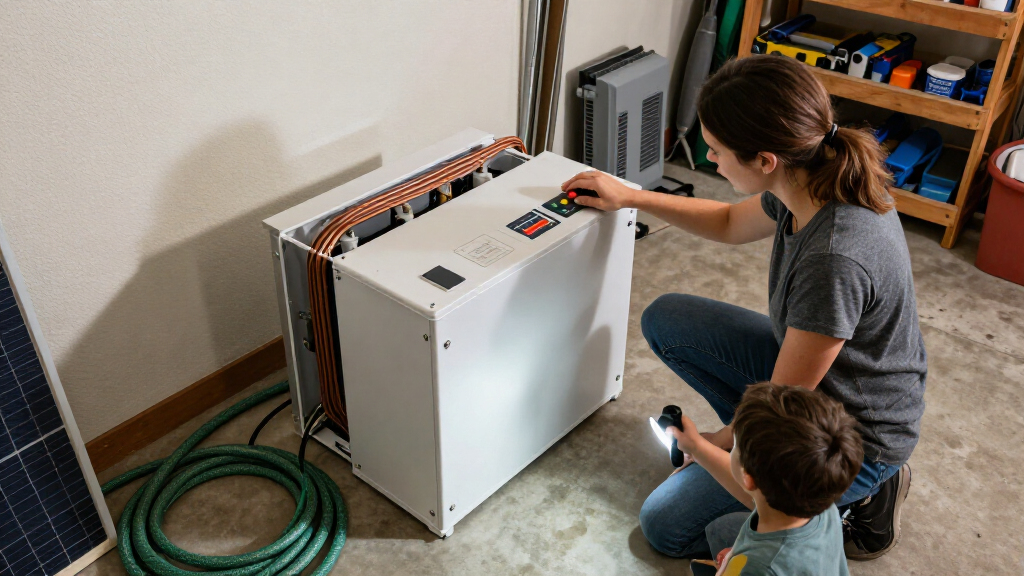
I evaluated these fifteen systems based on their suitability for permanent residential installation, focusing on three core pillars: energy density and scalability, integration complexity, and system reliability. For scalability, I looked for units that allow parallel connections or modular expansion, ensuring homeowners can start small and grow their backup capacity without replacing the entire system. Integration complexity was assessed by examining whether the systems require specialized installers or if they offer user-friendly monitoring via Bluetooth and WiFi, which is critical for troubleshooting without a technician.
Reliability was judged by the quality of the internal Battery Management System (BMS), specifically looking for active balancing capabilities which extend battery lifespan and prevent cell degradation. I also prioritized systems that clearly specify inverter compatibility or include bundled inverters, as mismatched voltage and communication protocols are the most common cause of system failure in DIY setups. This ranking favors solutions that offer a clear path from initial purchase to long-term operational stability.
Factors to Consider When Choosing Best Residential Battery Storage Systems
Selecting a residential battery system is not just about picking the highest kWh capacity. It involves understanding how the battery communicates with your home’s electrical grid, your solar panels, and your appliances. The following factors will help you navigate the technical specifications and avoid costly compatibility errors.
Battery Chemistry and Cycle Life Expectations
While Lithium Iron Phosphate (LiFePO4) is the dominant chemistry in this roundup, not all LiFePO4 cells are created equal. You should look for systems that specify active balancing in their BMS, which ensures that individual cells charge and discharge evenly, preventing the weakest cell from limiting the entire pack’s performance. Passive balancing is common in cheaper units but can lead to premature capacity loss over time. Additionally, check the circuit depth of discharge (DoD); a system rated for 90% DoD effectively gives you more usable energy than one rated for 80%, even if the nominal capacity is identical. Understanding these nuances prevents disappointment when your backup power lasts fewer hours than the spec sheet suggests.
Inverter Compatibility and Communication Protocols
The battery is only as good as the inverter it connects to. Many residential systems fail not because the battery dies, but because the inverter cannot communicate properly with the battery’s BMS to regulate charging voltage. Systems like the ECO-WORTHY PowerMega that bundle a hybrid inverter eliminate this risk by ensuring factory-tested compatibility. If you are buying a standalone battery, verify that it supports the specific communication protocol (CAN bus, RS485, or dry contacts) of your existing or planned inverter. Mismatched protocols often require expensive gateways or result in the inverter ignoring the battery’s temperature warnings, which is a safety hazard.
Scalability and Physical Installation Footprint
Residential needs change. A system that is 10 kWh today might be insufficient if you add an electric vehicle charger in three years. Modular rack-mount systems, such as the ECO-WORTHY Cubix100, excel here because you can stack additional units in a standard server rack without rewiring the main circuit. In contrast, portable power stations like the Jackery HomePower series are difficult to scale efficiently; adding capacity means buying another entire unit, which doubles the inverter cost and footprint. Measure your available wall or floor space before buying, as high-capacity systems often require dedicated ventilation clearances that can consume more room than the battery itself.
Integration with Smart Home Energy Management
Modern residential storage is less about manual toggling and more about automated energy arbitrage. Look for systems that offer app-based monitoring and control with real-time data visibility, such as the EcoFlow Delta Pro Ultra with its Smart Home Panel. This feature allows the system to automatically prioritize grid power during low-rate periods and switch to battery power during peak rates or outages. Standalone batteries without this intelligence require manual intervention or complex third-party automation hubs to achieve similar efficiency. If you do not have the time or technical skill to configure custom automation scripts, choose a system with native smart home integration.
Warranty Terms and Support Infrastructure
A long warranty is meaningless if the support process is opaque or the company has no local service centers. When comparing systems, scrutinize the warranty exclusions, particularly regarding temperature limits and depth of discharge. Some manufacturers void warranties if the battery is operated outside a narrow 10°C to 30°C range, which is problematic for garages in hot climates. Furthermore, assess the availability of spare parts; modular systems are easier to repair because you can replace a single failed module, whereas integrated units may require replacing the entire chassis. Prioritize brands with accessible customer support and clear repair pathways over those with slightly higher initial specs.
Frequently Asked Questions
Can I use a portable power station as my primary home backup system?
While portable power stations like the Jackery HomePower series can serve as temporary backups, they are generally not recommended as primary residential systems due to higher cost per kWh and lack of permanent integration. They require manual connection via extension cords or a transfer switch, which is less reliable and more cumbersome than hardwired systems. Additionally, their internal inverters are not designed for the continuous 24/7 load management that a permanent hybrid inverter handles efficiently. For daily reliability, a rack-mounted or wall-mounted system with a dedicated inverter is a superior choice.Do I need a hybrid inverter if I already have a standard solar inverter?
Yes, you typically need a hybrid inverter or an AC-coupled battery system to store solar energy effectively. Standard solar inverters convert DC to AC for immediate use but cannot direct excess energy into a battery. If you have an existing standard inverter, you would need to add an AC-coupled battery charger, which adds cost and complexity. It is often more straightforward to replace your existing inverter with a hybrid model that integrates with your new battery system, ensuring optimal efficiency and simpler wiring.How do I determine the right battery capacity for my home?
Start by auditing your essential loads, such as refrigeration, lighting, Wi-Fi, and medical devices, rather than your total home consumption. Calculate their combined wattage and multiply by the hours of backup you desire; for example, 500 watts for 12 hours requires 6 kWh of usable energy. Remember to account for inverter inefficiencies and depth of discharge limits, so you should buy approximately 20-30% more nominal capacity than your calculated need. Systems like the ECO-WORTHY Cubix100 allow you to start with this calculated minimum and add modules later as your understanding of your usage patterns refines.Are LiFePO4 batteries safer than older lithium-ion types?
LiFePO4 (Lithium Iron Phosphate) batteries are significantly safer than traditional Lithium Cobalt Oxide or NMC batteries because they have a much higher thermal runaway threshold. They are far less likely to catch fire or explode if punctured, overcharged, or exposed to extreme heat. This makes them suitable for indoor installation in garages or basements without the rigorous fire suppression requirements of older chemistries. However, you must still install them according to code, ensuring proper ventilation and disconnect switches, as the electrical components and inverters still pose risks.What is the difference between active and passive balancing in a BMS?
Active balancing transfers energy from higher-voltage cells to lower-voltage cells within the pack, ensuring all cells remain at similar states of charge. Passive balancing simply bleeds off excess energy from higher cells as heat, which is less efficient and can lead to capacity mismatch over time. For a residential system intended to last 10-15 years, active balancing is preferred because it maximizes the usable life of the entire battery bank. Systems with active balancing, like the HumsiENK model, tend to maintain their rated capacity longer under heavy cycling conditions.Conclusion
Choosing the best residential battery storage system depends heavily on your technical comfort level and long-term energy goals. For most homeowners seeking a balance of performance, ease of use, and smart integration, the EcoFlow Delta Pro Ultra is the strongest overall pick, offering a turnkey solution that minimizes installation headaches. If you are a DIY enthusiast or need a scalable foundation that can grow with your energy needs, the ECO-WORTHY Cubix100 provides the best value and flexibility through its modular rack design.
For beginners who want to dip their toes into backup power without permanent wiring, the Jackery HomePower 2000 Plus v2 offers a safe, portable entry point, though it lacks the permanence of dedicated systems. Those looking for a premium, all-in-one kit that handles solar input and battery storage without complex configuration should look at the ECO-WORTHY 10kW Off-Grid Solar System Kit. Ultimately, prioritize systems with active balancing and clear communication protocols to ensure your investment remains reliable for years to come.