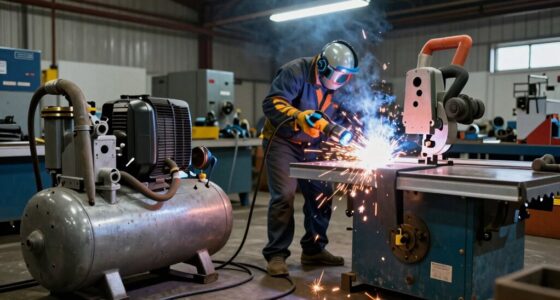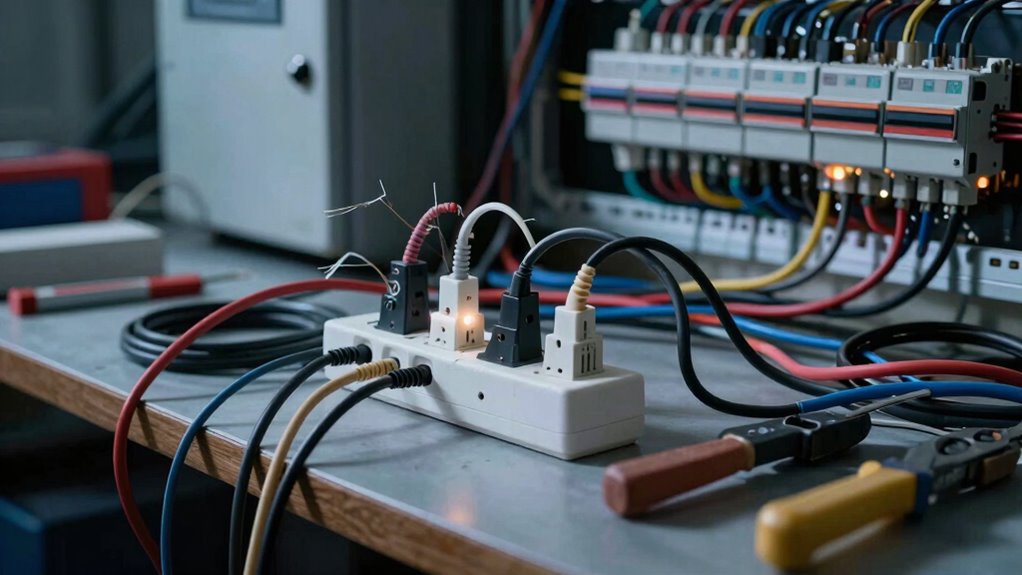

Ignoring startup loads can silently drain your workshop’s budget through unexpectedly high energy bills, as surge power becomes several times higher than normal. It also accelerates equipment wear, leading to costly repairs and shorter lifespans. Unmanaged loads cause voltage fluctuations that damage electrical components and reduce system reliability. Overlooking these factors increases safety risks and can result in system failure. To protect your equipment and costs, understanding these hidden impacts is essential—discover more to keep your workshop running smoothly.

Get backup power and energy gear delivered free with Prime
- Fast, free delivery on millions of items
- Prime Video, Amazon Music and more included
- Member-only deals all year
Key Takeaways
- Ignoring startup loads leads to unexpectedly high energy bills from surge demands.
- Startup surges accelerate equipment wear, increasing maintenance and replacement costs.
- Unmanaged loads cause voltage fluctuations damaging sensitive electrical components.
- Overlooking startup loads reduces system reliability and increases operational risks.
- Proper load management enhances safety, prevents electrical faults, and extends equipment lifespan.
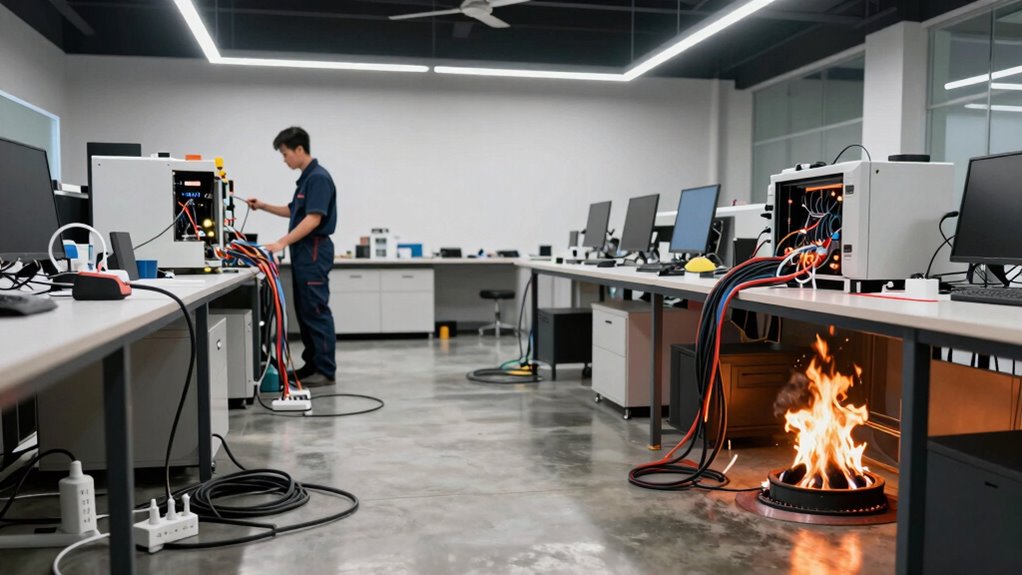
Ignoring startup loads can seem like a minor oversight, but it often leads to considerable hidden costs over time. When you don’t account for the initial surge of power required to start equipment, you risk escalating your overall power consumption. These startup loads demand a burst of energy that can be several times higher than the equipment’s normal operating level. As a result, your energy bills can spike unexpectedly, especially if multiple machines start simultaneously. Over time, this increased power draw adds up, quietly draining your workshop’s budget without obvious cause.
Ignoring startup loads leads to hidden costs, higher energy bills, and faster equipment wear over time.
Beyond the immediate impact on power consumption, neglecting startup loads also accelerates equipment wear. Machines are designed to handle a certain load during normal operation, but the initial surge during startup puts additional stress on motors and electrical components. This stress causes faster degradation of critical parts, leading to more frequent repairs and replacements. You may notice motors overheating or bearings wearing out prematurely, which not only increases maintenance costs but also results in unexpected downtime. The cumulative effect of ignoring these startup loads is a shortened lifespan for your equipment, forcing you to invest more in repairs and replacements over time. Properly managing these loads can also prevent electrical component damage, ensuring your equipment remains reliable longer.
Furthermore, when startup loads aren’t properly managed, you may experience fluctuations in voltage and current that can ripple through your electrical system. These fluctuations can damage sensitive components and reduce the efficiency of your entire setup. In a busy workshop, where multiple machines operate throughout the day, these hidden electrical stresses compound, leading to less reliable equipment performance and potential safety hazards. Additionally, unstable power quality can cause erratic behavior in your electrical systems, making troubleshooting more difficult. Properly managing these loads can also prevent unnecessary strain on your electrical infrastructure and prevent costly outages. Implementing power management strategies can help mitigate these risks and ensure smoother operation. Moreover, understanding the importance of correct electrical system sizing can further enhance your workshop’s resilience against startup surges.
Investing in reliable solutions to control startup loads can also lead to improved overall safety by reducing the risk of electrical faults and fires caused by overloaded components.
surge protector for workshop equipment
As an affiliate, we earn on qualifying purchases.
As an affiliate, we earn on qualifying purchases.
Frequently Asked Questions
How Can Startups Accurately Predict Their Initial Load Requirements?
You can accurately predict your initial load requirements by avoiding common startup misconceptions and focusing on thorough load estimation. Conduct detailed assessments of your equipment and processes, and consult industry benchmarks to refine your estimates. Keep in mind that load estimation pitfalls often lead to under- or over-preparing, so incorporate flexibility and monitor actual loads closely during early operations. Regularly update your predictions as your startup scales to prevent costly surprises.
What Tools Are Best for Measuring Startup Loads Effectively?
A stitch in time saves nine, so choosing the right tools is essential. You should use thermal stress analyzers and power quality meters to measure startup loads effectively. These tools help you identify power fluctuations and thermal stress early, preventing equipment damage. Data logging devices provide real-time insights, ensuring you understand the initial load requirements thoroughly. Proper measurement tools keep your workshop running smoothly and avoid costly surprises down the line.
How Do Startup Loads Impact Long-Term Equipment Reliability?
Startup loads directly impact long-term equipment reliability by causing stress during startup procedures. If you ignore load fluctuations, you risk accelerating wear and tear, leading to premature equipment failure. Properly managing startup procedures helps stabilize load changes, reducing strain on components. By addressing these fluctuations early, you guarantee smoother startups, extend equipment lifespan, and avoid costly repairs down the line.
Are There Industry Standards for Acceptable Startup Load Levels?
Yes, industry standards for acceptable startup load levels exist, but many believe in startup load myths that can lead you astray. To avoid costly equipment issues, you should adopt effective load management strategies, ensuring loads are managed within recommended limits. These standards help you prevent unnecessary wear and tear, ultimately boosting equipment reliability and lifespan. Proper load management is essential for maintaining peak performance and avoiding avoidable downtime.
What Are the Common Mistakes in Estimating Startup Loads?
You often underestimate startup loads, thinking they’re negligible, which can harm your energy efficiency and equipment sizing. A common mistake is using average load figures instead of peak startup loads, leading to undersized equipment. Always consider transient surges during startup, and don’t ignore manufacturer guidelines. Properly estimating startup loads ensures your systems run efficiently, reduces costs, and prevents premature equipment failure. Ignoring these details risks costly downtime and inefficient energy use.
electrical load management system
As an affiliate, we earn on qualifying purchases.
As an affiliate, we earn on qualifying purchases.
Conclusion
Ignoring startup loads is like neglecting the ticking clock before a storm; it may seem minor at first, but the damage can be swift and costly. Imagine a workshop that dismisses these loads and suddenly faces equipment failure, halting productivity and draining funds. Studies show that overlooked startup loads can increase energy costs by up to 30%. Don’t let small oversights snowball—address them early, and keep your operations running smoothly, rain or shine.
As an affiliate, we earn on qualifying purchases.
As an affiliate, we earn on qualifying purchases.
Fall Picks
fall essentials
As an affiliate, we earn on qualifying purchases.