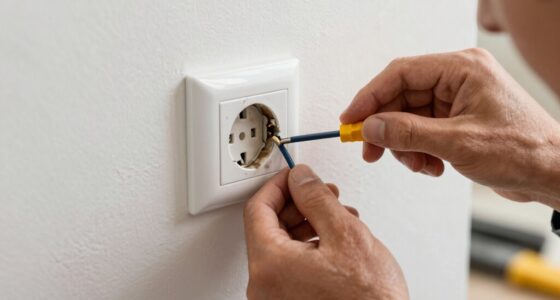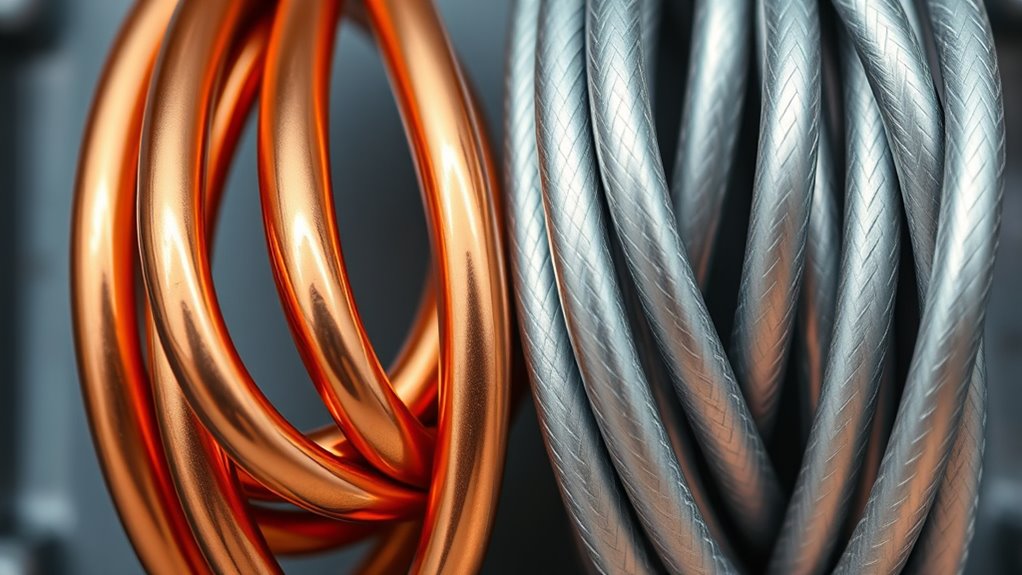

When comparing copper and aluminum branch circuits, you need to consider safety and performance. Copper offers better conductivity, resists corrosion, and requires fewer maintenance, making it safer long-term. Aluminum is cheaper but prone to oxidation and loosening connections, which can cause overheating and fire hazards if not installed correctly. Proper connectors, tight connections, and adherence to codes are crucial whichever material you choose. Continuing will reveal how to maximize safety and ensure reliable electrical system use.

Get backup power and energy gear delivered free — and shop member deals
- Fast, free delivery on millions of items
- Access to Prime Big Deal Days deals on October 6–7
- Prime Video, Amazon Music and more included
Key Takeaways
- Copper wiring offers better conductivity, oxidation resistance, and durability, making it safer for long-term branch circuit use.
- Aluminum wiring requires specialized connectors and proper installation practices to prevent loose connections and overheating.
- Regular inspection and maintenance are essential for aluminum circuits due to corrosion and oxidation risks.
- Compliant installation according to electrical codes, including proper grounding and correct conductor sizing, ensures safety with both materials.
- Copper’s superior resistance to oxidation generally makes it the safer choice for reliable, long-term branch circuit applications.
Material Properties and Conductivity
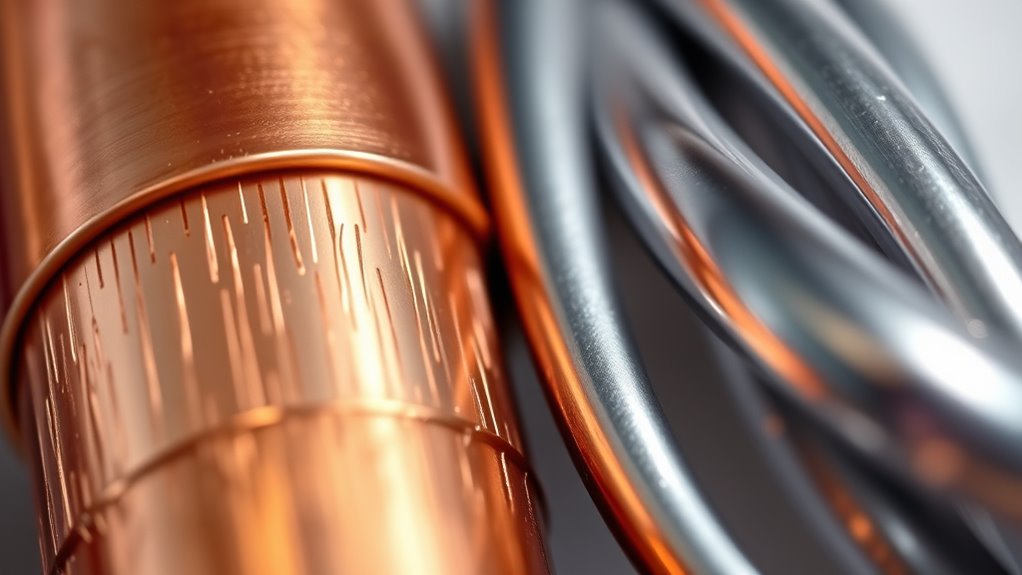
Copper and aluminum differ markedly in their material properties, which directly impact their conductivity. Copper has a higher electrical conductivity than aluminum, meaning it conducts electricity more efficiently. This allows for a smaller wire gauge when using copper, which helps reduce resistance and heat buildup. Aluminum, on the other hand, has a higher thermal resistance, so it dissipates heat more slowly. This makes it more prone to overheating if not properly installed or if the wire gauge isn’t adequate. The differences in thermal resistance and conductivity influence how each material handles current flow. When choosing wiring, understanding these properties helps you select the right gauge and material to guarantee safety and ideal performance in your branch circuits. Additionally, the diverse designs of wiring options can cater to various installation needs and safety standards. As advancements in AI technology continue, safety protocols and standards for electrical wiring can be further enhanced through smarter diagnostic tools and monitoring systems. Moreover, incorporating AI-driven safety assessments can help identify potential issues before they lead to failures, increasing overall reliability. Understanding the material properties is crucial for ensuring safe and effective electrical installations.
Safety Concerns With Aluminum Wiring
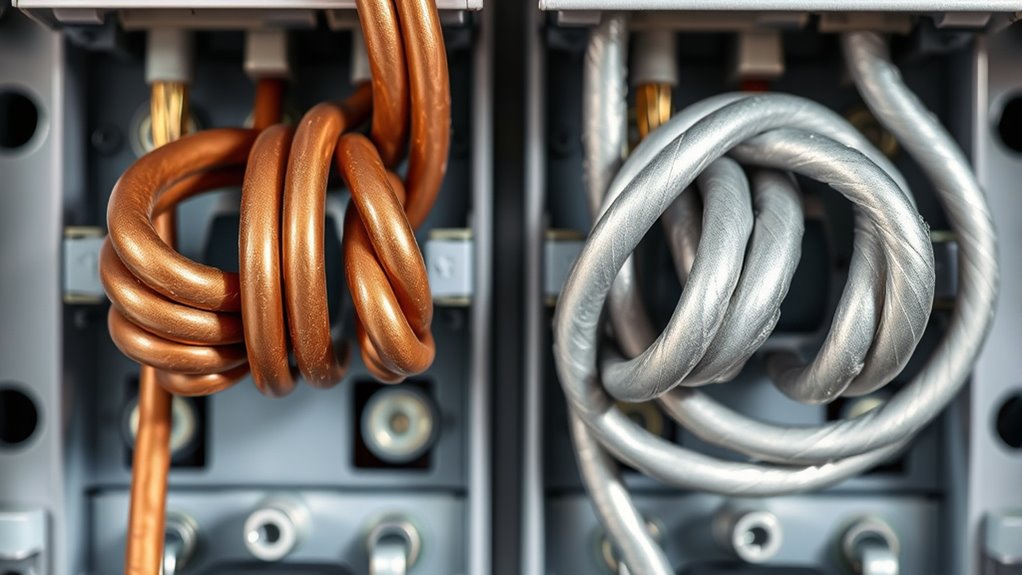
While aluminum’s higher thermal resistance allows it to dissipate heat more slowly than copper, this characteristic introduces specific safety concerns in wiring applications. Aluminum wiring is more prone to loose connections over time, which can lead to increased electrical failures. These loose connections generate heat, raising the risk of fire hazards. Additionally, aluminum’s tendency to expand and contract with temperature changes can cause wire oxidation and corrosion, further weakening the connection. This deterioration can result in arcing and overheating, markedly heightening the chances of electrical failures. Because of these safety issues, aluminum wiring requires careful inspection and maintenance to prevent potential hazards. Understanding these risks helps you make informed decisions about its safe use in your electrical system. Regular inspections are essential to identify and address issues early and ensure safety.
Proper Installation Practices for Copper Circuits
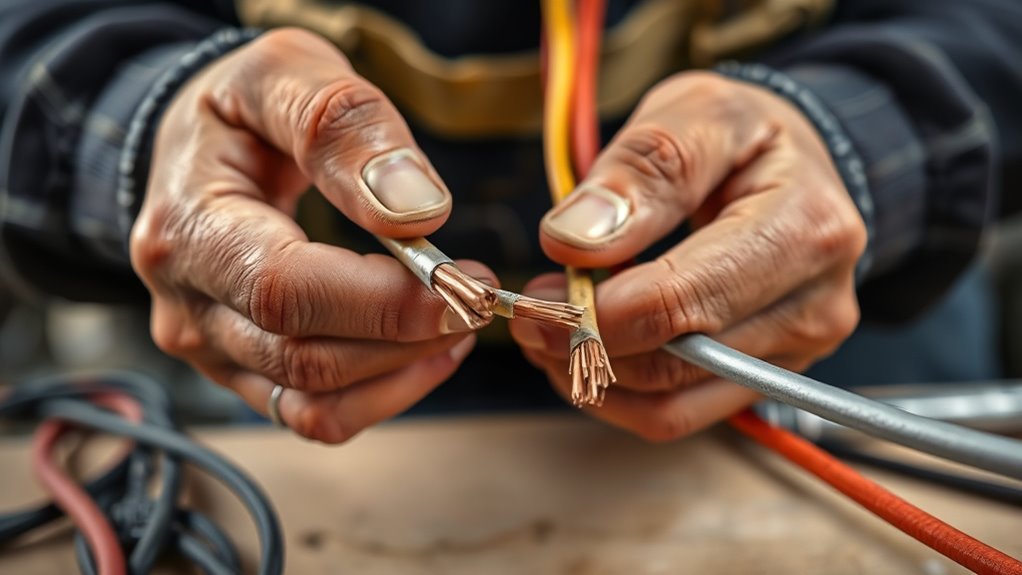
Proper installation of copper circuits is essential to guarantee safety, reliability, and efficiency in your electrical system. To achieve this, follow proper installation techniques that include secure connections, correct wire sizing, and careful routing. Prioritize grounding practices to prevent electrical shocks and protect your system from surges. When installing copper wiring, ensure all connections are tight and corrosion-resistant to maintain conductivity. Always verify that your wiring methods adhere to local codes and standards. Remember, a well-executed installation can prevent future hazards and costly repairs. Focus on these key points:
- Use appropriate tools to avoid damaging the copper wire
- Maintain proper torque on connections for safety
- Ensure grounding is solid and correctly connected
- Keep wiring organized and free from stress or damage
- Understanding electrical safety is crucial for preventing accidents and ensuring long-term system performance. Proper training and adherence to safety guidelines can significantly reduce risks during installation.
- Additionally, using proper insulation techniques helps prevent accidental shorts and enhances overall system durability.
Staying informed about copper vs aluminum wiring considerations can help in choosing the safest and most efficient materials for your installation. Your attention to detail keeps your home safe and functional.
Compatibility of Connectors and Terminals
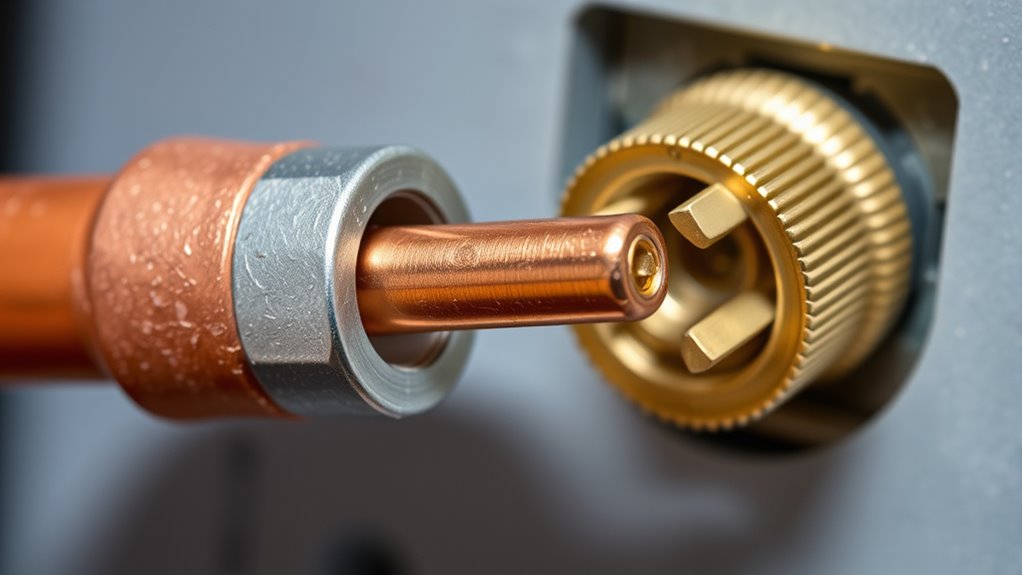
Choosing the right connectors and terminals is essential to guarantee a secure, reliable connection between your wires and electrical devices. Ensuring proper connector compatibility helps prevent loose or faulty connections, which can lead to overheating or failure. The terminal strength varies depending on whether you use copper or aluminum; aluminum terminals often require reinforced connections to compensate for lower strength. To illustrate, consider this compatibility guide:
| Material | Connector Compatibility | Terminal Strength |
|---|---|---|
| Copper | Widely compatible | High |
| Aluminum | Specialized connectors needed | Moderate to high |
| Mixed (Copper & Aluminum) | Use adapters or special connectors | Varies, require caution |
Proper installation practices can further ensure safe and effective electrical connections. Additionally, understanding the material properties of copper and aluminum can help in selecting the appropriate connectors and prevent potential safety hazards. For example, regulatory standards may impose specific requirements for aluminum wiring to ensure safety and compliance.
Expansion and Contraction Considerations
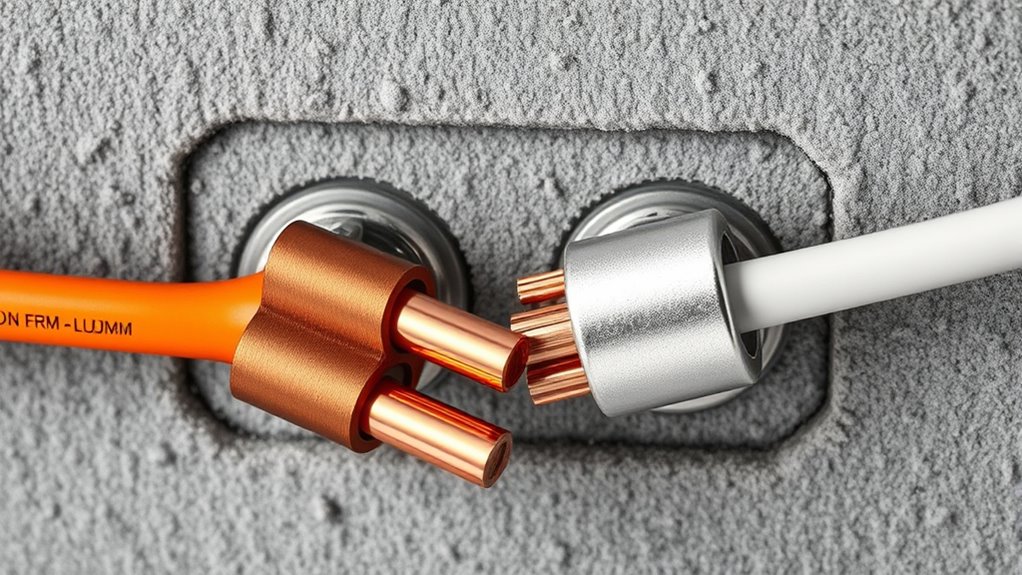
Temperature changes cause copper and aluminum conductors to expand and contract at different rates, which can impact the integrity of your branch circuits. This thermal expansion can lead to joint stress, weakening connections over time. As the metals expand, they may loosen or shift, risking poor contact or electrical faults. You might feel frustrated as these issues develop unexpectedly. Additionally, using proper connectors designed to accommodate expansion helps mitigate these risks. Recognizing thermal expansion as a key factor allows for better planning during installation. Proper installation techniques, like allowing for expansion and using appropriate connectors, are vital to minimize joint stress and ensure safe, reliable operation. Being aware of conductor materials and their properties enables more effective management of these issues. Understanding material properties can aid in selecting the right conductors for different environments, reducing potential problems. Neglecting these factors can cause hidden damage inside walls, risking costly repairs. Loose connections causing overheating and fire hazards. Unpredictable circuit failures disrupting your daily routine. Increased maintenance costs due to repeated repairs.
Corrosion and Oxidation Issues
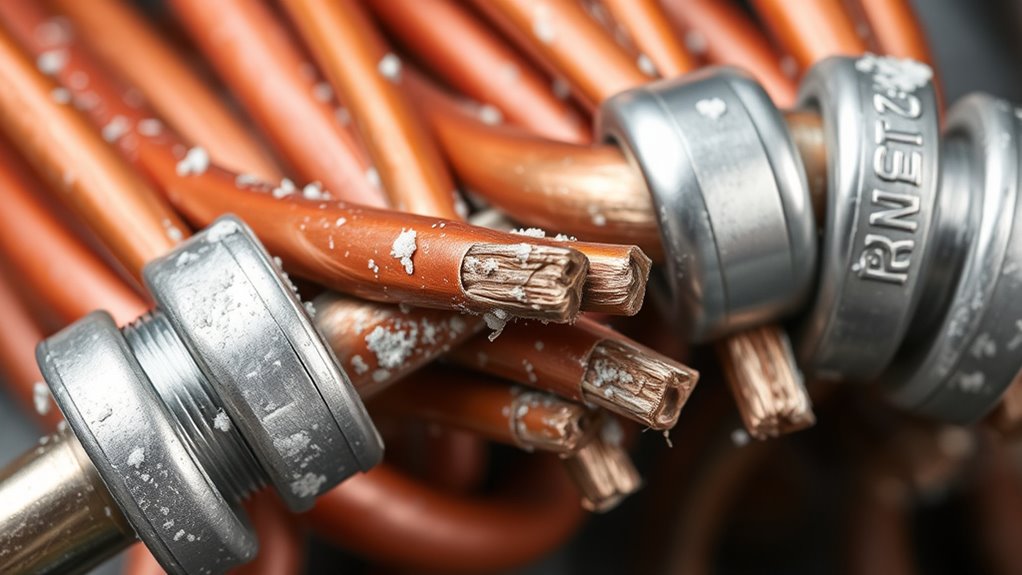
Copper and aluminum conductors are prone to corrosion and oxidation over time, especially in humid or salty environments. Aluminum is particularly susceptible to galvanic corrosion when in contact with other metals, which can degrade its conductivity and structural integrity. Copper, however, has better oxidation resistance, helping it resist the formation of insulating oxide layers. This difference influences how each material performs in harsh conditions. Aluminum’s tendency to oxidize can lead to increased electrical resistance and potential failure if not properly protected. Proper insulation, protective coatings, and maintenance can mitigate these issues. Understanding these corrosion and oxidation tendencies helps you make informed decisions about which conductor type to use, ensuring the safety and longevity of your electrical systems.
Approaches to Repair and Replacement
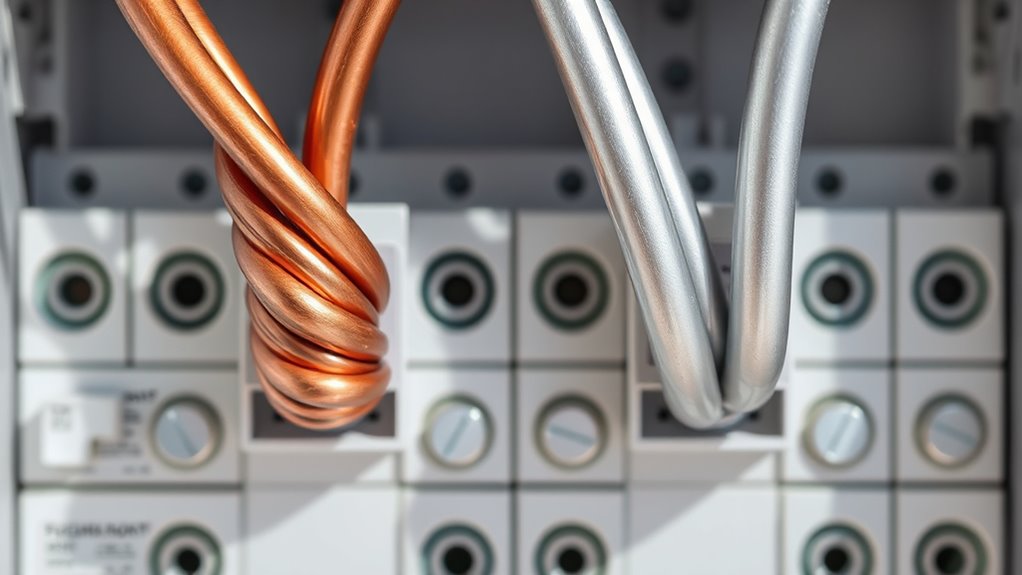
When corrosion or oxidation issues compromise the integrity of aluminum or copper branch circuits, timely repair and replacement become necessary to maintain safety and performance. Ignoring these problems can lead to serious fire hazards, risking lives and property. You must prioritize proper approaches to ensure fire safety. Consider these options:
- Replace damaged wiring with code-compliant, fire-resistant materials
- Use approved connectors and terminals to prevent oxidation buildup
- Upgrade outdated circuits to meet current safety standards
- Regularly inspect and maintain your electrical system to catch issues early
- Understanding angel number soulmate signs can also help you recognize guidance and opportunities for love and connection, enriching your overall well-being. Additionally, understanding electrical safety standards is crucial for ensuring that repairs and replacements meet all necessary legal requirements. Proper installation techniques and adherence to electrical codes help prevent hazards and ensure long-term safety. Implementing proper wiring techniques can significantly reduce the risk of electrical failures and improve system reliability. Being aware of oxidation prevention methods can help extend the lifespan of wiring and prevent future issues.
Addressing these problems swiftly helps prevent electrical failures that could spark fires. Proper repair and replacement safeguard your home or business, giving you peace of mind and protecting everyone inside. Never delay action when fire hazards are involved.
Code Requirements and Regulatory Standards
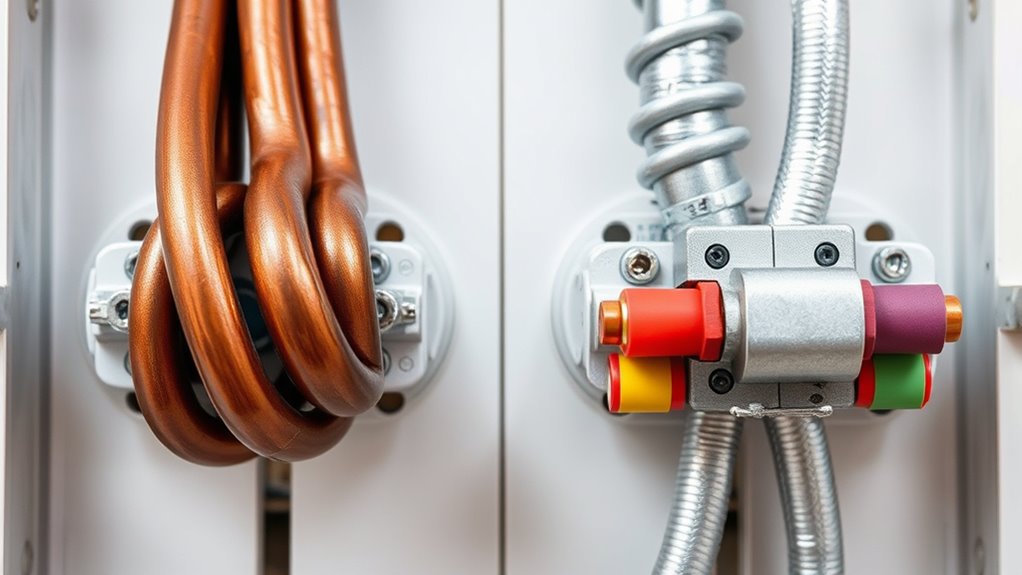
Understanding and adhering to code requirements and regulatory standards is essential for ensuring your electrical system’s safety and reliability. These standards specify grounding requirements to prevent electrical shocks and fires, ensuring proper safety measures are in place. Wiring color codes are also critical; they help identify circuit conductors, making troubleshooting and maintenance safer and more efficient. When working with copper or aluminum branch circuits, you must follow the National Electrical Code (NEC) and local regulations, which outline proper installation practices, conductor sizing, and connection procedures. Ensuring compliance reduces hazards and legal risks. Always check that your wiring methods match the prescribed standards, and verify grounding and color coding are correctly implemented before energizing the system. Staying informed about these codes keeps your electrical setup safe and up to code. Proper installation practices are vital to maintaining system integrity and safety. Additionally, understanding the types of conductors involved can help prevent common wiring issues and ensure long-term reliability. Familiarity with these regulatory standards can also facilitate inspections and avoid costly rework. Regularly reviewing updated electrical codes helps ensure ongoing compliance and safety.
Cost Implications and Material Availability
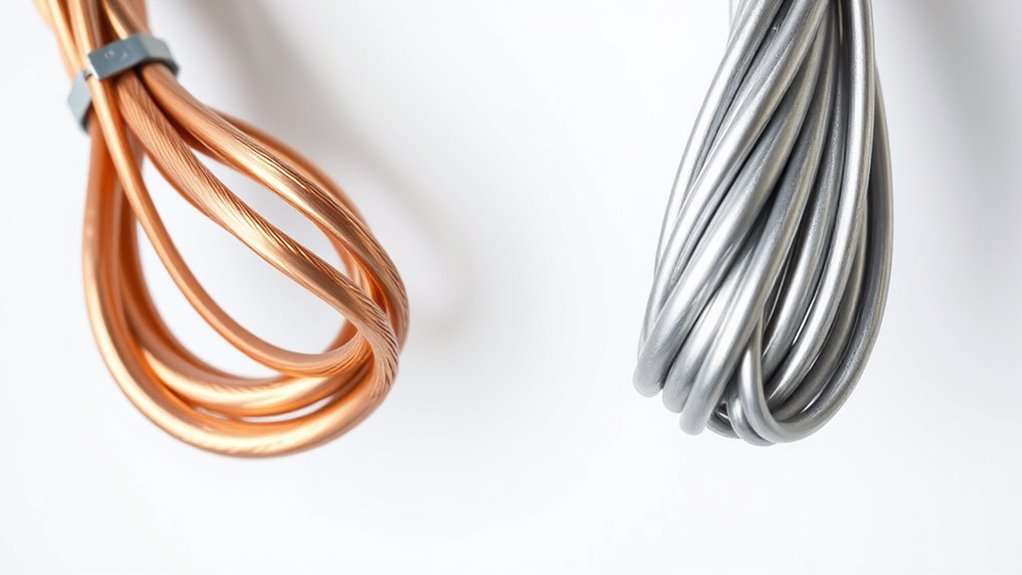
Because material costs and availability can vary substantially, choosing between copper and aluminum branch circuits often hinges on budget considerations. The cost comparison shows aluminum is generally cheaper upfront, making it attractive for initial savings. However, material scarcity can influence prices, especially during shortages, causing aluminum costs to spike unexpectedly. Copper, though more expensive initially, offers reliable supply and stable pricing. When evaluating options, consider these emotional factors:
Choosing copper offers stability; aluminum saves costs but risks shortages.
- The peace of mind from a consistent supply
- The financial relief of lower material costs
- Frustration during shortages affecting project timelines
- Confidence in long-term availability and stability
Balancing these factors helps you make a wiser choice suited to your budget and project needs. Ultimately, understanding cost implications and material scarcity guides smarter decisions in electrical installations.
Long-Term Performance and Maintenance

Long-term performance and maintenance are critical factors to contemplate when choosing between copper and aluminum branch circuits. Aluminum can be prone to corrosion over time, especially aluminum corrosion, which may compromise the connection quality and safety. Regular inspections and proper maintenance help mitigate these issues. Copper, on the other hand, is more resistant to oxidation, reducing the risk of oxidation-related degradation. However, both materials require careful installation to prevent issues like loose connections, which can lead to overheating or failure. Using appropriate connectors and ensuring tight, secure connections are essential for longevity. Proper maintenance minimizes potential problems associated with aluminum corrosion and copper oxidation, ensuring your circuits remain safe and reliable over the long term.
Frequently Asked Questions
Are There Specific Tools Recommended for Working With Copper Versus Aluminum Wiring?
You should use different tools for copper and aluminum wiring to guarantee safety and proper connections. For copper, standard wire strippers and connectors are suitable, while aluminum requires tools with corrosion-resistant coatings and connectors designed for aluminum’s thermal expansion. Always check connector types and insulation compatibility to prevent issues like overheating or loose connections. Using the right tools helps maintain safe, reliable electrical systems and complies with electrical codes.
How Does Temperature Affect the Performance of Copper and Aluminum Branch Circuits?
Temperature impacts copper and aluminum branch circuits differently due to thermal expansion and conductivity variations. As temperatures rise, aluminum expands more, which can loosen connections and cause overheating or failures. Copper handles temperature changes better, maintaining stability and conductivity. You should regularly inspect connections, especially in high-temperature environments, to guarantee safety and peak performance, particularly with aluminum wiring, where thermal effects are more pronounced.
What Are the Environmental Impacts of Using Copper Compared to Aluminum Wiring?
Did you know that aluminum wiring has a 60% lower environmental impact during manufacturing compared to copper? When considering environmental impacts, aluminum’s recyclability offers significant benefits, reducing waste and conserving resources. Its production results in lower emissions, making it a more sustainable choice. Copper, while durable, requires more energy to extract and process, increasing its environmental footprint. Choosing aluminum can help you reduce your overall ecological impact.
Can Aluminum Wiring Be Upgraded to Copper Without Full Replacement?
Yes, you can upgrade aluminum wiring to copper wiring compatibility without full replacement, but it requires careful planning. Aluminum wiring upgrades often involve installing new junction boxes, using approved connectors, and making certain of proper termination. You should consult a qualified electrician to evaluate your existing system, as they can recommend the safest method for aluminum wiring upgrades. Proper connections reduce risks and ensure your electrical system remains safe and reliable.
Are There Differences in Fire Risk Between Copper and Aluminum Circuits?
You should know that aluminum circuits pose a higher fire hazard than copper ones due to their tendency to expand and oxidize, which can lead to loose connections. This increases the risk of overheating and electrical fires, making circuit safety more challenging with aluminum wiring. Properly installed and maintained aluminum circuits can be safe, but they require careful attention to connections and regular inspections to minimize fire risk.
Conclusion
In choosing copper or aluminum, prioritize safety, savvy standards, and significant savings. Stay smart by selecting suitable materials, following proper procedures, and inspecting connections regularly. Whether you prefer the power of copper or the affordability of aluminum, understanding their differences guarantees durability and dependability. By balancing budget with best practices, you’ll build a safe and strong circuit system that stands the test of time. Make mindful choices for a more secure, sound, and satisfying electrical setup.
Halloween Picks
halloween
As an affiliate, we earn on qualifying purchases.