
AFCI/GFCI combo protection makes sense in areas where water and electricity intersect, like kitchens, laundry rooms, bathrooms, basements, and outdoor outlets. These locations are vulnerable to moisture and power surges, increasing shock and fire risks. Installing combo breakers simplifies wiring and enhances safety by providing combined arc-fault and ground-fault protection. To guarantee your home’s safety and compliance, understanding where and how to apply these devices is essential — keep exploring to learn more.
Listen free for 30 days with Audible
Thousands of audiobooks and originals — cancel anytime.
As an affiliate, we earn on qualifying purchases.
Key Takeaways
- Install combo AFCI/GFCI outlets in high-risk areas like bathrooms, kitchens, laundry rooms, and outdoor outlets to protect against water and electrical hazards.
- Use combined devices in living rooms and bedrooms to safeguard smart home devices and address aesthetic preferences.
- Apply AFCI/GFCI protection in garages and outdoor spaces exposed to moisture and physical damage for enhanced safety.
- Choosing combo outlets simplifies wiring, reduces costs, and ensures compliance with safety standards across various home areas.
- Prioritize regions prone to water intrusion or electrical faults for combo protection to prevent fires, shocks, and equipment damage.
As an affiliate, we earn on qualifying purchases.
Identifying High-Risk Areas in Your Home
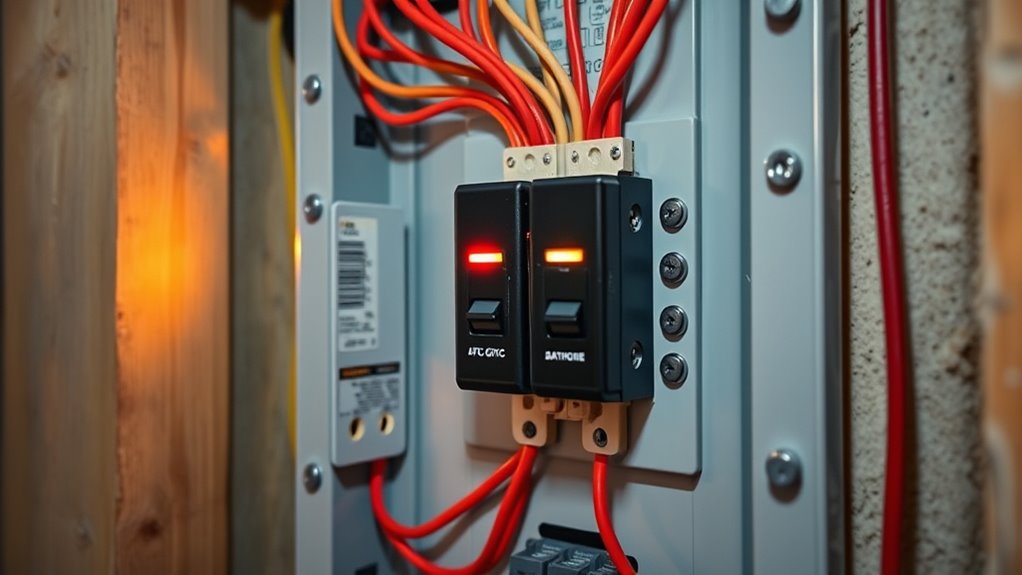
Have you ever wondered which areas in your home pose the greatest electrical risks? These spots often include bathrooms, basements, and outdoor outlets where water intrusion is common. Water can easily seep into outlets or wiring, increasing the risk of short circuits or electrical shocks. Additionally, areas prone to electrical surges, like near your garage or entertainment systems, are more vulnerable to power fluctuations that can damage devices or cause fires. Identifying these high-risk zones helps you prioritize safety upgrades and install AFCI/GFCI combo protections where they’re needed most. Regular inspections and understanding potential hazards enable you to reduce risks and protect your home from electrical accidents. The importance of electrical safety underscores the value of careful observation and proactive measures in maintaining safety. Taking these steps makes your living space safer and minimizes the chance of costly damage, especially in areas with electrical hazards. Recognizing common wiring issues can further assist you in addressing hidden dangers before they cause problems. Conducting routine inspections can help identify issues early and prevent serious incidents.
As an affiliate, we earn on qualifying purchases.
Kitchen and Laundry Rooms: A Prime Location for Combo Breakers
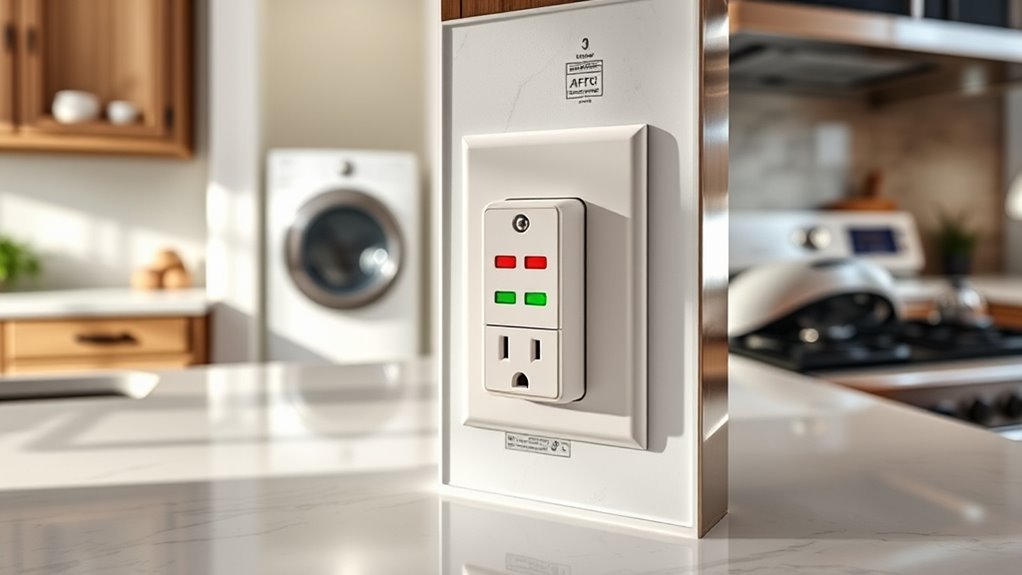
Because kitchens and laundry rooms handle water and high-powered appliances, they are prime locations for installing AFCI/GFCI combo breakers. These areas pose increased risks of electrical faults and water contact, making appliance safety a top priority. Using combo breakers enhances circuit design by providing combined protection against both arc faults and ground faults, reducing the chance of fires and electrical shocks. Installing them in these rooms ensures that if a fault occurs, the breaker will trip quickly, safeguarding your appliances and preventing damage. Proper circuit design with combined AFCI/GFCI protection helps you maintain a safer environment, especially where water and electricity intersect. Proper circuit design with combined AFCI/GFCI protection helps you maintain a safer environment, especially where water and electricity intersect. Additionally, understanding electrical safety hazards can help you make informed decisions about circuit protection. It is also important to consider proper installation procedures to ensure these devices function correctly and reliably. Incorporating compliance requirements can also ensure your home meets local electrical codes and standards. Implementing these protective devices also supports fire prevention, reducing the risk of devastating home fires caused by electrical faults.
As an affiliate, we earn on qualifying purchases.
Living Rooms and Bedrooms: When to Consider Combined Protection

Wondering if your living room or bedroom needs combined AFCI/GFCI protection? If you have a smart home setup, it’s worth considering, especially where multiple devices and outlets are involved. These areas often feature aesthetic considerations, so you want protection that doesn’t disrupt your decor. Combined AFCI/GFCI outlets provide safety without sacrificing style. Consider this protection when:
- You’ve integrated smart devices that increase electrical load and potential risks
- You prioritize sleek, unobtrusive outlet designs for aesthetics
- You want simplified wiring that minimizes clutter and maintains decor integrity
- Incorporating electrical safety measures like combined AFCI/GFCI outlets can help prevent electrical fires and shocks while supporting your smart and stylish environment. Additionally, in areas like bedrooms, where comfort and safety are paramount, this combined protection ensures peace of mind without compromising your decor’s aesthetic appeal. Upgrading to combination outlets can also streamline your electrical setup and reduce the need for multiple devices. In fact, considering home electrical safety can enhance overall property protection and reduce potential hazards. Implementing these safety solutions is particularly important in spaces where electrical device usage is frequent, such as living rooms and bedrooms.
As an affiliate, we earn on qualifying purchases.
Outdoor and Garage Installations: Enhancing Safety Outdoors
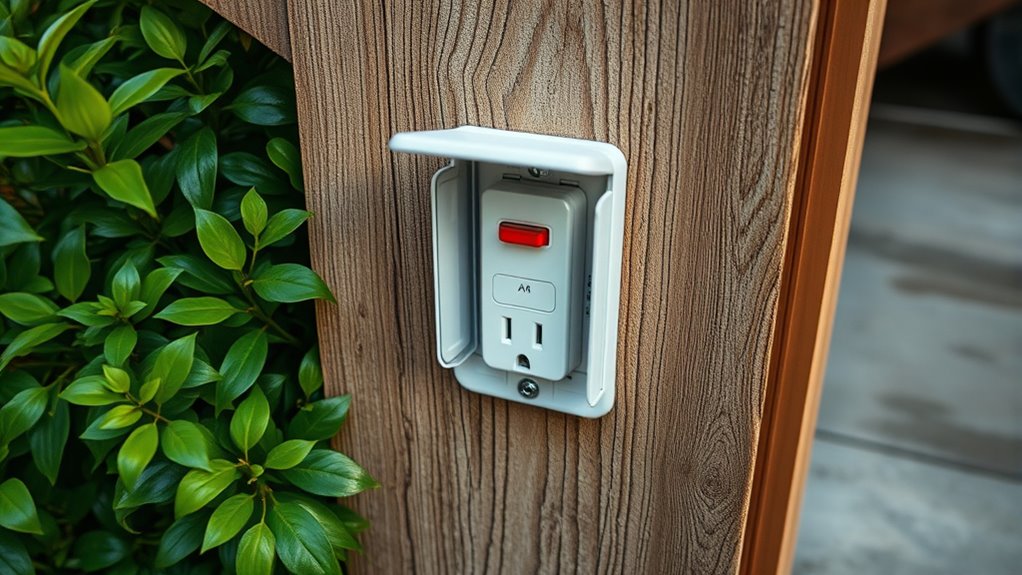
Outdoor and garage areas are exposed to harsher conditions and higher risks, making it vital to prioritize safety with appropriate electrical protection. Installing AFCI/GFCI combo outlets helps prevent electrical fires and shocks, especially in areas where you use indoor lighting or operate HVAC systems. These combo devices protect against arc faults caused by damaged wiring and ground faults from moisture or accidental contact. Moisture increases the risk, so GFCIs are essential near outdoor outlets, lighting, or appliances. In garages, where tools and HVAC units are common, combo protection ensures safety from potential faults. This combined approach simplifies wiring and enhances overall safety, giving you peace of mind when working or relaxing in these vulnerable spaces. Additionally, choosing high-quality electric outlets that meet safety standards ensures reliable protection against electrical hazards.
Cost-Effectiveness and Code Compliance Considerations
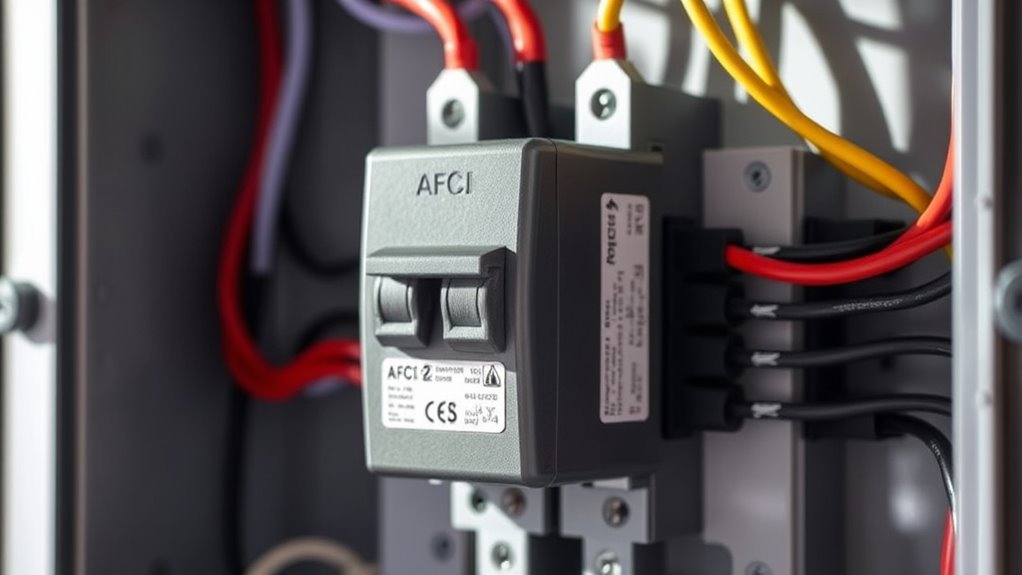
Implementing AFCI/GFCI combo outlets can be a smart investment for your home’s safety and longevity. They offer significant cost savings by reducing the need for multiple devices and simplifying wiring, which can lower installation costs. Plus, their installation simplicity means you might avoid extensive rewiring or costly upgrades to meet code requirements. When considering code compliance, these combo outlets often meet or exceed national safety standards, making them a reliable choice. Keep in mind, some local codes may vary, so check your jurisdiction’s regulations. Installing these outlets can streamline your electrical system, saving time and money in the long run. Additionally, understanding electrical safety standards can help you make informed decisions about your home’s wiring. Proper fire prevention measures are also supported by using compliant AFCI/GFCI solutions, adding an extra layer of security. In fact, many jurisdictions now favor integrated outlet solutions for their ability to enhance safety and reduce complexity. Overall, they provide an efficient, compliant solution that balances safety with affordability. Being aware of local electrical codes ensures that your installation remains compliant and safe. Furthermore, choosing high-quality components can improve the durability and reliability of your electrical system over time.
Frequently Asked Questions
How Do AFCI/Gfci Combos Differ From Separate AFCI and GFCI Units?
You’ll find that AFCI/GFCI combo units integrate both circuit protection functions into a single device, simplifying installation and saving space. This integration often reduces overall costs compared to installing separate AFCI and GFCI units. With combo protection, you benefit from streamlined wiring and maintenance, making it a practical choice for areas needing extensive safety. Plus, it minimizes clutter, ensuring your electrical system remains efficient and easier to manage.
What Are the Signs Indicating a Need for Combo Protection?
Like a modern-day knight, you need combo protection if you notice faulty wiring or frequent tripping of your circuit breaker. These signs indicate potential electrical issues that could lead to fires or shocks. Installing AFCI/GFCI combos helps safeguard your home by detecting both arc faults and ground faults, providing a all-encompassing shield. Don’t ignore these signals—acting promptly keeps your home safe and prevents costly damage.
Are Afci/Gfci Combos Compatible With Existing Electrical Systems?
Yes, AFCI/GFCI combos are compatible with your existing electrical system, but you should check wiring compatibility and installation considerations first. Confirm your wiring meets the device’s specifications, and verify that the panel can accommodate the combo breaker. It’s best to consult a licensed electrician, who can assess your system, confirm compatibility, and handle proper installation to ensure safety and compliance.
How Often Should Afci/Gfci Combos Be Tested or Inspected?
Think of your AFCI/GFCI combos as vigilant guardians watching over your home. You should test them monthly, following simple testing procedures, to guarantee they’re alert and ready. Inspection frequency is key—regular checks help catch issues early, maintaining safety. Just like a guardian needs regular training, your outlets need consistent testing to protect against electrical faults, ensuring your home remains safe and secure.
Can Afci/Gfci Combos Prevent All Types of Electrical Fires and Shocks?
AFCI/GFCI combos substantially enhance fire prevention and safety standards by reducing the risk of electrical shocks and fires caused by arc faults or ground faults. However, they can’t prevent all types of electrical fires or shocks, especially those from wiring issues or overloaded circuits. To maximize safety, you should regularly test these devices, follow safety standards, and maintain proper electrical practices in your home or workplace.
Conclusion
Did you know that homes with AFCI/GFCI combo protection see a 75% reduction in electrical hazards? By strategically installing these combined circuit breakers in high-risk areas like kitchens, laundry rooms, and outdoor spaces, you markedly boost your safety. Not only does this approach help protect your loved ones, but it also keeps you compliant with electrical codes. Investing in combo protection is a smart move for any homeowner serious about safety and peace of mind.
Fall Picks
fall essentials
As an affiliate, we earn on qualifying purchases.