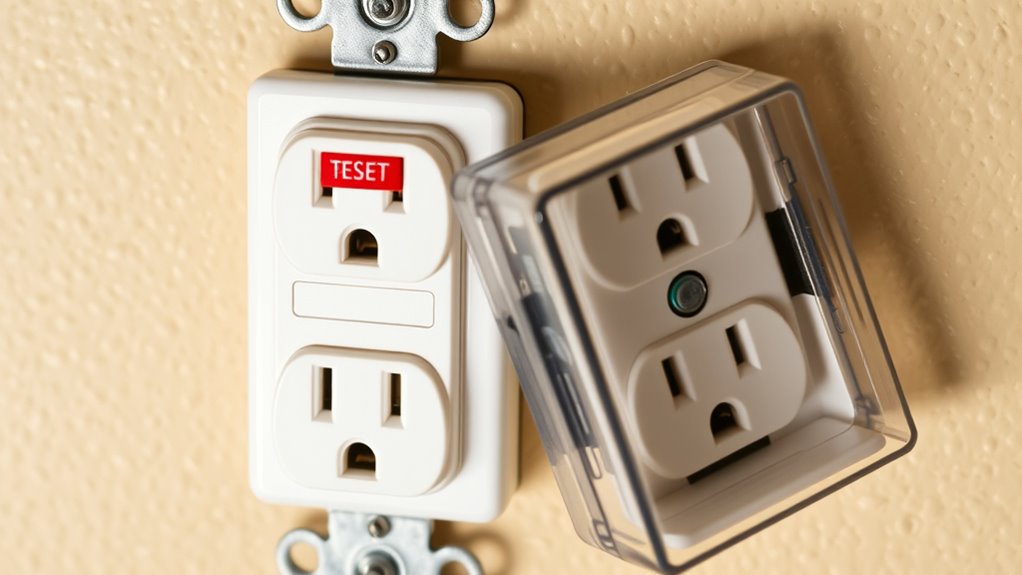

Installing multiple GFCI devices on the same circuit typically causes more trouble than protection. When you have overlapping GFCIs, they can trip unexpectedly or interfere with each other, making it harder to identify real faults. This setup often leads to nuisance trips and safety concerns. To guarantee proper ground fault detection and avoid confusion, it’s best to install only one GFCI at the circuit’s start. Keep exploring to learn more about effective GFCI placement and safety tips.
Key Takeaways
- Overlapping GFCIs can cause nuisance tripping, reducing overall safety and device reliability.
- Properly installed, a single GFCI at the circuit’s start provides effective ground fault protection.
- Multiple GFCIs on the same circuit often lead to confusion and complicate troubleshooting.
- Overlapping devices do not offer double protection; they may interfere and weaken safety features.
- Following proper wiring practices ensures reliable protection without unnecessary trips or safety risks.
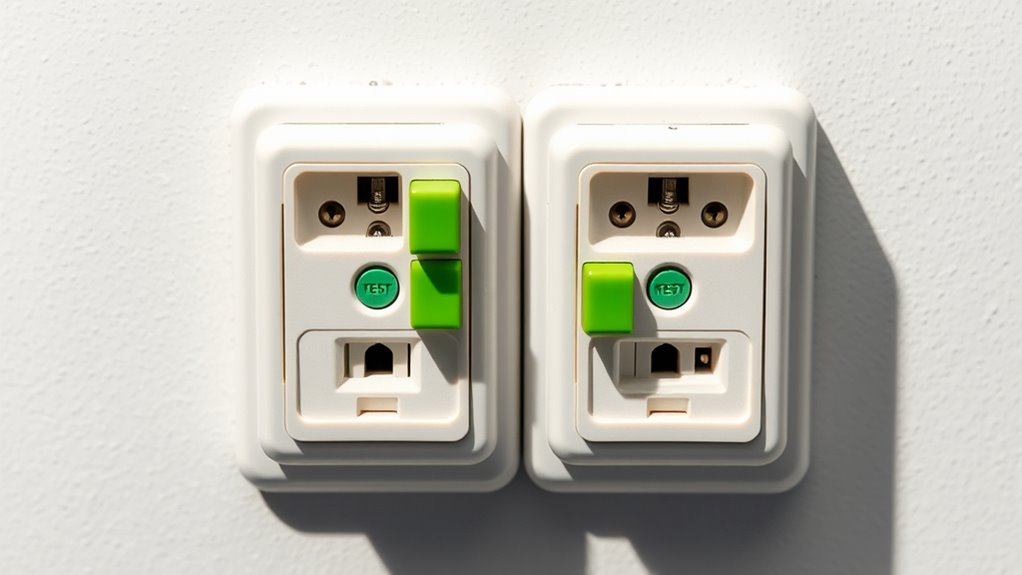
Overlapping GFCI devices occur when two or more Ground Fault Circuit Interrupters are installed in the same circuit, which can lead to confusion and potential safety issues. While GFCIs are crucial for protecting you from ground faults—unexpected electrical currents that can cause shocks—their improper placement or duplication can undermine electrical safety rather than enhance it. When multiple GFCIs serve the same circuit, it might seem like added protection, but in reality, it can cause nuisance tripping, making it harder to identify genuine ground faults. This not only frustrates users but also risks disabling important safety features when you need them most.
Installing multiple GFCIs on the same circuit can cause nuisance trips and compromise safety.
Understanding the purpose of a GFCI helps clarify why overlapping devices are problematic. A GFCI detects any imbalance between the hot and neutral wires, which indicates a ground fault—an electrical leak that could cause harm. When functioning properly, it trips quickly, cutting power and preventing shocks. However, installing more than one GFCI on the same circuit can cause them to trip prematurely or inconsistently. For example, if one GFCI trips due to a minor ground fault, the other might also trip, even if it isn’t directly involved. This overlapping can create confusion about the source of the issue, delaying repairs and increasing the risk of electrical accidents.
From an electrical safety perspective, the goal is to provide reliable, straightforward protection. Overlapping GFCIs can compromise this by creating a false sense of security or causing unnecessary outages. Proper wiring practices recommend installing a single GFCI at the beginning of a circuit and then using regular outlets or AFCI (Arc Fault Circuit Interrupter) devices downstream if needed. This ensures that ground faults are detected efficiently without risking multiple devices tripping simultaneously. If you’re unsure about your setup, it’s best to consult a qualified electrician who understands local codes and safety standards.
Additionally, overlapping GFCI devices can lead to difficult troubleshooting. When a ground fault occurs, you might not immediately know which GFCI tripped first, complicating repairs. This situation can also cause nuisance trips, where harmless conditions like a small leak or moisture trigger repeated power cuts. For maximum electrical safety, you want a clear, logical configuration that prioritizes reliable ground fault detection without unnecessary duplication. Properly installing a single GFCI in the right location protects you effectively while maintaining a safe and manageable electrical system. Ultimately, avoiding overlapping GFCI devices ensures your home remains safe, functional, and free from confusing or hazardous electrical issues. Recognizing the importance of proper electrical device placement helps maintain a safe and reliable electrical system.
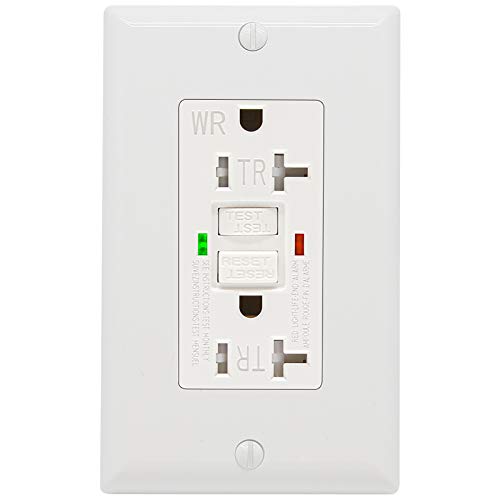
ANKO GFCI Outlet 20 Amp, UL Listed, LED Indicator, Tamper-Resistant, Weather Resistant Receptacle Indoor or Outdoor Use with Decor Wall Plates and Screws
GFCI Outlet – Constructed with premium high-impact resistant thermoplastic materials and rational structure design, ensures superior strength and…
As an affiliate, we earn on qualifying purchases.
As an affiliate, we earn on qualifying purchases.
Frequently Asked Questions
Can Overlapping GFCIS Cause Nuisance Tripping?
Yes, overlapping GFCIs can cause nuisance tripping. When multiple devices detect ground faults or circuit overloads on the same circuit, they may trip unexpectedly. This happens because each GFCI senses the same fault and responds independently, leading to frequent power interruptions. To avoid this, it’s best to install a single, properly rated GFCI in a circuit, preventing false trips caused by overlapping devices and ensuring safety without inconvenience.
Are There Specific Code Requirements for Overlapping GFCIS?
Imagine installing GFCIs in a bathroom and kitchen, which might overlap. Yes, there are specific code requirements for overlapping GFCIs to guarantee safety standards and code compliance. The National Electrical Code (NEC) typically recommends using a single GFCI device to protect multiple outlets in the same circuit, avoiding unnecessary trips. Always consult the latest NEC guidelines to prevent code violations and maintain safe, effective electrical protection.
How Do Overlapping GFCIS Affect Electrical Safety?
Overlapping GFCIs can improve electrical safety through GFCI coordination and electrical redundancy, but they might also cause nuisance tripping. When multiple GFCIs protect the same circuit, they can interfere with each other’s operation, potentially reducing reliability. Properly installed, overlapping GFCIs enhance safety by providing layered protection. However, if not coordinated correctly, they may lead to unnecessary power outages, so understanding their interaction is essential for effective electrical safety.
What Are the Installation Best Practices for Overlapping GFCIS?
You should install GFCIs so that each device provides reliable ground fault circuit protection without overlapping unnecessarily. Place GFCIs on all outlets in areas prone to moisture, like bathrooms and kitchens, making sure they’re properly wired in series. Test each GFCI regularly to confirm circuit protection, and avoid wiring multiple GFCIs on the same circuit unless necessary. Proper installation prevents ground faults and ensures safe, effective electrical protection throughout your home.
Do Overlapping GFCIS Impact Device Lifespan or Reliability?
Think of overlapping GFCIs as a safety net with holes—do they shorten device lifespan or raise reliability concerns? While they might cause minor wear on components due to increased testing, overall, overlapping GFCIs don’t substantially impact device lifespan or reliability when installed correctly. However, poor wiring or frequent nuisance tripping could lead to maintenance issues, so proper installation and regular testing are essential to ensure long-term performance.

SIEMENS QF120A Gfci Circuit Breaker, Plug In, Self Testing, 20 Amp, 1-Pole, 120 Volt
Single pole, 20 Amp, type QPF2 GFCI Circuit Breaker
As an affiliate, we earn on qualifying purchases.
As an affiliate, we earn on qualifying purchases.
Conclusion
Having multiple GFCI devices might seem like extra security, but it can actually cause nuisance trips or even damage. Did you know that GFCIs have saved over 50,000 lives since their invention? While they’re essential for safety, overlapping units can sometimes do more harm than good. To keep your home safe without unnecessary interruptions, make certain you install GFCIs thoughtfully and follow manufacturer guidelines. A little planning goes a long way in avoiding double trouble.

Leviton Dual-Function AFCI/GFCI Outlet, 15 Amp, Self Test, Tamper-Resistant with LED Indicator Light, Protection from Both Electrical Shock and Electrical Fires in One Device, AGTR1-W, White
Designed to improve immunity for reduced High Frequency (HF) nuisance tripping. providing increased compatibility with appliances and other…
As an affiliate, we earn on qualifying purchases.
As an affiliate, we earn on qualifying purchases.

ELEGRP GFCI Outlet 15 Amp, Self-Test GFI Electrical Outlet with Thinner Design, TR Tamper Resistant GFCI Receptacle, Ground Fault Circuit Interrupters with Wall Plate, UL Listed, Matte White, 1 Pack
✅【Innovative Dual Protection System】Features twin solenoid and double silicon controlled rectifier (SCR), ensuring an always-on GFCI protection to…
As an affiliate, we earn on qualifying purchases.
As an affiliate, we earn on qualifying purchases.