You should call an electrician right away if you notice burning smells, sparks from outlets or switches, flickering or dimming lights, or your circuit breaker trips frequently. These are red flags that your electrical system might be unsafe or overloaded, and delaying help could lead to fire hazards or damage. Don’t ignore signs of faulty wiring or persistent outages, as they pose serious risks. Keep watching to discover more warning signs that require professional attention.

Get backup power and energy gear delivered free — and shop member deals
- Fast, free delivery on millions of items
- Access to Prime Big Deal Days deals on October 6–7
- Prime Video, Amazon Music and more included
Key Takeaways
- Experience burning smells, sparks, or discoloration around outlets or switches.
- Notice frequent circuit trips or persistent power outages in your home.
- Detect warm outlets or sparks during device use, indicating wiring issues.
- Observe flickering lights or partial power loss without external outages.
- Encounter signs of wiring damage, such as burning smells or discolored outlets.
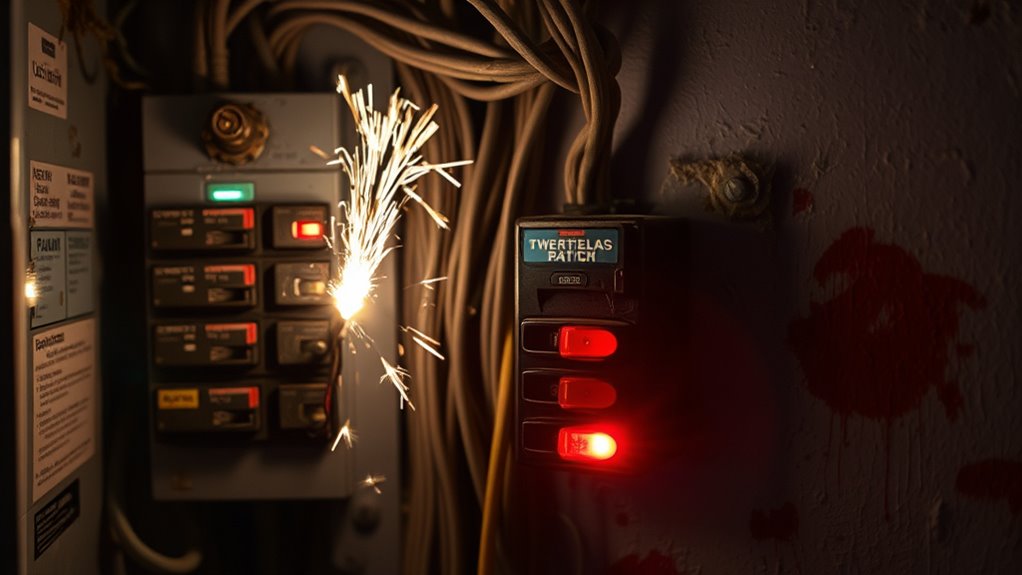
Knowing when to call an electrician can save you time, money, and potential hazards. Electrical issues rarely improve on their own and can lead to serious safety risks if ignored. One clear sign you need professional help is experiencing circuit overloads. If you notice your circuit breakers trip frequently or your outlets feel warm or spark when you plug something in, it’s a red flag. Circuit overloads happen when too many devices draw power through a single circuit, overwhelming the wiring. This not only interrupts your daily activities but also increases the risk of electrical fires. Ignoring these signs can cause damage to your appliances, wiring, or worse, result in a dangerous fire hazard. When you see circuit overloads happening often, it’s time to call an electrician to assess your wiring and add circuits or capacity if needed.
Circuit overloads signal urgent need for an electrician to prevent fire hazards and wiring damage.
Frequent outages are another sign that you need professional assistance. If your lights flicker regularly, or you lose power in parts of your home without any apparent reason, it indicates a problem beyond a simple power outage. These outages could stem from faulty wiring, a defective circuit breaker, or issues with your utility service. Persistent outages can damage electronics and disrupt your routines, so don’t wait to get help. An electrician can identify whether the problem lies within your home’s wiring or outside of it, and they can repair or replace faulty components. Ignoring frequent outages can lead to increased wear on your electrical system, risking a complete failure or fire.
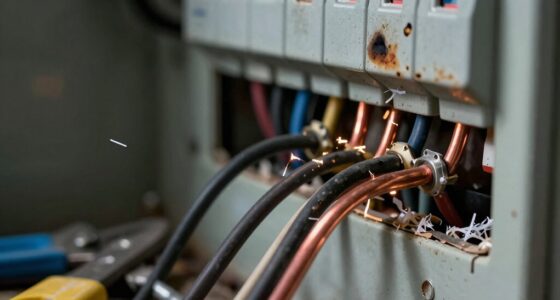
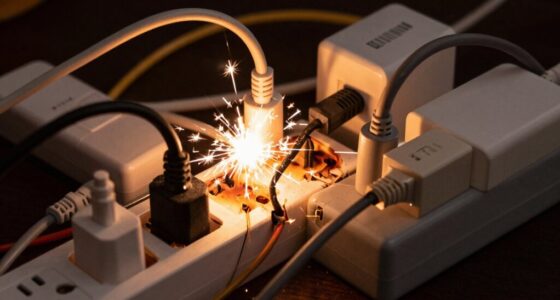
You should also be alert to other warning signs like burning smells, discoloration around outlets or switches, or sparking. These issues often indicate faulty wiring or connections that need immediate attention. If you experience any of these symptoms, turn off the power to the affected circuit and call an electrician right away. Delay could lead to electrical shock or fire hazards. Additionally, staying informed about home security systems can help you better understand how to protect your home from electrical hazards and intrusions.
In short, recognizing these red flags—circuit overloads, frequent outages, burning smells, or sparks—helps you prevent more severe problems down the line. Regular electrical maintenance and prompt repairs not only protect your home and loved ones but can also save you money in the long run. If you’re ever unsure about an electrical issue, it’s always better to be safe and consult a professional. An electrician can diagnose problems accurately and ensure your home’s electrical system remains safe, reliable, and up to code.
electrical circuit breaker tester
As an affiliate, we earn on qualifying purchases.
As an affiliate, we earn on qualifying purchases.
Frequently Asked Questions
Can DIY Electrical Repairs Be Safe for Minor Issues?
DIY safety is essential, even for minor repairs. If you’re comfortable and have the proper knowledge, you can handle simple electrical tasks like replacing outlets or fixing a loose switch. However, always turn off the power at the breaker and use the right tools. If you’re unsure or the issue seems complex, it’s best to call an electrician. Prioritizing safety prevents accidents and guarantees your home’s electrical system remains reliable.
How Quickly Should I Call an Electrician for Flickering Lights?
If your lights flicker frequently, you should call an urgent electrician within 24 hours. Studies show that flickering lights can signal serious issues like wiring problems or overloaded circuits, which can cause fires if left unaddressed. Don’t ignore the warning—flickering lights are often an early sign of electrical trouble. Acting promptly guarantees your safety and prevents costly repairs later. Contact an electrician as soon as you notice inconsistent lighting.
Are There Any Electrical Problems That Can Wait Until Regular Business Hours?
Some electrical issues, like flickering outdoor outlets or appliance wiring problems, can wait until regular business hours if they’re not causing immediate danger. However, if you notice sparks, burning smells, or persistent outages, don’t delay—call an electrician right away. For less urgent problems, schedule a repair during normal hours to guarantee safety and proper handling. Always prioritize safety over convenience when dealing with electrical concerns.
What Safety Precautions Should I Take Before an Electrician Arrives?
Before an electrician arrives, guarantee electrical safety by turning off the main power if there’s a severe hazard, like exposed wiring or sparks. Keep emergency preparedness in mind by clearing the area of clutter and keeping fire extinguishers nearby. Avoid touching any electrical components, and don’t attempt repairs yourself. These precautions protect you and help the electrician work efficiently and safely, reducing risks during the repair process.
How Often Should I Schedule Electrical System Inspections?
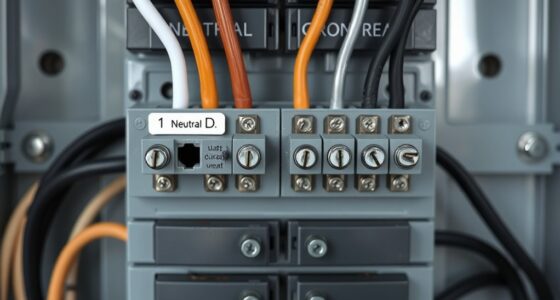
You should schedule electrical system inspections at least every 3 to 5 years to guarantee safety. During these inspections, an electrician will check your electrical panel and circuit breakers for signs of wear or damage. Regular check-ups help prevent electrical fires and outages. If you notice flickering lights, a warm switch, or a tripped circuit breaker, schedule an inspection sooner. Staying proactive keeps your electrical system safe and reliable.
As an affiliate, we earn on qualifying purchases.
Conclusion
Think of your electrical system like the heartbeat of your home—when it starts skipping beats or racing unexpectedly, you need a pro. Ignoring warning signs can lead to bigger problems down the road, much like neglecting a warning light on your dashboard. So, don’t wait until sparks fly or circuits trip; call an electrician at the first sign of trouble. Your home’s safety depends on catching issues early, keeping everything running smoothly and safely.
home electrical wiring inspection kit
As an affiliate, we earn on qualifying purchases.
As an affiliate, we earn on qualifying purchases.
As an affiliate, we earn on qualifying purchases.
Halloween Picks
halloween
As an affiliate, we earn on qualifying purchases.