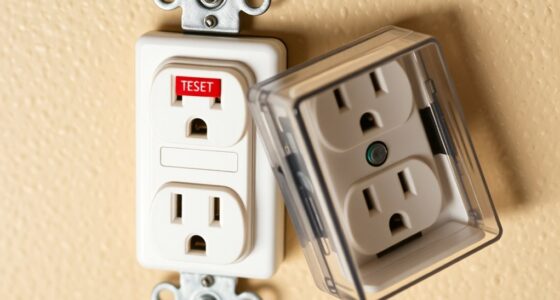

AFCI protection is a safety feature that detects dangerous electrical sparks, called arcs, which can start fires. When it senses a problem, it quickly turns off power to prevent a fire from developing. This helps protect your home without causing unnecessary power outages. Proper wiring and good electrical habits are also key for safety. If you want to understand more about how AFCIs work and how they keep you safe, keep exploring the details behind this important device.
Key Takeaways
- AFCIs detect dangerous electrical sparks that could start fires and turn off power quickly.
- They tell the difference between normal sparks and risky faults needing shutdown.
- Proper wiring and avoiding heat buildup keep AFCIs working safely and effectively.
- Following electrical safety standards ensures devices work reliably and prevent fires.
- Good wiring, regular checks, and avoiding overloads improve overall home electrical safety.
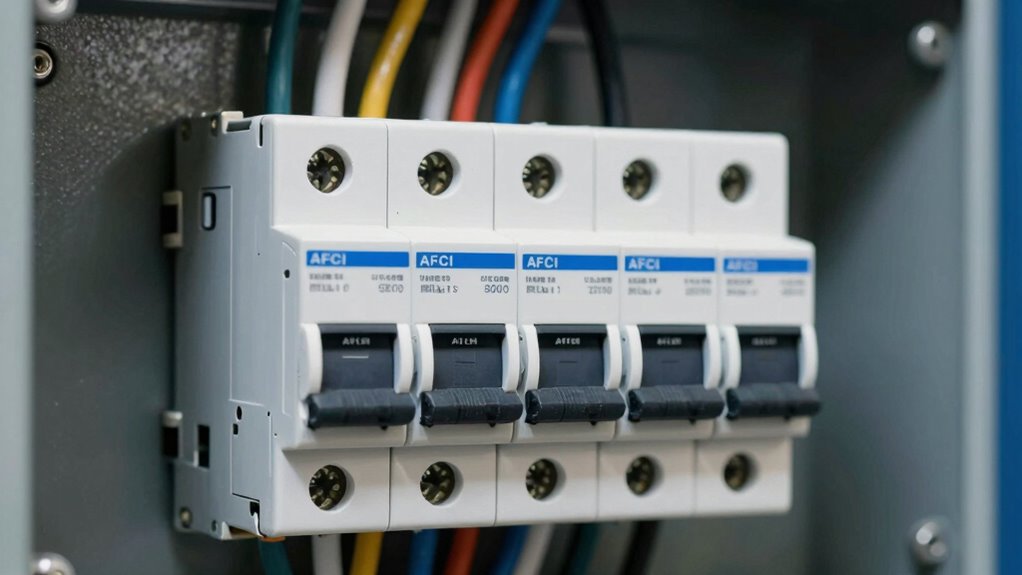
Have you ever wondered how to prevent electrical fires in your home? One of the most effective ways is by understanding AFCI protection, which stands for Arc Fault Circuit Interrupter. These devices are designed to detect dangerous electrical arcs that can ignite fires before they cause damage. When an arc fault occurs, an AFCI quickly cuts off power, stopping a potential fire in its tracks. This is especially important because many electrical fires start from small, unnoticed faults that develop over time. Installing AFCIs in your home can greatly enhance your safety, but it’s also essential to understand how they work within the broader framework of electrical safety standards. These standards guide proper electrical system design and installation to keep you safe, ensuring that devices like AFCIs perform reliably.
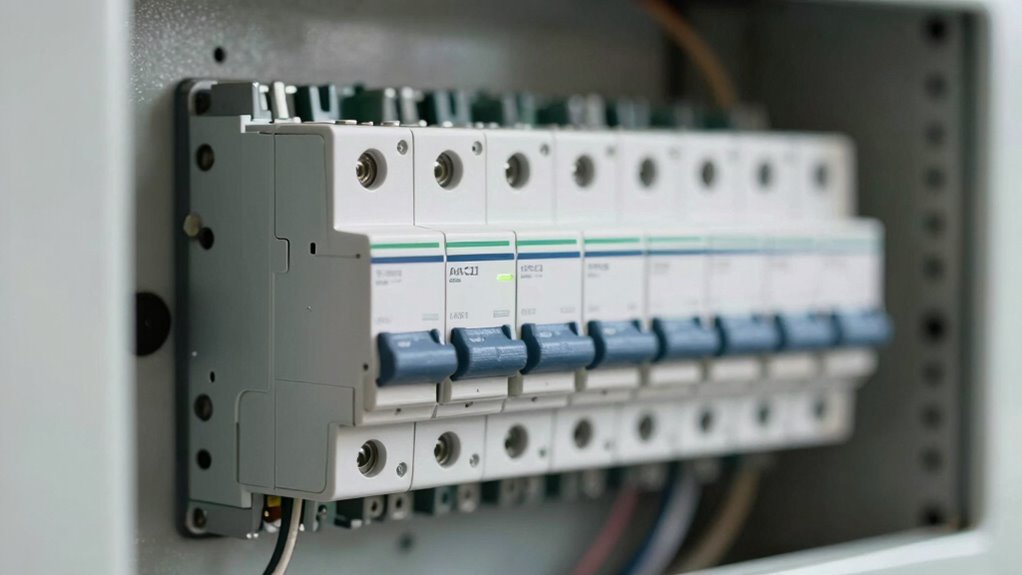
The circuit breaker function plays an essential role here. Unlike traditional circuit breakers that only trip during overloads or short circuits, AFCIs are specifically built to detect arcing conditions. When a faulty wire creates an arc, the AFCI recognizes the irregular electrical activity and trips almost immediately. This rapid response prevents the arc from escalating into a fire. The circuit breaker function in AFCIs is finely tuned to distinguish between normal arcing, such as that caused by a switching device, and dangerous arcs that threaten your home’s safety. By integrating these smart breakers into your electrical system, you get an added layer of protection that aligns with electrical safety standards designed to prevent fires while minimizing unnecessary power interruptions. Additionally, understanding the importance of heat buildup and proper wiring practices can further reduce risks associated with electrical faults. Recognizing the significance of proper wiring practices is crucial, as even the best AFCI devices cannot fully compensate for poor installation or maintenance. Proper wiring not only ensures the device functions correctly but also minimizes the chances of faulty connections, which can contribute to electrical hazards. Maintaining good wiring practices also helps prevent overloading circuits, which can increase the likelihood of arcing faults.
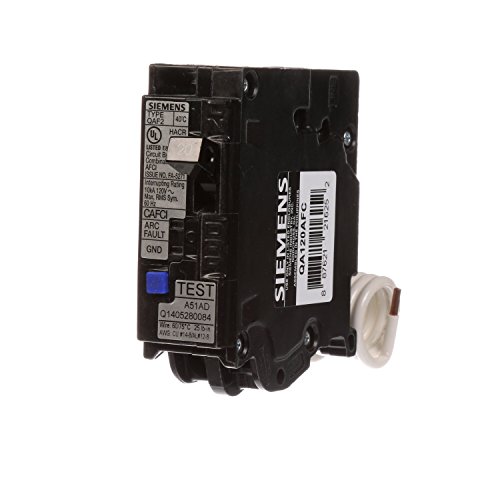
Siemens QA120AFC 20-Amp Single Pole 120-volt Plug-On Combination AFCI Breaker
Single pole, 20 Amp, Combination type AFCI circuit breaker
As an affiliate, we earn on qualifying purchases.
As an affiliate, we earn on qualifying purchases.
Frequently Asked Questions
How Do AFCIS Differ From GFCIS?
AFCIs and GFCIs differ mainly in their functions and circuit compatibility. AFCIs protect against electrical fires caused by arcing faults, while GFCIs prevent electrical shocks by detecting ground faults. When installing these devices, you need to verify correct device installation and compatibility with your circuit type. AFCIs are typically installed on bedroom circuits, whereas GFCIs are essential in wet areas like bathrooms and kitchens for safety.
Can AFCIS Be Used With All Types of Circuits?
Think of AFCIs as versatile guardians, but they can’t guard every door. You can’t use AFCIs with all circuit types; their compatibility depends on circuit design and purpose. For safe installation, follow the manufacturer’s guidelines and check circuit compatibility to guarantee proper protection. Installing an AFCI on incompatible circuits can cause nuisance tripping or fail to protect properly, so always adhere to proper installation guidelines for each specific circuit type.
What Are the Signs of an AFCI Malfunction?
If your AFCI is malfunctioning, you might notice frequent trips during normal use, which is a key safety indicator. During circuit troubleshooting, check for signs like persistent nuisance trips, unusual electrical smells, or sparks. These issues suggest the AFCI isn’t functioning correctly. Always test your AFCI regularly and replace it if it shows signs of failure, ensuring your electrical system stays protected and safe.
Are AFCIS Required in Existing Homes or Only New Builds?
AFCIs are generally required in new homes, but existing homes might not have them installed unless you’re doing a home renovation or upgrading your electrical system. When planning a home renovation, you should check circuit compatibility and consider adding AFCI protection to meet current electrical codes. This upgrade helps protect your home from electrical fires caused by arc faults, ensuring safety as you improve or remodel your living space.
How Often Should AFCIS Be Tested or Replaced?
Like a vigilant guardian, you should test your AFCIs at least once a month, similar to a routine safety inspection. Swap them every 10 years or sooner if they trip frequently or show signs of wear. Remember, circuit breaker lifespan matters, and regular testing ensures your home’s safety. By staying proactive, you keep potential electrical hazards at bay, safeguarding your loved ones and maintaining peace of mind.

Eaton 15 Amp AF/GFCI TR Outlets with LED Indicator, TRAG15W, Ultra Slim Ground Fault Circuit Interrupter Receptacles, White,
ADVANCED PROTECTION: Dual-function AF/GFCI outlets combine Arc Fault and Ground Fault Circuit Interrupter protection in one device, safeguarding…
As an affiliate, we earn on qualifying purchases.
As an affiliate, we earn on qualifying purchases.
Conclusion
Understanding AFCI protection is simple once you know the basics. These devices are essential for preventing electrical fires, which cause over 50,000 fires annually in homes across the country. By installing AFCIs, you’re greatly reducing the risk of fire and protecting your loved ones. Remember, safety starts with awareness—so make sure your home’s electrical system is up to date. Your proactive step could save lives and prevent devastating damage.

Leviton Dual-Function AFCI/GFCI Outlet, 15 Amp, Self Test, Tamper-Resistant with LED Indicator Light, Protection from Both Electrical Shock and Electrical Fires in One Device, AGTR1-W, White
Designed to improve immunity for reduced High Frequency (HF) nuisance tripping. providing increased compatibility with appliances and other…
As an affiliate, we earn on qualifying purchases.
As an affiliate, we earn on qualifying purchases.
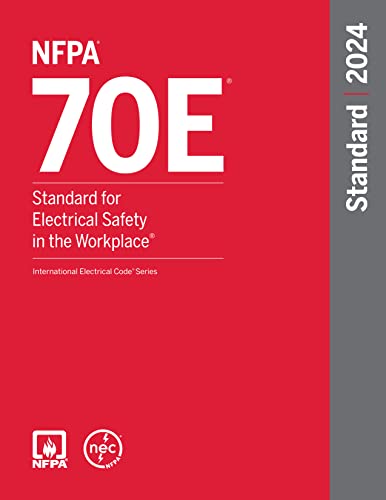
NFPA 70E, Standard for Electrical Safety in the Workplace, 2024 Edition
As an affiliate, we earn on qualifying purchases.
As an affiliate, we earn on qualifying purchases.