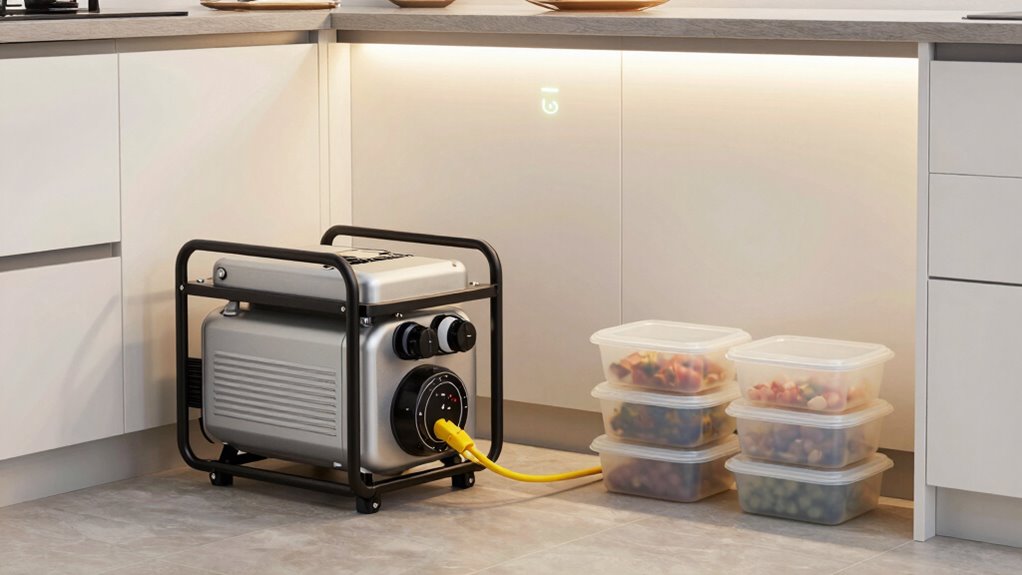

The backup power rule that saves more than just food is to invest in a reliable system that keeps essential home operations running during outages. It protects your home, critical data, and safety by ensuring continuous power. Incorporating renewable energy sources like solar and smart technology enhances resilience and sustainability. This approach not only safeguards your essentials but also prepares you for unforeseen disruptions. Keep going to discover how you can implement these smart solutions for complete emergency readiness.
Key Takeaways
- Reliable backup power ensures continuous operation of critical systems beyond just food storage during outages.
- It protects essential assets, data, and safety measures in emergencies, not limited to preserving food.
- Integrating renewable energy sources enhances resilience for homes, businesses, and communities.
- Advanced technologies like smart grids and batteries optimize backup systems for broader emergency needs.
- Strategic backup power supports overall safety, sustainability, and energy independence during disruptions.
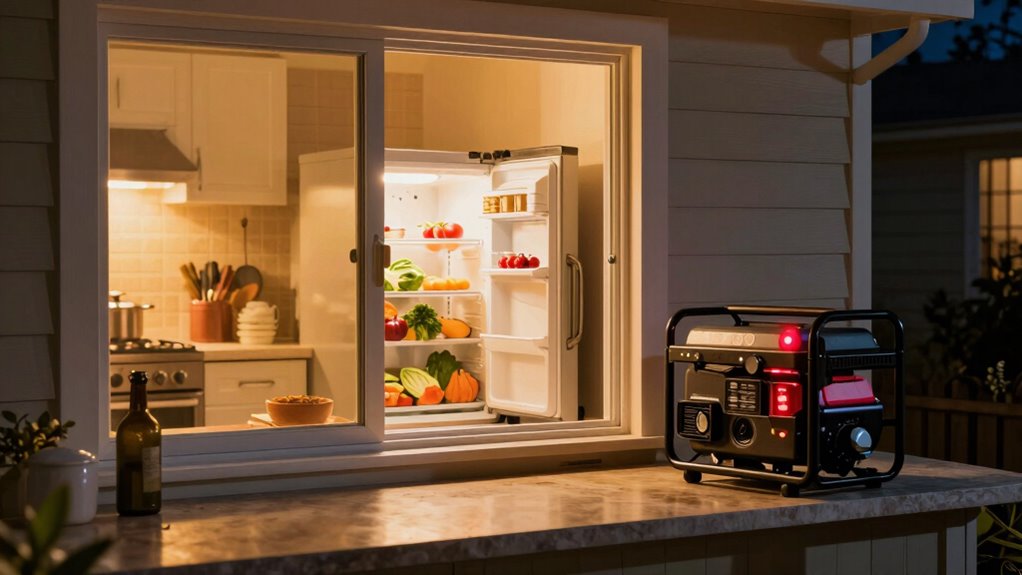
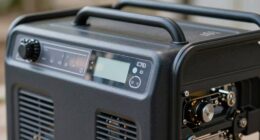
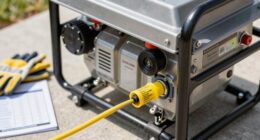
When the lights go out unexpectedly, having a reliable backup power source becomes essential to keep your operations running smoothly. Power outages can strike at any moment, whether due to storms, grid failures, or other unforeseen events. Relying solely on the main power grid leaves you vulnerable, especially during emergencies. That’s where the backup power rule comes into play, emphasizing the importance of a dependable system that can kick in instantly, ensuring your activities—be it business, home, or community services—continue without interruption. A key aspect of effective backup power is integrating renewable sources, like solar or wind energy, into your setup. These sources not only reduce your reliance on fossil fuels but also enhance your emergency preparedness, making your power system more resilient and environmentally friendly. When you invest in renewable-powered backup solutions, you’re creating a sustainable safety net that’s available even when the grid fails. This approach aligns with the broader goal of emergency preparedness—being ready for anything by ensuring continuous power supply. It’s a proactive strategy that minimizes disruptions and protects your assets, data, and loved ones. Relying on renewable sources allows you to generate power quietly and cleanly, often with minimal maintenance. Solar panels, for example, can be installed on rooftops or open spaces, providing a reliable source of energy during outages, especially when paired with battery storage. Wind turbines can supplement this, especially in windy areas, further bolstering your backup capabilities. The beauty of embracing renewable sources for backup power is that it offers a sustainable, long-term solution that reduces your carbon footprint. Additionally, implementing smart grid technology can help optimize energy distribution and improve reliability during outages. Plus, it grants you peace of mind, knowing you’re prepared for emergencies—whether it’s a storm knocking out the grid or a prolonged blackout. The strategy of choosing renewable sources for backup power is that it offers a sustainable, long-term solution that reduces your carbon footprint. Plus, it grants you peace of mind, knowing you’re prepared for emergencies—whether it’s a storm knocking out the grid or a prolonged blackout. It’s not just about keeping the lights on; it’s about safeguarding your entire operation and ensuring you’re resilient against unpredictable circumstances. When you prioritize renewable backup power, you’re making a smart investment in both energy independence and emergency readiness. This strategy helps you stay operational, protect critical systems, and contribute to a healthier planet. Ultimately, the backup power rule isn’t just about avoiding inconvenience—it’s about creating a secure environment that withstands the unexpected. By incorporating renewable sources into your emergency preparedness plan, you’re not only ensuring continuity but also supporting a sustainable future. Power outages might be inevitable, but with the right backup system, you stay in control, ready to face whatever comes next.

Jackery Solar Generator 1000 v2 with 200W Solar Panel,1070Wh Portable Power Station LiFePO4 Battery,1500W AC/100W USB-C Output, 1Hr Fast Charge for Outdoor,Off-Grid Living,RV,Emergency
Powerful yet Compact: Boasting a 1,500W AC output and a 3,000W surge peak, the Solar Generator 1000 V2…
As an affiliate, we earn on qualifying purchases.
As an affiliate, we earn on qualifying purchases.
Frequently Asked Questions
How Often Should Backup Power Systems Be Tested?
You should test your backup power systems at least twice a year to guarantee reliable performance. Regular testing helps identify issues before a real emergency occurs, extending battery lifespan and maintaining safety. Incorporate these tests into your maintenance schedules, checking both the batteries and system components. Consistent testing not only guarantees your backup power works when needed but also helps you spot potential problems early, saving you money and stress.
What Are the Best Backup Power Options for Small Businesses?
In summary, you should consider renewable options like solar-powered generators and battery storage systems for your small business. These modern solutions provide reliable backup power, reduce dependency on the grid, and lower operating costs. You can automate switches during outages, ensuring seamless continuity. Embracing these technologies helps you stay ahead of the game, proving that even in a digital age, a well-placed battery can be your knight in shining armor.
How Does Backup Power Impact Energy Efficiency?
Backup power enhances energy efficiency by supporting renewable integration, allowing you to store excess solar or wind energy for later use. This reduces reliance on grid power, conserving overall energy. When outages occur, backup systems guarantee continuous operation without wasting energy or overloading your main power source. By integrating backup power thoughtfully, you optimize energy conservation and maximize renewable energy use, making your business more sustainable and resilient.
Are Portable Generators Suitable for Long-Term Backup?
Portable generators aren’t ideal for long-term backup because they rely on fuel alternatives like gasoline or diesel, which can be costly and hard to store safely over time. Renewable options, such as solar-powered generators, offer a more sustainable solution for long-term backup needs. They provide consistent power without the need for fuel, making them a smarter choice if you’re planning for extended outages and want to reduce environmental impact.
What Safety Precautions Are Necessary With Backup Power Systems?
You should prioritize safety with backup power systems, as improper use can cause hazards. Regularly check battery maintenance to prevent leaks or failures, and guarantee surge protection is in place to guard your equipment. Did you know that power surges can damage devices in seconds? Always turn off systems before maintenance, use appropriate protective gear, and keep a fire extinguisher nearby—these steps help keep you safe during outages.

EF ECOFLOW Portable Power Station DELTA 2, 1024Wh LiFePO4 (LFP) Battery, 1800W AC/100W USB-C Output, Solar Generator(Solar Panel Optional) for Home Backup Power, Camping & RVs
7 X Faster Charging. 0-80% in just 50 mins and 0-100% in 80 mins with AC input. That's…
As an affiliate, we earn on qualifying purchases.
As an affiliate, we earn on qualifying purchases.
Conclusion
By embracing the Backup Power Rule, you’re not just safeguarding your food—you’re anchoring your peace of mind against life’s unpredictable storms. Think of it as building a sturdy lighthouse guiding you safely through dark and turbulent waters. When power fails, your preparedness shines brightest, turning potential chaos into calm. Remember, a little foresight today can illuminate your path tomorrow, proving that smart backups are truly the brightest sparks in any emergency.

Grid-Scale Energy Storage Systems and Applications
As an affiliate, we earn on qualifying purchases.
As an affiliate, we earn on qualifying purchases.

HOME POWER Backup Solution Guide: A Complete DIY Technical Manual for Selecting, Installing, and Maintaining Reliable Residential Energy Systems for Any Outage
As an affiliate, we earn on qualifying purchases.
As an affiliate, we earn on qualifying purchases.