Solar energy works when sunlight hits silicon-based photovoltaic (PV) cells in panels, exciting electrons and generating electricity. The efficiency depends on the quality of the materials, panel design, and how well they’re installed and oriented—facing south with the right tilt maximizes absorption. External factors like shading, dirt, and snow can reduce output, so regular maintenance is essential. Stick with it, and you’ll discover how optimizing these elements can unleash the full potential of solar power.

Get backup power and energy gear delivered free with Prime
- Fast, free delivery on millions of items
- Prime Video, Amazon Music and more included
- Member-only deals all year
Key Takeaways
- Solar panels convert sunlight into electricity using photovoltaic cells that excite electrons.
- Proper orientation and tilt maximize sunlight absorption and energy output throughout the year.
- High-quality materials and efficient cell design improve solar panel performance.
- External factors like shading, dirt, and debris can significantly reduce efficiency if not managed.
- Regular maintenance and correct installation ensure your solar system operates at peak efficiency.
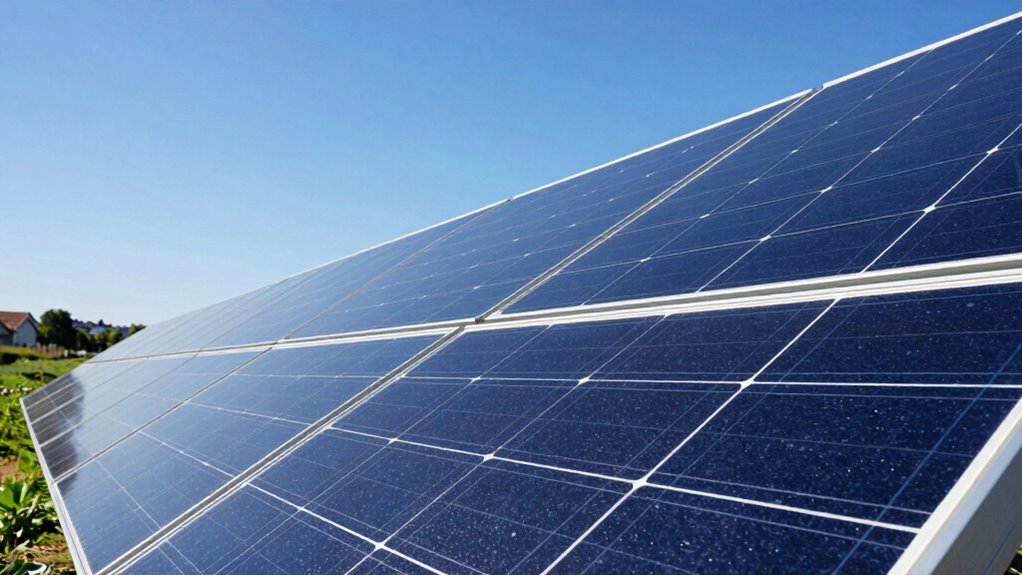
Have you ever wondered how solar energy works and why it’s becoming such a popular renewable resource? The secret lies in how efficiently solar panels convert sunlight into usable electricity. When sunlight hits a solar panel, the goal is to maximize sunlight absorption, which directly impacts solar panel efficiency. The better a panel absorbs sunlight, the more energy it can produce. That’s why understanding the mechanics of sunlight absorption is key to grasping how solar power systems work.
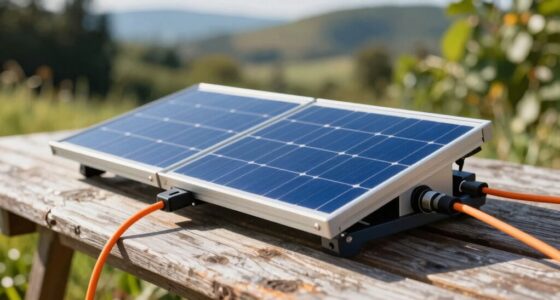
Solar panels are made up of many photovoltaic (PV) cells, usually silicon-based, that are designed to capture sunlight and convert it into electrical energy. When sunlight strikes these cells, it excites the electrons within the silicon material, creating an electric current. The more effective the PV cells are at absorbing sunlight, the higher the solar panel efficiency. This efficiency depends on several factors, including the quality of the materials used, the design of the cells, and how well the panels are installed to receive maximum sunlight exposure. Additionally, ongoing research in solar technology continues to improve the materials and designs used in PV cells to boost their performance.
Photovoltaic cells convert sunlight into electricity, with efficiency influenced by material quality, design, and proper installation.
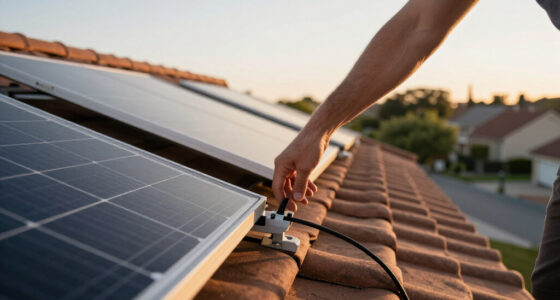
Sunlight absorption isn’t just about the material quality; it’s also influenced by the angle and orientation of your solar panels. Panels facing directly toward the sun, ideally south in the northern hemisphere, absorb more sunlight throughout the day. The intensity of sunlight varies depending on the time of day and season, which is why proper placement and tilt are vital for maximizing sunlight absorption and, consequently, solar panel efficiency. High-efficiency panels are designed to capture more sunlight across a broader spectrum, making them more effective even during cloudy days or low-light conditions.
You also need to take into account external factors that can affect sunlight absorption, such as shading from trees or buildings, dirt, and snow. Keeping your panels clean and unshaded guarantees they operate at peak efficiency. Advances in solar technology have led to panels with higher efficiency ratings, meaning they can produce more electricity from the same amount of sunlight. This makes solar power a more viable and cost-effective option for many homeowners and businesses, especially when combined with ideal placement and maintenance.
Understanding how sunlight is absorbed and how to enhance solar panel efficiency helps you get the most out of your solar energy system. Proper panel placement and maintenance are crucial for optimizing energy production and ensuring your system performs at its best. When your panels are properly aligned and maintained, they can capture the maximum sunlight possible, turning that sunlight into clean, renewable electricity that powers your home or business. The more effective your solar setup, the better you’ll understand the true potential of harnessing the sun’s energy.
As an affiliate, we earn on qualifying purchases.
Frequently Asked Questions
How Long Do Solar Panels Typically Last Before Needing Replacement?
Solar panels typically last around 25 to 30 years before needing replacement, thanks to their durability. You can expect a consistent performance during this panel durability period, with some efficiency loss over time. The replacement timeline depends on factors like weather and maintenance, but most panels remain effective well into their third decade. Regular inspections can help you identify when it’s time for a replacement to keep your system running smoothly.
Can Solar Panels Work Efficiently in Cloudy or Rainy Weather?
Think solar panels can’t work in cloudy or rainy weather? Think again! While their cloudy efficiency drops compared to sunny days, panels still generate power, just less efficiently. Rain actually helps clean the panels, boosting performance afterward. So, even on gloomy or wet days, your solar system keeps humming, providing some energy. Don’t let weather stop you—solar panels are designed to work in a variety of conditions, keeping your power flow steady.
What Is the Average Cost to Install a Residential Solar System?
The average cost to install a residential solar system ranges from $15,000 to $25,000, depending on your home’s size and energy needs. You’ll pay for solar panel materials like high-efficiency modules, inverters, and mounting equipment, plus labor during the installation process. Costs can vary based on system complexity and local regulations. Consulting a professional helps you get precise estimates tailored to your property and guarantees a smooth installation process.
How Much Space Is Required for a Typical Home Solar Setup?
You’ll need about 300 to 400 square feet for a typical home solar setup, but it depends on your energy needs. To make the most of your space, position the solar panels facing south with minimal roof shading, ensuring maximum sunlight exposure. Keep in mind, the ideal orientation and avoiding shade are key to optimizing efficiency. A little planning goes a long way in harnessing the sun’s power effectively!
Are There Any Government Incentives or Tax Credits for Solar Installation?
Yes, you can take advantage of government incentives and tax credits for solar installation. Tax incentives often include federal tax credits that reduce your tax bill considerably, while government rebates can give you direct cash back or discounts. These benefits make solar more affordable, helping you save money in the long run. Be sure to check local, state, and federal programs to maximize your savings and guarantee you qualify.
As an affiliate, we earn on qualifying purchases.
Conclusion
Now that you’ve got the basics down, you might think solar is too complicated or expensive. But remember, investing in solar can save you money in the long run and help protect the environment. With the right information, it’s easier than ever to make the switch. Don’t let misconceptions hold you back—solar power is more accessible and beneficial than you might think. Take the first step today and see how simple going solar can be!
As an affiliate, we earn on qualifying purchases.
solar panel tilt adjustment tool
As an affiliate, we earn on qualifying purchases.
As an affiliate, we earn on qualifying purchases.
Halloween Picks
halloween
As an affiliate, we earn on qualifying purchases.