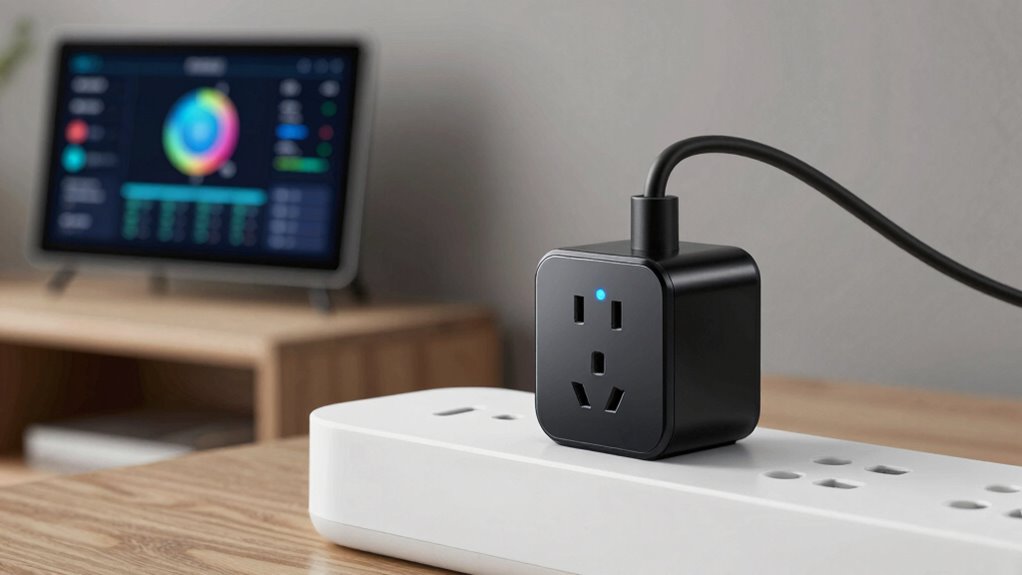
Smart plugs can help reduce energy waste and give you remote control over devices, but their effectiveness depends on choosing ones that are compatible with your setup and support features like energy monitoring and voice commands. Keep in mind, not all smart plugs handle high wattage appliances or provide accurate energy data. To maximize savings and convenience, you need to select the right model and understand its limitations. If you wanna discover more about making smart plugs work best for you, keep exploring.

Get backup power and energy gear delivered free — and shop member deals
- Fast, free delivery on millions of items
- Access to Prime Big Deal Days deals on October 6–7
- Prime Video, Amazon Music and more included
Key Takeaways
- Not all smart plugs support energy monitoring; verify device specifications before purchase.
- Energy monitoring features help identify wasteful devices, potentially leading to cost savings.
- Compatibility with your existing smart home ecosystem is essential for effective energy management.
- The financial benefits depend on reducing unnecessary device usage and energy waste.
- Proper selection and usage maximize the practical benefits of smart plugs with energy monitoring capabilities.
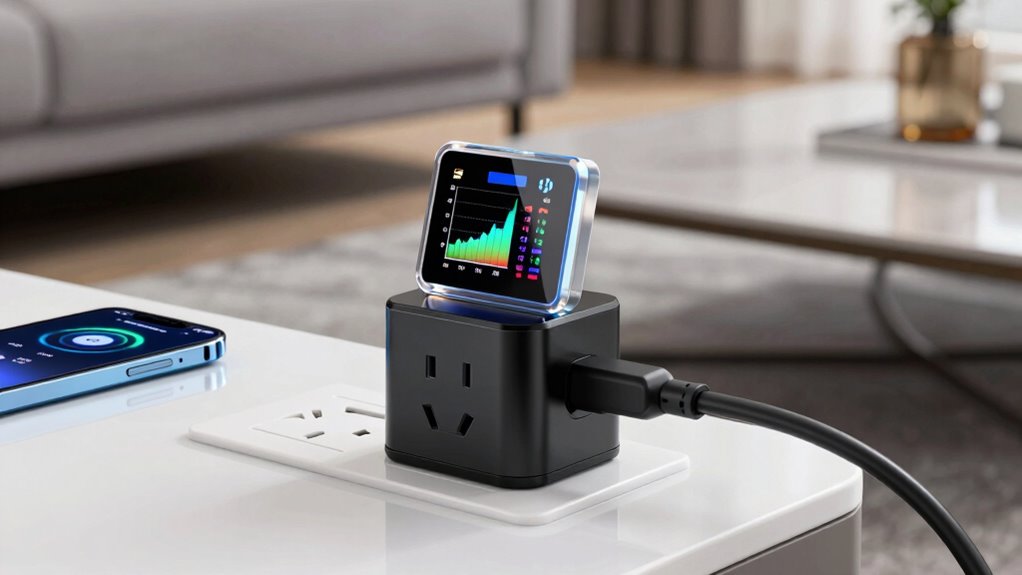
Smart plugs are a simple yet powerful way to take control of your energy consumption. They let you turn devices on and off remotely, schedule operations, and monitor real-time energy use—all from your smartphone or voice assistant. But before you explore the world of smart plugs, it’s important to assess device compatibility and conduct a cost benefit analysis. Not all smart plugs work seamlessly with every device or smart home ecosystem, so checking whether your existing gadgets and platforms are compatible is a smart first step. Some smart plugs are designed specifically for certain brands or require particular Wi-Fi standards, which could limit your options or lead to additional expenses if you need adapters or upgrades.
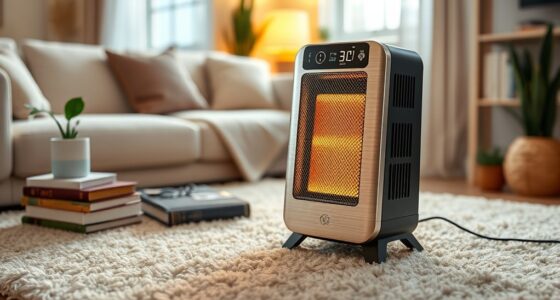
When evaluating a smart plug, you want to verify it can handle the wattage of your devices—especially if you’re plugging in appliances like space heaters or kitchen gadgets. Compatibility isn’t just about brand; it’s about functionality. You need to verify if the smart plug integrates with your voice assistants, whether it supports scheduling, and if it provides accurate energy monitoring. If the device isn’t compatible with your current setup, you might find yourself spending extra time and money trying to make it work, which can diminish the overall cost benefit of the investment.
Performing a cost benefit analysis helps you determine if a smart plug is worth the expense. While many smart plugs are affordable, the savings they offer depend on how you use them. For example, if you have devices that tend to stay on unnecessarily, scheduling or remotely turning them off could reduce your energy bills over time. But if you mostly use smart plugs with devices that are already energy-efficient or are rarely left on, the financial return might be minimal. Reflect on the upfront cost of the device, potential installation requirements, and whether the energy savings will offset these costs in a reasonable timeframe.
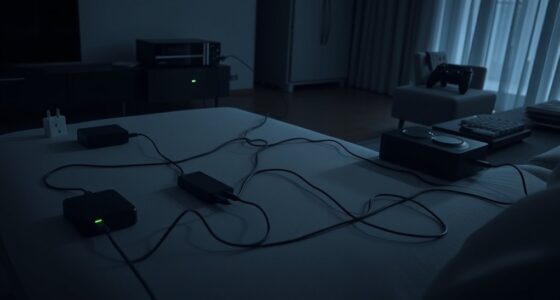
Additionally, think about the convenience factor and how much value that adds to your daily routine. Smart plugs can help you avoid standby power drain and provide peace of mind when you’re away. However, it’s vital to weigh these benefits against the initial investment and ongoing costs, including subscription services or upgrades. If you find that the energy monitoring features help you identify wasteful devices and adjust your habits accordingly, then the smart plug’s value increases. Ultimately, a well-chosen smart plug that aligns with your device compatibility needs and delivers tangible savings can be a worthwhile addition to your smart home setup.
smart plug with energy monitoring
As an affiliate, we earn on qualifying purchases.
As an affiliate, we earn on qualifying purchases.
Frequently Asked Questions
Can Smart Plugs Be Hacked or Compromised?
Yes, smart plugs can be hacked or compromised, raising cybersecurity concerns. If you don’t safeguard your network, hackers could gain access and control your devices. There are also privacy implications, as personal data from your smart plug usage might be exposed or misused. To protect yourself, always update firmware, use strong passwords, and make sure your Wi-Fi network is secure. Staying proactive helps minimize these risks and keeps your smart home safe.
Do Smart Plugs Work During Power Outages?
Smart plugs typically don’t work during power outages because they rely on your household power supply. When a power outage occurs, their connection is cut off, so you can’t control or monitor devices remotely. To keep devices running during outages, consider backup power options like uninterruptible power supplies (UPS) or generators. These solutions provide power independently, ensuring your smart devices stay operational even when the main power is out.
Are There Health Risks Associated With Smart Plug Emissions?
You’re safe from health risks related to smart plug emissions. They emit very low levels of electromagnetic exposure, which don’t pose significant health concerns for most people. Additionally, smart plugs don’t impact indoor air quality, as they don’t release volatile organic compounds or other pollutants. If you’re concerned, choose devices with good reviews and keep your indoor environment well-ventilated. Overall, smart plugs are considered safe for everyday use.
How Accurate Are Energy Readings From Smart Plugs?
Your smart plug’s energy readings are surprisingly accurate—often within 5%—making them reliable for monitoring energy consumption. However, the accuracy can vary based on device compatibility and the quality of the smart plug itself. Complex appliances with fluctuating power draw might cause slight discrepancies. For the best results, choose a high-quality, compatible device, and regularly calibrate to guarantee your energy monitoring remains precise and trustworthy.
Can Smart Plugs Be Integrated With All Smart Home Systems?
Smart plugs can be integrated with most smart home systems, but compatibility issues might arise. If your system supports voice control, you’ll likely find compatible smart plugs, making setup seamless. However, check the compatibility list before purchasing, as some smart plugs work better with certain ecosystems like Alexa, Google Assistant, or Apple HomeKit. Ensuring compatibility helps you avoid frustration and enjoy smooth integration into your smart home.
compatible smart plugs for home automation
As an affiliate, we earn on qualifying purchases.
As an affiliate, we earn on qualifying purchases.
Conclusion
So, next time you proudly monitor your energy usage with a smart plug, remember—it’s only as smart as the data it provides. While you might think you’re saving energy, those little devices often end up sipping power themselves. Ironically, your quest for efficiency might just be adding to the bill. Sometimes, the simplest solutions are the least complicated—and cheapest. So, enjoy your “smart” gadgets, but don’t forget to keep a skeptical eye on their true impact.
smart plug for high wattage appliances
As an affiliate, we earn on qualifying purchases.
As an affiliate, we earn on qualifying purchases.
As an affiliate, we earn on qualifying purchases.
Fall Picks
fall essentials
As an affiliate, we earn on qualifying purchases.