Variable speed equipment adjusts the speed of motors and pumps to match your actual demand, preventing unnecessary power use. By doing so, it reduces energy consumption and cuts costs, especially during low-demand periods. This adjustment also lessens wear and tear on machinery, extending equipment life and lowering maintenance expenses. Overall, it makes your operations more efficient and environmentally friendly. If you want to discover how this technology can benefit your system even more, keep exploring.

Get backup power and energy gear delivered free with Prime
- Fast, free delivery on millions of items
- Prime Video, Amazon Music and more included
- Member-only deals all year
Key Takeaways
- Adjusts equipment speed to match demand, reducing unnecessary energy use.
- Lowers energy consumption compared to fixed-speed systems during low demand periods.
- Prevents energy waste by avoiding operation at full capacity when not needed.
- Enhances overall efficiency, leading to significant energy savings over time.
- Supports environmental goals by decreasing overall energy consumption and carbon footprint.
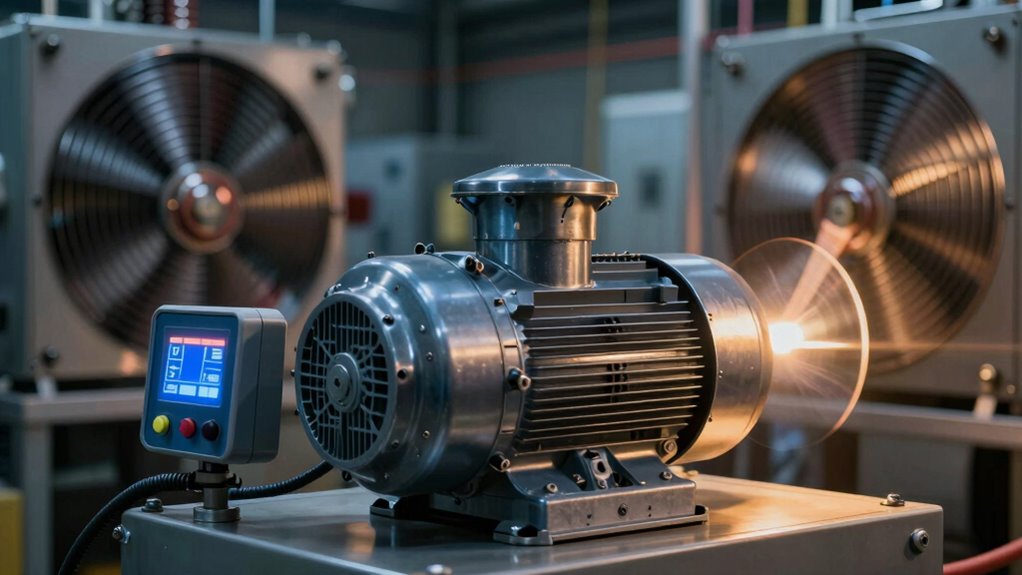
Variable speed equipment has become an essential component in optimizing energy consumption across various industries. When you implement variable speed drives and machinery, you’re actively working to improve efficiency optimization, which directly impacts your overall energy usage. Instead of running at full capacity all the time, this equipment adjusts its speed to match the actual demand, reducing unnecessary power consumption. This flexibility means you use only the energy needed for a specific task, preventing waste and lowering operational costs. As a result, your processes become more efficient, and you save money in the long run.
Variable speed equipment optimizes energy use by matching demand, reducing waste, and lowering operational costs for greater efficiency.
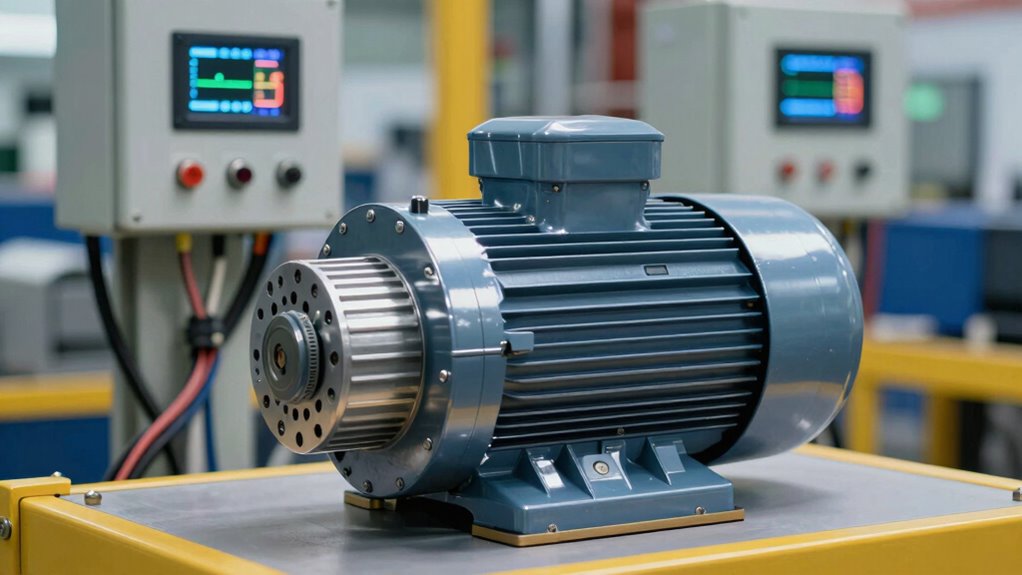
By controlling the speed of motors and pumps precisely, you avoid the inefficiency of running equipment at constant high speeds when it’s not necessary. For example, if you’re operating a pump that transports fluid, variable speed control allows you to decrease the motor’s speed during periods of low demand. This targeted adjustment reduces energy consumption markedly compared to traditional fixed-speed systems. The more you optimize these processes, the more you cut down on energy waste, leading to substantial cost savings. Over time, these savings can be reinvested into other areas of your operation, further boosting productivity and profitability.
Furthermore, variable speed equipment provides you with better control over your energy use, helping you meet sustainability goals and adhere to energy regulations. With real-time monitoring and adjustments, you can fine-tune your machinery to operate at peak efficiency, which is crucial in industries where energy costs are a major expense. This adaptability not only reduces your carbon footprint but also enhances your reputation as an environmentally responsible business. Implementing energy-efficient technology is a key step in achieving these benefits.
The initial investment in variable speed technology might seem high, but the long-term benefits outweigh the costs. You’ll notice a reduction in energy bills and lower maintenance costs because these systems tend to experience less wear and tear. Because they operate more smoothly and efficiently, you avoid the strain that traditional equipment faces when working at full capacity constantly. This longevity translates into fewer replacements and repairs, further increasing your cost savings.
Products Worth Considering

Ring Wired Doorbell Plus (2nd Gen) & Chime Plus Bundle – Nickel Silver

Dyson Airstrait Styling Brush

Bose Smart Dolby Atmos Soundbar with Alexa, A.I. Dialogue Mode, and Bluetooth, Black
As an affiliate, we earn on qualifying purchases.
Frequently Asked Questions
How Does Variable Speed Equipment Impact Maintenance Costs?
Variable speed equipment reduces your maintenance costs by operating more smoothly and efficiently, which means fewer breakdowns and less wear and tear. Its energy efficiency translates into lower operational costs, and with less strain on parts, you experience fewer repairs. Over time, these factors lead to significant cost savings, as you spend less on maintenance and energy bills, making your equipment more reliable and economical in the long run.
Are There Specific Industries That Benefit Most From Variable Speed Technology?
You’ll find that industries like manufacturing, HVAC, and water treatment benefit most from variable speed technology. While some might think it’s costly upfront, the energy efficiency gains quickly outweigh initial expenses. By adjusting motor speeds to actual demand, you save energy and reduce costs, making your operations more sustainable. Industry applications thrive with this technology, as it optimizes performance and minimizes waste, ultimately boosting your bottom line.
What Is the Typical Payback Period for Installing Variable Speed Equipment?
The typical payback period for installing variable speed equipment ranges from one to three years. You’ll see energy savings quickly, often recouping your investment through reduced operational costs. Conducting a thorough cost analysis helps you understand potential savings and payback time. Factors like equipment size, usage patterns, and energy rates impact this period, but overall, variable speed technology offers a strong return on investment through lower energy consumption.
Can Variable Speed Equipment Be Retrofitted Into Existing Systems?
Yes, you can retrofit variable speed equipment into existing systems, but it often involves energy savings and retrofit challenges. You’ll need to assess compatibility and possibly upgrade control systems. While the process can be complex, the energy savings from improved efficiency usually outweigh retrofit challenges. Proper planning and expert installation help guarantee a smoother shift, maximizing benefits and minimizing disruptions to your current setup.
How Does Variable Speed Control Affect Equipment Lifespan?
Imagine your equipment as a race car engine, revving smoothly instead of constantly pounding at full throttle. Variable speed control reduces wear and tear, leading to efficiency gains and energy savings, which extend equipment lifespan. By adjusting speed precisely to demand, you prevent unnecessary stress and overheating, helping your machinery last longer. This smart control system keeps your equipment running reliably, saving money and reducing replacement costs over time.
Conclusion
Switching to variable speed equipment isn’t just a smart choice—it’s like giving your energy bills a knockout punch! By adjusting speed to match demand, you’ll slash energy waste and leave sky-high costs in the dust. Imagine your savings skyrocketing while your equipment runs smoother than ever. Don’t settle for the old ways—embrace variable speed tech and watch your energy consumption plummet to levels you never thought possible! Your wallet and the planet will thank you.