
TL;DR

Get backup power and energy gear delivered free with Prime
- Fast, free delivery on millions of items
- Prime Video, Amazon Music and more included
- Member-only deals all year
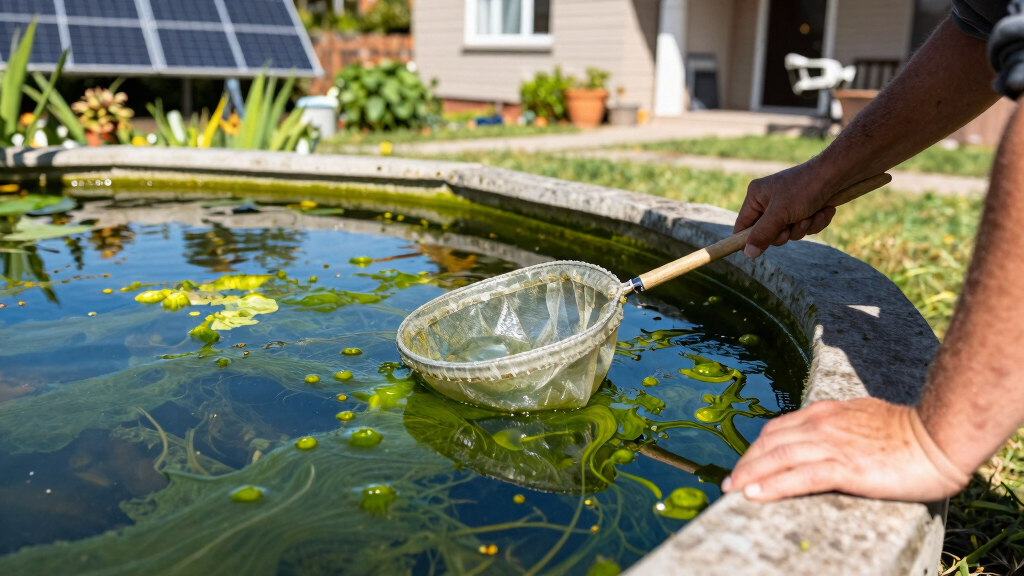
Algae can become toxic under specific conditions, creating health risks for humans and animals. Experts warn that harmful algal blooms are increasing, making awareness crucial. This report explains when algae becomes dangerous and what remains uncertain.
Scientists have confirmed that certain algae blooms, known as harmful algal blooms (HABs), produce toxins that can cause serious health issues in humans and animals. These toxic blooms are becoming more frequent and widespread, raising concerns among public health officials and environmental agencies.
Harmful algal blooms occur when specific algae species multiply rapidly under favorable conditions such as warm temperatures, nutrient pollution, and stagnant water. These blooms can produce toxins like microcystins, saxitoxins, and cylindrospermopsins, which pose health risks through contaminated water and seafood. Authorities have documented increasing incidents, especially in freshwater lakes and coastal areas, linked to climate change and pollution.
Health agencies warn that exposure can lead to skin irritation, respiratory issues, liver damage, and neurological effects, particularly in vulnerable populations such as children, outdoor workers, and those with compromised immune systems. Boiling water does not eliminate these toxins, making detection and monitoring critical for public safety.
Public Health Risks from Toxic Algae Blooms
The rise of harmful algal blooms represents a significant public health concern, as exposure to algal toxins can cause acute and chronic health problems. These blooms also threaten local economies reliant on tourism, fishing, and water recreation. Increased awareness and proactive monitoring are essential to prevent health incidents and mitigate economic impacts.
Harmful Algal Bloom Water Test Kit
As an affiliate, we earn on qualifying purchases.
As an affiliate, we earn on qualifying purchases.
Environmental Factors Driving More Frequent HABs
HABs have historically been seasonal, but recent decades have seen a surge in their frequency and severity, attributed largely to climate change, nutrient runoff from agriculture, and urbanization. Experts note that warmer temperatures and increased nutrient pollution create ideal conditions for toxin-producing algae to thrive, leading to more frequent and intense blooms. Past incidents have included outbreaks in the Great Lakes, Gulf Coast, and several European lakes, with health advisories issued regularly.
“Not all algae are harmful, but under certain conditions, specific species can produce potent toxins that pose serious health risks.”
— Dr. Lisa Nguyen, Marine Biologist
Algae Toxin Detection Test Strips
As an affiliate, we earn on qualifying purchases.
As an affiliate, we earn on qualifying purchases.
Uncertainties About Long-Term Health Effects and Monitoring
While the presence of toxins in HABs is well-documented, the long-term health impacts of repeated or low-level exposure remain unclear. Additionally, the extent to which climate change will influence future bloom patterns is still being studied. Monitoring methods are improving but are not yet comprehensive across all vulnerable regions.
As an affiliate, we earn on qualifying purchases.
Expanding Monitoring and Public Awareness Efforts
Researchers and health agencies plan to enhance water quality monitoring, develop better detection technologies, and increase public education campaigns. Policy measures targeting nutrient runoff reduction and climate mitigation are also expected to be prioritized to reduce HAB occurrences. Continued research will clarify long-term health impacts and improve response strategies.
As an affiliate, we earn on qualifying purchases.
Key Questions
How can I tell if water is contaminated by harmful algae?
Indicators include visible scums, discoloration, or foul odors. However, laboratory testing is necessary to confirm the presence of toxins. Local health departments often issue advisories during bloom events.
Are all algae dangerous?
No, most algae are harmless and play vital roles in ecosystems. Only specific species produce toxins harmful to humans and animals under certain conditions.
What should I do if I suspect a harmful algal bloom in my area?
Avoid contact with the water, do not swim or fish in affected areas, and report the bloom to local health authorities. Follow any advisories or warnings issued.
Can boiling water remove algal toxins?
No, boiling does not eliminate toxins produced by HABs. Proper testing and treatment are necessary to ensure water safety.
What policies are being implemented to reduce HABs?
Efforts include reducing nutrient runoff through better agricultural practices, improving wastewater treatment, and addressing climate change impacts to limit conditions conducive to HABs.
Source: rss
Fall Picks
fall essentials
As an affiliate, we earn on qualifying purchases.