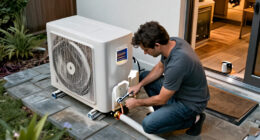
Garage and workshop ventilation is part of the power conversation because it directly impacts your safety, tool longevity, and work efficiency. Proper airflow removes hazardous fumes, dust, and airborne contaminants that can cause health issues or even fires. It also helps keep air quality high, preventing damage from heat and moisture. By optimizing your ventilation system, you’ll guarantee a safer, more productive space. Stay with us to uncover how modern solutions can transform your workspace.

Get backup power and energy gear delivered free with Prime
- Fast, free delivery on millions of items
- Prime Video, Amazon Music and more included
- Member-only deals all year
Key Takeaways
- Proper ventilation enhances the effectiveness of power tools by managing heat and fumes generated during operation.
- Ensuring adequate airflow prevents hazardous fumes from accumulating, reducing fire and explosion risks associated with power equipment.
- Energy-efficient ventilation systems optimize power use while maintaining safe air quality levels in workshops.
- Power tools and electrical systems contribute to heat and dust; ventilation controls these factors to protect equipment and users.
- Integrating ventilation with power systems improves overall workspace safety, compliance, and operational efficiency.
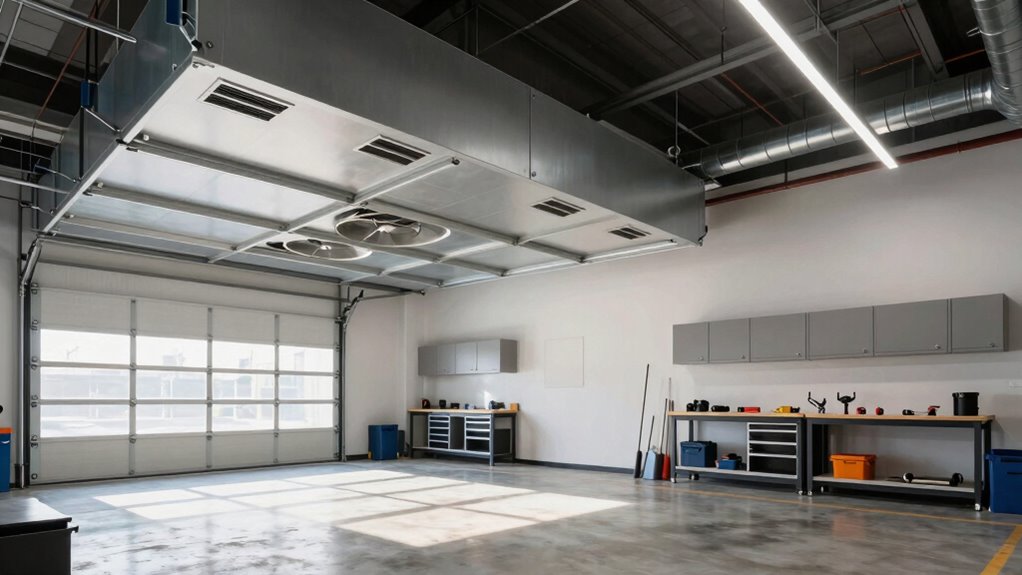
Have you ever considered how proper ventilation can transform your garage or workshop into a safer, healthier space? Good ventilation isn’t just about comfort; it’s vital for maintaining a safe environment where you can work efficiently without risking your health. When you focus on airflow optimization, you guarantee fresh air circulates effectively, removing hazardous fumes, dust, and other airborne contaminants that can accumulate during your projects. Proper airflow is the backbone of a well-ventilated workspace, preventing dangerous buildup of fumes from paints, solvents, or automotive exhaust, all of which can pose serious health risks if not managed correctly.
Proper ventilation ensures a safer, healthier workspace by removing hazardous fumes and contaminants effectively.
In the context of safety regulations, ventilation takes on even more importance. Local codes and industry standards set specific requirements to protect workers and homeowners alike. These safety regulations are designed to prevent accidents caused by poor air quality, fire hazards, or explosions resulting from the buildup of flammable vapors. They often specify minimum airflow rates, exhaust systems, and air exchange frequencies to guarantee your space remains compliant and safe. Ignoring these regulations can lead to fines or, worse, accidents that could have been avoided with the right ventilation setup.
When you think about what makes garage and workshop ventilation part of the power conversation, it’s because ventilation directly impacts safety, productivity, and long-term durability of your space. A well-ventilated workshop not only keeps the air clean but also prevents the accumulation of heat and moisture that can damage tools, materials, and structural elements over time. Proper airflow can also help mitigate the effects of heat generated by power tools or electrical equipment, creating a more comfortable working environment. Additionally, air quality control plays a crucial role in ensuring the health and safety of everyone in the workspace. Proper ventilation design can also help optimize energy use, making your system more efficient and cost-effective.
Furthermore, modern ventilation solutions often incorporate energy-efficient fans and duct systems, making airflow optimization easier and more effective than ever. These systems can be customized to your specific needs, whether you’re working with chemical fumes, woodworking dust, or automotive gases. Proper air exchange and ventilation design are key to ensuring your workspace remains safe and efficient. To better understand how various airborne contaminants can affect your health, it’s helpful to be aware of odor sources like spoiled food or chemical fumes, which signals the need for improved ventilation. When you stay informed about current safety regulations and invest in the right ventilation tools, you’re taking control of your workspace’s safety and efficiency. In the end, proper ventilation isn’t just about meeting standards; it’s about creating a safer environment where your work can thrive without compromising your health or safety.
As an affiliate, we earn on qualifying purchases.
Frequently Asked Questions
How Often Should Garage Ventilation Systems Be Inspected?
You should inspect your garage ventilation system at least twice a year, ideally in spring and fall. Regular inspections help maintain air quality and moisture control, preventing mold and harmful fumes. Check for blockages, make sure fans work properly, and replace filters as needed. Proper maintenance keeps the system running efficiently, protecting your health and extending the lifespan of your equipment. Stay proactive to keep your garage safe and well-ventilated year-round.
Are There Specific Ventilation Requirements for Different Workshop Sizes?
You wonder if workshop size affects ventilation requirements. It does—larger spaces demand higher airflow efficiency to clear fumes and maintain air quality. Ventilation standards vary, ensuring each workshop gets the right amount of fresh air, no matter the size. If you ignore this, you risk unsafe conditions. As your workspace grows, so should your ventilation system, keeping safety and efficiency in perfect balance.
What Are the Health Risks of Poor Garage Ventilation?
Poor garage ventilation harms your indoor air quality, exposing you to harmful fumes, dust, and mold. Inadequate ventilation standards can lead to respiratory issues, headaches, and long-term health problems. Without proper airflow, toxins from chemicals, paints, and exhaust gases accumulate, risking your health and safety. Ensuring good ventilation helps maintain a safe environment, protects your lungs, and keeps the space healthy and compliant with ventilation standards.
Can DIY Ventilation Solutions Be Effective and Safe?
DIY ventilation solutions can be effective if you carefully plan and install them, but safety considerations are vital. You should choose appropriate fans or vents designed for garage use, guarantee proper electrical wiring, and avoid creating hazards like leaks or fire risks. While DIY options might work for basic needs, consulting a professional guarantees your setup is both safe and effective, especially for removing harmful fumes and maintaining good airflow.
How Does Ventilation Impact Garage Safety Regulations?
Think of your garage as a living room — poor ventilation can turn it into a toxic cloud. Proper airflow directly influences air quality, ensuring harmful fumes don’t linger. Ventilation standards set the safety threshold, helping you meet regulations and avoid hazards. When you prioritize good ventilation, you protect yourself and stay compliant, creating a safer workspace where fumes are quickly pushed out, and fresh air keeps the environment healthy.
workshop air purifier with carbon filter
As an affiliate, we earn on qualifying purchases.
As an affiliate, we earn on qualifying purchases.
Conclusion
You might think a garage or workshop is just a place for tools and projects, but proper ventilation turns it into a safe haven. Without it, fumes and dust hang in the air, risking health just like a neglected filter. Ventilation isn’t just about comfort; it’s about protection—like a shield guarding your well-being. So, invest in your space’s airflow, and turn a dusty workshop into a safe, productive powerhouse.
As an affiliate, we earn on qualifying purchases.
automatic ducted exhaust system for garage
As an affiliate, we earn on qualifying purchases.
As an affiliate, we earn on qualifying purchases.
Fall Picks
fall essentials
As an affiliate, we earn on qualifying purchases.