
TL;DR
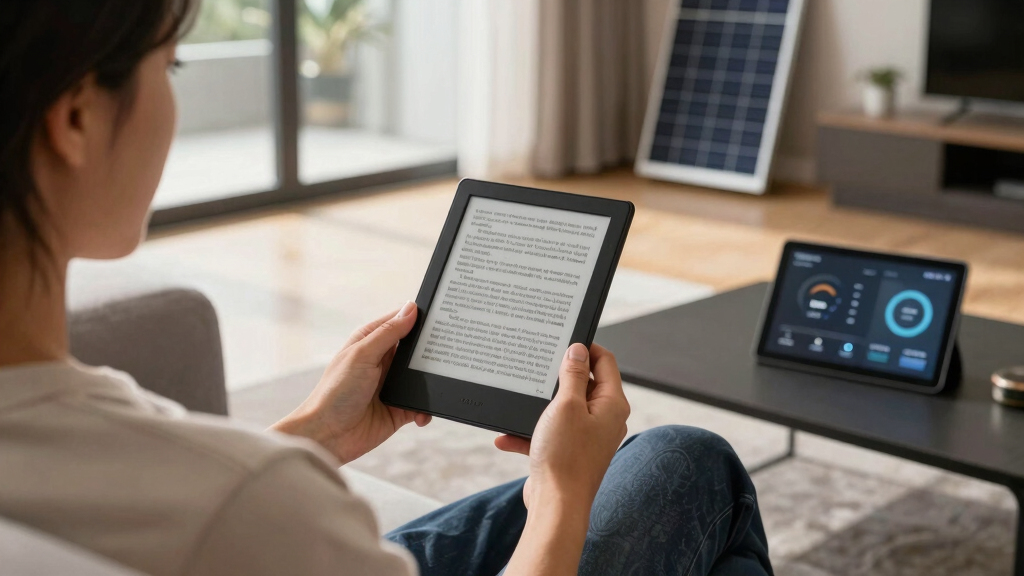
The Open Book Touch has been released as an open-source e-reader, allowing developers and users to modify and improve the device. This move aims to foster innovation and accessibility in digital reading.
The Open Book Touch e-reader is now available as an open-source device, allowing users and developers to access its hardware schematics, firmware, and software code. This development aims to promote customization, transparency, and community-driven improvements in digital reading devices, representing a notable shift from proprietary e-reader models.
The Open Book Touch, developed by a collaborative community of open-source enthusiasts, was officially released in March 2024. The device’s hardware schematics, firmware, and software are publicly available on GitHub, enabling anyone to modify, repair, or enhance the e-reader. The device features a 6-inch e-ink display, Wi-Fi connectivity, and supports multiple formats, similar to commercial e-readers but with the added benefit of full transparency and customization options. The project was funded through a combination of crowdfunding and community donations, emphasizing its open and accessible nature. The developers aim to foster innovation by allowing users to adapt the device for specific needs, such as accessibility enhancements or educational tools, without restrictions typical of proprietary hardware.Implications for the E-Reader Industry and Users
The release of the Open Book Touch as an open-source device could significantly influence the e-reader market by encouraging more transparent and customizable hardware options. It lowers barriers for repair and modification, potentially extending device lifespan and reducing electronic waste. For users, especially those with specific accessibility needs, this development offers tailored solutions that proprietary devices may not support. It also empowers hobbyists, educators, and developers to experiment with new features, fostering innovation in digital reading technology. Industry observers see this as a step toward a more open hardware ecosystem in a sector traditionally dominated by proprietary products from companies like Amazon and Kobo.
As an affiliate, we earn on qualifying purchases.
Background and Industry Trends Leading to Open Source E-Readers
Historically, most e-readers have been closed systems, with manufacturers controlling hardware, software, and updates. The Open Book Touch project emerged from a broader movement advocating for open hardware and software in consumer electronics. Previous efforts, such as open-source smartphones and single-board computers, demonstrated community interest in transparent, modifiable devices. The e-reader market has seen limited open initiatives, with some niche projects focused on accessibility or educational use. The Open Book Touch builds on this momentum, aiming to provide a fully open alternative to commercial products. Its development reflects growing consumer demand for transparency, repairability, and customization in technology products.
“This release democratizes access to digital reading technology, allowing anyone to adapt and improve the device for their specific needs.”
— Alex Martinez, lead developer of the Open Book Touch project
As an affiliate, we earn on qualifying purchases.
Unanswered Questions About Device Support and Community Adoption
It is not yet clear how widely the Open Book Touch will be adopted by consumers or developers. Questions remain about the availability of official support, repair services, and long-term software updates. Additionally, the extent of community involvement in ongoing development and whether the device will gain traction in commercial markets are still uncertain. The project’s sustainability and ability to compete with established proprietary e-readers also remain to be seen.
As an affiliate, we earn on qualifying purchases.
Next Steps for Development and Community Engagement
The project team plans to host online forums and development workshops to encourage community participation. Updates to firmware and hardware improvements are expected to be released periodically, driven by user feedback. The team also aims to collaborate with educational institutions and accessibility advocates to expand the device’s use cases. Commercial availability for mass-market consumers is not yet announced, but early adopters and developers are expected to test and refine the device over the coming months.
As an affiliate, we earn on qualifying purchases.
Key Questions
Can I buy the Open Book Touch commercially?
As of now, the device is available primarily as a DIY project for developers and enthusiasts. Commercial mass-market availability has not been announced.
What software does the Open Book Touch run?
The device runs open-source firmware based on Linux, with support for multiple e-book formats and customizable user interfaces.
Is the hardware repairable and customizable?
Yes, the hardware schematics are publicly available, enabling repairs and modifications by users with technical skills.
Will there be official updates or support?
The project is community-driven, and ongoing support depends on developer contributions. No official support channel has been announced yet.
How does this compare to proprietary e-readers?
The Open Book Touch offers full transparency, customization, and repairability, contrasting with proprietary devices that restrict user modifications and repairs.
Source: hn
![[Gamers Nexus] DO NOT BUY: LG’s Spyware TVs, Monitors, And Wiretapping Concerns](https://highervoltage.net/wp-content/uploads/2026/07/gamers-nexus-do-not-buy-lg-s-spyware-tvs-monitors-and-wiretapping-concerns-featured-560x300.jpg)