To compare backup power for electronics, medical gear, and refrigeration, consider the capacity needed to run critical devices and the runtime offered by each option. Look at how well they connect to your existing infrastructure, whether grid-connected or off-grid. Evaluate the environmental impact and ongoing costs, especially for renewable systems versus traditional generators. Keep in mind maintenance needs and storage options. If you’re curious about choosing the best solution, you’ll find helpful details ahead.

Get backup power and energy gear delivered free — and shop member deals
- Fast, free delivery on millions of items
- Access to Prime Big Deal Days deals on October 6–7
- Prime Video, Amazon Music and more included
Key Takeaways
- Calculate total wattage and runtime needs of electronics, medical gear, and refrigeration to determine appropriate backup capacity.
- Evaluate system types—grid-connected, off-grid, or portable—based on location, infrastructure, and independence requirements.
- Consider battery storage capacity and management to ensure reliable power during extended outages.
- Compare upfront costs, ongoing maintenance, and environmental impacts between renewable and traditional backup options.
- Ensure compatibility and seamless switching between backup power and main grid to prevent device damage or data loss.
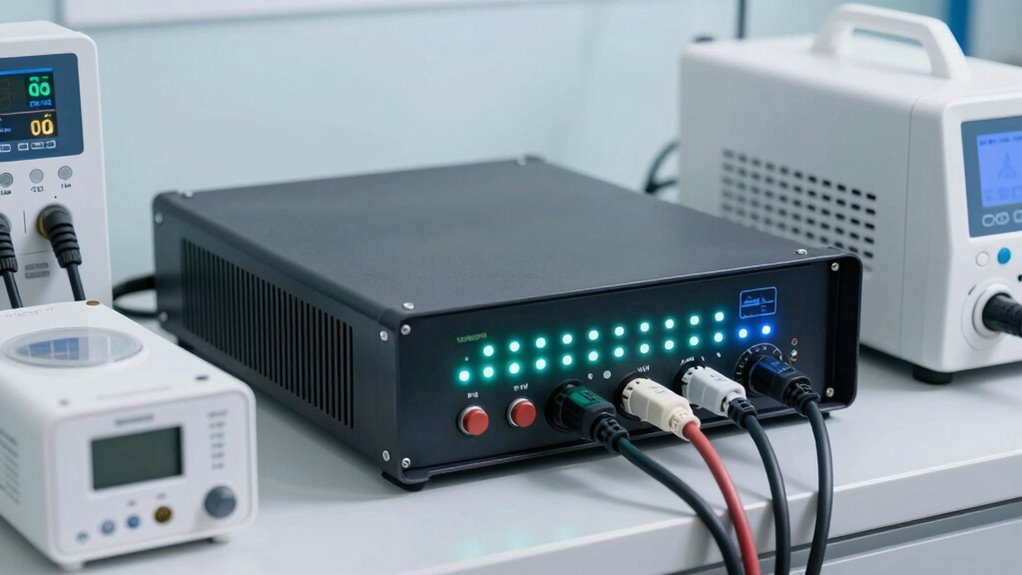
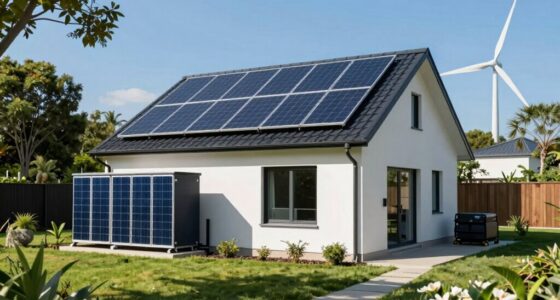
When choosing backup power options, understanding how different systems compare is essential to making an informed decision. You need to consider how each system aligns with your specific needs, especially when powering electronics, medical gear, and refrigeration. One key factor is the source of the power. Renewable energy sources, like solar panels or wind turbines, are increasingly popular because they reduce reliance on the traditional power grid and offer sustainable, clean energy. Solar-powered backup systems, for instance, can store energy in batteries for use during outages, making them a reliable choice if you want to minimize environmental impact. However, it’s important to evaluate whether the renewable system provides enough capacity for your essential devices and how weather or sunlight variability might affect its performance. Security measures in backup power systems are also vital to ensure safety and prevent disruptions. Additionally, understanding power capacity helps you select a system that can meet your needs without over-investing or risking insufficient backup. It’s also beneficial to consider battery storage options, as they play a crucial role in ensuring reliable backup power, especially during prolonged outages. Incorporating storage solutions into your assessment can help you determine the most effective way to manage energy reserves for critical needs. Moreover, assessing the technology involved in different backup systems can help you understand their reliability and compatibility with existing infrastructure.
Next, you should compare how these systems connect to the power grid. Traditional generators rely on fuel and are often connected directly to the grid or operate independently. They can produce high wattage quickly, which is vital for medical gear and refrigeration that require consistent power. Conversely, some renewable energy systems can be integrated with the grid, allowing excess energy to be fed back for credits, or they can operate off-grid, providing independence from utility outages. Consider whether your location and infrastructure support grid-connected systems or if an off-grid setup makes more sense.
Compare grid-connected and off-grid systems to ensure your backup power matches your location and infrastructure needs.
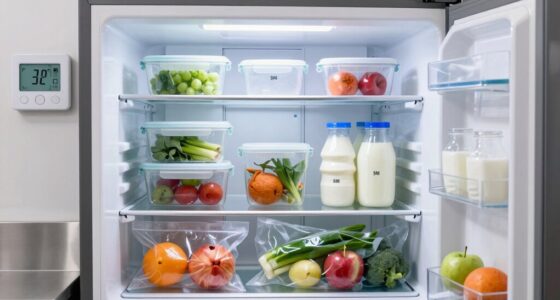
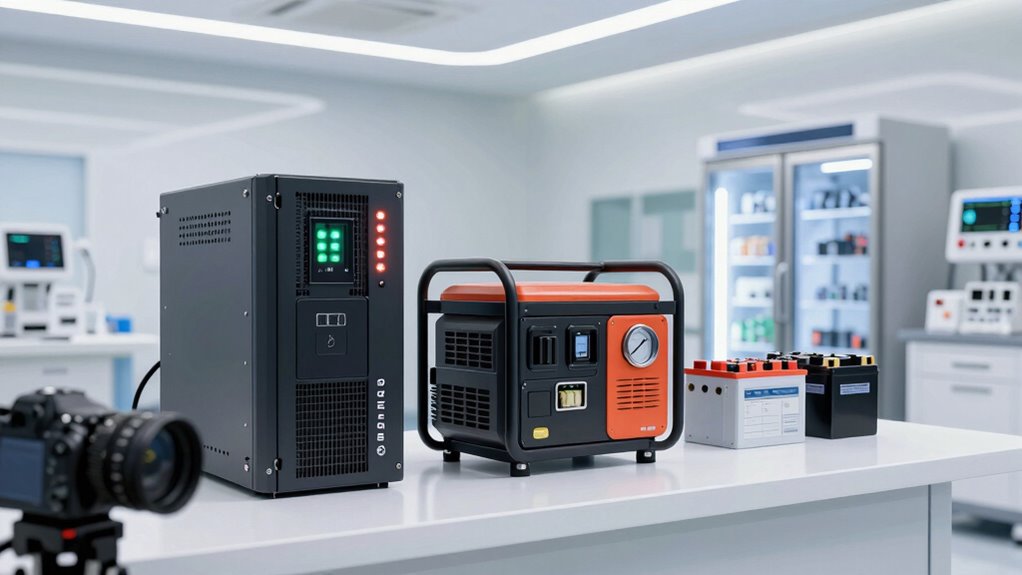
Another critical aspect is capacity and runtime. You’ll want a backup system that can sustain your critical devices long enough to cover outages and prevent data loss, spoilage, or health risks. For electronics, a smaller, portable generator or a battery backup might suffice, but medical gear and refrigeration often need more robust solutions. You should calculate the total wattage your essential devices consume and ensure the backup system can handle that load. Pay attention to how long it can operate at full capacity—some systems may offer only a few hours, while others can last days with proper storage.
Finally, consider the maintenance, costs, and environmental impact of each system. Renewable energy systems typically have higher upfront costs but lower operational expenses and less environmental impact over time. Conventional generators may be cheaper initially but require ongoing fuel and maintenance. Think about your long-term goals, budget, and the importance of eco-friendliness when comparing options. By thoroughly evaluating these factors, you’ll be better equipped to choose a backup power system that guarantees your electronics, medical gear, and refrigeration stay operational when it matters most.
solar backup power system for home
As an affiliate, we earn on qualifying purchases.
As an affiliate, we earn on qualifying purchases.
Frequently Asked Questions
What Are the Latest Advancements in Backup Power Technology?
You’ll find that latest advancements in backup power technology focus on improved battery chemistry, like lithium-ion and solid-state batteries, which offer higher energy density and longer life. These innovations enhance power redundancy, ensuring your electronics, medical gear, and refrigeration stay operational during outages. Smart integration and faster charging capabilities also improve reliability. Overall, these developments provide more efficient, durable, and dependable backup power solutions for critical applications.
How Do Backup Power Options Affect Medical Device Warranties?
Backup power options can impact your medical device warranties through warranty considerations, especially if the backup system isn’t compatible with your devices. You need to verify device compatibility before selecting a backup power solution, as using incompatible systems might void your warranty or cause damage. Always review manufacturer guidelines and warranty terms to confirm that your backup power setup won’t compromise your device coverage or performance.
Can Backup Power Systems Be Integrated With Smart Home Technology?
Think of your backup power system like a team of skilled players working seamlessly together. Yes, backup power systems can integrate with smart home technology, provided there’s good system compatibility. Smart integration allows you to control and monitor power sources remotely, ensuring your electronics, medical gear, and refrigeration stay powered during outages. Ensuring compatibility is key, so check if your backup system supports smart home platforms for smooth, automated operation.
What Are the Long-Term Maintenance Costs for Backup Power Solutions?
You’ll find that long-term maintenance costs for backup power solutions vary based on factors like system type and usage. Conducting a cost analysis helps you understand expenses such as regular inspections, battery replacements, and repairs. Keep in mind, warranty impact influences potential repair costs—better warranties can reduce ongoing expenses. Regular maintenance guarantees your backup system stays reliable, ultimately saving you money and peace of mind over its lifespan.
How Do Environmental Factors Influence Backup Power System Performance?
Environmental factors critically influence backup power system performance by affecting power reliability and durability. Harsh conditions like extreme temperatures, humidity, and dust can cause equipment to malfunction or degrade faster. Environmental impact also includes potential damage from storms or flooding, which can compromise power sources. To guarantee peak performance, you must consider these factors when selecting and maintaining backup power solutions, protecting your electronics, medical gear, and refrigeration from environmental stressors.
portable generator for medical equipment
As an affiliate, we earn on qualifying purchases.
As an affiliate, we earn on qualifying purchases.
Conclusion
When selecting backup power for essential electronics like medical gear or refrigeration, always compare capacity, runtime, and reliability. For example, a hospital backup generator kept a crucial oxygen compressor running during a power outage, preventing a health crisis. By carefully evaluating your needs and options, you guarantee your essential equipment stays operational when it matters most. Don’t compromise on safety—make an informed choice to keep your critical devices powered and protected.
battery backup for refrigeration
As an affiliate, we earn on qualifying purchases.
As an affiliate, we earn on qualifying purchases.
off-grid renewable energy storage
As an affiliate, we earn on qualifying purchases.
As an affiliate, we earn on qualifying purchases.
Fall Picks
fall essentials
As an affiliate, we earn on qualifying purchases.