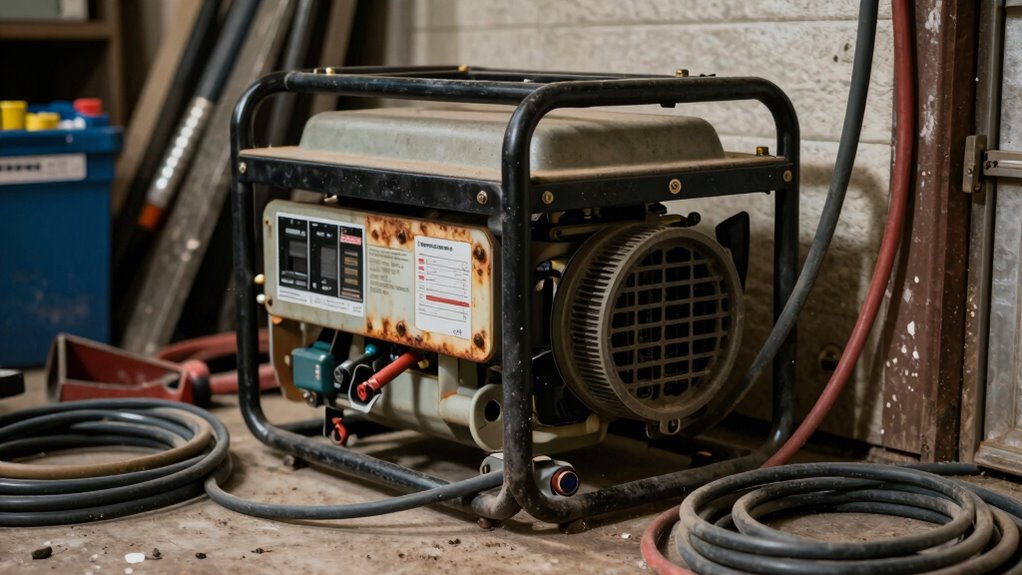

Many homeowners overlook essential backup power mistakes, like neglecting regular maintenance and system testing. Failing to inspect and service your generator regularly can lead to unexpected failures when you need it most. Incorrect fuel storage or sizing also risks inadequate power or damage. Additionally, skipping professional installation and not managing the system properly can reduce reliability. Keep these issues in mind, and you’ll discover vital steps to guarantee your backup power works reliably when it counts most.

Get backup power and energy gear delivered free — and shop member deals
- Fast, free delivery on millions of items
- Access to Prime Big Deal Days deals on October 6–7
- Prime Video, Amazon Music and more included
Key Takeaways
- Neglecting routine generator maintenance reduces reliability and increases repair costs.
- Improper fuel storage leads to fuel degradation and engine damage over time.
- Failing to regularly test the backup system decreases readiness and masks potential issues.
- Choosing an incorrectly sized generator can result in insufficient or wasted power capacity.
- Poor installation and lack of professional guidance compromise system performance and longevity.
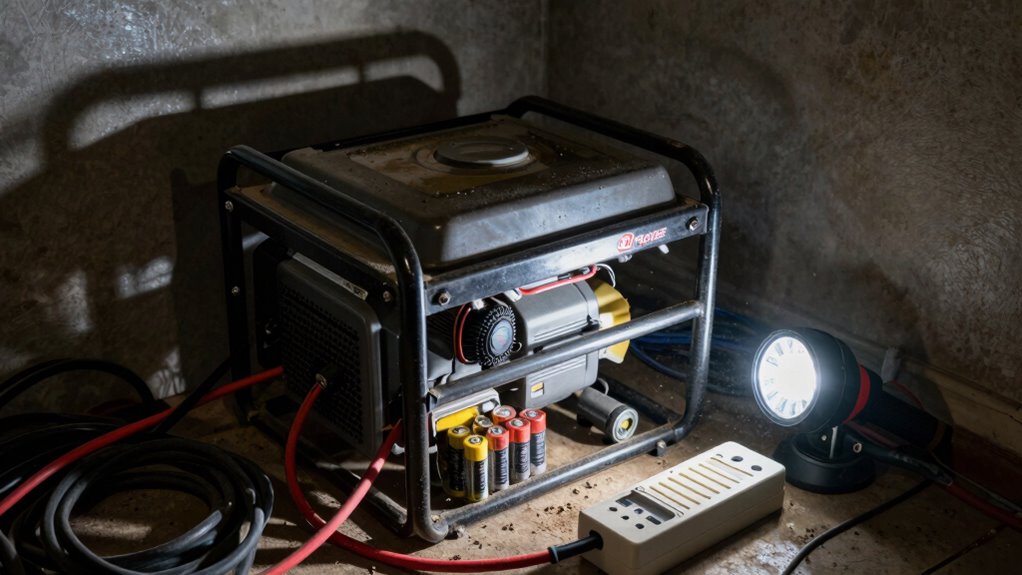
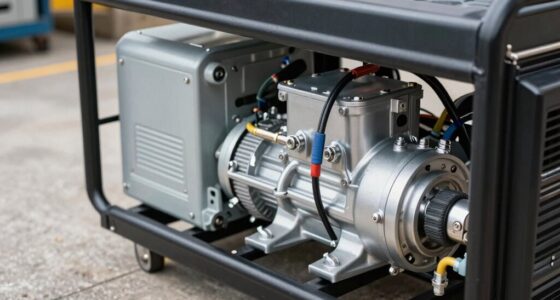
When it comes to backup power systems, making the wrong choices can leave you unprepared during an outage. One of the most common mistakes homeowners make is neglecting proper generator maintenance. Your generator is only as reliable as the care it receives. If you ignore routine inspections, oil changes, and testing, it may fail when you need it most. Many assume that once a generator is installed, it can run indefinitely without upkeep, but that’s far from the truth. Regular generator maintenance ensures all parts are functioning correctly, fuel systems are clean, and the unit can start automatically when the power goes out. Skipping these steps can lead to costly repairs or total failure during an outage, leaving you vulnerable.
Neglecting generator maintenance risks failure during outages, leaving your home vulnerable when you need backup power most.
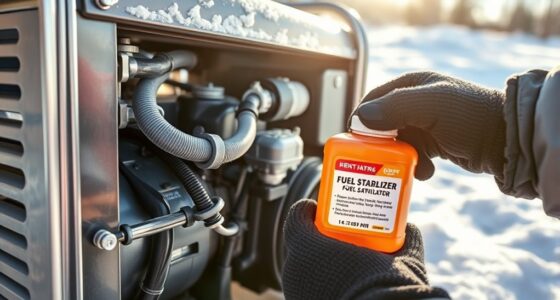
Another overlooked aspect is fuel storage. You might think that having a tank of fuel ready will suffice, but improper fuel storage can cause serious issues. Gasoline and diesel degrade over time, especially if stored improperly, leading to clogged fuel lines or engine damage. It’s crucial to use appropriate containers, keep fuel in a cool, dry place, and run the generator periodically to prevent fuel from gumming up. Many homeowners underestimate how much fuel they need or store it without considering safety regulations, risking leaks, fires, or legal complications. Proper fuel management includes knowing how much fuel is enough for your needs and rotating stock so it remains usable. Failing to do so can leave you with a generator that sputters or refuses to start during an outage. Being aware of fuel degradation and how to prevent it can save you from unexpected failures at critical moments.
Another common mistake is neglecting to test the backup system regularly. You might have a generator sitting idle for months, assuming it will start when needed. However, without periodic testing, you won’t know if it’s in working condition. Many homeowners forget to schedule these tests or avoid running the generator altogether, fearing noise or inconvenience. But doing so is essential to ensure the system’s reliability. Testing helps identify issues early, allowing you to address them before an emergency occurs. Additionally, understanding the importance of appropriate sizing and technology ensures your generator meets your specific power needs and maximizes efficiency. Ensuring your system is properly installed and maintained can significantly extend its lifespan and effectiveness. Regular testing also helps you familiarize yourself with the start-up procedures, reducing stress during actual power outages.
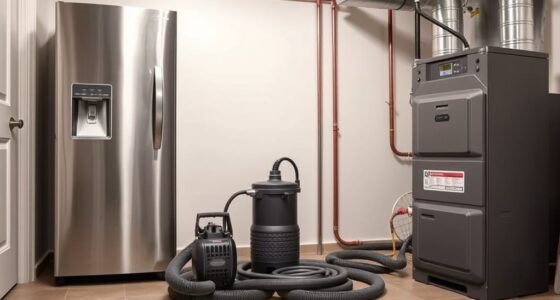
Finally, some homeowners overlook the importance of choosing the right size and type of generator for their needs. A generator that’s too small won’t power essential appliances, while a unit that’s too large can be inefficient and more costly. Understanding your power requirements and consulting with professionals can help you select a system that’s both reliable and cost-effective. Overlooking this step can leave you with a system that doesn’t meet your needs or, worse, wastes energy and money. Being proactive about generator maintenance, fuel storage, and system testing ensures your backup power truly provides peace of mind when the power grid fails.
home backup generator maintenance kit
As an affiliate, we earn on qualifying purchases.
As an affiliate, we earn on qualifying purchases.
Frequently Asked Questions
How Often Should I Test My Backup Power System?
You should test your backup power system at least once a month to guarantee it’s working properly. During these tests, check battery maintenance to confirm the batteries hold a charge and are in good condition. Also, verify generator placement to guarantee it’s accessible and unobstructed. Regular testing helps you spot potential issues early, preventing surprises during an outage and keeping your home protected when you need it most.
What Is the Lifespan of a Typical Backup Battery?
A typical backup battery lasts about 3 to 5 years, but battery degradation can shorten this lifespan. You should follow a regular maintenance schedule to monitor its condition, checking for signs of wear and ensuring proper connections. Neglecting maintenance can lead to unexpected failures. By staying proactive, you maximize your backup power system’s reliability and extend its life, preventing surprises when you need it most.
Can I Upgrade My Existing Backup Power System Easily?
Like upgrading from a rotary phone to a smartphone, upgrading your backup power system is straightforward. You can enhance capacity or efficiency by adding new batteries or a more efficient inverter. Regular battery maintenance ensures longevity, while upgrading components boosts fuel efficiency during power outages. Consult a professional to evaluate your current setup, guaranteeing seamless integration and peak performance, so you’re always prepared without overpaying or risking system failure.
Are There Safety Concerns With DIY Backup Power Setups?
Yes, there are safety concerns with DIY backup power setups. Generator safety is critical, and improper DIY installation can lead to dangerous situations like electrical shocks or fires. If you attempt to install a generator yourself, make certain you follow all safety guidelines, use proper tools, and understand local codes. Otherwise, it’s best to hire a professional to avoid risks and ensure your backup system operates safely and effectively.
How Do I Choose the Right Size Generator for My Home?
Did you know that 70% of homeowners underestimate their power needs? To choose the right size generator, start by listing essential appliances and calculating their total wattage. Proper generator placement guarantees safety and efficiency, avoiding damage or hazards. Also, consider fuel type selection—gas, propane, or solar—based on your availability and environmental preferences. This approach guarantees reliable backup power tailored to your home’s specific demands.
portable generator fuel stabilizer
As an affiliate, we earn on qualifying purchases.
As an affiliate, we earn on qualifying purchases.
Conclusion
Don’t let overlooked mistakes leave you in the dark when you need backup power the most. Proper planning, maintenance, and understanding your system can make all the difference. Remember, a chain is only as strong as its weakest link—so don’t neglect those small details. Stay proactive, stay prepared, and guarantee your backup power works seamlessly when it’s needed. After all, it’s better to be safe than sorry when facing unexpected outages.
automatic standby generator test switch
As an affiliate, we earn on qualifying purchases.
As an affiliate, we earn on qualifying purchases.
As an affiliate, we earn on qualifying purchases.
Fall Picks
fall essentials
As an affiliate, we earn on qualifying purchases.