
TL;DR
Emergence Quantum and AirTrunk have confirmed a partnership to develop cryogenic data centers, aiming to improve energy efficiency for large-scale data infrastructure. Details remain limited, but the collaboration signals a potential shift in data center technology.
Emergence Quantum and AirTrunk have officially partnered to develop cryogenic data centers, a move aimed at significantly improving energy efficiency for large-scale cloud infrastructure. This collaboration marks a notable step in the adoption of cryogenic cooling technology in data center operations, with potential implications for the industry’s environmental footprint and operational costs.
The partnership was publicly announced in March 2024, with both companies emphasizing their joint focus on leveraging cryogenic cooling to reduce energy consumption in data centers. Emergence Quantum, a company specializing in quantum computing and cryogenic technologies, will provide its expertise in low-temperature systems, while AirTrunk, a major data center provider with a global footprint, will integrate these innovations into its infrastructure. The collaboration aims to develop pilot projects initially, with plans to scale up if successful.
According to sources familiar with the partnership, the cryogenic data centers will utilize ultra-low temperature cooling systems to improve energy efficiency compared to traditional cooling methods. This approach is expected to reduce energy costs significantly and lower carbon emissions, aligning with broader industry goals for sustainability. Both companies have indicated that the technology could also support future quantum computing deployments within data centers, although specific technical details remain undisclosed.
Potential Industry Impact of Cryogenic Data Centers
This partnership could mark a transformative shift in data center technology by demonstrating that cryogenic cooling can deliver substantial energy savings. As data demands grow exponentially, energy consumption and environmental impact become critical concerns for providers and regulators. If successful, the collaboration may accelerate the adoption of cryogenic systems across the industry, helping data centers meet stricter sustainability targets and reduce operational costs. Additionally, integrating cryogenic tech could pave the way for more widespread deployment of quantum computing infrastructure within cloud environments, potentially revolutionizing computational capabilities and services.
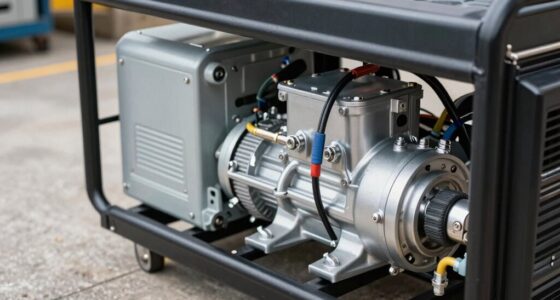
cryogenic data center cooling systems
As an affiliate, we earn on qualifying purchases.
As an affiliate, we earn on qualifying purchases.
Growing Interest in Advanced Cooling Technologies for Data Centers
Interest in cryogenic and other advanced cooling solutions has been rising amid escalating energy costs and environmental pressures on data infrastructure providers. Historically, data centers have relied on traditional air and liquid cooling systems, which are energy-intensive. Emerging technologies, including immersion cooling and cryogenic systems, are gaining attention as potential solutions to improve efficiency. The current trend is driven by the need to reduce carbon footprints and operational expenses, especially as data traffic continues to grow at double-digit rates annually. This partnership aligns with a broader industry movement exploring innovative cooling methods, although widespread commercial deployment remains in early stages.
While Emergence Quantum’s expertise in cryogenic and quantum tech is well established, AirTrunk’s involvement signals a serious industry player entering the space. The exact scope, technical specifications, and timeline of the pilot projects are still under wraps, and it is unclear how quickly the technology could be adopted at scale.
ultra-low temperature cooling technology
As an affiliate, we earn on qualifying purchases.
As an affiliate, we earn on qualifying purchases.
Technical Details and Deployment Timeline Still Unclear
Specific technical details of the cryogenic systems, including cooling capacities, energy savings, and integration methods, have not been disclosed. It is also unclear when the pilot projects will commence or how quickly the technology might be scaled for broader deployment. Industry analysts caution that while the partnership is promising, significant technical and logistical challenges remain before cryogenic data centers become mainstream.
liquid immersion cooling for data centers
As an affiliate, we earn on qualifying purchases.
As an affiliate, we earn on qualifying purchases.
Next Steps Include Pilot Projects and Industry Evaluation
Both companies are expected to initiate pilot projects in the coming months to test the viability of cryogenic cooling in operational data centers. These pilots will likely serve as proof of concept and inform further development. Industry observers will watch closely to see if the technology can deliver on its promise of energy efficiency and cost savings, potentially influencing future standards and investment in cooling innovations. Additional technical disclosures and project milestones are anticipated in upcoming industry conferences and press releases.
energy-efficient data center equipment
As an affiliate, we earn on qualifying purchases.
As an affiliate, we earn on qualifying purchases.
Key Questions
What are cryogenic data centers?
Cryogenic data centers use ultra-low temperature cooling systems to reduce energy consumption. This technology involves cooling data infrastructure to cryogenic temperatures, which can improve efficiency compared to traditional air or liquid cooling methods.
Why is this partnership significant?
The collaboration could accelerate the adoption of energy-efficient cooling solutions, reduce operational costs, and support the deployment of quantum computing within data centers, marking a potential industry shift.
When will the pilot projects start?
Specific timelines have not been announced, but industry sources expect pilot projects to commence within the next few months following the official announcement.
Could this technology replace existing cooling methods?
While promising, cryogenic cooling is still in early development stages. Its widespread adoption will depend on technical feasibility, cost-effectiveness, and scalability, which are still under evaluation.
Will this impact energy costs for data centers?
If successful, cryogenic systems could significantly reduce energy consumption, leading to lower operational costs and a smaller carbon footprint for data center operators.
Source: rss