Short outage prep focuses on basic supplies, quick communication tools, and short-term power solutions like portable chargers. You only need to stock bottled water, non-perishable food, and backup batteries. Long outage prep, however, requires strategic resource planning, backup generators, and alternative communication channels like HAM radios or satellite phones. You’ll also need to ration supplies and manage energy use carefully. For effective strategies on both scenarios, keep exploring ways to strengthen your prep efforts.

Get backup power and energy gear delivered free — and shop member deals
- Fast, free delivery on millions of items
- Access to Prime Big Deal Days deals on October 6–7
- Prime Video, Amazon Music and more included
Key Takeaways
- Short outage prep focuses on basic supplies and quick communication, while long outage prep involves strategic resource stockpiling and alternative communication channels.
- Short outages typically last hours and require minimal backup power; long outages can last days or weeks, needing extensive energy solutions.
- Communication during short outages relies on local alerts and charged devices; long outages require satellite phones, HAM radios, or other advanced methods.
- Resource management in short outages emphasizes immediate needs; long outages require rationing, replenishing supplies, and community coordination.
- Long-term outages demand detailed planning, vulnerability assessment, and community involvement for sustained resilience.
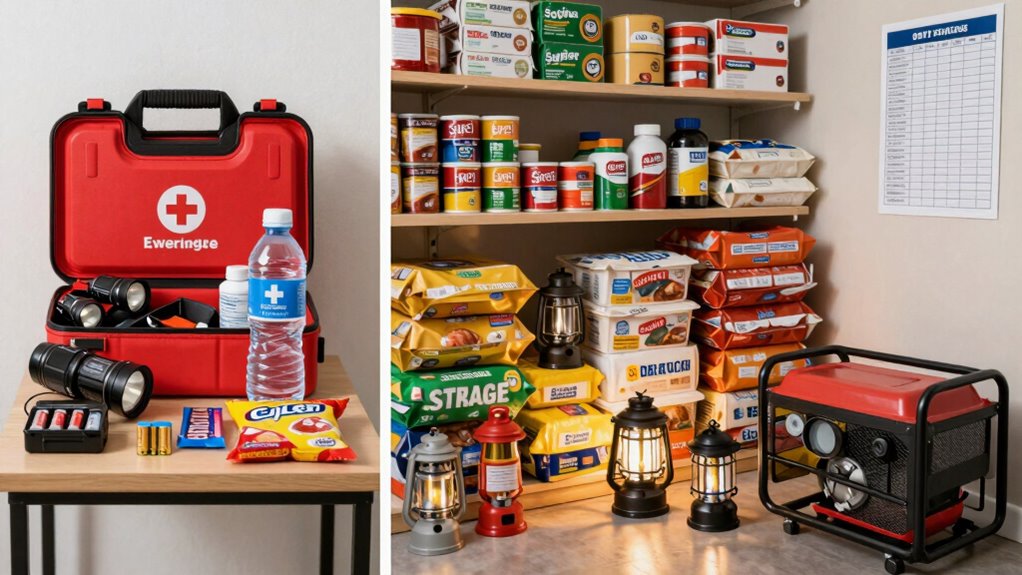
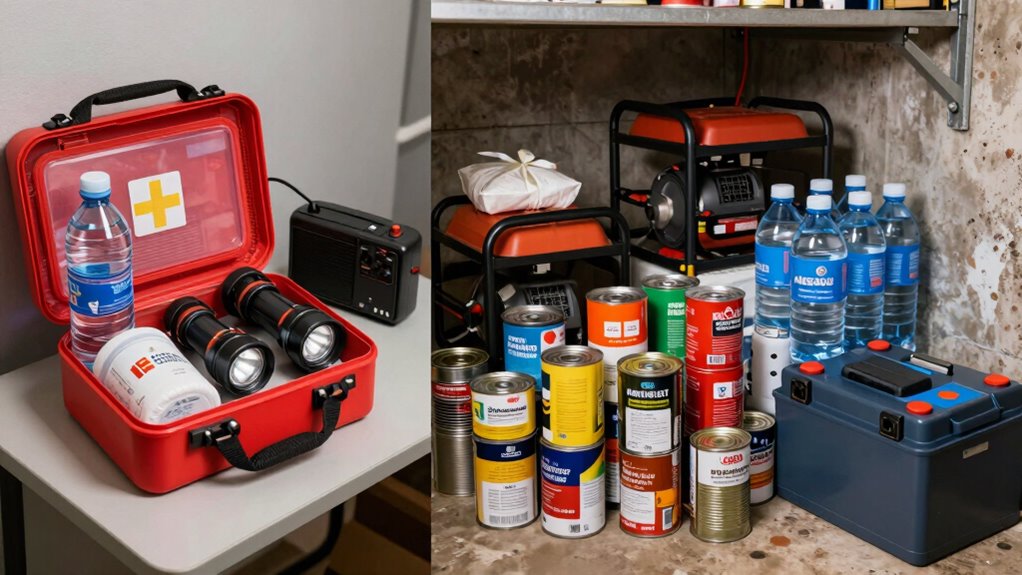
Preparing for power outages requires understanding the key differences between short-term and long-term scenarios. When you’re planning, it’s vital to recognize that the strategies for each situation vary greatly, especially regarding emergency communication and resource allocation. Short outages, often lasting only a few hours, usually allow you to rely on basic supplies and quick communication methods. Emergency communication becomes straightforward—you may only need a charged cell phone, a portable charger, or a battery-powered radio to stay informed. Since these outages are brief, you can often rely on local alerts or updates from utility companies to guide your actions. Resource allocation during this period is relatively simple; you just need to ensure you have enough bottled water, non-perishable food, and basic first aid supplies to get through a few hours or a day without power. It’s wise to have these items readily accessible and a plan to conserve them if necessary. Additionally, having a communication plan in place before outages can help you respond more quickly and effectively.
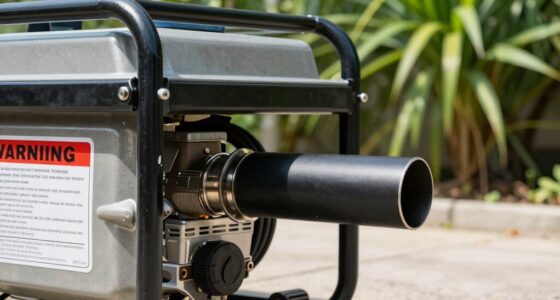
Long-term outages, however, require a more strategic approach. You need to think about establishing alternative communication channels, like satellite phones or HAM radios, in case traditional networks fail. Emergency communication in these scenarios becomes a critical component of your safety plan. You’ll also need to allocate resources more carefully since supplies can run out quickly, and replenishing them might become difficult. Stockpiling enough water, long-lasting food, and medical supplies becomes a priority. You might also consider investing in backup power sources such as generators or solar chargers, which can extend your ability to communicate and operate essential devices over an extended period. Additionally, understanding power consumption insights can help you better manage your energy needs and prolong your resources during these times.
Furthermore, energy efficiency practices can significantly impact the duration of your available resources in a long outage. Resource allocation in long outages isn’t just about having enough supplies; it’s about managing them wisely. You’ll need to ration your resources and plan for potential disruptions in supply chains. It’s also important to coordinate with neighbors or community groups to share resources and information, which can bolster your overall resilience. Incorporating advanced planning techniques can help you prepare more effectively for extended outages by identifying potential vulnerabilities before they occur. In both scenarios, establishing a communication plan before an outage strikes helps you stay connected with loved ones and emergency services. But long-term planning involves more detailed strategies to ensure sustainability when power remains out for days or weeks. Additionally, understanding and preparing for emerging trends in digital publishing can help you stay informed during these situations, ensuring you have access to timely updates and safety information.
In essence, preparing for short and long outages involves adapting your emergency communication methods and resource management plans to fit the duration and severity of the situation. Recognizing these differences helps you respond effectively, minimize risks, and stay safe no matter how long the power is out.
As an affiliate, we earn on qualifying purchases.
Frequently Asked Questions
How Do I Determine if an Outage Will Be Short or Long?
You can estimate if a power outage will be short or long by checking recent weather reports or maintenance notices, which often hint at the outage’s expected duration. Keep an emergency kit ready, stocked with essentials like flashlights, batteries, and water. If repairs seem extensive or ongoing, prepare for a longer outage. Monitoring updates from your utility company also helps you decide whether to prepare for a quick fix or extended downtime.
What Are the Key Safety Measures During Outages?
Think of an outage as a storm at sea—your safety depends on strong ships and clear signals. During outages, follow safety protocols like turning off appliances to prevent surges, and keep emergency supplies like flashlights, batteries, and first aid kits nearby. Stay away from downed power lines and avoid using candles that might cause fires. Prioritizing safety makes sure you’re prepared to weather the storm safely.
How Often Should I Review My Outage Preparedness Plan?
You should review your outage preparedness plan at least once a year to stay ready. During your review, verify your emergency kit is stocked and accessible, and your power backup system is functioning properly. Regularly testing your backup power sources and updating your emergency supplies helps you respond effectively during any outage, whether short or long. Staying proactive ensures you’re prepared for unexpected disruptions, keeping you safe and comfortable.
Are There Specific Tools Recommended for Outage Prep?
Did you know that 80% of outages last less than two hours, making quick response vital? For outage prep, essential tools include reliable emergency kits and power backups. Stock emergency supplies like flashlights, batteries, and first aid kits, and invest in backup generators or uninterruptible power supplies (UPS). These tools help guarantee safety and continuity, allowing you to respond swiftly and effectively during unexpected outages.
How Can I Best Communicate With Neighbors During an Outage?
During an outage, you can best communicate with neighbors by establishing community engagement beforehand. Share emergency contacts and create a plan for staying connected, like using walkie-talkies or messaging apps if possible. Make sure everyone knows how to reach each other, especially vulnerable neighbors. Keep a list of emergency contacts handy and check in regularly. Strong communication helps everyone stay safe and informed during the outage.
satellite phone for emergency communication
As an affiliate, we earn on qualifying purchases.
As an affiliate, we earn on qualifying purchases.
Conclusion
So, whether you’re gearing up for a quick blackout or a long-lasting power outage, your prep needs to match the challenge. Think of it like packing for a day at the beach versus a week in the mountains — different gear, different mindset. Keep your supplies ready, stay flexible, and you’ll weather any storm, even if it feels like you’re steering through the wild west of the digital age. Preparedness is your best armor against the unpredictable.
As an affiliate, we earn on qualifying purchases.
long term water storage containers
As an affiliate, we earn on qualifying purchases.
As an affiliate, we earn on qualifying purchases.
Fall Picks
fall essentials
As an affiliate, we earn on qualifying purchases.