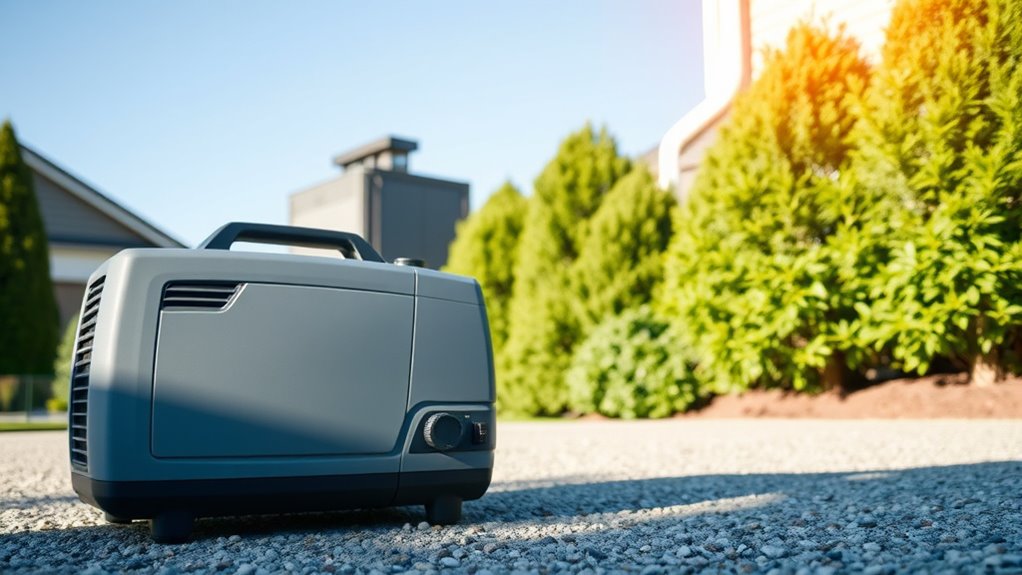

Yes, you can run a furnace on a portable generator if it has enough surge capacity and is properly wired. Make sure the generator’s wattage exceeds the furnace’s starting power needs by about 25-30%. Proper electrical setup, like using a transfer switch, helps guarantee safety and prevents damage. Keep in mind that fuel efficiency and maintenance are key for reliable operation. If you want to learn important tips, continue exploring essential setup and safety guidelines.

Get backup power and energy gear delivered free — and shop member deals
- Fast, free delivery on millions of items
- Access to Prime Big Deal Days deals on October 6–7
- Prime Video, Amazon Music and more included
Key Takeaways
- Ensure the generator has sufficient surge capacity, typically 25-30% above the furnace’s starting wattage.
- Confirm the furnace’s power requirements and match them with the generator’s rated and surge capacity.
- Use a transfer switch or proper wiring method to connect the furnace safely to the generator.
- Be aware that electric furnaces have high startup surges, requiring a generator capable of handling these peaks.
- Regularly maintain the generator and plan for fuel and runtime to ensure continuous, safe operation.

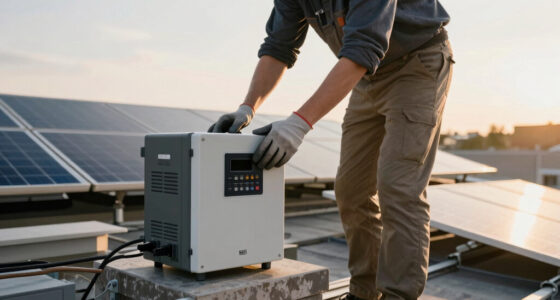
Running a furnace on a portable generator can be a practical solution during power outages or in remote locations, but it requires careful planning to guarantee safe and reliable operation. One of the key considerations is managing fuel efficiency. Furnaces, especially those powered by electricity, tend to consume a significant amount of fuel when run on a generator. To maximize efficiency, you should select a generator with enough capacity to handle the furnace’s startup surge without overworking the engine. This startup, also known as a power surge, can be demanding, often requiring more power initially than the furnace needs during steady operation. If your generator isn’t rated for these surges, it might struggle, leading to potential shutdowns or damage. That’s why choosing a generator with a higher wattage capacity than your furnace’s running requirements is essential. It ensures the furnace starts smoothly and runs continuously without putting undue stress on the generator.
Additionally, understanding your furnace’s power demands helps you prevent overloads. Typically, electric furnaces have a high initial surge when the blower kicks on, which can be several times the running wattage. If your generator isn’t designed to handle this, you risk damaging both the generator and your furnace. To avoid this, consider using a generator with a surge capacity that exceeds the furnace’s starting wattage by at least 25-30%. This buffer helps absorb the initial power spike, ensuring safe operation and avoiding unnecessary power dips. Also, keep in mind that running a furnace on a portable generator might not always be the most fuel-efficient choice, especially if you run it for extended periods. To conserve fuel, you can set the thermostat to a higher temperature, reducing the furnace’s workload, or add insulation to your home to retain heat. Regular maintenance of your generator, such as checking fuel levels and changing oil, also plays a role in maintaining fuel efficiency and reliable performance.
Furthermore, it’s wise to have a good understanding of your generator’s runtime and fuel capacity. Running a furnace continuously can deplete fuel faster, so plan accordingly. You might also want to incorporate a transfer switch or proper wiring setup to safely connect the generator to your home’s electrical system, preventing backfeed issues that could pose danger to utility workers or other electronics. Proper generator sizing is crucial to ensure your system can handle the load safely and efficiently. In conclusion, running a furnace on a portable generator is feasible if you carefully select a generator with sufficient capacity, account for power surges, and manage your fuel consumption efficiently. Proper planning ensures you stay warm and safe without risking damage or hazardous situations.
As an affiliate, we earn on qualifying purchases.
Frequently Asked Questions
What Size Generator Is Needed to Power a Furnace?
You’ll need a generator with sufficient capacity to handle your furnace’s startup and running power. For typical home furnaces, generator sizing should be at least 3000 to 5000 watts to guarantee power compatibility. Always check your furnace’s electrical requirements and match them with the generator’s wattage. This ensures smooth operation without overloads, giving you safe, reliable heat during outages or outdoor setups.
Can a Portable Generator Start a Furnace During a Power Outage?
Yes, you can start a furnace during a power outage with a portable generator if it provides stable power and has enough generator fuel. Make sure your generator supplies consistent electricity, so your furnace runs smoothly without damage. Use a transfer switch for safety, and verify your generator’s capacity matches your furnace’s power requirements. This ensures reliable warmth without risking equipment or safety hazards during outages.
Are There Safety Risks Running a Furnace on a Generator?
Running a furnace on a generator can pose safety risks if you don’t follow proper generator safety protocols. Make certain your generator is well-ventilated and connected correctly to avoid backfeeding or carbon monoxide buildup. Pay close attention to fuel considerations, using fresh, appropriate fuel to prevent engine issues. Regularly inspect your equipment and keep safety devices like carbon monoxide detectors active, so you’re protected during operation.
How Long Can a Portable Generator Run a Furnace Continuously?
Think of your portable generator as a trusty steed, but even heroes need breaks. You can run your furnace on it continuously for about 8 to 12 hours, depending on the generator’s capacity and fuel consumption. Regular generator maintenance guarantees efficiency and safety. Keep an eye on fuel levels, and switch to fresh fuel when needed to prevent issues. Proper planning lets you keep warm without risking overloads or breakdowns.
Does Using a Generator Affect Furnace Efficiency or Lifespan?
Using a generator can impact your furnace’s efficiency and lifespan if you don’t perform regular generator maintenance and verify fuel compatibility. Poor maintenance might cause power fluctuations, stressing your furnace, while incompatible fuel can lead to inefficiencies or damage. To protect your equipment, keep your generator well-maintained, use the right fuel type, and consider installing surge protectors. Doing so helps your furnace operate smoothly and extends its lifespan.
generator surge protector for electric furnace
As an affiliate, we earn on qualifying purchases.
As an affiliate, we earn on qualifying purchases.
Conclusion
Think of your furnace and portable generator as a team in a relay race. While it’s possible to run your furnace on a portable generator, you need to be careful—overloading the system can cause setbacks or damage. Make sure your generator can handle the furnace’s power demands and use proper safety precautions. With the right setup, you keep the heat flowing smoothly, like a well-oiled machine, even when the power grid takes a break.
transfer switch for generator connection
As an affiliate, we earn on qualifying purchases.
As an affiliate, we earn on qualifying purchases.
high capacity portable generator
As an affiliate, we earn on qualifying purchases.
As an affiliate, we earn on qualifying purchases.
Fall Picks
fall essentials
As an affiliate, we earn on qualifying purchases.