During a power outage, how long your freezer food stays safe depends on whether it’s full or half-full, how often you open the door, and how well you can keep the cold in. Generally, a full freezer can preserve food for about 48 hours, while a half-full one lasts around 24 hours. To extend safety, keep it closed and use ice if possible. Keep going to discover ways to protect your food longer.

Get backup power and energy gear delivered free — and shop member deals
- Fast, free delivery on millions of items
- Access to Prime Big Deal Days deals on October 6–7
- Prime Video, Amazon Music and more included
Key Takeaways
- A full freezer can keep food safe for about 48 hours; half-full lasts around 24 hours if unopened.
- Keeping the freezer door closed prolongs cold retention during outages.
- Using dry ice or ice packs can extend the safe duration of frozen foods.
- Food remains safe if it stays below 40°F and shows no signs of spoilage after power returns.
- Thawed food with ice crystals and below 40°F can often be refrozen; discard if above 40°F for over two hours.
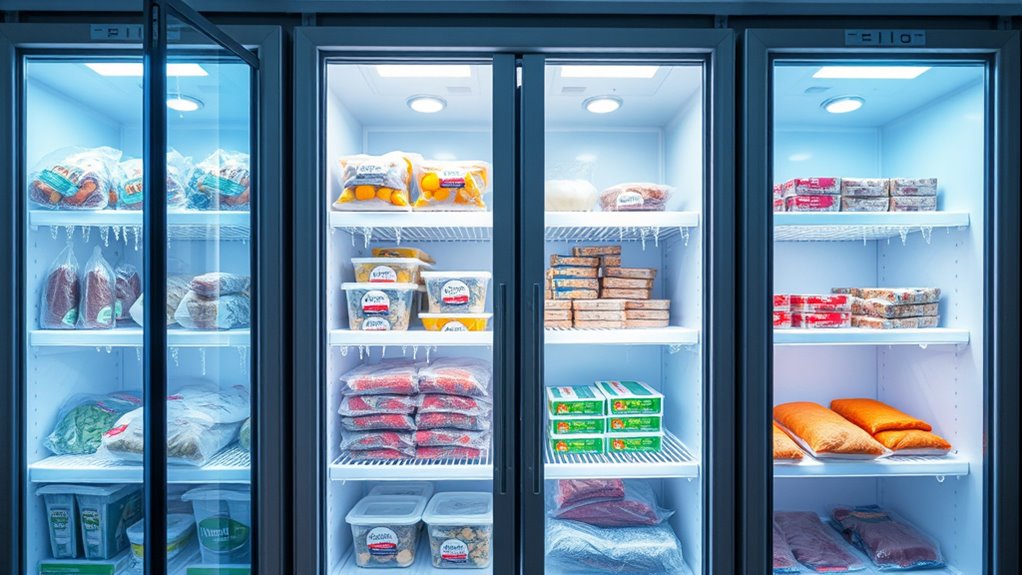
Have you ever experienced a power outage and wondered how it might affect your freezer? Power loss can be stressful, especially when you’re unsure how long your food will stay safe inside. Your freezer is designed to keep food frozen for a certain period without power, but that window isn’t indefinite. Understanding how long your food remains safe during an outage is vital, especially if you haven’t prepared for an emergency storage situation. When the power goes out, your primary goal should be to keep your freezer closed as much as possible to maintain the cold temperature. Each time you open the door, warm air enters, accelerating thawing and decreasing the overall safety window. Typically, a full freezer can keep food safely frozen for about 48 hours if you don’t open it, while a half-full freezer might only last around 24 hours. That’s why having an emergency storage plan is essential, especially if you anticipate prolonged outages.
To maximize the freezer’s cold retention during a power loss, consider relocating perishable items to an alternative cold environment if possible. If you have coolers and ice, transferring items there can buy you extra time. Additionally, some people use dry ice or block ice packs to help keep the freezer cold longer. These methods are part of an effective emergency storage strategy that extends the safe period for your food. It’s recommended to label items in your freezer so you can quickly identify what needs immediate attention if power is lost. Knowing what’s most perishable allows you to prioritize consuming or moving those items first. If the outage is expected to last more than a day, it’s wise to consider donating or using your perishable foods before they spoil, or find alternative refrigeration options.
Monitoring the temperature is key during an outage. If you have a thermometer, keep an eye on the freezer’s temperature, aiming to maintain it below 40°F (4°C). Once the power is restored, check all items carefully. If food has thawed but still contains ice crystals and is kept at safe temperatures, it might be safe to refreeze. However, if it’s been above 40°F for more than two hours or shows signs of spoilage, discard it. Preventing food waste and ensuring safety depends on quick action and proper emergency storage planning. Being aware of your freezer’s contrast ratio can also help you assess how well it maintains image quality and safety during outages. By preparing ahead and knowing how to handle power loss, you can protect your food, reduce waste, and avoid unnecessary stress during outages.
emergency freezer storage ice packs
As an affiliate, we earn on qualifying purchases.
As an affiliate, we earn on qualifying purchases.
Frequently Asked Questions
How Can I Tell if Frozen Food Has Gone Bad After a Power Outage?
You can tell if frozen food has gone bad after a power outage by checking for food odor and texture changes. If it smells sour, rancid, or off, discard it. Also, look for ice crystals or a slimy, mushy texture—these indicate spoilage. If the food has a strange smell or changed consistency, it’s safest to throw it out, even if it’s still cold.
What Are the Best Practices for Safely Thawing Frozen Foods?
You should thaw frozen foods using safe techniques like refrigerator thawing, cold water, or microwave, ensuring they stay at a safe temperature below 40°F. Refrigerator thawing is best, allowing gradual, even defrosting. If you use cold water or microwave, cook the food immediately afterward. Avoid leaving food at room temperature, as bacteria grow rapidly. Proper thawing maintains food safety and quality.
Does the Type of Freezer Affect How Long Food Stays Safe During Outages?
If your freezer is well-insulated, it can keep food safe longer during outages. For example, a high-quality chest freezer with good insulation maintained cooler temperatures for several hours without power. Using power backup options, like a generator, further extends this window. So, the type of freezer and its insulation matter, helping you preserve food longer during outages. Always have a backup plan to prevent spoilage.
How Do Outdoor Temperatures Impact Freezer Food Safety During Outages?
Outdoor temperature plays a big role in freezer food safety during outages. When it’s cold outside, your freezer stays colder longer, especially if it has good freezer insulation. Conversely, if outdoor temperatures are warm, the internal temp rises faster, risking food spoilage. To protect your food, keep the freezer door closed as much as possible and consider moving it to a cooler spot if temperatures are high.
Are There Specific Foods That Are More Vulnerable to Freezer Outages?
Certain foods are more vulnerable to freezer outages, especially those with delicate food packaging or that rely on maintaining a consistent freezer temperature. Items like seafood, ice cream, and prepared meals can spoil quickly if the freezer warms up too much. You should check the packaging for signs of damage and try to keep the freezer temperature below 0°F to preserve food quality and safety during outages.
dry ice for freezer preservation
As an affiliate, we earn on qualifying purchases.
As an affiliate, we earn on qualifying purchases.
Conclusion
When your freezer takes a little unexpected break, a gentle patience can keep your food’s story going. With a little luck and quick action, you can often extend that quiet pause, giving your frozen treasures more time to stay safe and sound. Remember, sometimes a brief downtime isn’t the end but a gentle pause in the ongoing journey of your food. Stay calm, stay prepared, and trust your instincts to keep everything fresh.
As an affiliate, we earn on qualifying purchases.
As an affiliate, we earn on qualifying purchases.
Fall Picks
fall essentials
As an affiliate, we earn on qualifying purchases.