
If you notice frequent breaker trips, flickering or dimming lights, or outlets that show signs of wear, your electrical system might be outdated. Look for old wiring such as knob-and-tube or aluminum, and check if your breaker panel looks rusty or has old labels. Outdated outlets without grounding or missing GFCI plugs also indicate potential issues. If these signs sound familiar, you’ll find more tips on how to identify and address these problems below.

Get backup power and energy gear delivered free — and shop member deals
- Fast, free delivery on millions of items
- Access to Prime Big Deal Days deals on October 6–7
- Prime Video, Amazon Music and more included
Key Takeaways
- Check for fuse boxes or old breaker models with signs of rust, corrosion, or frequent tripping.
- Inspect wiring insulation for brittleness, cracking, or melting, especially around outlets and switches.
- Look for outdated outlets like two-pronged types and absence of GFCI outlets in moisture-prone areas.
- Notice flickering lights, dimming, or frequent circuit trips indicating aging components.
- Ensure the system complies with current safety standards and consider professional inspection for upgrades.
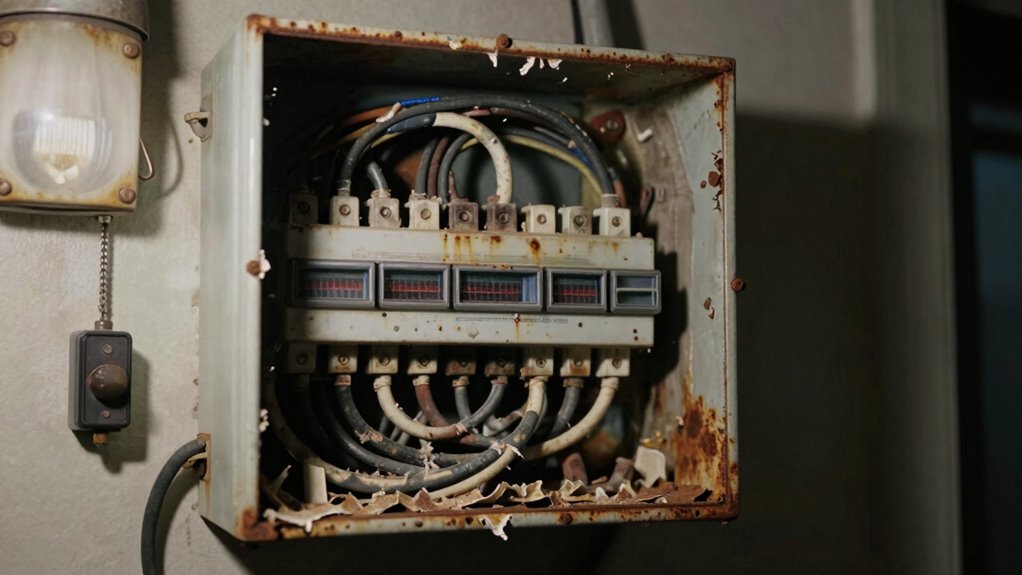
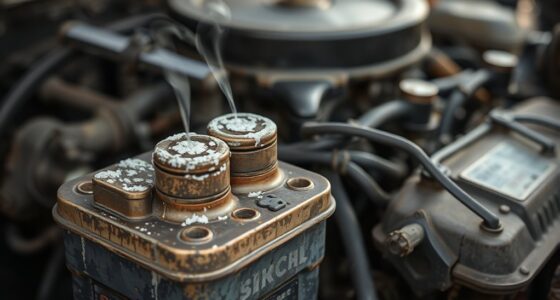
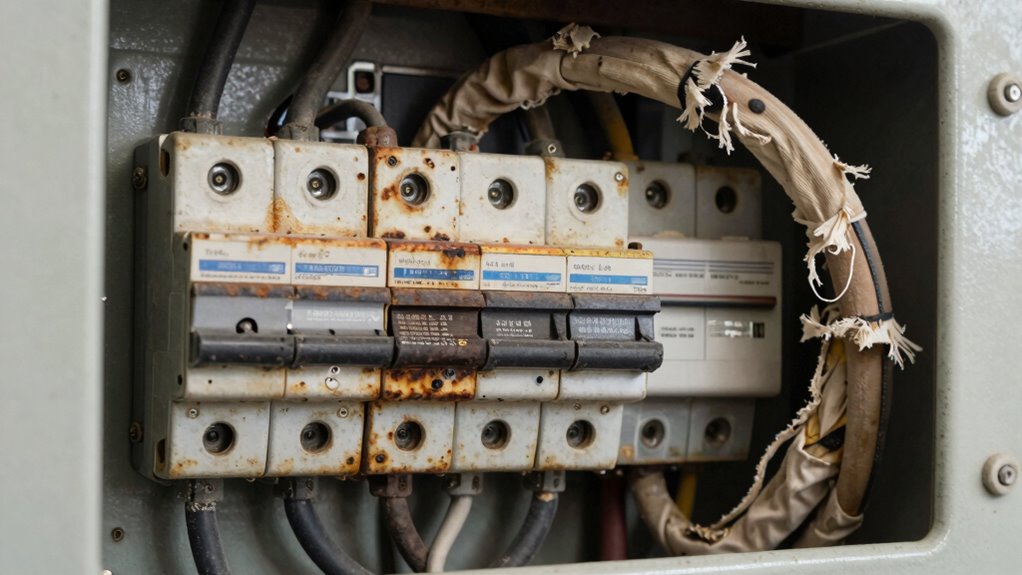
Your home’s electrical system might be outdated without you even realizing it, which can pose safety hazards and limit your electrical capacity. One of the first signs to look for is the type and condition of your circuit breaker. If your circuit breaker is an older model, such as a fuse box or a breaker that trips frequently without reason, it’s time to contemplate an upgrade. Modern circuit breakers are designed to trip quickly when they detect overloads or short circuits, preventing potential fires. If your breaker panel looks old, has rust, or the breakers are labeled with outdated specifications, it’s a clear indication that your system may need an update.
Another telltale sign involves your wiring insulation. Over time, wiring insulation can become brittle, cracked, or frayed, exposing the live wires inside. This deterioration not only reduces the efficiency of your system but also markedly increases the risk of electrical shocks or fires. If you notice signs of discolored or melted insulation around outlets or switches, it’s a red flag. Outdated wiring, such as knob-and-tube or aluminum wiring, is common in older homes and should be inspected by a professional. These types of wiring are less safe compared to modern copper wiring with proper insulation. Recognizing signs of obsolete wiring systems can help prevent serious safety issues. Additionally, understanding electrical safety standards can guide you in evaluating whether your current setup meets modern requirements. Staying informed about building codes and regulations can further ensure your electrical system complies with current safety practices.
Wiring insulation deterioration increases shock and fire risks; look for discolored or melted spots around outlets and switches.
You should also pay attention to the age of your home’s electrical components. If your house was built several decades ago, chances are the wiring and circuit breakers are antiquated. Many older homes were not designed to handle the electrical load of modern appliances and electronics, leading to frequent circuit trips or flickering lights. Additionally, if your outlets are two-pronged without grounding or if you notice no GFCI outlets in areas prone to moisture—like kitchens and bathrooms—you’re dealing with outdated electrical safety measures. Consulting with a licensed electrician can help assess whether your system aligns with modern electrical standards, ensuring both safety and efficiency.
Frequent flickering lights can also signal an antiquated system. This may be caused by loose wiring connections or a failing circuit breaker. If you notice that your lights dim when you turn on a heavy appliance or when multiple devices are in use, it could mean your wiring isn’t capable of supporting the current load. In such cases, upgrading your wiring insulation and installing a modern circuit breaker system can improve safety and performance. Regular inspections and updates can also support sustainable practices in your home’s electrical system, ensuring safety and efficiency for years to come.
circuit breaker panel upgrade kit
As an affiliate, we earn on qualifying purchases.
As an affiliate, we earn on qualifying purchases.
Frequently Asked Questions
How Often Should I Have My Electrical System Inspected?
You should have your electrical system inspected every 3 to 5 years to guarantee safety and identify the need for electrical upgrades. Regular inspections help catch issues early and keep safety protocols intact. If you notice flickering lights or frequent circuit breaker trips, get an inspection sooner. Staying proactive ensures your system remains safe, efficient, and compliant with current standards, reducing risks and preventing costly repairs down the line.
What Are Signs of Outdated Wiring Beyond Flickering Lights?
Did you know that 60% of home electrical fires involve outdated wiring? If you’re experiencing frequent circuit breaker trips or outlets that are warm to the touch, these are signs of old wiring and electrical hazards. Old wiring can deteriorate over time, increasing the risk of fire and shock. Stay vigilant and get a professional inspection if you notice these issues, ensuring your home’s safety and modern electrical standards.
Can Outdated Electrical Systems Increase My Home’s Fire Risk?
Yes, outdated electrical systems can greatly increase your home’s fire risk. An old electrical panel may struggle to handle modern power demands, leading to overheating and potential fires. You might also notice frequent circuit trips or scorch marks, indicating poor circuit safety. Upgrading your electrical panel and wiring guarantees your system can safely support your household’s needs, reducing the chance of electrical fires and enhancing overall safety.
Is Rewiring Necessary if My Home Has Old Circuit Breakers?
If your home has old circuit breakers, rewiring is often necessary to guarantee safety. Outdated circuit breaker upgrades can’t always handle modern power needs, risking electrical fires or outages. Wiring modernization is vital for replacing old, fragile wiring with safer, more efficient systems. Don’t wait for a disaster—call an electrician to assess your system and determine if rewiring is the right move. Your safety depends on it!
How Do I Determine if My Outlets Are Grounded Properly?
To determine if your outlets are grounded properly, perform outlet testing with a circuit tester or a multimeter. Insert the tester into the outlet’s slots; if it lights up or shows a reading, grounding is likely correct. For more certainty, do grounding verification by checking if the ground wire is connected to the outlet’s grounding terminal. If unsure, consult an electrician for a thorough assessment to guarantee safety.
As an affiliate, we earn on qualifying purchases.
Conclusion
If your home has outdated wiring, flickering lights, or frequent circuit breaker trips, it’s time to upgrade. Imagine plugging in a new appliance and feeling confident it’s safe—no sparks or outages. Upgrading your electrical system might seem intimidating, but it guarantees your home’s safety and efficiency. Don’t wait for a fire or damage—trust your instincts, get a professional inspection, and keep your home powered safely and reliably.
outdoor weatherproof electrical outlets
As an affiliate, we earn on qualifying purchases.
As an affiliate, we earn on qualifying purchases.
knob and tube wiring replacement
As an affiliate, we earn on qualifying purchases.
As an affiliate, we earn on qualifying purchases.
Fall Picks
fall essentials
As an affiliate, we earn on qualifying purchases.