You use foldable panels when you need portability, quick setup, and flexibility for temporary outdoor energy needs or events. They are lightweight and easy to transport but may not withstand harsh weather over time. Roof panels, on the other hand, are designed for permanent installations, offering durability, stability, and long-term efficiency. Each serves a different job based on whether you want a temporary or lasting energy solution—continue to explore how their features fit your specific needs.

Get backup power and energy gear delivered free — and shop member deals
- Fast, free delivery on millions of items
- Access to Prime Big Deal Days deals on October 6–7
- Prime Video, Amazon Music and more included
Key Takeaways
- Foldable panels prioritize portability and flexibility for temporary outdoor energy needs, while roof panels focus on permanent, stable installations.
- Foldable panels are lightweight and easy to transport, ideal for events, whereas roof panels are designed for long-term durability.
- Performance of foldable panels depends on positioning and climate, unlike roof panels optimized for maximum exposure and efficiency.
- Roof panels are built to withstand harsh weather, ensuring longevity, unlike foldable panels which are less weather-resistant.
- Cost-effectiveness favors foldable panels for short-term use; long-term investments favor roof panels for sustained energy generation.
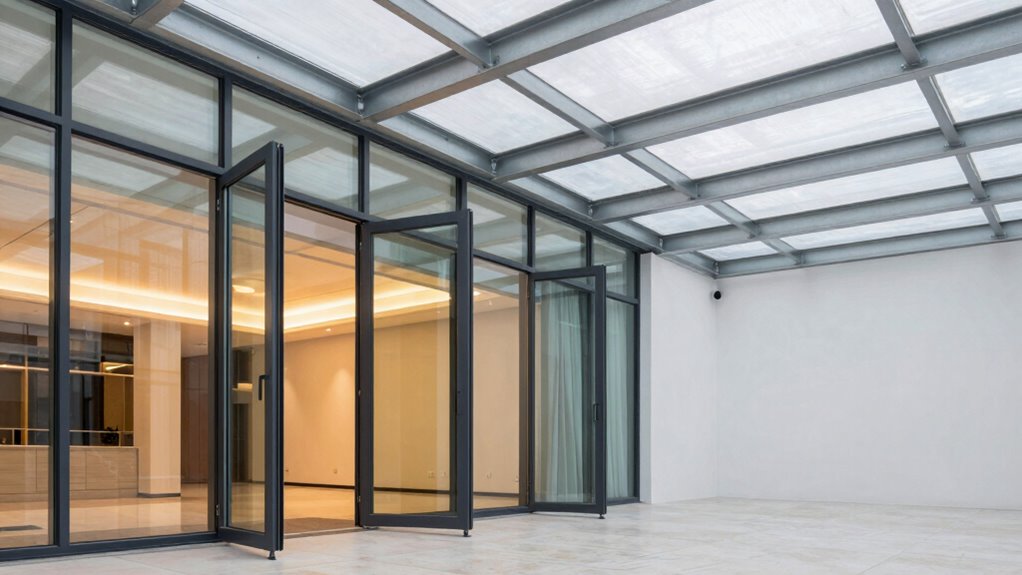
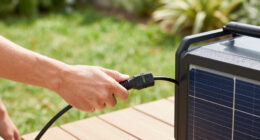
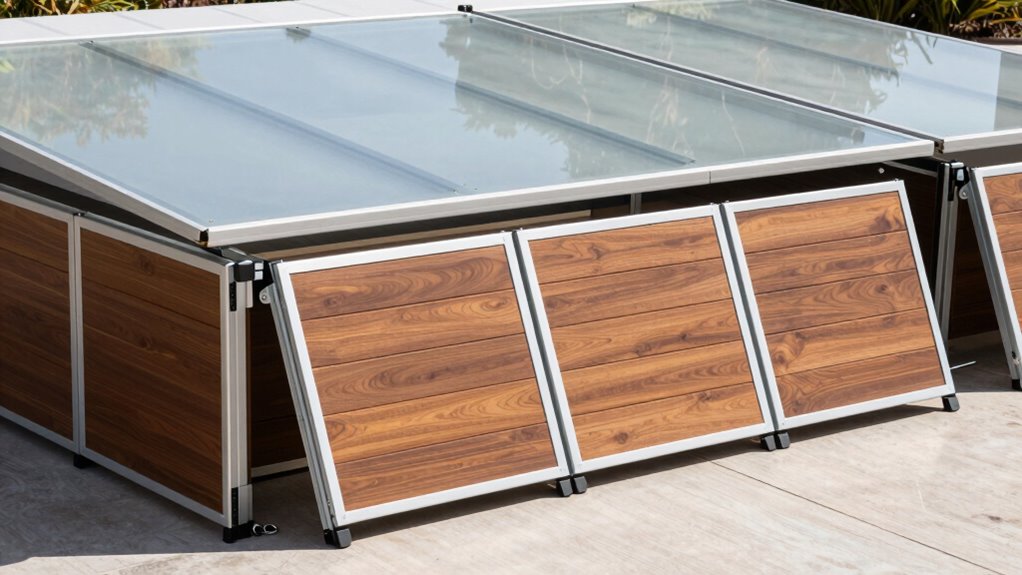
Foldable panels and roof panels may seem similar at first glance, but they’re designed for different purposes and applications. When you’re choosing between them, it’s essential to understand how each one impacts solar efficiency and structural durability. Foldable panels are typically portable and lightweight, making them ideal for temporary setups, outdoor events, or situations where flexibility is a priority. Because they’re designed to be moved and adjusted, they often feature a compact form factor that maximizes portability without sacrificing too much power output. However, their design usually involves thinner materials and hinges that may not withstand harsh weather conditions over time. This trade-off means they might offer good solar efficiency when properly positioned but lack long-term structural durability in extreme environments. Weather resistance is a critical consideration when selecting portable solar options, as exposure to the elements can significantly affect their lifespan. Additionally, their ease of transportation makes them suitable for users who need quick and simple setup options in various locations.
Furthermore, the materials used in foldable panels can influence their overall performance in different climates, which is an important factor for outdoor applications. Roof panels, on the other hand, are built with permanence and strength in mind. You’ll find them integrated into building structures, providing a stable platform for solar energy collection over many years. Their design emphasizes structural durability, ensuring they can withstand wind, snow, rain, and temperature fluctuations without degrading or becoming damaged. This durability is critical for maintaining consistent solar efficiency over the lifespan of the installation. When installed correctly, roof panels are optimized to maximize solar exposure, often featuring angles and orientations specifically suited to your geographic location. Their robust construction means you don’t have to worry about frequent repairs or replacements, making them a reliable source of renewable energy over decades. Additionally, the materials used in roof panels often contribute to better color accuracy and overall image quality, which can be important for integrated home cinema systems.
Choosing the right type of panel also involves considering the environmental factors that could impact their performance, especially over long periods. While foldable panels excel in portable applications where flexibility and ease of transport are key, they tend to be less effective in long-term, fixed installations due to their lower structural durability. Conversely, roof panels are designed to prioritize longevity and stability, which can sometimes limit their flexibility but ensures sustained solar efficiency and dependable performance. If your goal is temporary energy generation or outdoor activities, foldable panels serve you well, provided you’re mindful of their weather resistance. They are also often more cost-effective upfront, which can be advantageous for short-term projects. For permanent, high-capacity solar systems integrated into your home or business, roof panels are the better choice because they deliver consistent solar efficiency without the worry of damage or disrepair.
As an affiliate, we earn on qualifying purchases.
Frequently Asked Questions
Are Foldable Panels More Cost-Effective Than Roof Panels?
Foldable panels are generally more cost-effective than roof panels when you consider the cost comparison and installation costs. They are lighter, easier to install, and often require less structural support, which cuts down expenses. However, keep in mind that durability and intended use matter; roof panels are designed for weather resistance, so if you need long-term protection, the initial savings with foldable panels might not outweigh their limitations.
How Do Weather Conditions Affect Foldable vs. Roof Panels?
Weather conditions dramatically impact foldable and roof panels, making the difference seem like night and day. You’ll find foldable panels struggle with extreme weather, bending or warping because of lower weather resilience and material durability. Roof panels, however, are designed to withstand storms, snow, and relentless sun. Their robust materials keep them intact, providing consistent protection. So, choose wisely—your panels’ resilience depends on weather, and durability is your best defense against nature’s fury.
Can Foldable Panels Be Used for Permanent Structures?
Yes, you can use foldable panels for permanent structures, but they’re typically better suited for temporary installations and mobile architecture. Their flexibility allows easy setup and takedown, making them ideal for events or adaptable spaces. However, for long-term use, guarantee they’re weather-resistant and securely installed. While not traditionally designed for permanence, with proper modifications, foldable panels can serve in more permanent roles, especially where mobility and quick deployment matter.
What Materials Are Commonly Used for Foldable Panels?
You’ll find that common materials for foldable panels include aluminum, PVC, and laminated composites, chosen for their material durability and panel flexibility. Aluminum is lightweight and resistant to corrosion, making it ideal for frequent folding. PVC offers flexibility and affordability, while laminated composites provide strength and durability. These materials guarantee your foldable panels remain functional and long-lasting, even with repeated use, while maintaining ease of handling and installation.
Do Foldable Panels Require Special Maintenance or Storage?
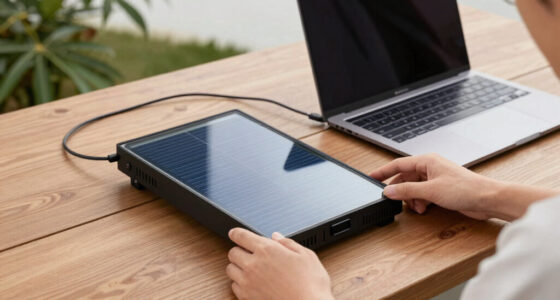
Think of a foldable solar panel installed on a camper van. You need to follow specific storage requirements, like keeping it in a dry, cool place when not in use, to prevent damage. Regular maintenance routines, such as cleaning the surface and checking hinges, help guarantee longevity. Proper storage and upkeep are essential to keep foldable panels functioning efficiently, especially if you plan to use them frequently or in varying weather conditions.
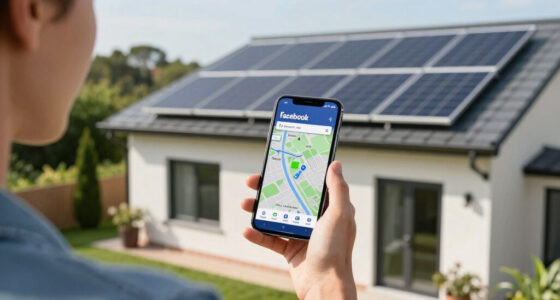
permanent roof mounted solar panels
As an affiliate, we earn on qualifying purchases.
As an affiliate, we earn on qualifying purchases.
Conclusion
Remember, foldable panels and roof panels are like two sides of the same coin—each designed for a specific purpose. Foldable panels are flexible and portable, perfect for adaptability, while roof panels are sturdy shields, safeguarding against the elements. Using the right one is like choosing the right tool for a job—each has its own unique role. When you match the panel to its task, you’re building a structure that’s not just functional but also resilient.
outdoor weather-resistant solar panels
As an affiliate, we earn on qualifying purchases.
As an affiliate, we earn on qualifying purchases.
solar panel installation kit for roofs
As an affiliate, we earn on qualifying purchases.
As an affiliate, we earn on qualifying purchases.
Fall Picks
fall essentials
As an affiliate, we earn on qualifying purchases.