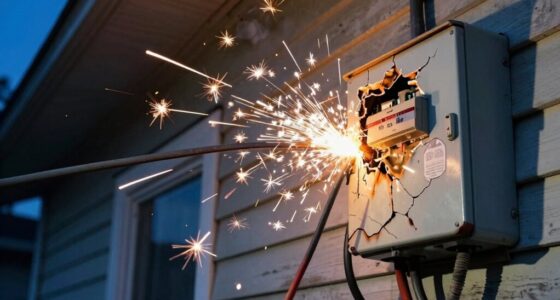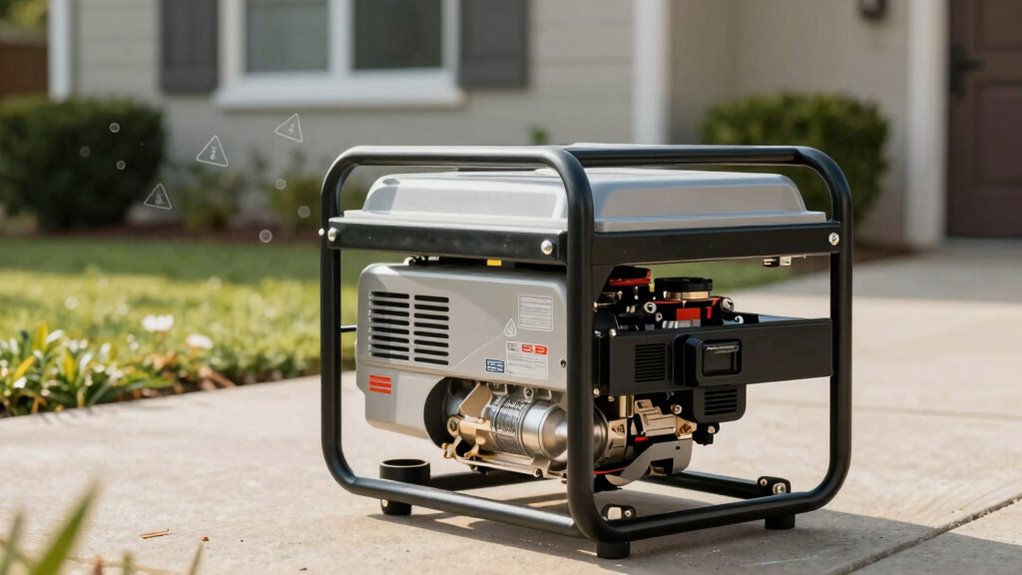

You should always run generators outdoors, at least 20 feet from your home, to prevent dangerous carbon monoxide buildup. Never operate them indoors or in enclosed spaces, as CO is colorless and odorless, making it hard to detect. Install CO detectors near sleeping areas to get early warnings. Proper placement and ventilation are key, but understanding these safety steps is essential—if you want to know how to protect your family effectively, there’s more to learn.
Get ready for Prime Big Deal Days — try Prime free
Exclusive member deals on October 6–7, plus fast free delivery. Cancel anytime.
As an affiliate, we earn on qualifying purchases.
Key Takeaways
- Always operate generators outdoors at least 20 feet away from your home to prevent CO from entering indoor spaces.
- Install CO detectors near sleeping areas and on every level, and test them regularly.
- Never run generators inside, in garages, or enclosed spaces to avoid dangerous CO buildup.
- Ensure proper ventilation during generator use to disperse CO fumes effectively.
- Recognize symptoms of CO poisoning and evacuate immediately if they occur, seeking fresh air and medical help.
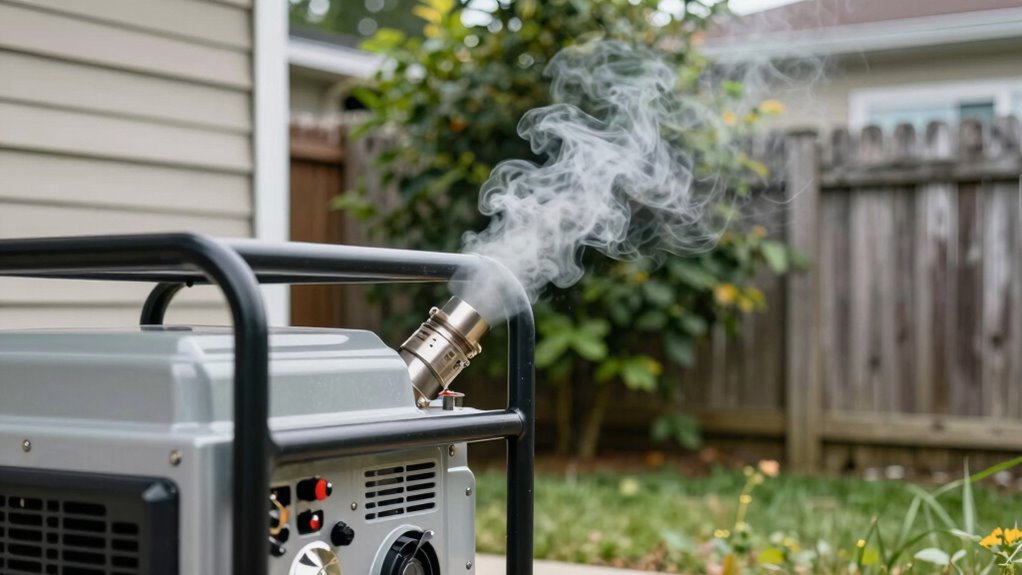
Carbon monoxide (CO) is a silent threat that homeowners often overlook until it’s too late. This colorless, odorless gas can build up quickly when you’re using generators, especially during power outages or emergencies. Because CO can’t be detected by human senses, maintaining indoor safety becomes a challenge, making it vital for you to understand how to prevent its dangerous buildup around your home.
Carbon monoxide is an invisible, odorless danger that can rapidly accumulate during generator use, posing serious indoor safety risks.
Generators are incredibly useful during outages, but they can also pose serious risks if not operated properly. If you run a generator outdoors but close it off with doors, windows, or vents, the CO emissions can seep inside your house, creating a hazardous environment. This is why proper placement and ventilation are key. Always operate your generator outdoors, at least 20 feet away from your home, guaranteeing that exhaust fumes don’t drift inside through open windows or vents. Never run a generator indoors, in garages, or in enclosed spaces, even if doors and windows are open. CO can accumulate quickly in confined areas, risking poisoning for everyone inside.
Building an effective emergency preparedness plan is essential to protect yourself and your loved ones from carbon monoxide risks. Include safety measures like installing carbon monoxide detectors near sleeping areas and on every level of your home. These detectors are your first line of defense, alerting you to dangerous CO levels before they become life-threatening. Test and maintain these alarms regularly, replacing batteries as needed, and guarantee they’re functioning properly. Remember, a detector’s presence alone isn’t enough; it’s your quick response to alarms that can save lives. Proper ventilation is crucial because it helps disperse the CO and prevents dangerous buildup, especially when generators are in use. Additionally, ensuring your home’s ventilation systems are functioning correctly can further reduce the risk of CO accumulation indoors. Incorporating CO detectors throughout your home can also provide an extra layer of security, alerting you to even small increases in gas levels.
You should also familiarize yourself with the symptoms of CO poisoning, which can resemble flu-like signs—headaches, dizziness, weakness, nausea, and confusion. If you or anyone in your household experiences these symptoms, get outside immediately and seek fresh air. Call emergency services and do not re-enter your home until professionals confirm it’s safe. protective measures for your home, such as ensuring proper ventilation and safe generator operation, can significantly reduce the risk of CO exposure. Additionally, understanding generator safety practices is vital to prevent accidental CO buildup and ensure your family’s safety.
Being proactive about indoor safety and emergency preparedness can drastically reduce the risks associated with generators and carbon monoxide. Educate your family about safe generator use, keep alarms functioning, and never underestimate the importance of proper placement and ventilation. By taking these steps, you’re not just complying with safety standards—you’re actively safeguarding your home and loved ones from a threat that often goes unnoticed until it’s too late.
carbon monoxide detector for home
As an affiliate, we earn on qualifying purchases.
As an affiliate, we earn on qualifying purchases.
Frequently Asked Questions
Can Carbon Monoxide Detectors Detect Leaks From Portable Generators?
Yes, CO detectors can detect leaks from portable generators if they’re properly maintained and placed correctly. Regular generator maintenance guarantees it runs safely, reducing CO risks. Place your CO detector near sleeping areas and away from the generator’s exhaust, but not too close to false alarm sources. This setup helps your detector identify CO leaks early, giving you time to evacuate and prevent poisoning.
How Long Does It Take for Carbon Monoxide Poisoning Symptoms to Appear?
Carbon monoxide poisoning can strike faster than you’d expect, with symptoms like dizziness or nausea appearing within minutes to hours, depending on exposure levels. This rapid symptom onset can catch you off guard, like a thief in the night. The poisoning timeline varies, but if you notice symptoms early, don’t delay—seek fresh air and medical help immediately. Protect yourself by installing detectors and never operate generators indoors.
Are There Specific Generator Models With Lower CO Emission Risks?
Some generator models prioritize safety and meet strict emission standards, reducing CO emission risks. Look for generators labeled as “EPA-certified” or compliant with “CARB” standards, which ensure lower emissions and safer operation. Always choose generators with built-in safety features like automatic shutoff when CO levels increase. By selecting models focused on generator safety and adhering to emission standards, you minimize carbon monoxide risks and protect your household during power outages.
What Are the Legal Requirements for Generator Placement Near Homes?
You must follow local laws and manufacturer guidelines for generator placement to guarantee generator safety and legal compliance. Typically, you’re required to keep generators at least 20 feet away from your home, vents, and windows to prevent carbon monoxide buildup. Check your city or state regulations, as rules can vary. Proper placement reduces risks, protects your family, and keeps you in legal compliance while safely operating your generator.
How Often Should Carbon Monoxide Detectors Be Tested and Replaced?
You should test your carbon monoxide detectors at least once a month to make certain they’re working properly, following good detector maintenance. Replace the batteries annually and change the entire detector every 5 to 7 years, depending on manufacturer recommendations. Regular replacement intervals help maintain safety, especially if you use a generator frequently. Keeping detectors in good condition provides peace of mind and early warning in case CO levels rise unexpectedly.
As an affiliate, we earn on qualifying purchases.
Conclusion
Think of your home as a ship sailing through calm waters. Just as a captain keeps a vigilant eye on the horizon to avoid hidden dangers, you must stay alert to the silent threat of carbon monoxide around your generator. By understanding the risks and exercising caution, you become the steadfast captain steering clear of unseen storms. Protect your vessel, and guarantee your journey remains safe and smooth—sailing forward with awareness and care.
home ventilation system for generator use
As an affiliate, we earn on qualifying purchases.
As an affiliate, we earn on qualifying purchases.
As an affiliate, we earn on qualifying purchases.
Fall Picks
fall essentials
As an affiliate, we earn on qualifying purchases.