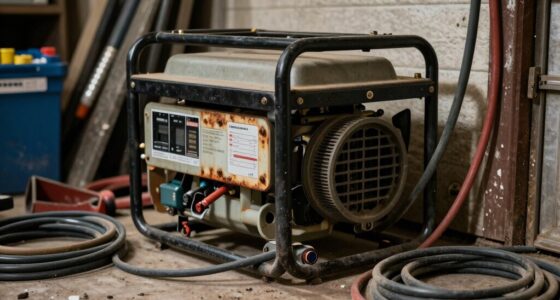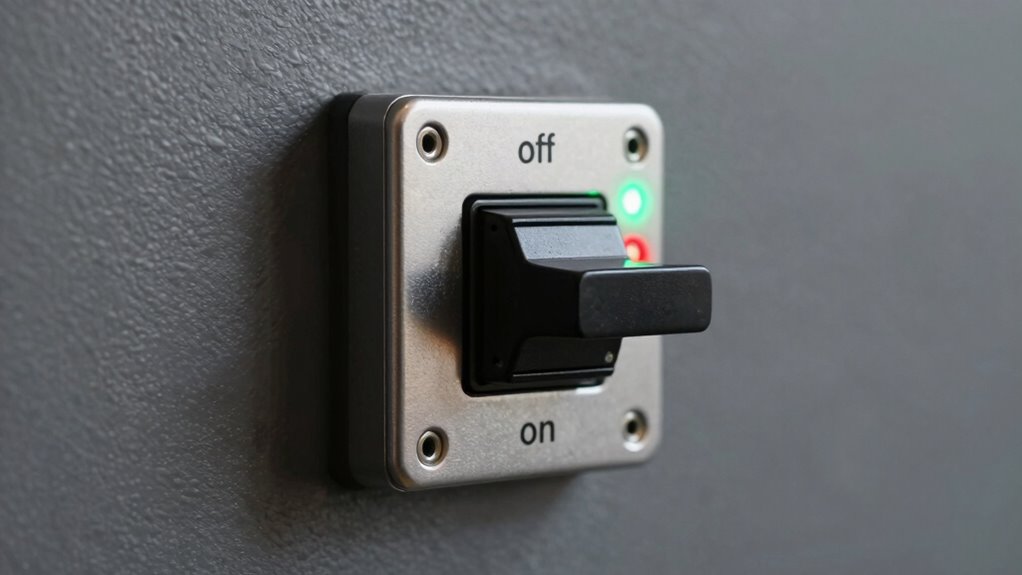

During an outage, a transfer switch automatically shifts your home’s power source from the utility to your backup generator, preventing dangerous backfeeding into the grid. It guarantees only one power source is active at a time, which keeps you safe and protects utility workers. The switch manages the changeover smoothly, avoiding power surges or damage to your appliances. If you want to understand the full benefits and how it keeps your home safe, there’s more to discover.

Get backup power and energy gear delivered free — and shop member deals
- Fast, free delivery on millions of items
- Access to Prime Big Deal Days deals on October 6–7
- Prime Video, Amazon Music and more included
Key Takeaways
- Automatically detects power outages and switches the home’s power source from utility to generator.
- Ensures only one power source supplies the home at a time, preventing backfeed risks.
- Protects utility workers by disconnecting the home from the grid during generator operation.
- Manages surge loads to safely start and transfer the generator’s power to the home.
- Restores normal utility power seamlessly once utility supply is stable again.
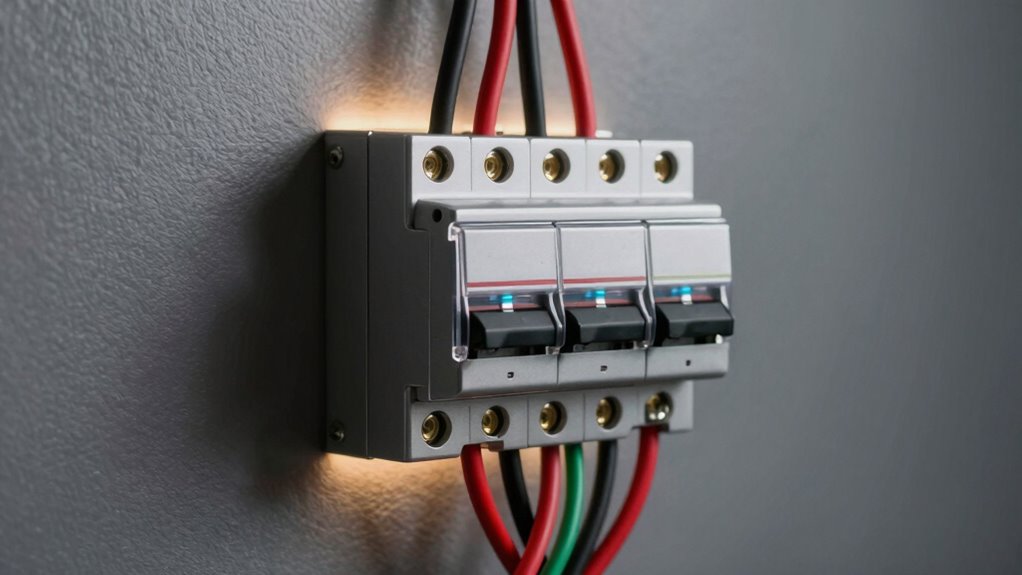
Have you ever wondered how your home stays powered during a blackout? When the lights go out, a transfer switch steps in to make sure your backup power source kicks in smoothly and safely. Without it, connecting a generator directly to your home wiring can be dangerous, risking electrical shocks or fires. That’s why generator safety is vital, and a transfer switch provides a safe, reliable way to manage the switch from utility power to your backup source. It automatically detects when the main power is lost and switches your home’s electrical load to your generator, eliminating the need for manual rewiring and reducing the risk of backfeeding. This not only protects you and your family but also safeguards utility workers who might be fixing the outage.
A transfer switch ensures safe, automatic backup power during outages, protecting your home and utility workers.
When it comes to power source selection, a transfer switch simplifies the process, giving you peace of mind that only one power source supplies your home at a time. You don’t have to worry about accidentally energizing the grid or creating dangerous conditions for repair crews. It guarantees that your generator’s power is isolated from the utility lines, which is essential for safe operation. You get to choose between different types of transfer switches—manual or automatic—and each affects how you manage your backup power. Manual switches require you to flip a switch yourself, giving you control but demanding more attention during an outage. Automatic switches, on the other hand, detect power loss and switch seamlessly without your intervention, making them ideal if you’re away or want a hands-free experience.
A transfer switch also influences how quickly your home can be powered up again after an outage. It’s designed to handle the surge of power needed to start your generator and transfer the load safely. This means your appliances and essential systems can get back online without risking damage. Proper power protection is essential to prevent damage from power surges and ensure reliable operation. The right power source selection depends on your home’s size, your power needs, and your budget. Choosing the correct transfer switch and generator combination ensures you’re prepared for outages, maintaining safety and functionality. Additionally, understanding your home’s electrical system can help you select the most compatible and efficient transfer switch for your needs.
Furthermore, being aware of the different market options available can help you make an informed decision based on your specific requirements and budget. Considering the availability of qualified installers can also ensure your transfer switch is installed correctly and safely. Proper maintenance of your transfer switch is also important to keep it functioning flawlessly over time. In essence, a transfer switch changes how you manage backup power during outages. It automates and secures the switch between utility and generator power, protecting everyone involved and ensuring your home remains safe and functional. It streamlines power source selection, making it easier to rely on your generator safely, and helps you avoid common pitfalls associated with manual setups. So, the next time the power goes out, remember that a transfer switch isn’t just a convenience—it’s a vital device that transforms chaos into controlled backup power, keeping your home safe and your mind at ease.
automatic transfer switch for generator
As an affiliate, we earn on qualifying purchases.
As an affiliate, we earn on qualifying purchases.
Frequently Asked Questions
Can a Transfer Switch Protect Against Power Surges?
A transfer switch alone doesn’t protect against power surges. It mainly switches your power source during outages. For surge protection, you need a dedicated surge protector or power regulation device. Incorporating surge protection guarantees your appliances are safe from sudden voltage spikes, while a transfer switch ensures your power source switches seamlessly during outages. Combining both provides thorough protection, keeping your devices safe from surges and ensuring reliable power during emergencies.
How Long Does Installation of a Transfer Switch Typically Take?
The installation process of a transfer switch typically takes about 2 to 4 hours, depending on your home’s electrical setup. You should consider time considerations like planning ahead and ensuring your power source is safely disconnected. If you’re installing it yourself, it might take longer, but professional electricians usually complete the job efficiently. Keep in mind, proper installation is essential for safety and reliable operation during outages.
Are Transfer Switches Compatible With All Generator Types?
You might think all generators work seamlessly with transfer switches, but that’s not always the case. Generator compatibility varies, so it’s vital to check if your unit matches the transfer switch’s requirements. Safety considerations are key; using an incompatible switch can cause damage or dangerous situations. Always verify your generator’s specifications and consult a professional to guarantee proper compatibility and safety when installing a transfer switch.
What Maintenance Is Required for a Transfer Switch?
You should perform maintenance on your transfer switch at least once a year to guarantee reliable operation. Regularly inspect for signs of corrosion and clean any dirt or debris. Check connections and test the switch’s functionality to prevent future issues. To prevent corrosion, apply a protective coating or corrosion inhibitor if needed. Proper maintenance keeps your transfer switch in good shape, ensuring it works seamlessly during power outages.
Can I Install a Transfer Switch Myself?
You can attempt a DIY installation of a transfer switch, but safety precautions are essential. If you’re comfortable with electrical work, follow local codes and manufacturer instructions carefully. Turn off power before starting, use proper tools, and consider consulting an electrician to make sure everything’s installed correctly and safely. Remember, improper installation can pose risks to you and your home, so weigh your skills carefully before proceeding.
manual transfer switch for home backup power
As an affiliate, we earn on qualifying purchases.
As an affiliate, we earn on qualifying purchases.
Conclusion
So, when the power goes out, a transfer switch isn’t just a backup—it’s your lifeline. But here’s the thing: do you really know what could happen if it’s not properly installed or maintained? The difference it makes could be the only thing standing between you and unexpected chaos. Stay vigilant, stay prepared—because when the lights go out, you’ll want to be sure you’re ready for what’s coming next.
As an affiliate, we earn on qualifying purchases.
safety transfer switch for generator
As an affiliate, we earn on qualifying purchases.
As an affiliate, we earn on qualifying purchases.
Fall Picks
fall essentials
As an affiliate, we earn on qualifying purchases.