Generator transfer safety depends on matching fuel types, using the right transfer switch, and ensuring proper installation. Always verify your generator’s fuel to prevent damage or hazards, and choose a transfer switch rated for your power needs. Proper grounding and safe wiring are essential to avoid electrical shocks and fires. Regular maintenance and professional installation improve reliability and safety. Keep these practices in mind—looking deeper will help you fully understand how to protect yourself and your property.

Get backup power and energy gear delivered free — and shop member deals
- Fast, free delivery on millions of items
- Access to Prime Big Deal Days deals on October 6–7
- Prime Video, Amazon Music and more included
Key Takeaways
- Proper installation and professional wiring are essential to prevent electrical hazards during transfer switch operation.
- Automatic transfer switches enhance safety by preventing back-feeding into the utility line.
- Correct grounding techniques protect against electric shock and ensure safe generator operation.
- Regular maintenance and inspections help identify safety issues before emergencies occur.
- Using the correct fuel type and safe storage minimizes risks of fire, leaks, and engine damage.
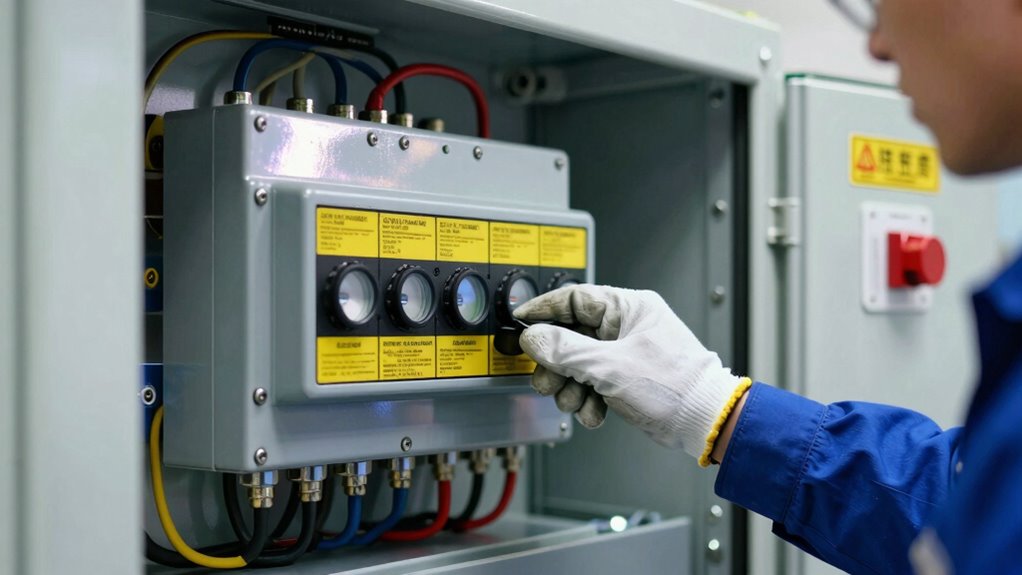
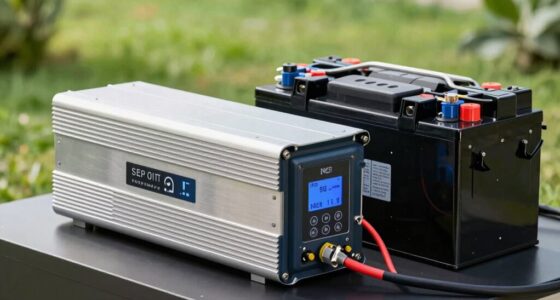
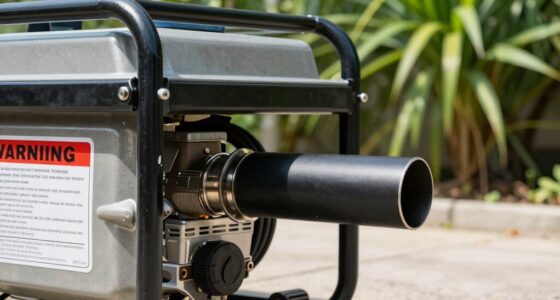
Have you ever considered the dangers involved in transferring a generator from one power source to another? It’s a process that seems straightforward but can be risky if not handled properly. One key factor to contemplate is fuel compatibility. Not all generators are designed to run on every type of fuel, and using the wrong fuel can cause serious damage or safety hazards. For example, a generator built for gasoline shouldn’t be fueled with propane, as it can lead to engine failure or dangerous leaks. Before making any transfer, always verify that the generator’s fuel type matches your current fuel supply, and guarantee the fuel is stored safely to prevent spills or fires.
Always verify your generator’s fuel type and store fuel safely to prevent damage and safety hazards.
Another critical aspect is choosing the right transfer switch type. Transfer switches are essential for safely switching between utility power and generator power, but not all switches are suitable for every setup. There are automatic transfer switches, which detect power outages and switch seamlessly, and manual transfer switches, which require you to operate them manually. Automatic switches are generally safer and more convenient, reducing the chances of accidental back-feeding—an extremely dangerous situation where power from your generator feeds back into the utility lines. Manual switches give you more control, but they demand careful operation to avoid dangerous mishaps. Whichever type you choose, make sure it’s rated for your generator’s wattage and compatible with your home’s electrical system. Proper installation of the transfer switch is equally important, and understanding electrical safety standards can help prevent common installation pitfalls. Additionally, incorporating proper grounding techniques is crucial for preventing electrical hazards and ensuring overall safety during operation.
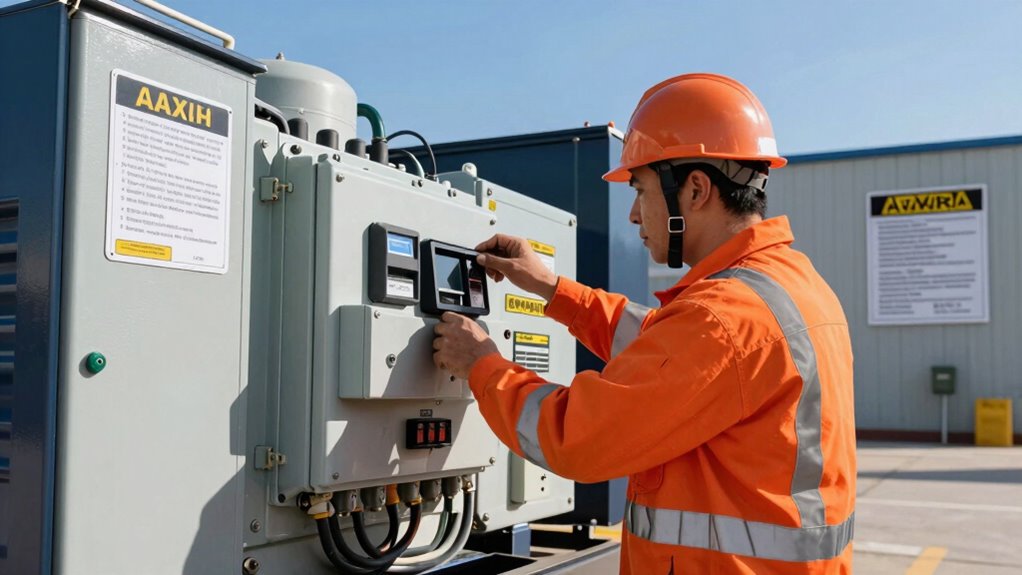
A poorly installed switch can lead to electrical faults, fires, or electrocution. It’s best to hire a qualified electrician who understands local codes and safety standards. They’ll ensure the switch is correctly wired and grounded, avoiding common pitfalls like incorrect connections or inadequate grounding that could endanger you and others. Additionally, understanding generator safety standards can help you stay compliant and safe during installation and operation. Regular maintenance and inspections are vital for ensuring your generator remains in good working condition, as neglect can lead to unexpected failures during power outages. Proper handling and routine maintenance are essential, and staying informed about safety regulations can help you prevent accidents and ensure safe operation.
automatic transfer switch for generator
As an affiliate, we earn on qualifying purchases.
As an affiliate, we earn on qualifying purchases.
Frequently Asked Questions
Can I Connect Multiple Generators to a Transfer Switch Simultaneously?
You shouldn’t connect multiple generators to a transfer switch simultaneously. Doing so can overload the system and pose safety risks. Check your transfer switch’s compatibility and its maximum generator capacity before considering multiple sources. Most transfer switches are designed for a single generator, so attempting to connect more can damage the switch or reduce safety. Always follow manufacturer guidelines and consult a professional to guarantee safe and reliable operation.
What Are the Signs of a Faulty Transfer Switch?
If your transfer switch is faulty, you might notice symptoms like inconsistent power transfer, frequent tripping, or failure to switch between power sources. Conduct transfer switch testing regularly to catch issues early. Faulty switch symptoms include strange noises, burning smells, or visible damage. If you observe any of these signs, stop using it immediately and have a professional inspect and repair the switch to prevent safety hazards or power failures.
Is Professional Installation Necessary for Transfer Switch Setup?
Yes, professional installation is crucial for your transfer switch setup. A trained electrician guarantees your generator is compatible with the transfer switch and that the installation meets all necessary standards. Proper installation guarantees safety, prevents damage, and ensures reliable operation during power outages. Attempting to install it yourself could lead to compatibility issues or safety hazards. Trust an expert to handle the setup, so you get peace of mind and maximum performance.
How Often Should a Transfer Switch Be Inspected or Maintained?
Think of your transfer switch as the heart of your backup power system—regular checkups keep it beating strong. You should inspect and maintain it annually, especially if you have different transfer switch types or if your generator placement changes. Regular inspections ensure safety, prevent failures, and keep your system reliable. Whether it’s a manual or automatic switch, staying proactive helps avoid surprises during power outages.
Are Portable Generators Safe to Use With Transfer Switches?
Portable generators can be safe to use with transfer switches if you follow proper procedures and use the right equipment. Make certain your transfer switch is compatible, and never overload your generator, which increases noise and reduces fuel efficiency. Using a transfer switch correctly minimizes generator noise and guarantees safe power transfer. Always read your generator’s manual and consult a professional if you’re unsure, to keep everything running smoothly and safely.
generator transfer switch installation kit
As an affiliate, we earn on qualifying purchases.
As an affiliate, we earn on qualifying purchases.
Conclusion
Remember, safely transferring power is like steering a ship through stormy waters—you need steady hands and clear signals. I once saw a neighbor nearly get caught off guard because he overlooked safety steps, risking a blackout and damage. That’s why understanding transfer procedures isn’t just about rules; it’s about protecting your home and loved ones. When you follow safety protocols, you’re not just avoiding danger—you’re steering your family safely through any storm.
generator fuel type verification tool
As an affiliate, we earn on qualifying purchases.
As an affiliate, we earn on qualifying purchases.
As an affiliate, we earn on qualifying purchases.
Fall Picks
fall essentials
As an affiliate, we earn on qualifying purchases.