
You need to prioritize carbon monoxide safety in every generator plan because CO is an invisible, odorless gas that can cause death within minutes if it accumulates indoors or in enclosed spaces. Proper ventilation, safe placement outside, and using CO detectors are essential to prevent poisoning. Maintaining your generator and following safety protocols reduces risks and keeps you and loved ones safe. Stay aware—there’s more to know about protecting yourself from this silent danger.
Key Takeaways
- Carbon monoxide is an invisible, odorless gas that can cause rapid, deadly poisoning if not properly managed.
- Proper ventilation and outdoor placement are essential to prevent dangerous CO buildup during generator use.
- Installing and regularly testing CO detectors ensures early warning and timely evacuation from CO hazards.
- Safe operating practices, including avoiding enclosed spaces, significantly reduce the risk of CO exposure.
- Prioritizing CO safety in generator plans protects health, enhances emergency preparedness, and minimizes life-threatening risks.
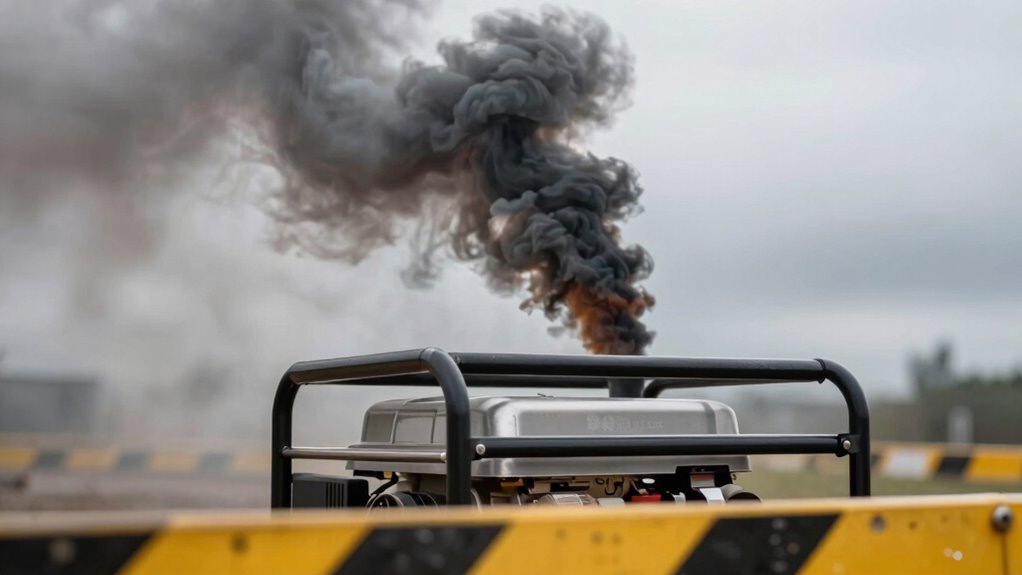
When using a generator, safeguarding yourself from the dangers of carbon monoxide is essential because this colorless, odorless gas can quickly become deadly if not properly managed. Carbon monoxide (CO) is produced when a generator burns fuel, and if it accumulates indoors or in enclosed spaces, it can lead to poisoning within minutes. That’s why understanding the importance of indoor ventilation is fundamental. You need to ensure your generator is operated outside, away from windows, vents, or any openings that could allow CO to seep inside. Proper ventilation disperses the gas quickly, preventing dangerous buildup that could harm you or your loved ones.
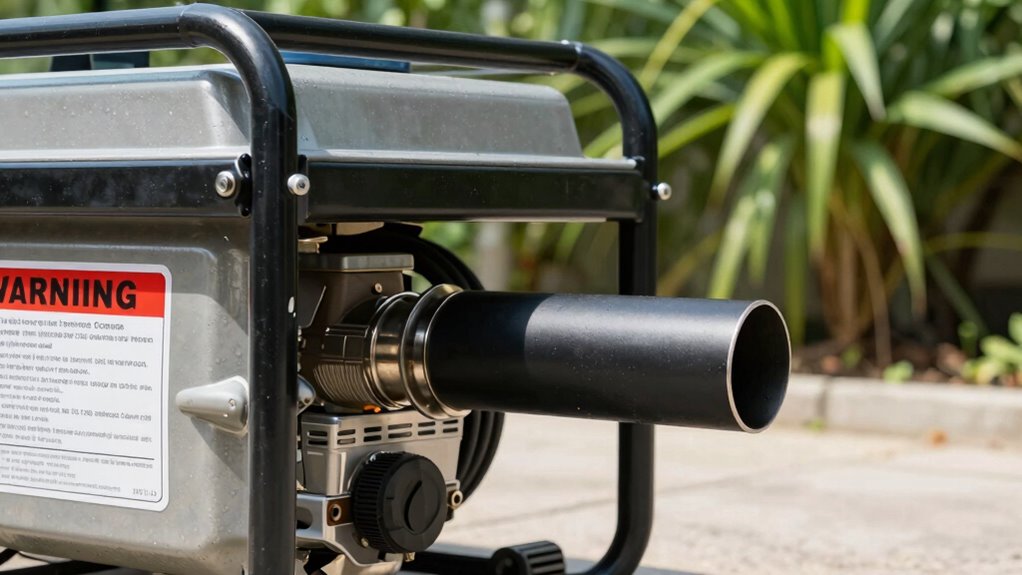
Operate your generator outdoors with proper ventilation to prevent dangerous carbon monoxide buildup.
Emergency preparedness plays a central role in generator safety, particularly when it comes to CO risks. Before using your generator, you should have a clear plan in place. This includes installing carbon monoxide detectors in your home, especially near sleeping areas, and checking that they’re functioning correctly. These detectors can alert you early if CO levels rise, giving you precious time to evacuate and seek fresh air. Incorporate routine checks into your emergency preparedness plan to guarantee both your detectors and your generator setup are in top condition. Being aware of CO emission sources can help you better prevent hazardous levels of the gas during operation.
It’s important to remember that even short-term generator use can produce harmful CO levels if safety precautions aren’t followed. Never operate a generator inside your garage, basement, or any enclosed space, even if doors or windows are open. The airflow may seem sufficient, but CO can still accumulate quickly, especially if the generator is running for an extended period. Always place your generator on a dry, stable surface outdoors, at least 20 feet away from your home and any vents or openings. This distance minimizes the risk of CO drifting indoors, particularly when wind conditions change unexpectedly. Additionally, proper ventilation techniques are crucial for dispersing CO effectively and reducing buildup risks. Properly functioning ventilation systems can further enhance safety during operation.
Additionally, your emergency preparedness should include knowledge of how to shut down the generator safely in case of a CO alarm. If your detector sounds, immediately turn off the generator and move to an area with fresh air. Afterward, inspect the setup to guarantee proper placement and ventilation before restarting. Regularly maintain your generator, checking for leaks, blockages, or mechanical issues that could cause incomplete fuel combustion and higher CO emissions. Understanding the proper maintenance practices can significantly reduce the risk of dangerous CO buildup. Furthermore, considering advanced safety devices such as automatic shutoff systems can enhance your safety measures during operation.
Ultimately, making carbon monoxide safety a priority in your generator plan isn’t just about following regulations — it’s about protecting yourself and your family from a silent, invisible threat. By focusing on indoor ventilation, adhering to safety protocols, and preparing for emergencies, you create a thorough approach that reduces risks and ensures you’re ready for any situation. Safety should always come first when operating power equipment, especially when the invisible danger of CO is involved.
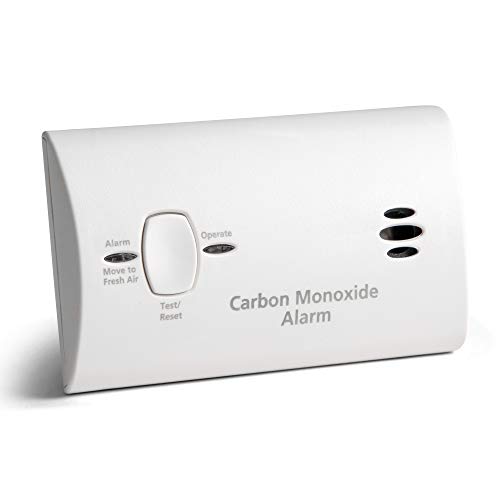
Kidde Carbon Monoxide Detector, AA Battery Powered, Portable for Travel or Home, 85 dB Alarm, LED Status Indicators, 3rd Edition
- Sensor Technology: Electrochemical CO detection
- Easy Installation: No wiring, battery operated
- Power Indicator: Green LED shows power status
As an affiliate, we earn on qualifying purchases.
As an affiliate, we earn on qualifying purchases.
Frequently Asked Questions
How Can I Detect Carbon Monoxide Leaks Early?
You can detect carbon monoxide leaks early by installing reliable carbon monoxide sensors around your generator area. These sensors act as early warning systems, alerting you before dangerous levels build up. Regularly test and maintain these devices to guarantee they’re working properly. Keep an eye on the alerts, and never ignore them—prompt action can prevent serious health risks. Prioritize these safety measures to protect yourself and your loved ones.
Are Portable Generators Safer Than Standby Models?
You might think portable generators are safer than standby models, but in reality, both require diligent maintenance and strict adherence to safety regulations to prevent hazards. Coincidentally, many accidents happen due to neglecting proper generator upkeep, regardless of type. Regular generator maintenance guarantees safe operation, reduces carbon monoxide risks, and keeps you compliant with safety regulations. Always prioritize safety, whether using a portable or standby generator, to protect yourself and loved ones.
What Are the Symptoms of Carbon Monoxide Poisoning?
You might experience symptoms of carbon monoxide poisoning like headache, dizziness, weakness, nausea, or confusion when indoor air becomes contaminated. It’s essential to follow safety precautions, such as ensuring proper ventilation and never running generators indoors. Recognizing these symptoms early can save your life. Always prioritize carbon monoxide safety, especially during power outages, to prevent dangerous indoor air buildup and protect yourself and others from poisoning.
How Often Should I Test My CO Detectors?
Like a trusty knight’s armor, your carbon monoxide detector needs regular care. You should test your CO detectors at least once a month to guarantee they’re working properly. Proper generator placement is key—keep it outside and away from windows or vents. Regular carbon detector maintenance helps catch any issues early, preventing dangerous CO build-up. Don’t wait for a warning—stay vigilant and test frequently to keep your home safe.
Can Outdoor Generators Still Pose a CO Risk?
Yes, outdoor generators can still pose a CO risk if you don’t consider proper outdoor ventilation and generator placement. Even outside, running a generator too close to your home or in enclosed spaces can allow dangerous CO levels to build up. Always keep your generator well away from doors, windows, and vents, and guarantee adequate outdoor ventilation to prevent CO buildup and protect everyone nearby.

Generator Interlock Kit for Eaton Cutler Hammer BR SERIES 150&200amp Panels
- Safe and Reliable Backup Power: Provides safe, cost-effective home backup power
- Compatible with Eaton BR Series: Fits Eaton/Cutler Hammer BR and CH series panels
- Easy Main Breaker Control: Single handle switch for on/off operation
As an affiliate, we earn on qualifying purchases.
As an affiliate, we earn on qualifying purchases.
Conclusion
Remember, ignoring carbon monoxide safety is like playing with fire in a coal mine—you never know when disaster strikes. Always prioritize proper ventilation, use generators outdoors, and install alarms to stay safe. Think of CO safety as your silent shield, guarding you and your loved ones from unseen danger. By making it a top priority, you guarantee your generator plan is as reliable as a lighthouse guiding ships through stormy seas, keeping everyone safe and sound.

Windigaga 10 Inch Shutter Exhaust Fan, 890 CFM
- Size: 10-inch exhaust fan for efficient airflow
- Airflow Capacity: 890 CFM for rapid ventilation
- Quiet Operation: Below 45 dB noise level
As an affiliate, we earn on qualifying purchases.
As an affiliate, we earn on qualifying purchases.

Kidde Carbon Monoxide Detector, AA Battery-Powered, COBD
- Detects carbon monoxide with loud alarm: 85-decibel alert and digital display
- Battery-powered for easy installation: Uses 2 AA batteries, no wiring needed
- Portable and travel-friendly design: Compact, lightweight for home or travel
As an affiliate, we earn on qualifying purchases.
As an affiliate, we earn on qualifying purchases.