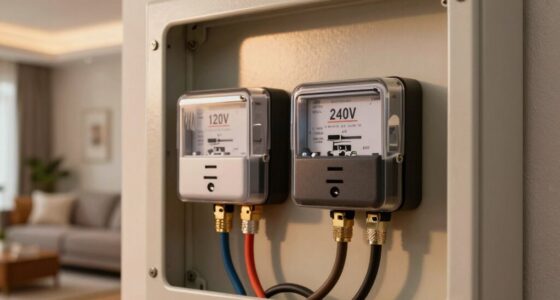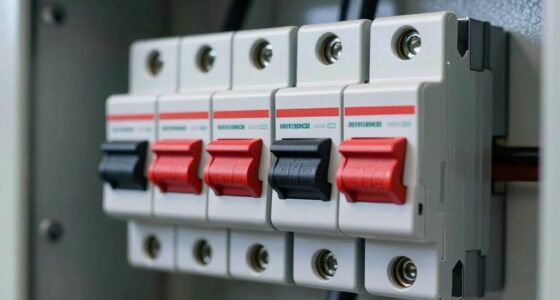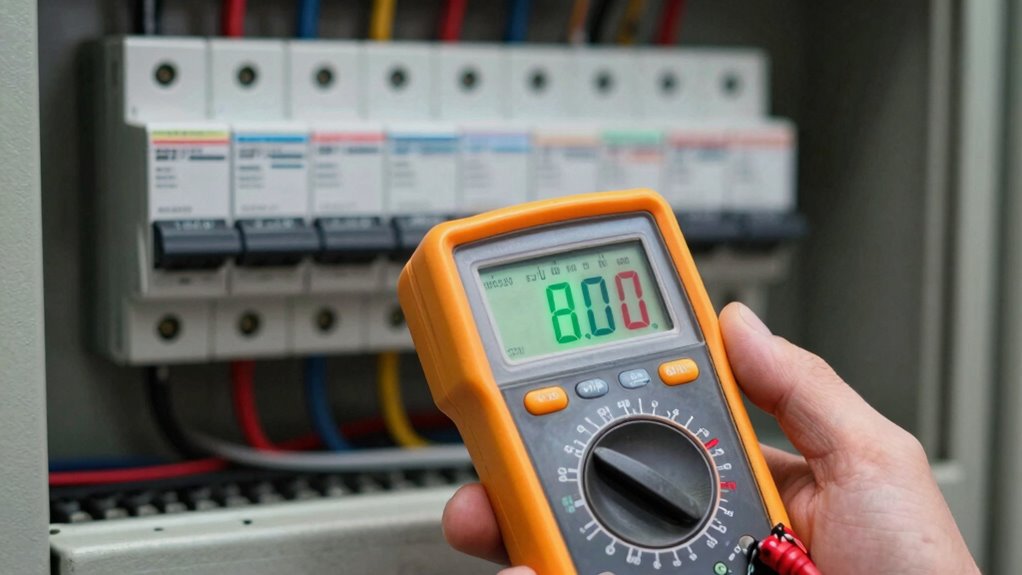

To understand electrical ratings without guessing, check the device’s voltage, current, and power specifications printed on it or listed in the datasheet. Match the voltage rating with your application’s supply voltage, and verify the current and power ratings suit your load. Look for safety certifications like UL or CE for reliability. Properly interpreting these ratings helps you select safe, compatible components. Keep reading to discover more tips for confidently handling electrical data.

Get backup power and energy gear delivered free — and shop member deals
- Fast, free delivery on millions of items
- Access to Prime Big Deal Days deals on October 6–7
- Prime Video, Amazon Music and more included
Key Takeaways
- Check the device’s printed ratings or datasheet for specific voltage, current, and power information.
- Match the voltage rating with your application’s voltage to ensure compatibility.
- Verify the current and power ratings align with your circuit’s load and protection devices.
- Look for certification marks like UL, CE, or IEC to confirm safety standards.
- Ensure circuit components (fuses, breakers, wiring) are rated appropriately based on these specifications.
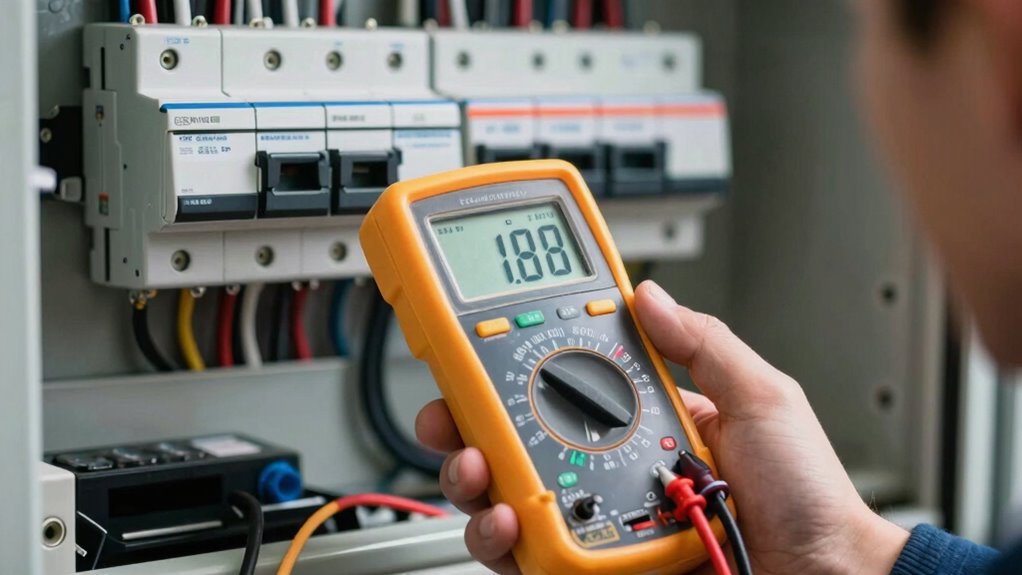
Understanding electrical ratings can seem confusing at first, but with the right approach, you can interpret them accurately without guessing. When you look at an electrical device or component, the ratings tell you what it can safely handle, which is essential for ensuring proper circuit protection and reliable power supply. These ratings are usually printed on the product or listed in the datasheet, and knowing how to read them helps prevent overloading, short circuits, and potential damage.
Understanding electrical ratings helps ensure safety, proper circuit protection, and reliable device performance.
Start by identifying the voltage rating. This indicates the maximum voltage the device or component can safely operate within. For example, if a power supply is rated at 120V, using it in a higher-voltage environment could cause failure or safety hazards. Conversely, using a device rated for lower voltage in a higher-voltage setting risks overloads. Always match the voltage rating with your application to ensure safety and efficiency.
Next, look at the current rating, which tells you how much current the device can handle continuously without overheating or failing. For circuit protection, this is critical because it determines the size of the fuse or circuit breaker you’ll need. If your circuit draws more current than the rated capacity, it can cause damage or fire. To avoid this, select protective devices with ratings slightly above your circuit’s typical load but within the device’s maximum limits. Doing so offers a balance between safety and performance. Additionally, understanding these ratings is important because they are often based on specific standards or certifications that ensure safety and reliability.
Power ratings are also vital. Power, measured in watts, combines voltage and current ratings. Knowing the power capacity of your power supply ensures that it can support all connected devices without strain. Overloading a power supply can lead to voltage drops, overheating, or failure, so always check that your total load stays within the specified wattage.
In addition, pay attention to specific standards or certifications listed on the ratings, such as UL, CE, or IEC marks. These indicate compliance with safety and quality standards, giving you extra confidence that the device is suitable for your needs. Recognizing standard certifications helps you select reliable and compliant equipment.
Finally, understanding the ratings allows you to plan for proper circuit protection. By matching your circuit components—like fuses, circuit breakers, and wiring—to the device’s ratings, you prevent accidental overloads and ensure safe operation. When you interpret these ratings correctly, you not only protect your equipment but also create a safer environment for everyone involved. Knowing about electrical safety practices further enhances your ability to design and maintain secure electrical systems.
electrical safety certification labels
As an affiliate, we earn on qualifying purchases.
As an affiliate, we earn on qualifying purchases.
Frequently Asked Questions
What Tools Do I Need to Read Electrical Ratings Accurately?
To read electrical ratings accurately, you’ll need a digital multimeter to check voltage compatibility and current capacity. A multimeter helps you verify the voltage and current limits of devices, ensuring they match your system’s requirements. Additionally, having the manufacturer’s datasheet or labels on the equipment provides essential ratings. Use these tools and information to confidently assess electrical ratings, avoiding guesswork and ensuring safe, efficient operation of your electrical systems.
How Do Environmental Factors Affect Electrical Ratings?
Environmental factors considerably influence electrical ratings by modifying performance and safety margins. For example, high temperatures can decrease insulation lifespan, while moisture or corrosion may weaken connections. These environmental impacts can lead to inaccurate rating assessments if not considered, affecting rating accuracy. To guarantee safe operation, always account for environmental conditions specified in the ratings, and choose equipment suited for your environment to maintain ideal performance and safety.
Can Electrical Ratings Vary Between Different Manufacturers?
Electrical ratings can definitely vary between manufacturers, like different chefs cooking the same dish with their own twist. You’ll find manufacturer variations in how they interpret standards, which can lead to slight differences in ratings. To guarantee rating consistency, always check the specifications from trusted brands and compare their data sheets. This way, you’re not just guessing but making informed decisions based on reliable manufacturer information.
What Safety Precautions Should I Take When Reading Electrical Ratings?
When reading electrical ratings, you should always wear insulated gloves and use tools with insulated handles to prevent shocks. Make sure you check voltage compatibility to avoid overloading circuits and verify insulation standards to confirm safe operation. Keep the area dry, avoid working alone, and double-check labels and specifications before making connections. These precautions help protect you from electrical hazards and ensure safe handling of electrical components.
How Often Should Electrical Ratings Be Checked or Updated?
You should check electrical ratings regularly, ideally once every year or after any major system changes. Focus on voltage consistency to guarantee your equipment operates safely and efficiently. Keep an eye on calibration frequency, as outdated calibrations can lead to inaccurate readings. Regular inspections help you catch potential issues early, maintain safety, and ensure your electrical systems stay within the recommended ratings, preventing costly damage or failures.
As an affiliate, we earn on qualifying purchases.
Conclusion
By understanding how to read electrical ratings accurately, you avoid costly mistakes and guarantee safety. Some might think it’s too complicated or time-consuming, but once you grasp the basics, it becomes straightforward. Don’t let confusion hold you back—taking a little extra time to learn pays off in confidence and security. With these tips, you’ll make smarter decisions and keep your home or workspace running smoothly without guessing.
As an affiliate, we earn on qualifying purchases.
As an affiliate, we earn on qualifying purchases.
Fall Picks
fall essentials
As an affiliate, we earn on qualifying purchases.