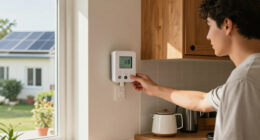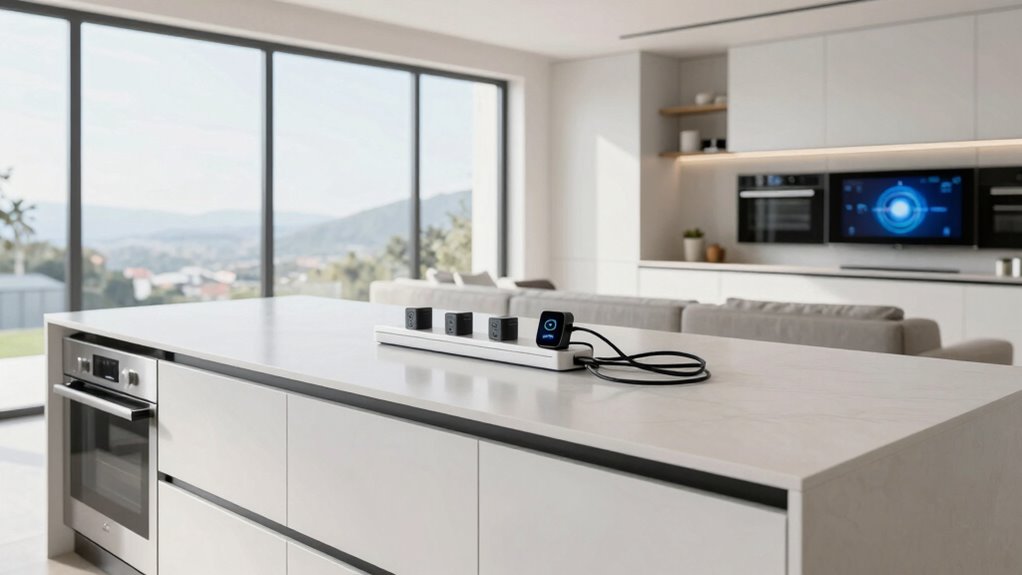
Modern homes need more power planning because they use more advanced technology and have many smart devices, like thermostats, security systems, and EV chargers. These add extra energy demands that older homes didn’t have, so you’ll need to carefully size your electrical system to prevent overloads and guarantee safety. Plus, with renewable energy sources like solar panels, managing power becomes even more complex. Keep exploring to discover how proper planning keeps your home safe, efficient, and future-ready.

Get backup power and energy gear delivered free with Prime
- Fast, free delivery on millions of items
- Prime Video, Amazon Music and more included
- Member-only deals all year
Key Takeaways
- Modern homes have more devices and appliances that increase overall energy demand.
- Smart technology and automation require flexible, centralized electrical systems for proper management.
- Renewable energy sources like solar panels add complexity to power generation, storage, and usage.
- Increased safety standards and capacity planning prevent overloads and ensure reliable electrical systems.
- Future-proofing is essential to accommodate evolving energy needs and prevent costly upgrades.
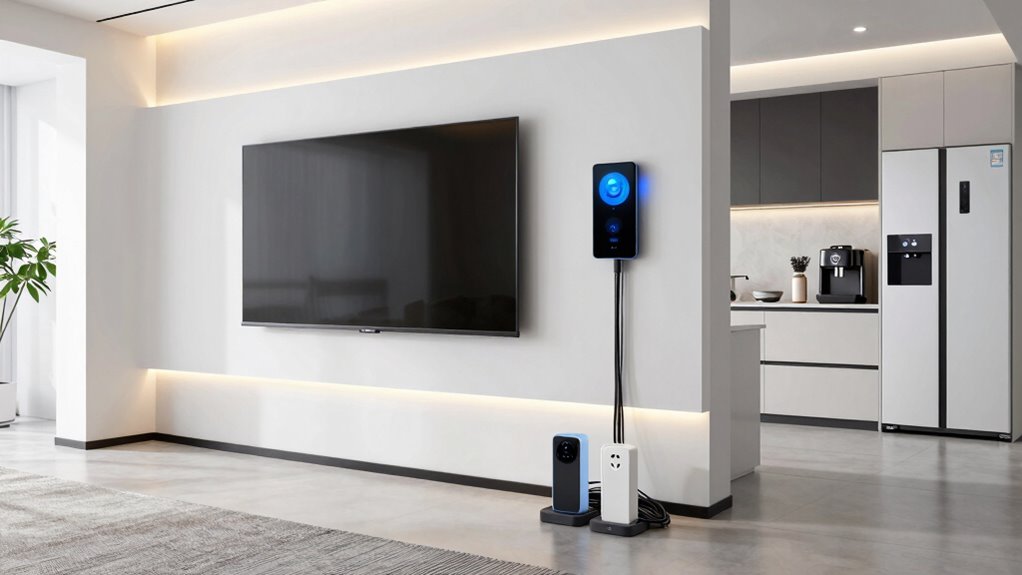
As modern homes become more energy-efficient and environmentally conscious, effective power planning is vital to guarantee you meet your household’s needs sustainably. Unlike older houses, which often relied on basic electrical systems, today’s homes incorporate a variety of devices and systems that demand careful planning. You need to consider not only the total power capacity but also how your power is distributed and managed. This is where understanding energy efficiency and smart technology becomes essential. Modern appliances and systems are designed to use less power, but they also tend to be more complex and interconnected, raising the importance of a well-thought-out electrical plan.
Effective power planning ensures your modern, energy-efficient home meets evolving needs sustainably and reliably.
In older homes, power needs were relatively straightforward—lighting, a few appliances, maybe an HVAC system. Now, your home might include smart thermostats, security systems, smart lighting, and even electric vehicle charging stations. These innovations improve your lifestyle but also greatly increase your energy demands. If your power plan isn’t designed to accommodate these loads, you risk overloading circuits or experiencing insufficient power supply. Proper power planning ensures your home can handle current and future energy needs without frequent outages or costly upgrades.
Smart technology, in particular, plays a pivotal role in modern power management. With smart home devices, you can monitor and control your energy consumption in real time. However, integrating these devices requires a centralized, flexible electrical system capable of supporting their power needs. Smart technology also allows you to optimize energy efficiency by scheduling device operation during off-peak hours, reducing your overall energy costs and environmental impact. To maximize these benefits, you need a power plan that considers the interconnected nature of these systems, ensuring they work seamlessly without putting undue stress on your electrical infrastructure. Incorporating energy management systems can further enhance your ability to control and optimize your power consumption effectively.
Furthermore, modern homes often feature renewable energy sources, such as solar panels, which add another layer of complexity to power planning. You must account for energy generation, storage, and consumption patterns to ensure your home remains powered efficiently. Proper planning helps you avoid energy waste, reduce reliance on the grid, and take full advantage of sustainable energy solutions. This holistic approach to power management, combining energy efficiency, smart technology, and renewable sources, makes your home more resilient and eco-friendly. Additionally, adhering to extension cord standards and using weatherproof tool storage can help maintain safe and reliable power systems both inside and outside your home. Recognizing the importance of power capacity limitations is crucial to prevent overloads and ensure safety as your energy needs grow. Proper circuit design can significantly improve your home’s electrical safety and efficiency.
As an affiliate, we earn on qualifying purchases.
Frequently Asked Questions
How Can I Upgrade My Existing Home’s Electrical System Safely?
To upgrade your home’s electrical system safely, start by consulting a licensed electrician who can assess your current circuit capacity and electrical safety. They’ll identify overloaded circuits and recommend upgrades to handle your power needs. Never attempt DIY wiring improvements. Make certain all work complies with local codes, and consider installing new circuit breakers or a subpanel if necessary. This approach guarantees a safe, reliable upgrade tailored to your modern home’s demands.
What Are the Latest Trends in Home Power Management Technology?
Think of home power management technology as a symphony conductor guiding your energy flow. The latest trends focus on smart energy storage and achieving grid independence, allowing your home to act as its own power fortress. These innovations optimize energy use, reduce reliance on the grid, and boost efficiency. With integrated systems, you can seamlessly balance supply and demand, making your home smarter, more resilient, and environmentally friendly.
How Do Solar Panels Impact Overall Power Planning Needs?
Solar panels greatly impact your power planning by enhancing solar efficiency and requiring strategic panel placement. You need to evaluate your roof’s orientation and shading to maximize energy capture. Proper placement ensures ideal sunlight exposure, reducing reliance on grid power and lowering costs. As a result, your home’s energy needs become more predictable, and you can better integrate solar energy into your overall power management system, making your home more sustainable and efficient.
What Precautions Should Be Taken During a Home Electrical Upgrade?
Think of your home’s electrical system as a delicate dance needing perfect timing. During an upgrade, prioritize electrical safety to prevent sparks flying out of control. Check circuit capacity to guarantee your system can handle increased demands. Always turn off power before working, use proper insulation, and consult a professional. These precautions protect you from accidents and ensure your upgraded home runs smoothly without overloads or hazards.
How Does Smart Home Integration Affect Power Load Calculations?
Smart home integration affects power load calculations by increasing demand due to devices like energy storage systems and wireless control hubs. You need to account for these loads to prevent overloads and guarantee reliable operation. When planning, include the power requirements of smart appliances, security systems, and automation controllers. This helps you size your electrical system correctly, accommodating future expansion and maintaining safety while supporting the convenience of smart technology.
As an affiliate, we earn on qualifying purchases.
Conclusion
As you design or upgrade your modern home, remember that careful power planning isn’t just about keeping the lights on; it’s about future-proofing your space. With new devices and smart technology, your electrical system needs to be flexible and robust. As the saying goes, “A stitch in time saves nine.” Addressing power needs now prevents costly rewiring later, ensuring your home remains safe, efficient, and ready for whatever tomorrow brings.
solar panel power management system
As an affiliate, we earn on qualifying purchases.
As an affiliate, we earn on qualifying purchases.
As an affiliate, we earn on qualifying purchases.
Halloween Picks
halloween
As an affiliate, we earn on qualifying purchases.