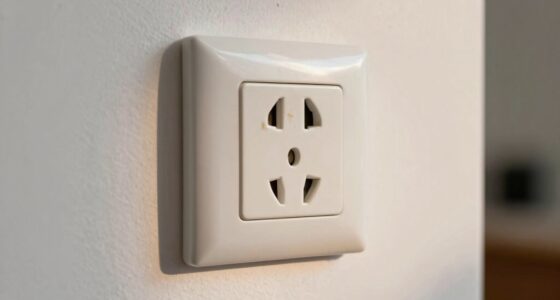
If your light bulbs keep failing, hidden issues might be at play. Poor-quality or defective bulbs can weaken over time, while electrical fluctuations, like surges or unstable wiring, can damage sensitive components. Improper installation, such as loose fittings or corroded sockets, also causes failures. Environmental factors like heat, humidity, or vibrations accelerate burnout. Usually, it’s a mix of these causes. Keep exploring to discover how to identify and prevent these hidden problems.

Get backup power and energy gear delivered free with Prime
- Fast, free delivery on millions of items
- Prime Video, Amazon Music and more included
- Member-only deals all year
Key Takeaways
- Manufacturing defects like weak filaments or poor-quality glass can cause early bulb failure.
- Voltage fluctuations and electrical surges damage sensitive internal components.
- Improper installation, such as loose sockets or poor contacts, leads to uneven electrical flow.
- Excessive heat, humidity, or vibrations accelerate bulb deterioration.
- Repeated failures often result from a combination of manufacturing, electrical, installation, and environmental issues.

Light bulb failures often seem random, but many hidden factors can cause them well before their expected lifespan ends. One of the most common hidden causes is manufacturing defects. When bulbs are produced with flaws—such as weak filaments or poor-quality glass—they’re more likely to burn out prematurely. These defects might not be immediately visible, but over time, they weaken the bulb’s internal components, leading to an early failure. If you notice a pattern of frequent bulb replacements, it’s worth considering whether the bulbs you’re using are from a reputable manufacturer, as lower-quality options tend to have higher defect rates.
Another factor that plays a significant role in early bulb failure is energy efficiency. Many energy-efficient bulbs, like LEDs or CFLs, are designed to consume less power, but their internal components can be more sensitive to electrical fluctuations. If your electrical system isn’t stable—perhaps due to voltage surges or inconsistent power supply—these bulbs can be damaged more easily, leading to shorter lifespans. High-energy efficiency doesn’t automatically guarantee durability; it often requires precise manufacturing and stable electrical conditions. If your home’s wiring isn’t properly grounded or if there are frequent power surges, your energy-efficient bulbs are vulnerable to failing sooner than expected. Additionally, electrical stability can be affected by outdated or faulty wiring, which can create unpredictable electrical conditions that damage sensitive bulbs. Ensuring circuit protection like surge suppressors can help mitigate this risk.
Beyond manufacturing defects and electrical issues, improper installation can also compromise a bulb’s longevity. If a bulb isn’t screwed in tightly or if the socket is corroded, it can cause poor contact and uneven electrical flow. This not only hampers the bulb’s performance but can also generate heat or electrical arcing that damages the filament or internal components. Regularly inspect fixtures and sockets for corrosion or damage, and ensure bulbs are installed correctly to prevent unnecessary failures. Poor installation practices can sometimes be linked to a lack of awareness about proper electrical connections, which can lead to frequent bulb replacements.
Environmental factors shouldn’t be overlooked either. Excessive heat, humidity, or exposure to vibrations can accelerate bulb failure. For example, placing bulbs in enclosed fixtures that trap heat can cause overheating, especially for sensitive energy-efficient bulbs. Vibrations from nearby machinery or heavy foot traffic can loosen connections or damage internal parts, leading to early burnout. Additionally, lighting technology like LED or fluorescent bulbs often requires specific conditions to maximize their lifespan. Proper environmental control and placement can extend the life of your bulbs significantly. Recognizing these environmental influences and managing them effectively can make a substantial difference in bulb longevity.
In essence, if you’re experiencing repeated light bulb failures, it’s likely due to a combination of manufacturing quality, electrical stability, installation practices, and environmental conditions. Recognizing these hidden causes helps you troubleshoot effectively and choose bulbs that last longer, saving you money and hassle over time.
surge protector for home electrical system
As an affiliate, we earn on qualifying purchases.
As an affiliate, we earn on qualifying purchases.
Frequently Asked Questions
Can Power Surges Affect Light Bulb Lifespan?
Yes, power surges can affect your light bulb lifespan. Voltage fluctuations caused by surges put extra stress on bulbs, speeding up their burnout. Wiring issues, like loose connections or faulty wiring, can worsen this problem by allowing sudden voltage spikes. To protect your bulbs and prolong their life, consider installing surge protectors and ensuring your wiring is in good condition. These steps help reduce damage from power surges and voltage fluctuations.
Do Different Bulb Types Have Unique Failure Causes?
Yes, different bulb types have unique failure causes. For example, incandescent bulbs often fail due to filament burnout, while LED bulbs can fail from poor heat dissipation or manufacturing defects. The bulb material plays an essential role; fragile filaments or delicate components are more prone to breakage. Manufacturing defects can also lead to early failure across all types, especially if quality control isn’t strict, causing premature burnout or inconsistent performance.
How Does Ambient Temperature Impact Bulb Durability?
Ever wonder why some bulbs burn out faster? Ambient temperature plays a vital role. When it’s too hot, thermal expansion causes the bulb’s components to weaken, while heat accumulation accelerates filament burnout. Cold temperatures, conversely, can lead to brittle glass. You might not notice these effects daily, but subtle temperature shifts can dramatically impact your bulb’s lifespan, leading to unexpected failures just when you least expect it.
Are There Safety Concerns With Frequent Bulb Replacements?
Frequent bulb replacements can pose safety hazards and electrical risks if not handled properly. You might accidentally touch live wires or use incorrect tools, increasing the chances of electric shocks. Additionally, repeatedly installing bulbs in faulty fixtures can cause short circuits or fires. Always turn off the power before changing bulbs, use proper equipment, and inspect fixtures regularly to minimize safety concerns and guarantee your home’s electrical safety.
Can Improper Fixture Installation Lead to Early Bulb Failure?
Yes, improper fixture installation can cause early bulb failure. If the fixture isn’t stable or properly grounded, it can lead to electrical fluctuations or short circuits that damage the bulb. Make sure the fixture is securely mounted to prevent movement, which can stress the bulb or socket. Also, verify proper electrical grounding to maintain consistent power flow, reducing the risk of premature failure and improving overall safety.
As an affiliate, we earn on qualifying purchases.
Conclusion
So, don’t just blame the bulbs—they might be fine. Instead, check your socket connections, voltage levels, or power surges. You might think it’s easier to replace bulbs frequently, but addressing these hidden causes saves you money and frustration in the long run. Remember, consistent failures often point to underlying issues, not faulty bulbs. Taking a little extra time to diagnose can keep your lights shining longer and your home safer.
As an affiliate, we earn on qualifying purchases.
As an affiliate, we earn on qualifying purchases.
Halloween Picks
halloween
As an affiliate, we earn on qualifying purchases.