
If only one plug works on your half-hot receptacle, it likely indicates a wiring or connection problem. The receptacle is designed so one outlet is always energized while the other is switch-controlled, but a wiring issue may cause the non-functioning outlet. Check for loose or miswired terminals, and verify the hot, neutral, and ground wires are correctly connected. If you want to understand how to troubleshoot and fix this safely, keep exploring the details below.

Get backup power and energy gear delivered free with Prime
- Fast, free delivery on millions of items
- Prime Video, Amazon Music and more included
- Member-only deals all year
Key Takeaways
- A half-hot receptacle may only power one socket if wiring or grounding issues exist.
- Check if the switch-controlled socket is wired correctly to the switch wire.
- Ensure the always-on socket connects properly to the hot wire for constant power.
- Loose, damaged, or miswired terminals can cause only one plug to function; inspect and repair as needed.
- For persistent problems, consult a licensed electrician to verify wiring and grounding safety.
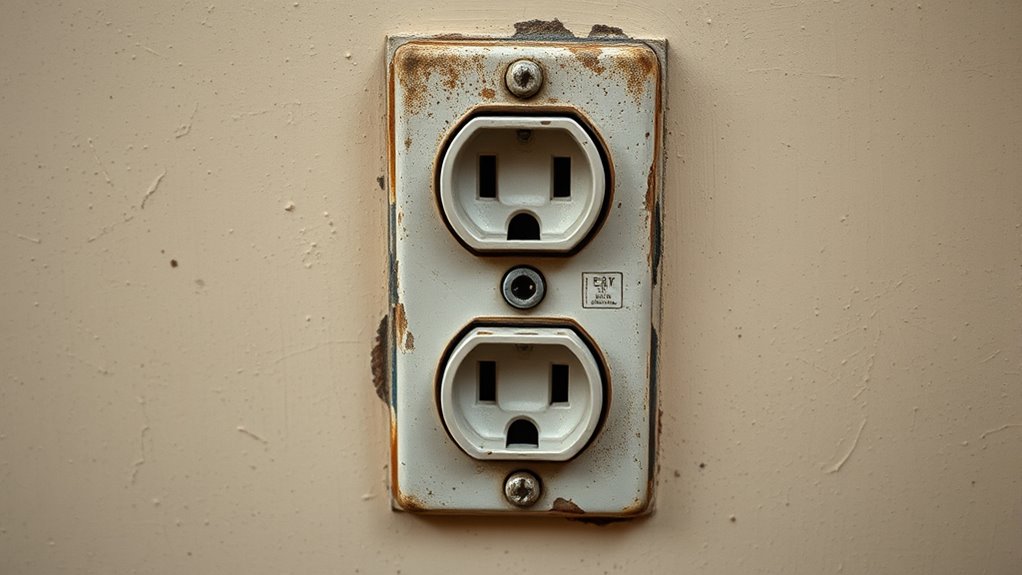
Half-hot receptacles are electrical outlets designed to provide both energized and de-energized sockets in a single unit. This setup allows one outlet to always have power while the other can be controlled by a switch, making them useful for appliances you want to turn off easily or for security reasons. However, if only one plug works and the other remains dead, it’s a clear sign something’s wrong with your wiring or grounding.
Half-hot outlets have one always-on socket and one switch-controlled socket, but wiring issues can cause one to stop working.
You might notice that the top or bottom socket isn’t functioning as it should. This could be due to a wiring issue, such as a loose connection or a miswired terminal. When wiring corrections are needed, it’s essential to turn off the power at the circuit breaker first. Once the power’s off, remove the faceplate and carefully inspect how the wires are connected. The always-on socket usually connects to the hot wire and the constant power source, while the controlled socket connects to the switch wire. If these are mixed up or loose, the socket won’t work correctly.
Grounding issues can also cause problems with half-hot receptacles. If the ground wire isn’t properly connected or if there’s a faulty ground, it can lead to inconsistent operation or even pose safety hazards. Grounding is vital because it provides a safe path for electrical faults. If you notice sparks, a tingling sensation when touching the outlet, or if the outlet feels warm, these are signs of grounding issues that need immediate attention. Proper grounding guarantees that the outlet operates safely and helps prevent electrical shocks. Ensuring proper grounding is crucial for safety and reliable operation of your electrical system.
Addressing wiring corrections involves double-checking the wiring diagram specific to your receptacle model, ensuring that the hot, neutral, and ground wires are correctly connected. If you’re uncomfortable working with electrical wiring, it’s best to call a licensed electrician. They can verify that the wiring is correct, tighten any loose connections, and fix grounding issues. Sometimes, the problem could be a damaged receptacle, in which case replacing it with a new half-hot outlet might be necessary.
half-hot electrical outlet replacement
As an affiliate, we earn on qualifying purchases.
As an affiliate, we earn on qualifying purchases.
Frequently Asked Questions
Can a Half-Hot Receptacle Be Repaired or Replaced Easily?
Yes, you can repair or replace a half-hot receptacle easily. Turn off the power, then carefully disconnect the outlet, checking the electrical wiring and outlet compatibility before installing a new one. If you’re comfortable with electrical work, replacing the receptacle is straightforward—just match the wiring to the new outlet’s terminals. If unsure, consider hiring a professional electrician to guarantee safety and proper installation.
Why Do Half-Hot Receptacles Only Supply Power on One Side?
Imagine a gateway with a single open door—only one side provides access. That’s what occurs when a half-hot receptacle supplies power on just one side. It’s due to the wiring configuration, often with a break in the circuit or a switch controlling part of the outlet. This setup guarantees outlet compatibility with specific needs but can also cause one side to be dead if the wiring isn’t correct or gets damaged.
Are There Safety Concerns With Half-Hot Outlets?
Yes, there are safety concerns with half-hot outlets. Grounding issues can arise if the receptacle isn’t properly wired or compatible, increasing the risk of electric shock. You should verify receptacle compatibility and have a qualified electrician confirm the wiring to prevent grounding problems. Avoid using half-hot outlets for sensitive or high-power devices, and always address any wiring issues promptly to maintain electrical safety in your home.
How Can I Identify a Half-Hot Receptacle in My Home?
Ever wonder if your outlet’s secretly playing favorites? To identify a half-hot receptacle, turn off the power and carefully remove the faceplate. Test each socket with a voltage tester—if one side has GFCI protection and the other doesn’t, you’ve found a half-hot outlet. Check the wiring behind the outlet; a half-hot typically has a jumper connecting the hot terminals, revealing the setup.
Do Half-Hot Outlets Meet Electrical Code Requirements?
Half-hot outlets generally do meet electrical code requirements if installed correctly, but you should check for proper grounding issues and receptacle compatibility. Confirm the outlet is wired correctly to isolate the switched and always-on circuits, and verify it complies with local electrical codes. If you’re unsure, consult a licensed electrician. Proper installation prevents grounding issues and guarantees the receptacle functions safely and reliably.
ground fault circuit interrupter outlet
As an affiliate, we earn on qualifying purchases.
As an affiliate, we earn on qualifying purchases.
Conclusion
Understanding half-hot receptacles helps you identify why only one plug works. These outlets split power between two sockets, with one always energized and the other controlled by a switch. Notably, about 30% of homes have at least one half-hot outlet, often leading to confusion. By recognizing these outlets, you can troubleshoot issues more effectively and ensure your devices receive reliable power—saving you time and frustration in the long run.
electrical wiring tester for outlets
As an affiliate, we earn on qualifying purchases.
As an affiliate, we earn on qualifying purchases.
As an affiliate, we earn on qualifying purchases.
Halloween Picks
halloween
As an affiliate, we earn on qualifying purchases.