
Understanding basic electrical test tools keeps you safe, saves money, and boosts your confidence in handling electrical issues around your home. With skills like voltage detection and circuit continuity testing, you can identify hazards early and prevent accidents. These tools help you troubleshoot problems quickly and avoid costly repairs. By mastering their use, you take control of your home’s safety and maintenance. Keep exploring to discover how these simple tools can make a big difference.
Key Takeaways
- Enables safe DIY repairs by identifying live wires and electrical hazards early.
- Helps troubleshoot issues quickly, saving time and money on professional assistance.
- Promotes overall electrical safety awareness, reducing the risk of shocks and accidents.
- Ensures proper functioning of electrical fixtures during upgrades or installations.
- Empowers homeowners to maintain and monitor electrical systems proactively.
When working with electrical systems, having the right tools is essential for safety and accuracy. As a homeowner, understanding basic electrical test tools empowers you to identify potential problems before they escalate. These tools, like voltage testers and continuity testers, are simple yet powerful devices that help you navigate electrical tasks with confidence. Knowing how to use them properly can prevent accidents, save money on repairs, and even keep your family safe. For example, incorporating outdoor enhancements like lighting or outlets requires careful testing to ensure safety and proper functioning. Understanding how these tools work enhances your ability to maintain a safe environment during such upgrades.
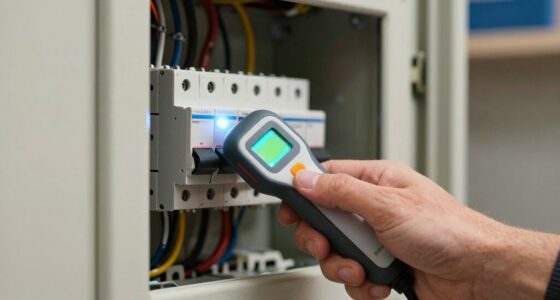
Voltage detection is a fundamental skill that every homeowner should learn. A voltage tester allows you to quickly determine if a wire or outlet is live, meaning it still carries electrical current. Before you touch any wiring or switch out a fixture, using a voltage detector confirms whether power is present. This simple step can prevent shocks or electrocution. Modern voltage testers are easy to use—just place the device near the wire or outlet, and it will indicate whether voltage exists through a light or beep. Understanding how to perform voltage detection helps you work safely, especially when doing repairs or installing new fixtures. Additionally, knowing how to interpret the results from these tests can help you identify potential electrical hazards early on.
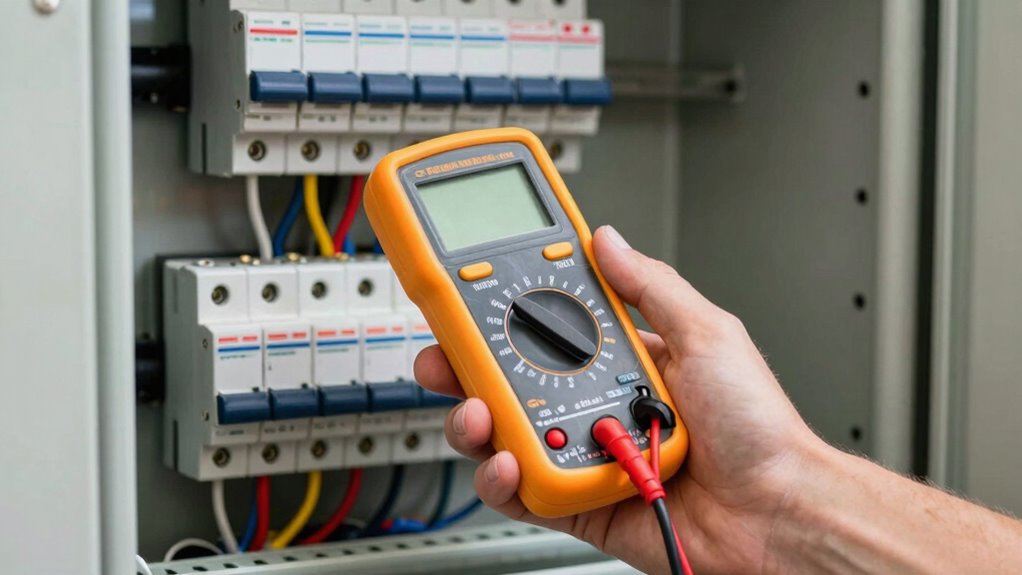
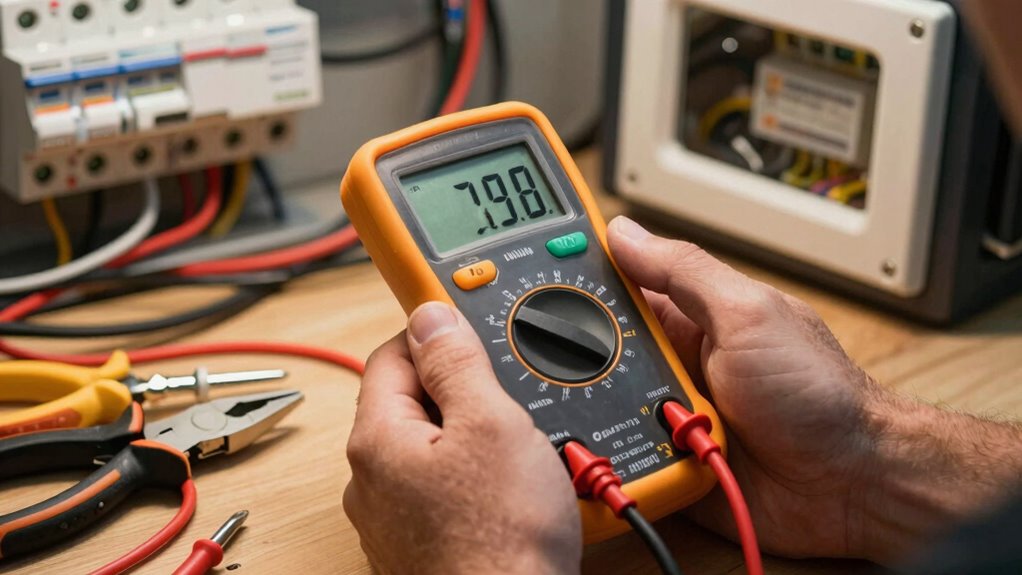
Circuit continuity is another critical aspect of basic electrical testing. Continuity testers let you verify if a circuit is complete, which means electricity can flow without interruption. For example, if you’re troubleshooting a switch that isn’t working, testing for circuit continuity helps identify broken wires or faulty connections. To use a continuity tester, you typically connect its leads across the component or wire you’re testing. If the circuit is closed, the tester will beep or light up, confirming that current can flow freely. This knowledge is especially useful when diagnosing issues with outlets, switches, or wiring connections. Understanding how to check circuit continuity allows you to pinpoint problems quickly, saving you time and money. Moreover, being aware of resistance measurements can provide insights into the condition of the wiring or device under test.
Having these tools on hand also fosters a sense of independence. Instead of waiting for professional help for minor issues, you can perform basic tests yourself. This is particularly valuable for routine troubleshooting or when you’re planning to undertake DIY electrical projects. Additionally, familiarity with voltage detection and circuit continuity enhances your overall safety awareness. You learn to recognize the signs of live wires and avoid accidental contact with energized parts, reducing the risk of shocks. Incorporating energetic awareness into your electrical safety practices can further protect you from unexpected hazards.

Klein Tools NCVT1P Voltage Tester, Non-Contact Low Voltage Tester Pen, 50V to 1000V AC, Audible and Flashing LED Alarms, Pocket Clip
- Non-contact voltage detection: Detects AC voltage without contact
- Clear LED indicators: Green for operational, red flashing for voltage
- Wide voltage range: Detects 50V to 1000V AC
As an affiliate, we earn on qualifying purchases.
As an affiliate, we earn on qualifying purchases.
Frequently Asked Questions
Are Electrical Test Tools Safe for Untrained Homeowners to Use?
Electrical test tools can be safe for untrained homeowners if you follow safety precautions carefully. Always read the user manual, wear protective gear, and double-check the tool’s condition before use. Regular tool maintenance guarantees accuracy and safety, preventing potential hazards. If you’re unsure or uncomfortable, it’s best to consult a professional. Proper training and cautious use make these tools safe and effective for home electrical testing.
How Often Should I Calibrate My Electrical Test Tools?
Think of your electrical test tools as loyal companions on your home safety journey. To keep their trust, you should calibrate them at least once a year or whenever they show signs of inaccuracy. Regular calibration ensures tool accuracy, like sharpening a blade, so you can confidently detect issues. Don’t wait for errors to surface—by maintaining your tools, you safeguard your home and loved ones with precision and peace of mind.
Can Electrical Test Tools Be Used on Live Circuits Safely?
Yes, electrical test tools can be used on live circuits safely if you follow proper procedures. Always use tools rated for the voltage you’re testing, and make certain you’re using the correct voltage testing techniques. Circuit safety is vital—wear insulated gloves, keep one hand away from the circuit, and double-check your tools’ insulation and condition. Proper training and caution help prevent shocks or injuries during voltage testing on live circuits.
What Are the Most Affordable Basic Electrical Test Tools?
You can find affordable basic electrical test tools like a non-contact voltage tester, multimeter, and circuit tester. These tools are essential for electrical safety and troubleshooting. To keep them reliable, practice proper tool maintenance, like storing them correctly and checking their calibration regularly. Investing in budget-friendly options guarantees you can safely identify live circuits and electrical issues without overspending, empowering you to handle minor electrical tasks confidently and safely at home.
How Do I Store Electrical Test Tools Properly?
To store electrical test tools properly, you should keep them in a dry, clean place away from moisture and extreme temperatures. Regularly perform tool maintenance by cleaning and inspecting for damage. Use a dedicated toolbox or storage container with compartments to prevent misplacement. Prioritize storage safety by keeping tools out of children’s reach and ensuring cords are neatly wound. Proper storage extends your tools’ lifespan and keeps your workspace safe.

Gardner Bender Sperry Instruments CT6101 Heavy Duty Continuity Tester, 2 Range, 36 inch lead, Yellow
- Heavy-duty construction with rubber grips: Durable design with over-molded rubber grips and pocket clip
- 36-inch flexible leads: Includes insulated alligator clip for easy testing
- 360° visual indicator: Bright, all-around visual signal for continuity
As an affiliate, we earn on qualifying purchases.
As an affiliate, we earn on qualifying purchases.
Conclusion
Understanding basic electrical test tools is like having a trusted map in a wild jungle—you gain confidence and safety on your journey. With these tools in hand, you’re better equipped to identify issues early and prevent potential hazards. Don’t wait for a spark to surprise you; learn to read the signs now. Mastering these tools transforms you from a homeowner into your own safety hero, steering your electrical system with the confidence of a seasoned explorer.

KAIWEETS Electrical Test Kit KIT01, Digital Multimeter, Smart Non-Contact Voltage Tester & GFCI Outlet Tester with LCD, Complete Set with Carrying Case & Batteries for Electrician, DIY & HVAC
- Complete Diagnostic Kit: Includes multimeter, voltage tester, GFCI tester
- Versatile Digital Multimeter: Measures AC/DC voltage, current, resistance, continuity, diode
- Backlit LCD & Data Hold: Easy reading in low light, holds readings for convenience
As an affiliate, we earn on qualifying purchases.
As an affiliate, we earn on qualifying purchases.

KAIWEETS Voltage Tester/Non-Contact Voltage Tester with Signal Percentage, Dual Range AC 12V/70V-1000V, Live/Null Wire Tester, Electrical Tester with LCD Display, Buzzer Alarm, Wire Breakpoint Finder
- Safety Alerts with Lights and Sound: Multi-signal alarms for voltage detection
- Non-Contact Voltage Detection: Detects AC voltage without contact
- Automatic Live/Null Wire Detection: Identifies live or neutral wires automatically
As an affiliate, we earn on qualifying purchases.
As an affiliate, we earn on qualifying purchases.