A dead outlet can signal more serious electrical issues lurking elsewhere in your system, like wiring problems, short circuits, or faulty connections. Ignoring it might seem harmless, but it could compromise safety and increase fire risks. Often, a simple fix like resetting a breaker masks deeper faults. If you keep exploring, you’ll discover how addressing this issue promptly can protect your home and prevent costly damage.

Get backup power and energy gear delivered free — and shop member deals
- Fast, free delivery on millions of items
- Access to Prime Big Deal Days deals on October 6–7
- Prime Video, Amazon Music and more included
Key Takeaways
- A dead outlet may indicate underlying wiring issues or circuit faults beyond the outlet itself.
- It can signal overloaded circuits or tripped circuit breakers affecting multiple outlets.
- Damaged or loose wiring inside the outlet suggests potential hazards and broader electrical system problems.
- Ignoring a dead outlet increases the risk of electrical shocks and fire hazards.
- Prompt diagnosis and professional inspection help uncover and address hidden electrical issues early.
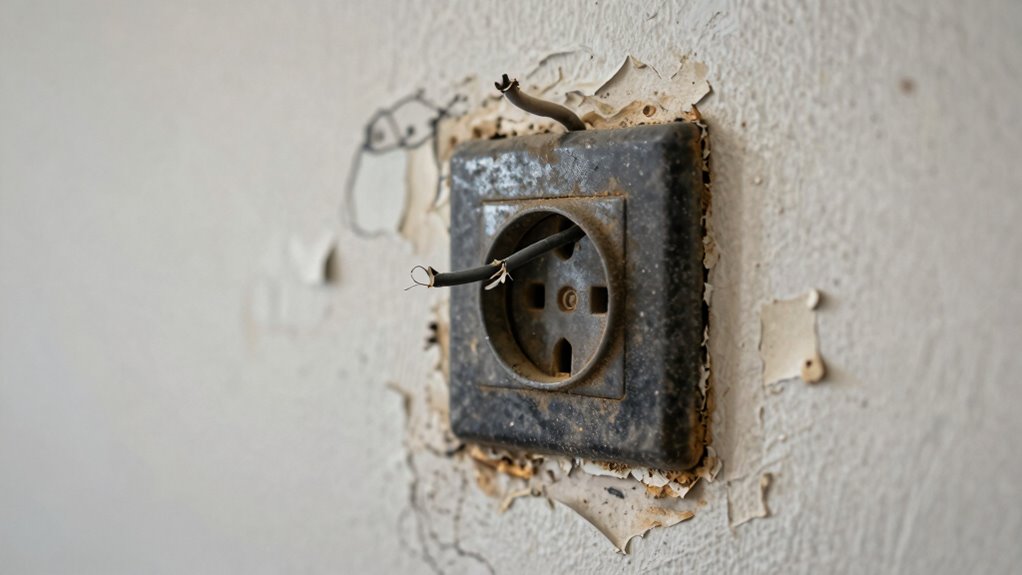
A dead outlet might seem like a minor inconvenience, but it can be a warning sign of a larger electrical issue in your home. Ignoring it could compromise your electrical safety and potentially lead to more serious problems down the line. When an outlet stops working, it’s tempting to just reset the circuit breaker or replace the outlet and move on. But in many cases, this simple fix masks a deeper issue that requires proper circuit troubleshooting. Understanding what might be causing the problem is vital to preventing electrical hazards and guaranteeing your home’s wiring remains safe and reliable.
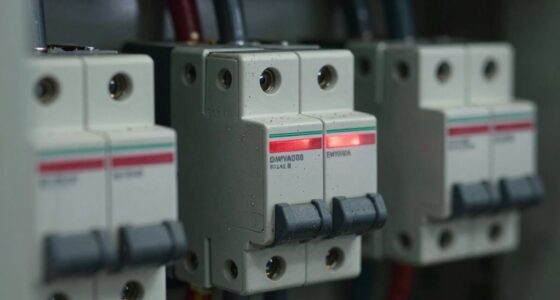
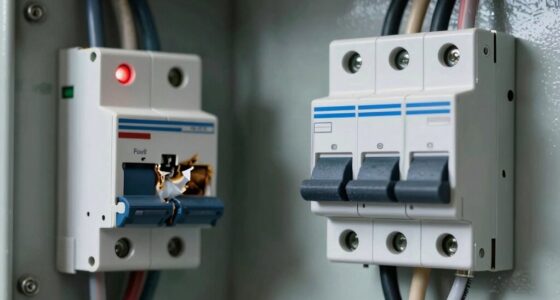
The first step in addressing a dead outlet is to identify whether the problem is isolated or part of a broader electrical issue. Sometimes, a single non-functioning outlet results from a loose connection, a faulty outlet, or a tripped circuit breaker. However, if multiple outlets or appliances are affected, it suggests a more significant problem in your electrical system. Circuit troubleshooting becomes essential here because it helps you trace the source of the issue. You’ll want to check your circuit breakers to see if any have tripped, and if so, reset them carefully. If the breaker trips again immediately, it indicates a short circuit or an overload somewhere in that circuit.
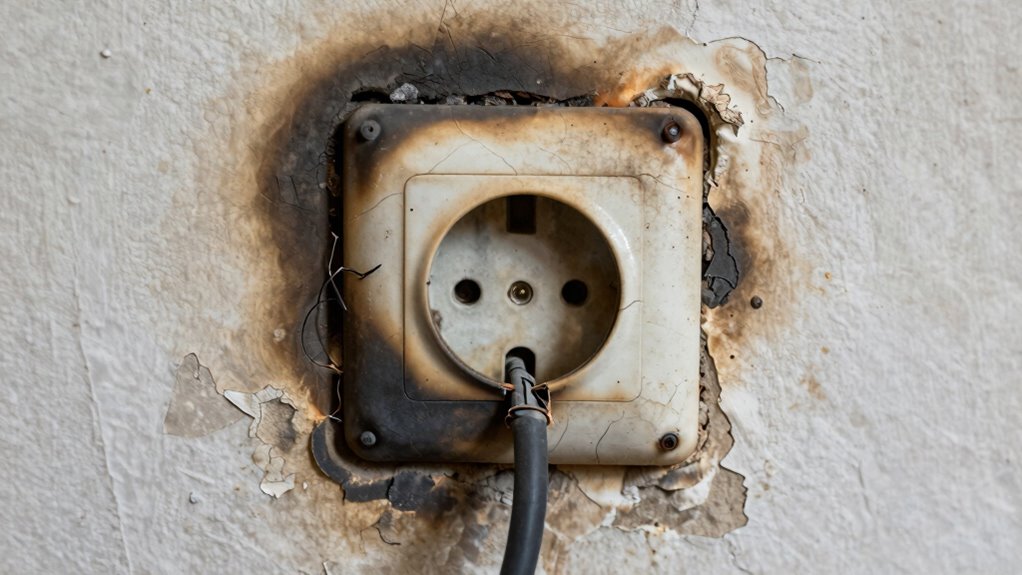
Electrical safety should always be your top priority. Before inspecting or working on any outlet, turn off the power at the circuit breaker to prevent electrical shock or injury. Use a voltage tester to confirm the power is off before touching any wiring. If you’re comfortable with electrical work, it’s helpful to understand the importance of proper circuit design and wiring practices for preventing issues. You can examine the outlet and wiring for signs of damage, loose connections, or burn marks. If you’re not experienced, it’s best to call a professional electrician. They can perform thorough circuit troubleshooting to pinpoint faults, whether it’s a damaged wire, a defective outlet, or an underlying wiring issue. Additionally, regularly check and clean filters on your home’s electrical systems and appliances can help prevent overloads that cause circuit trips. Incorporating sound safety practices, such as using appropriate tools and protective gear, is essential when working with electrical components. Using connected smart devices and systems designed for electrical safety can further enhance your home’s overall safety and monitoring capabilities. Incorporating electrical safety tips into routine maintenance helps you stay proactive about potential hazards.
A dead outlet isn’t just an annoyance; it’s a prompt to evaluate your home’s electrical health. Addressing the problem early helps protect your household from electrical hazards such as shocks, fires, or damaged appliances. By understanding how to troubleshoot circuits and recognizing when to seek professional help, you maintain electrical safety and guarantee your home’s wiring remains sound. Remember, a single dead outlet might seem minor, but it often signals a bigger problem that needs prompt attention to keep your home safe and functional.
As an affiliate, we earn on qualifying purchases.
Frequently Asked Questions
Can a Single Dead Outlet Cause Electrical Fires?
A single dead outlet typically won’t cause an electrical fire on its own, but it can signal underlying issues that compromise electrical safety. Faulty wiring or a short circuit could be lurking, risking fire hazards if left unchecked. Ignoring a dead outlet can reduce outlet longevity and hide bigger electrical problems. You should have an electrician inspect the outlet promptly to guarantee your home’s electrical system remains safe and reliable.
How Often Should Outlets Be Inspected for Safety?
You should inspect your outlets at least once a year, balancing routine maintenance with safety. Electrical code mandates regular checks to prevent hazards, as outlets have a limited lifespan and can deteriorate over time. While they might seem benign, a worn outlet can hide issues that threaten your safety. Regular inspections help catch problems early, ensuring your home remains safe and compliant with electrical standards.
Are Some Outlets More Prone to Failure Than Others?
Some outlets are more prone to failure due to lower outlet durability and reduced power surge resilience. Cheaper or older outlets often lack the quality to withstand frequent use or sudden power surges, making them more susceptible to failure. You should pay attention to these outlets, especially in high-traffic areas or near appliances that cause power fluctuations, to prevent larger electrical issues and guarantee safety in your home.
What Are the Risks of Ignoring a Dead Outlet?
Ignoring a dead outlet is like ignoring a flickering warning light—you risk bigger electrical issues. You might face electrical shocks, fire hazards, or damage to connected devices. Regular outlet testing helps identify problems early, preventing dangerous surprises. If you find a dead outlet, consider circuit upgrades to improve safety and reliability. Don’t delay fixing the issue; addressing it promptly keeps your home safe and prevents costly repairs down the line.
Can DIY Repairs Fix Underlying Wiring Issues?
Yes, DIY repairs can fix underlying wiring issues if you practice proper DIY safety and have the right tools. However, wiring diagnostics are essential to identify the root cause of the problem. If you’re unsure or uncomfortable, it’s best to call a professional. Attempting to fix complex wiring without proper knowledge can be dangerous, so always prioritize safety and know your limits before tackling electrical repairs yourself.
As an affiliate, we earn on qualifying purchases.
Conclusion
If you notice a dead outlet, don’t ignore it—it’s often a sign of a larger electrical issue. Nearly 60% of electrical fires start with wiring problems, and a single faulty outlet can be a warning sign of deeper wiring faults. Addressing it promptly can prevent potential hazards and costly repairs down the line. Always prioritize safety; a small fix today can save you from much bigger problems tomorrow.
As an affiliate, we earn on qualifying purchases.
electrical wiring inspection kit
As an affiliate, we earn on qualifying purchases.
As an affiliate, we earn on qualifying purchases.
Fall Picks
fall essentials
As an affiliate, we earn on qualifying purchases.