
Battery monitoring is about more than just checking the percentage because that number doesn’t show your battery’s overall health or how your habits impact its lifespan. Constantly focusing on charge level can lead to misjudging its condition, especially if heat, usage patterns, or charging routines cause wear over time. By understanding how your habits affect your battery, you can extend its life and keep your device running smoothly. There’s more to learn on maintaining long-term battery health.
Open a free Amazon Business account
Business pricing, bulk buying and tax-exempt orders.
As an affiliate, we earn on qualifying purchases.
Key Takeaways
- Battery health depends on overall usage patterns and habits, not just current charge levels.
- Monitoring heat and temperature is crucial, as excessive heat accelerates battery degradation.
- Proper charging practices, like avoiding full 100% charges, significantly impact long-term battery lifespan.
- Built-in tools and third-party apps provide insights beyond battery percentage, indicating overall health.
- Proactive care and habits help preserve battery capacity, performance, and device longevity over time.
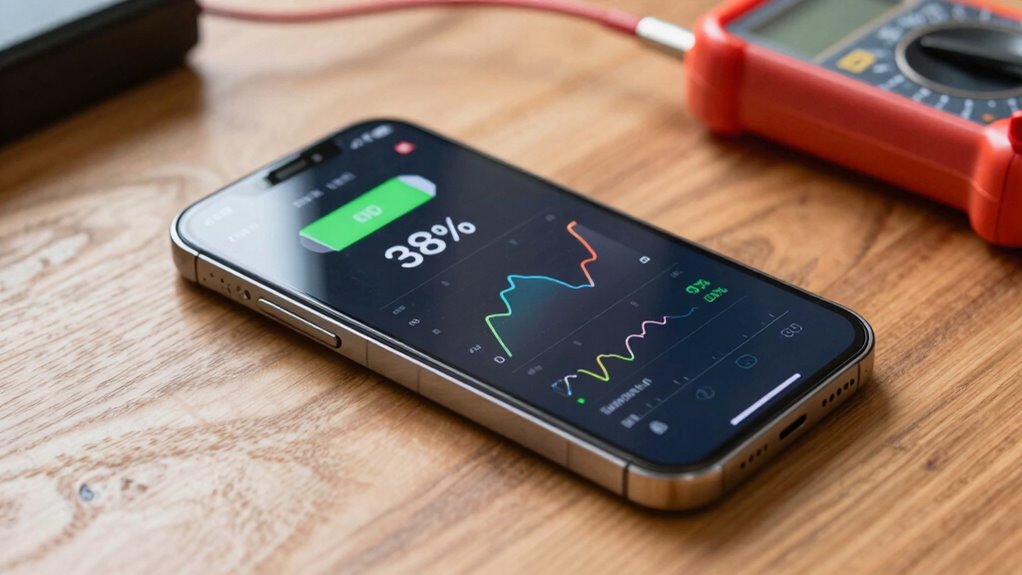
While seeing a battery percentage gives a quick snapshot of your device’s remaining power, effective battery monitoring goes far beyond just checking the numbers. It involves understanding how your usage impacts your battery’s health over time. Your battery lifespan isn’t set in stone; it’s influenced by your charging habits, the way you use your device, and how well you care for the battery. Relying solely on the charge percentage doesn’t give you the full picture of your battery’s condition or how long it will last in the long run. Instead, you should pay attention to patterns that affect battery longevity.
Effective battery care involves understanding usage patterns and habits beyond just checking the percentage.
One key factor is your charging habits. Frequently charging your device to 100% or letting it drain completely can accelerate battery wear. Lithium-ion batteries, which are common in most devices, perform best when kept within a moderate charge range—say, between 20% and 80%. Over time, constant full charges or deep discharges can reduce your battery’s overall lifespan. By monitoring how often you hit those extremes, you can develop better habits that extend battery health. For example, avoiding overnight charging or unplugging your device once it reaches 80% can help preserve capacity. Additionally, proper charging practices are essential for maintaining battery health over the long term.
Beyond just observing charge levels, it’s important to understand how different usage scenarios impact your battery. High screen brightness, running multiple apps, or using resource-intensive features drain your battery faster and generate more heat — a factor that can also degrade battery health. Recognizing these patterns allows you to adjust your habits accordingly. Lowering screen brightness, turning off unused features, or closing background apps can stretch your battery’s life and maintain its health longer. Being aware of device temperature and avoiding exposure to excessive heat also plays a crucial role in battery preservation.
Additionally, keep an eye on your device’s battery health status through built-in tools or third-party apps. These tools provide insights into your battery’s overall condition, informing you if it’s time for a replacement or if certain habits are damaging it. By monitoring these metrics, you can make informed decisions rather than just reacting to sudden drops in charge percentage. Understanding the impact of battery technology on performance helps you better care for your device’s longevity. Being proactive with routine checks allows you to catch potential issues early and optimize your device’s performance.
In essence, effective battery monitoring means more than just watching the percentage tick down. It requires understanding your charging habits, how your usage impacts your battery, and taking proactive steps to preserve its lifespan. Doing so ensures your device remains reliable and that you get maximum value from your investment. Remember, a well-maintained battery not only lasts longer but also performs better, making your overall experience smoother and more efficient.
battery health monitoring app for smartphones
As an affiliate, we earn on qualifying purchases.
As an affiliate, we earn on qualifying purchases.
Frequently Asked Questions
How Does Temperature Affect Battery Health?
Temperature greatly influences your battery health by affecting chemical reactions. When it’s too hot or cold, it can cause capacity loss or internal damage. Proper thermal management helps keep temperatures within safe ranges, preventing overheating or freezing. Regular temperature calibration ensures your monitoring systems accurately reflect the battery’s condition. By maintaining ideal temperatures, you prolong your battery’s lifespan and ensure reliable performance over time.
Can Battery Monitoring Predict Failure Before It Happens?
Think of your battery as a ship steering through stormy seas. Advanced monitoring acts like a weather forecast, predicting rough waters before they hit, helping you extend battery lifespan. It tracks charging cycles and internal health, alerting you to potential failures early. By catching issues ahead of time, you can prevent breakdowns, ensuring your device keeps sailing smoothly and prolonging its overall life.
What Are the Best Tools for Comprehensive Battery Analysis?
You should use tools like battery calibration software and advanced power management apps for thorough analysis. Battery calibration ensures accurate readings by resetting the battery’s sensor, while power management tools optimize energy use and detect issues early. These tools help you monitor capacity, health, and performance, giving you a complete view of your battery’s condition. Incorporating them into your routine ensures better longevity and reliable performance.
How Often Should Battery Health Be Checked?
You should check your battery health regularly, ideally every few months, to monitor its lifespan and guarantee ideal performance. Frequent checks help you spot issues early and adjust your charging habits accordingly. Proper maintenance can extend your battery’s life, so staying attentive to its condition is key. If you notice reduced capacity or irregular charging, take action to protect your battery’s longevity and avoid premature replacement.
Does Battery Age Impact Performance More Than Usage?
Did you know that battery age impacts performance more than usage? As your battery ages, its lifespan shortens regardless of how carefully you use it. Over time, chemical changes reduce capacity, causing faster drain and less efficiency. Usage patterns matter too, but age determines the baseline health. So, even with minimal use, aging batteries can underperform, highlighting why monitoring battery health beyond just charge percentages is essential for maximum device performance.
lithium-ion battery capacity tester
As an affiliate, we earn on qualifying purchases.
As an affiliate, we earn on qualifying purchases.
Conclusion
Understanding battery health goes beyond just checking the charge percentage. Did you know that over 50% of battery failures are caused by unnoticed degradation rather than outright depletion? By monitoring factors like temperature, cycle count, and voltage, you can extend your device’s lifespan and avoid unexpected shutdowns. Stay proactive with thorough battery care—it’s more than just watching the percentage. Your device will thank you with longer performance and reliability.
As an affiliate, we earn on qualifying purchases.
smartphone battery calibration tools
As an affiliate, we earn on qualifying purchases.
As an affiliate, we earn on qualifying purchases.
Flea & tick season Picks
flea and tick prevention
As an affiliate, we earn on qualifying purchases.