
When charging lithium batteries in cold weather, keep the temperature between 20°C and 25°C (68°F to 77°F) for safe and efficient charging. Avoid attempting to charge if the battery is below 0°C (32°F), as cold temperatures can cause damage and reduce capacity. It’s best to prewarm your device or use controlled heating methods before charging. To discover more about safe limits and strategies, continue exploring essential cold-weather charging tips.

Get backup power and energy gear delivered free — and shop member deals
- Fast, free delivery on millions of items
- Access to Prime Big Deal Days deals on October 6–7
- Prime Video, Amazon Music and more included
Key Takeaways
- Avoid charging lithium batteries below 0°C; wait until they warm above this temperature for safe charging.
- Optimal charging occurs between 20°C and 25°C; temperatures outside this range can cause capacity loss.
- Use slow, controlled charging rates in cold weather to minimize internal resistance and prevent damage.
- Employ preconditioning or external heating methods to raise battery temperature before charging in low temperatures.
- Monitor battery temperature and health regularly; delay charging if the battery is too cold to ensure safety and longevity.
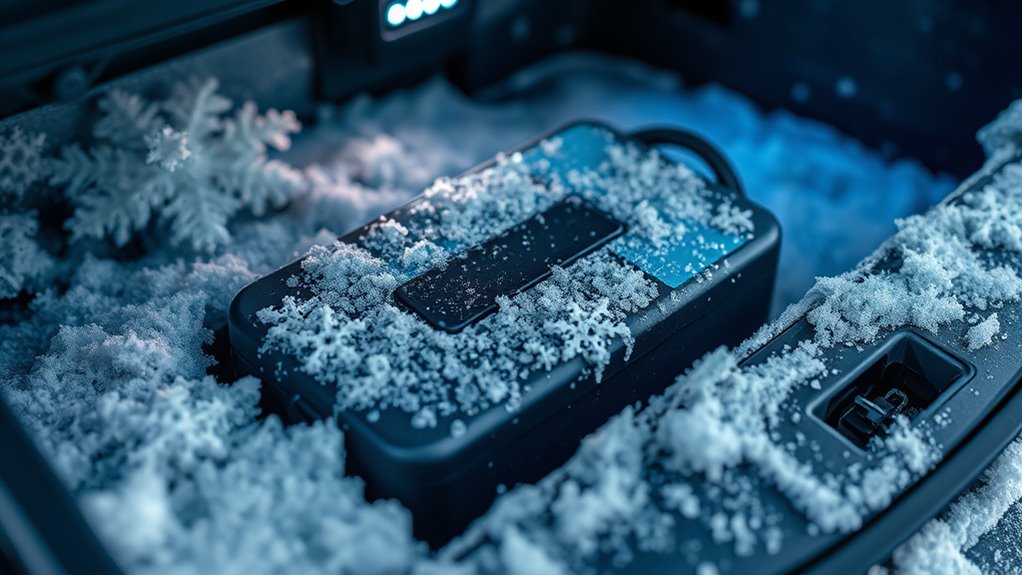
Charging lithium batteries in cold weather can considerably reduce their performance and lifespan. When temperatures drop, your battery’s ability to deliver power diminishes, and its overall longevity takes a hit. Cold conditions cause chemical reactions inside the battery to slow down, leading to decreased energy transfer and reduced capacity. This is why you might notice your device or vehicle struggling to start or operate efficiently in lower temperatures. To mitigate these issues, it’s vital to understand how cold impacts battery performance and adopt appropriate charging strategies that protect your lithium batteries.
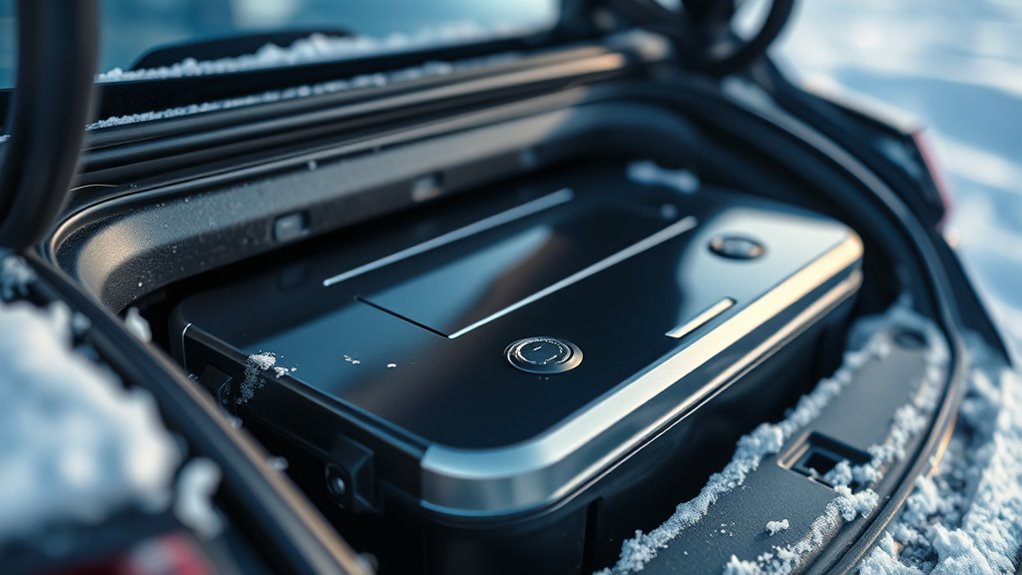
In cold weather, the most effective way to maintain peak battery performance is to modify your charging strategies. For instance, avoid charging your battery when it’s extremely cold—ideally, wait until it warms up to a more moderate temperature. Lithium batteries perform best when charged at temperatures between 20°C and 25°C (68°F to 77°F). If you attempt to charge in lower temperatures, you risk incomplete charging, increased internal resistance, and even potential damage to the battery cells. To address this, you can keep your device or vehicle in a warmer environment before charging, or use a controlled heating pad if available. Some charging systems come with built-in temperature sensors and can automatically adjust charging rates based on ambient conditions, helping prevent damage caused by cold.
Another key aspect of maximizing battery performance in cold weather is controlling the charging rate. Slower, more gradual charging helps prevent stress on the battery cells caused by cold-induced resistance. Fast charging in low temperatures can lead to uneven charge distribution, capacity loss, or increased wear over time. Many manufacturers recommend using a lower current when charging in cold conditions, which allows the internal chemistry of the battery to stabilize more effectively. If your device or EV supports it, activate any warm-up or preconditioning features that bring the battery to a suitable temperature before charging begins. This proactive approach ensures your battery isn’t subjected to harsh conditions, prolonging its lifespan and maintaining better overall performance. Additionally, understanding the reliability of backup power options can help ensure continuous operation during harsh cold spells.
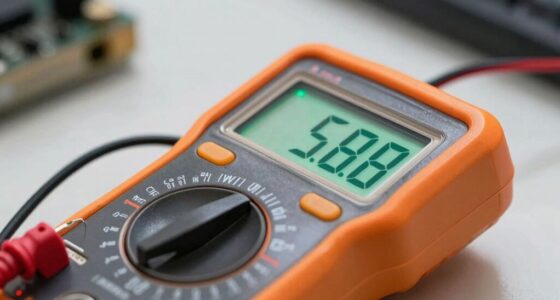
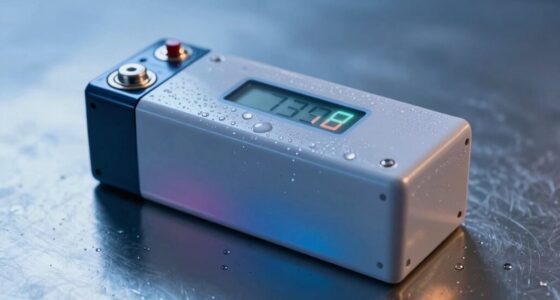
Finally, it’s wise to monitor your battery’s temperature and health regularly during cold months. Many modern batteries and chargers have built-in diagnostics, alerting you to potential issues or abnormal conditions. By paying close attention to these signals, you can adjust your charging strategies accordingly, such as delaying charging until temperatures rise or using external heating solutions. In essence, adapting your charging habits to cold weather conditions is vital for preserving battery performance and extending its service life. Taking these precautions not only safeguards your investment but also ensures your device or vehicle remains reliable, even in the coldest months.
lithium battery prewarming device
As an affiliate, we earn on qualifying purchases.
As an affiliate, we earn on qualifying purchases.
Frequently Asked Questions
How Do Cold Temperatures Affect Lithium Battery Lifespan?
Cold temperatures can considerably reduce your lithium battery‘s lifespan because the battery chemistry slows down, decreasing performance. When you don’t use thermal management, the battery’s internal processes become less efficient, leading to faster degradation over time. To protect your battery, keep it warm and avoid exposing it to extreme cold. Proper thermal management helps maintain ideal conditions, ensuring your lithium battery lasts longer and performs reliably in cold weather.
Can I Safely Charge Lithium Batteries Below Freezing?
You should avoid charging lithium batteries below freezing unless you have proper thermal management and battery insulation. Cold temperatures can cause lithium plating, leading to capacity loss and safety risks. Use insulation to retain heat and consider active thermal management systems to keep the battery within safe charging temperatures. If you must charge in cold weather, pre-warm the battery to ensure safe and efficient charging, protecting your battery’s lifespan.
What Are the Signs of Lithium Battery Damage From Cold?
You’ll notice signs of lithium battery damage from cold if you see decreased performance, longer charging times, or rapid capacity loss. Insulation and thermal management are essential; without proper insulation, the battery can get too cold, causing internal damage. Keep an eye out for swelling, reduced power output, or erratic behavior, which all indicate potential cold-related damage. Proper thermal management helps prevent these issues and prolongs your battery’s lifespan.
Are There Specific Chargers Designed for Cold-Weather Use?
Yes, there are cold weather chargers specifically designed for winter battery care. These chargers help prevent damage by controlling charging rates and ensuring ideal temperature management. When using winter battery care chargers, you can charge your lithium batteries safely in cold conditions, avoiding potential damage caused by low temperatures. Investing in a cold weather charger is a smart move to protect your batteries and maintain their performance during winter months.
How Can I Optimize Lithium Battery Performance in Winter?
You can improve your lithium battery’s winter performance by focusing on thermal management and insulation. Studies show that batteries lose up to 50% of their capacity below freezing. To prevent this, use battery insulation and keep it warm with supplemental heating if needed. This approach minimizes cold-induced capacity loss, ensuring your battery remains efficient and reliable during winter. Proper thermal management keeps the battery within suitable temperature ranges, extending its lifespan and performance.
As an affiliate, we earn on qualifying purchases.
Conclusion
Think of your lithium battery as a delicate flame in the cold. Just like you wouldn’t toss wood onto a dying fire, don’t push your battery beyond its limits in freezing weather. Respect its boundaries, and it’ll keep burning brightly when you need it most. Embrace these limits as a safeguard, not a barrier—protecting your energy source guarantees it remains a steadfast companion, glowing warmly through every chilly day.
battery temperature monitor for lithium batteries
As an affiliate, we earn on qualifying purchases.
As an affiliate, we earn on qualifying purchases.
As an affiliate, we earn on qualifying purchases.
Fall Picks
fall essentials
As an affiliate, we earn on qualifying purchases.