
To safely ship and store lithium batteries at home, keep them in a cool, dry place away from flammable materials and avoid stacking them directly. Use non-conductive packaging, such as plastic or foam, to prevent short circuits, and label packages clearly. Handle damaged batteries with care and dispose of old or swollen ones through recycling programs. Following these safety practices will help you prevent fires and leaks—discover more tips to protect yourself and your home.
Key Takeaways
- Store lithium batteries in a cool, dry area away from flammable materials and direct sunlight.
- Use individual protective cases or compartments to prevent contact and stacking.
- Insulate batteries fully with non-conductive materials during shipping and handling.
- Clearly label packages with “Handle with Care” and “Battery Inside” to ensure safe handling.
- Dispose of damaged or old batteries through authorized recycling programs to prevent hazards.

Shipping and storing lithium batteries safely at home is essential to prevent accidents and guarantee your safety. Lithium batteries are powerful and convenient, but if mishandled, they pose significant risks, including fires and chemical leaks. Proper storage practices are necessary, especially if you have multiple devices or are preparing to ship batteries for recycling or disposal. One crucial step is understanding how to prevent fires, which can occur if a damaged or improperly stored battery short circuits or overheats. To minimize this risk, always store lithium batteries in a cool, dry place away from flammable materials. Avoid stacking batteries directly on top of each other; instead, keep them in individual compartments or protective cases to prevent accidental punctures or contact. If a battery shows signs of damage, such as swelling, corrosion, or leaks, handle it with care and dispose of it properly through a battery recycling program. Many communities offer designated drop-off sites or collection events for lithium batteries, ensuring they’re recycled safely and don’t end up in landfills, where they can cause environmental harm or fires. Additionally, using proper storage techniques can significantly reduce the likelihood of thermal runaway, which is a dangerous condition that can lead to fires. When preparing batteries for shipping, make sure they are fully insulated and protected against short circuits. Use non-conductive materials like plastic or foam to prevent metal contacts from touching each other. Label packages clearly with “Handle with Care” and “Battery Inside” to alert handlers to the contents, reducing the risk of mishandling during transit. It’s also wise to follow specific shipping guidelines provided by carriers or regulatory agencies, especially for larger quantities or damaged batteries. Proper packaging not only helps prevent physical damage but also reduces the chance of thermal runaway—a dangerous condition that can lead to fires. Additionally, engaging in battery recycling is a responsible way to dispose of old or damaged lithium batteries. Recycling not only ensures compliance with safety regulations but also reduces environmental impact by recovering valuable materials and preventing hazardous waste from contaminating land or water sources.

Zeee Fireproof Explosionproof Large Capacity Battery Storage Guard Pouch for Lipo Charge & Storage (8.46 x 6.5 x 5.71 in)
🔥【Zeee LiPo Battery Bag Material】- 100% inner fireproof fabric, interlayer non-woven fabric with flame retardant effect, and PVC…
As an affiliate, we earn on qualifying purchases.
As an affiliate, we earn on qualifying purchases.
Frequently Asked Questions
Can Lithium Batteries Be Stored in the Refrigerator?
You shouldn’t store lithium batteries in the refrigerator because it can affect their battery temperature and cause damage. Refrigerator storage isn’t ideal, as it exposes batteries to moisture and temperature fluctuations that can lead to leaks or decreased performance. Instead, keep lithium batteries in a cool, dry place away from direct sunlight. Proper storage helps maintain their safety and longevity, ensuring they work effectively when you need them.
What Are the Signs of Lithium Battery Overheating?
You’ll notice signs of lithium battery overheating if you see battery swelling or bulging, which indicates gas buildup. An unusual odor, like a chemical or burnt smell, is also a warning sign. If the battery feels hot to the touch or if it’s leaking liquid, stop using it immediately. Overheating can cause fires or explosions, so always handle suspect batteries with care and dispose of them properly.
Is It Safe to Dispose of Lithium Batteries in Regular Trash?
Think of your lithium batteries as tiny, volatile volcanoes—you shouldn’t toss them in your regular trash. It’s unsafe and can cause fires or leaks. Instead, treat them as hazardous waste and take them to a designated battery recycling center. Proper disposal prevents environmental harm and keeps you safe. Never underestimate the power of proper hazardous waste management, especially with lithium batteries, to protect both your home and the planet.
How Long Can Lithium Batteries Be Stored Safely?
You can store lithium batteries safely for about 6 months to a year if you follow proper battery maintenance and storage conditions. Keep them in a cool, dry place away from direct sunlight and flammable materials. Make sure the batteries are partially charged, around 30-50%, and avoid extreme temperatures. Regularly check for corrosion or damage, and disconnect them if you’re not using them for an extended period to prevent leaks or hazards.
What Should I Do if a Lithium Battery Leaks or Catches Fire?
If a lithium battery leaks or catches fire, act swiftly like a hero in a noir film. First, guarantee your safety by evacuating the area and calling emergency response. Use a Class D fire extinguisher or smother the flames with a fire-resistant material—never water, as it worsens the fire. Prioritize fire safety, ventilate the space, and avoid inhaling fumes. Quick, calm action minimizes damage and keeps you safe.
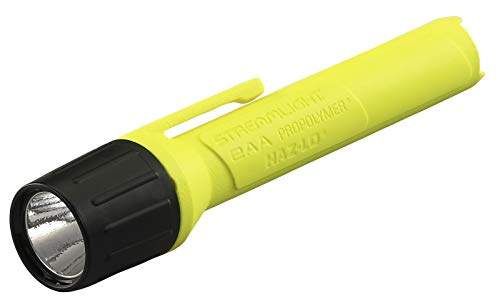
Streamlight 67101 2AA ProPolymer HAZ-LO 65-Lumen 2300-Candela Intrinsically Safe LED Flashlight with 2 x Alkaline Batteries, Hi-Viz Yellow, Clear Retail Packaging
Intrinsically Safe Lighting for Hazardous Work: Certified Class I Div 1 for use in explosive gas or vapor…
As an affiliate, we earn on qualifying purchases.
As an affiliate, we earn on qualifying purchases.
Conclusion
Shipping and storing lithium safely at home is vital, just like handling fragile glass—you need to be gentle and cautious. Always follow proper guidelines, keep lithium away from heat and water, and store it in a secure, labeled container. Think of it as safeguarding a delicate treasure. By staying vigilant and responsible, you prevent accidents and keep your home safe. Remember, treating lithium with care is the key to avoiding mishaps and ensuring everyone stays protected.

EZ on the Earth Primary Lithium Battery Recycling Container – 3.5 Gallon, Battery Disposal Bin with Lid That Holds up to 41.8 lbs Batteries – Recycling Pail with Cardboard Box
Container for Wide range of Lithium Batteries — Easily recycle various lithium batteries from diverse devices, promoting hassle-free…
As an affiliate, we earn on qualifying purchases.
As an affiliate, we earn on qualifying purchases.

Dunzoom 100 Pcs Lithium Ion Battery Caution Labels Un3481 Transport Caution Warning Stickers 4.7 x 4.3 Fragile Stickers for Shipping Lithium Batteries Strong Adhesive Safety
Labels Size: 4.7 inches x 4.3 inches, lithium ion battery shipping warning label, can be written easily with…
As an affiliate, we earn on qualifying purchases.
As an affiliate, we earn on qualifying purchases.