
Parallel strings hazards, like current hogging, happen when wiring or grounding aren’t properly managed. If strings aren’t isolated or grounded correctly, some modules can draw more current than others, causing uneven stress and overheating. This imbalance reduces system efficiency and can damage your panels over time. To prevent this, proper installation, wiring, and grounding are essential. Keep exploring to understand how these issues develop and how you can protect your system effectively.

Get backup power and energy gear delivered free with Prime
- Fast, free delivery on millions of items
- Prime Video, Amazon Music and more included
- Member-only deals all year
Key Takeaways
- Current hogging occurs when one string draws excessive current due to voltage imbalances or wiring errors.
- Parallel strings with improper separation or grounding can create unintended current paths, leading to hogging.
- Voltage differences caused by shading or wiring issues force current to favor certain strings, stressing modules.
- Overcurrent from hogging can cause overheating, damage, and reduced lifespan of affected strings.
- Proper installation, wiring, and grounding practices prevent current hogging and improve system safety and efficiency.
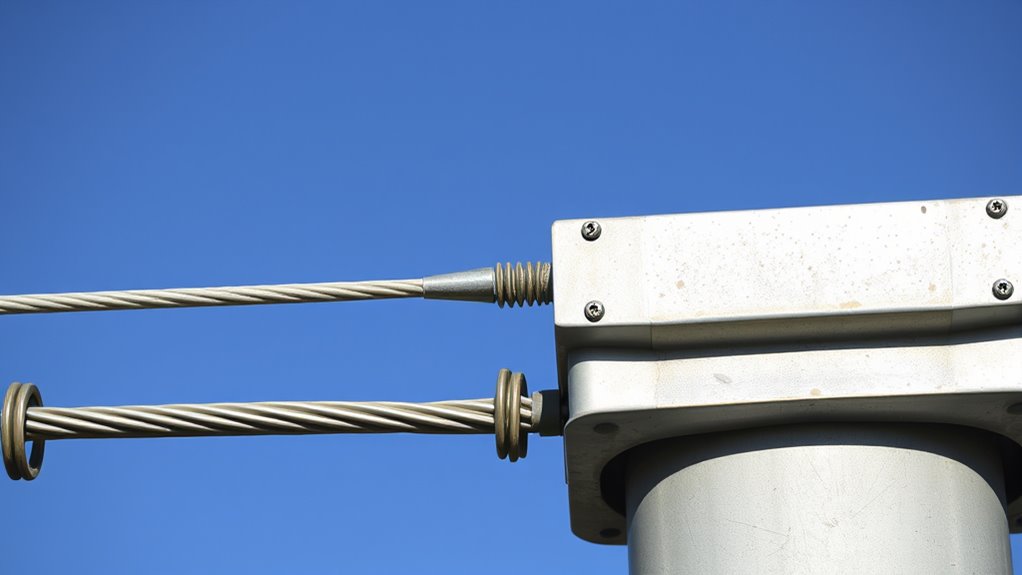
Parallel strings hazards occur when multiple strings in a circuit run alongside each other without proper separation, risking electrical faults or short circuits. When strings are placed too close or wired improperly, grounding issues can arise. Poor grounding creates unintended current paths, which can lead to dangerous voltage fluctuations and increase the chance of electrical faults. If one string experiences a grounding problem, the current may find alternate routes through other strings, amplifying voltage imbalance within the system. This imbalance can cause some modules to operate at higher voltages than intended, risking damage or reduced lifespan.
Parallel strings without proper separation risk faults, grounding issues, and voltage imbalances that can damage modules and reduce system lifespan.
You might not realize it, but grounding issues profoundly affect the overall system performance. When the grounding isn’t solid, certain strings may become more susceptible to electrical noise or transient surges. These issues can cause uneven current flow, leading to current hogging in specific strings. Current hogging occurs when one string draws more current than others because of voltage imbalance, often stemming from grounding irregularities. As a result, the affected string may overheat or degrade faster, risking system reliability and safety. If you notice uneven string performance or overheating in a particular area, grounding issues could be at fault.
Voltage imbalance is another critical problem associated with parallel strings hazards. When strings aren’t balanced properly, one may operate at a higher voltage than the others. This imbalance typically results from wiring errors, shading, or differences in string resistance. Voltage imbalance not only reduces efficiency but also increases the risk of current hogging, where one string becomes the dominant current carrier. This uneven current distribution stresses the modules and wiring, causing potential failures or safety risks. If you observe voltage discrepancies between strings, it’s a clear sign that you need to address grounding and wiring issues immediately to prevent long-term damage. Additionally, addressing proper wiring practices**** and ensuring consistent installation can greatly reduce these risks.
As an affiliate, we earn on qualifying purchases.
Frequently Asked Questions
How Can Parallel String Hazards Be Effectively Mitigated?
To effectively mitigate parallel string hazards, you should focus on string balancing and load optimization. Make certain that the current load is evenly distributed among the strings, preventing any one from hogging current. Regularly monitor and adjust the connections to maintain balance, and use proper design techniques to optimize load sharing. This proactive approach helps prevent current hogging, enhances system reliability, and promotes safer, more efficient operation.
What Are the Common Signs Indicating Current Hogging Issues?
You’ll notice signs of imbalance, such as uneven lighting or flickering, which indicate current hogging issues. Overcurrent alerts on your system are also common signs, signaling that one string is drawing excessive current. If you observe these symptoms, it’s vital to examine your wiring and connections promptly. Addressing these signs early helps prevent damage, optimize performance, and ensures your system operates safely and efficiently.
Are There Specific Circuit Designs Prone to Parallel String Hazards?
You might notice certain circuit designs with specific string configurations are more prone to parallel string hazards. When load balancing isn’t optimized, and strings are wired in a way that allows uneven current flow, hogging can occur. Series-connected strings with unequal loads or improper wiring arrangements often increase this risk. To avoid this, guarantee your load is evenly distributed across all strings, and design your circuit with balanced string configurations in mind.
How Does Temperature Affect Current Hogging in Parallel Strings?
Temperature increases can worsen current hogging in parallel strings because thermal expansion causes wire resistance to rise, which concentrates current flow. Temperature gradients across the strings create uneven heating, further amplifying the problem by altering resistance locally. As you observe these effects, you’ll see that managing temperature and ensuring even heat distribution helps reduce current hogging, leading to safer and more reliable circuit operation.
Can Modern Testing Equipment Detect Current Hogging Accurately?
Modern testing equipment can detect current hogging quite accurately if it’s properly calibrated and used correctly. You’ll find that advanced sensors and measurement tools provide precise detection of uneven current distribution across parallel strings. To guarantee the best detection accuracy, regularly maintain and calibrate your equipment, and follow manufacturer guidelines. This way, you can quickly identify current hogging issues, preventing potential damage and optimizing system performance.
As an affiliate, we earn on qualifying purchases.
Conclusion
Understanding parallel strings hazards and current hogging helps you spot potential problems before they grow. Think of it like catching a small crack in a dam—if ignored, it could lead to a flood. By recognizing these hazards early, you keep your electrical system safe and reliable. Stay vigilant, and remember, a little knowledge acts like a shield, protecting you from unexpected failures and ensuring your system runs smoothly like a well-oiled machine.
As an affiliate, we earn on qualifying purchases.
As an affiliate, we earn on qualifying purchases.
Halloween Picks
halloween
As an affiliate, we earn on qualifying purchases.